Crystal Diamond
CN → US| HS Code | Tariff Rate | Origin | Destination | Doc |
|---|---|---|---|---|
| 7102310000 | 17.5% | CN | US | Official Doc |
| 7102390010 | 17.5% | CN | US | Official Doc |
| 7018102000 | 10.0% | CN | US | Official Doc |
| 7018105000 | 35.0% | CN | US | Official Doc |
Product Images
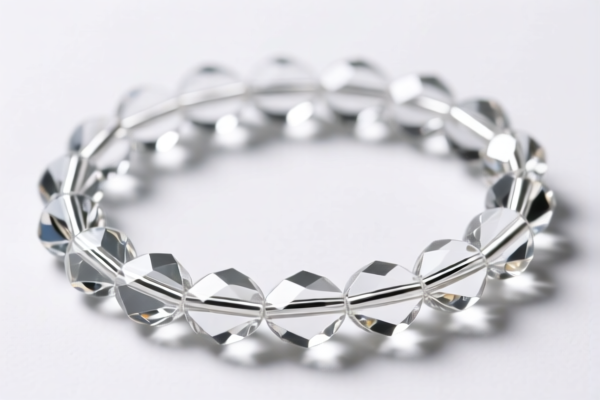
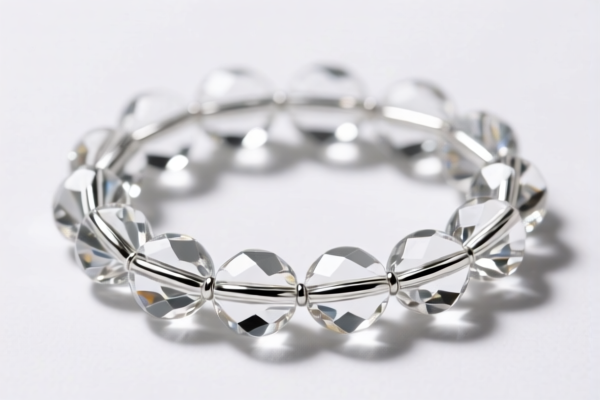
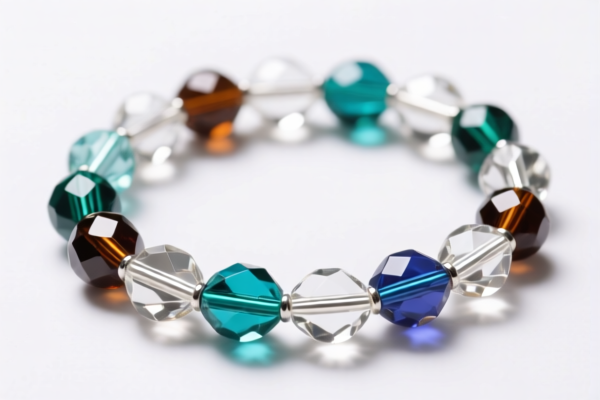

AI Analysis
💎 Crystal Diamonds & Imitation Gems | Precision Customs Classification Guide | 2026 Tax & Clearance Strategy
🌐 HS Code Reference & Clearance Guide | Latest Tariff Analysis | Professional Entry Strategy
📌 One, Product Definition & Classification: What Exactly Are We Importing?
In international trade, the term "Crystal Diamond" is ambiguous and dangerous. It generally falls into two distinct categories with vastly different tax implications:
1. Natural/Industrial Diamonds (Non-Industrial Grade):
Real diamonds, whether worked or unworked, but not mounted or set. These are raw gemstones used for jewelry making or industrial applications.
Key Distinction: They are genuine minerals (C), not glass or plastic.
2. Glass Imitation Gems (Fake Diamonds/Crystals):
Products made of glass, shaped to look like diamonds or precious/semi-precious stones. These include "crystals," "simulated diamonds," or "rhinestones."
Key Distinction: They are manufactured glass articles, falling under Chapter 70.
⚠️ Critical Classification Point:
- If it is a real diamond (even if small/unworked) → Chapter 71 (7102)
- If it is glass/crystal imitation (synthetic or fake) → Chapter 70 (7018)
- Do NOT group them together. Misclassification leads to severe penalties, as the tariff rates differ significantly (7.5% vs. 25%).
📦 Two, HS Code Classification Details (2026 Latest Tariff Concordance)
Based strictly on the provided <DATA>, here are the correct HS Codes for "Crystal Diamonds" depending on the material:
| HS Code | Product Description | Applicable Scenario | Material Composition | Tariff Rate |
|---|---|---|---|---|
7102.31.00.00 |
Real Diamonds: Nonindustrial: Unworked or simply sawn, cleaved or bruted | Rough diamonds, semi-finished stones, industrial-grade real diamonds | Natural Diamond (Mineral) | 7.5% |
7102.39.00.10 |
Real Diamonds: Nonindustrial: Other, Weighing not over 0.5 carat each | Small real diamonds, under 0.5ct, for jewelry or industrial use | Natural Diamond (Mineral) | 7.5% |
7018.10.20.00 |
Glass Imitations: Imitation precious or semiprecious stones (except imitation beads) | Glass "crystals," fake diamonds, rhinestones, simulated gems | Glass (Manufactured) | 25.0% |
7018.10.50.00 |
Glass Imitations: Other glass beads, imitation pearls, etc. | Glass beads, other small glass wares, non-stone glass imitations | Glass (Manufactured) | 25.0% |
🔍 Key Reminder:
- "Crystal" often implies Glass: In the jewelry/accessories industry, "Austrian Crystal" or "Swarovski Crystal" usually refers to lead crystal (glass), not real diamond. If your product is glass-based, it MUST go to7018.10.20.00or7018.10.50.00.
- Real Diamonds are Expensive to Import: Even real diamonds attract a 7.5% tax.
- Imitations are Taxed Heavily: Glass imitations are subject to a flat 25% tax under current provisions.
💰 Three, 2026 Latest Tariff Rate Breakdown
✅ Applicable Country: USA (US)
✅ Origin: China (CN)
✅ Note: The following rates reflect the Total Tax provided in<DATA>for these specific codes.
🎯 1. For REAL Diamonds (7102.31.00.00 & 7102.39.00.10)
| Item | Detail |
|---|---|
| Base Tariff | 0.0% |
| Additional Tariff (Section 301/Other) | 7.5% |
| Total Tax Rate | 7.5% |
| Calculation | CIF Value × 7.5% |
| De Minimis Exemption? | ❌ No (High-value goods rarely qualify, and specifically, HS 7102 is generally excluded from de minimis benefits due to security and value thresholds). |
| Legal Basis | HS 7102.31.00.00 / 7102.39.00.10 |
📌 Explanation:
- Real diamonds benefit from a lower base tariff (0%) but still carry a 7.5% additional tax.
- Verification is Key: Customs will require a GIA/IGI certificate or similar gemological report to prove the item is a "natural diamond" and not glass. Without proof, they may classify it as "imitation" (25%) or reject it.
🎯 2. For GLASS Imitation Diamonds (7018.10.20.00 & 7018.10.50.00)
| Item | Detail |
|---|---|
| Base Tariff | 0.0% |
| Additional Tariff (Section 301/Other) | 25.0% |
| Total Tax Rate | 25.0% |
| Calculation | CIF Value × 25.0% |
| De Minimis Exemption? | ❌ No (Glass imitations are often subject to anti-dumping or specific trade restrictions, and 25% is above typical de minimis thresholds for risk control). |
| Legal Basis | HS 7018.10.20.00 / 7018.10.50.00 |
📌 Explanation:
- Glass "crystals" are considered manufactured articles.
- The 25% rate is fixed for imitation precious/semi-precious stones.
- Do Not Lie: If you declare glass as "real diamond" to get 7.5%, you risk fraud charges, seizure, and fines.
🛠️ Four, Practical Clearance Advice (Avoiding Pitfalls)
✅ 1. Required Documentation (Mandatory)
| Document | Must Provide? | Description |
|---|---|---|
| ✅ Commercial Invoice | ✔️ | Must clearly state: "Natural Diamond, Unworked" OR "Glass Crystal Imitation, Not Precious Stone". Be explicit. |
| ✅ Gemological Certificate | ✔️ (If claiming Real Diamond) | GIA, IGI, or AGS report proving the item is a real diamond. Essential for HS 7102. |
| ✅ Material Composition Statement | ✔️ | A signed declaration from the manufacturer stating the material is Glass (SiO2) or Carbon (Diamond). |
| ✅ Product Photos | ✔️ | Close-ups showing clarity, cut, and any markings (e.g., "Created," "Glass," "Simulated"). |
| ✅ Packaging List | ✔️ | Show items are loose, not set in jewelry (since HS codes specify "not mounted or set"). |
✅ 2. Declaration Strategy (Key Mantra)
🔥 "Material First, Not Name! 'Crystal' is Dangerous!"
| Scenario | Correct Declaration | Wrong Declaration | Risk |
|---|---|---|---|
| Real Diamonds (Unset) | "Natural Diamond, Unworked, 0.3ct each" | "Crystal Diamond Jewelry" | ❌ Seizure for misclassification. |
| Glass Imitations | "Glass Imitation Gemstone, Artificial Crystal, 10mm" | "Diamond" or "Precious Stone" | ❌ 25% tariff applied + Fraud penalty. |
| Mixed Shipment | Separate lines for Diamonds (7102) and Glass (7018). | One line: "Jewelry Accessories" | ❌ Highest applicable tariff (25%) on ALL items. |
✅ 3. Special Handling Tips
| Situation | Handling Advice |
|---|---|
| OEM "Crystal" Jewelry | If importing glass pendants, declare as Glass Beads/Imitation Stones (7018.10.20.00). Do not use the word "Diamond." |
| High-Value Loose Diamonds | Ensure Bonded Warehouse clearance if value is high. Provide Certificate of Origin to prove authenticity. |
| "Simulated Diamonds" | Always declare as Glass Imitations. Using terms like "Moissanite" or "Cubic Zirconia" may require specific HS codes not listed here; check if they fall under 7018 or 7104. |
| Sealed vs. Open | If diamonds are in sealed, tamper-proof cases with certificates, customs is more likely to trust the 7.5% rate. |
🌍 Five, Global Clearance Comparison (2026 Latest)
| Country/Region | Recommended HS Code | Tariff (China Origin) | Notes |
|---|---|---|---|
| 🇺🇸 USA | 7102.39.00.10 (Real) |
7.5% | Must prove authenticity. |
| 🇺🇸 USA | 7018.10.20.00 (Glass) |
25.0% | High tariff on imitations. |
| 🇪🇺 EU | 7102.39 / 7018 |
Varies | EU may have different rates; check local duty. |
| 🇨🇳 China | 7102.39 / 7018 |
Varies | Import duties into China may differ. |
📌 Conclusion:
- USA is strict on material truth.
- Glass imitations are taxed heavily (25%) to protect domestic glass industries.
- Real diamonds are taxed lightly (7.5%) but require rigorous proof.
📌 Six, Common Mistakes & Pitfalls (Lessons Learned)
❌ Mistake 1: Declaring Glass "Crystals" as "Diamonds"
👉 Result: 7.5% tariff applied initially, but customs audit reveals glass → Back taxes (17.5% difference) + Penalties!
❌ Mistake 2: Using "Crystal" as the Product Name
👉 Result: Customs ambiguity → Delay while they request material testing.
❌ Mistake 3: Assuming All "Diamonds" are Real
👉 Result: Importing cubic zirconia but paying 7.5% instead of 25%? No, Customs will reclassify to 25%.
❌ Mistake 4: Not Providing Gemological Reports
👉 Result: For real diamonds, without a GIA report, Customs may default to the highest duty rate or reject entry.
✅ Correct Approach:
"100% Glass Imitation Gemstones, Artificial Crystal, Not Precious Stone" (For Glass)
"Natural Loose Diamonds, Unmounted, Certified GIA" (For Real)
🎯 Seven, Conclusion: Accurate Classification Saves Money!
🎯 Remember the Mantra:
🔹 "Real Diamond = 7.5%, Glass Crystal = 25%!"
🔹 "Name 'Crystal' is Dangerous, Declare Material True!"
🔹 "No Certificate = No Discount, High Risk for High Value!"
📌 Pro Tip:
If you are importing large volumes of Glass Imitations, consider if your supplier can modify the product slightly (e.g., to non-imitation glass wares) to fall under a different, potentially lower tariff, but only if legally compliant.
For Real Diamonds, always use Bonded Warehouses and ensure Certificate of Authenticity is ready before shipment arrives.
📣 Immediate Action:
📞 Contact your Customs Broker + Provide Material Test Report + Accurate Product Description
🚀 Avoid penalties, ensure smooth clearance, and optimize your landed cost!
✨ Professional Clearance Starts with Accurate Classification!
💼 Your Bottom Line Depends on These 7.5% vs. 25% Differences!
Customer Reviews
About HS Code Classification
The Harmonized System (HS) is an internationally standardized nomenclature developed by the World Customs Organization (WCO) to classify traded products. Over 200 countries use the HS system as the basis for customs tariffs, trade statistics, and import/export regulations.
Each HS code follows a hierarchical structure:
- Chapter (2 digits) — Broad category of goods (e.g., Chapter 84: Machinery and Mechanical Appliances)
- Heading (4 digits) — More specific grouping within the chapter
- Subheading (6 digits) — Internationally standardized breakdown, used by all WCO member countries
- National subdivisions (8-10 digits) — Country-specific extensions for further classification, such as US HTSUS 10-digit codes
Correct HS code classification is essential for smooth customs clearance, accurate duty payment, and compliance with trade regulations. Misclassification can lead to customs delays, overpayment of duties, or penalties.
When importing from CN to US, the applicable tariff rates may include:
- Most-Favored-Nation (MFN) rate — The standard duty rate applied to WTO members
- General rate — Applied to countries without trade agreements
- Trade remedy duties — Additional tariffs such as Section 301 (anti-dumping), Section 232 (national security), or countervailing duties
The information provided on this page is for reference purposes only. For official classification, please consult with your local customs authority or a licensed customs broker.