Curtain Cord
CN → US| HS编码 | 关税税率 | 原产国 | 目的国 | 文档 |
|---|---|---|---|---|
| 5806310000 | 43.8% | CN | US | 官方文档 |
| 6307905010 | 17.5% | CN | US | 官方文档 |
| 6307904010 | 17.5% | CN | US | 官方文档 |
| 5806101000 | 42.8% | CN | US | 官方文档 |
| 6303192110 | 23.9% | CN | US | 官方文档 |
商品图片
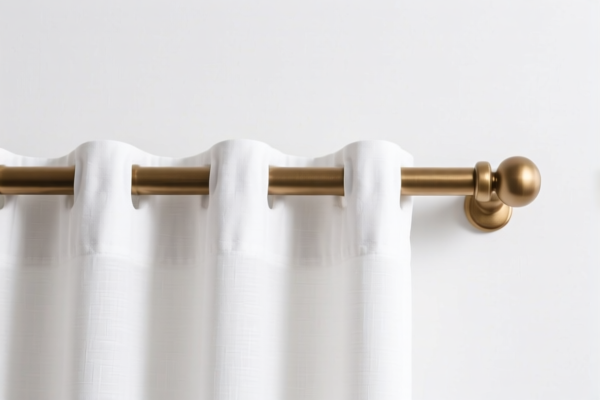
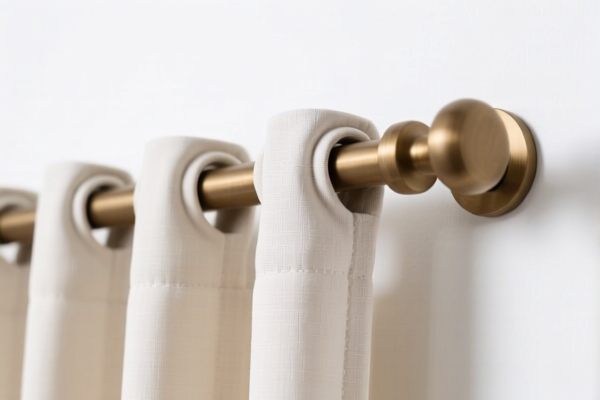
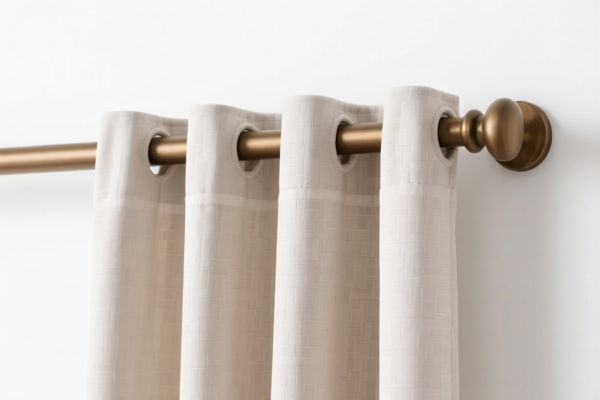
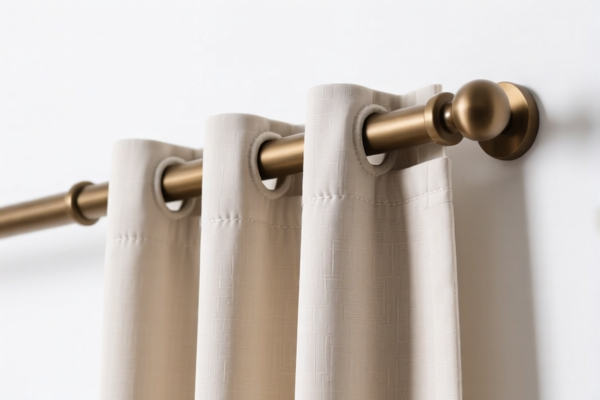
AI分析
🧵 Curtain Cord (Curtain Tie-Backs & Pull Cords)
🌐 HS Code Reference & Customs Clearance Guide | 2026 Latest Tariff Analysis | Professional-Level Entry Strategy
📌 I. Product Definition & Classification: Do You Really Understand "Curtain Cord"?
Curtain Cord, in international trade, is a versatile home textile accessory. Depending on its manufacturing technique, material composition, and specific use, it can be classified into two main categories:
Woven Narrow Woven Fabrics (Narrow Fabrics): Specifically woven narrow bands used for binding, fastening, or decorative purposes (e.g., high-density woven tie-backs).
Other Made-Up Textile Articles: Cord-like items, such as knitted/pulled cords, shoelace-like bands, or general trimmings not classified as narrow woven fabrics.
⚠️ Key Distinction Point:
- If it is a woven narrow fabric (typically < 30cm wide, with specific edge structures) → Classified under Chapter 58 (e.g.,5806.31.00.00).
- If it is a made-up article, cord, or trim not meeting the "narrow woven fabric" definition (e.g., knitted, braided, or simple cordage) → Classified under Chapter 63 (e.g.,6307.90.50.10).
📦 II. HS Code Classification Details (2026 Latest Tariff Authority对照)
| HS Code | Product Description | Application Scenario | Tax Rate (Total) | Tax Detail Breakdown |
|---|---|---|---|---|
5806.31.00.00 |
Cotton Narrow Woven Fabric, other than those of heading 5807 | Cotton curtain tie-backs, high-density woven bands | 43.8% | Base: 8.8%, Section 301: 25.0%, Section 122: 10% |
6307.90.50.10 |
Other made-up textile articles, including similar footwear uppers | Cotton tie-backs, shoelace-like bands, general trims | 17.5% | Base: 0.0%, Section 301: 7.5%, Section 122: 10% |
6307.90.40.10 |
Other made-up textile articles, including similar footwear uppers | Cotton cords, ropes, and similar textile items | 17.5% | Base: 0.0%, Section 301: 7.5%, Section 122: 10% |
5806.10.10.00 |
Woven pile fabrics and chenille fabrics, narrow | Cotton narrow woven fabrics, pile type | 42.8% | Base: 7.8%, Section 301: 25.0%, Section 122: 10% |
6303.19.21.10 |
Curtains, including drapes (knitted or crocheted) | Knitted or crocheted curtains (if classified as finished curtain) | 23.9% | Base: 6.4%, Section 301: 7.5%, Section 122: 10% |
🔍 Key Reminder:
- "Narrow Woven Fabric" (Chapter 58) carries a higher Section 301 tariff (25%) compared to "Other Made-Up Articles" (Chapter 63) (7.5%).
- Misclassification is the biggest risk: A woven band declared as a "cord" to save 17.5% tax (25% vs 7.5%) will trigger severe penalties.
- Section 122 Tariff (10%) applies to all these goods from China to the US, regardless of HS Code.
💰 III. 2026 Latest Tariff Rate Details (Including Surcharges)
✅ Applicable Country: United States (US)
✅ Country of Origin: China (CN)
✅ Effective Time: Current rates apply (Section 301 and Section 122 are active)
🎯 1. 5806.31.00.00 – Cotton Narrow Woven Fabric
| Item | Content |
|---|---|
| Base Tariff Rate | 8.8% (ad valorem) |
| USITC Additional Tariff (Section 301) | +25% |
| Section 122 Additional Tariff | +10% |
| Total Tariff Rate | 43.8% |
| Tax Calculation | CIF Value × 43.8% |
| De Minimis Exemption | ❌ Not Applicable (Section 301 tariffs void de minimis benefits for most goods) |
| Legal Basis Path | USITC:5806.31.00.00 → FOOTNOTE:9903.88.01 (Section 301) → IEEPA:Section 122 |
📌 Explanation:
- The 25% Section 301 tariff is a heavy burden on woven textile accessories.
- The 10% Section 122 tariff is an additional punitive measure for specific imports.
- Total 43.8% is extremely high. Importers must be cautious.
🎯 2. 6307.90.50.10 & 6307.90.40.10 – Other Made-Up Textile Articles
| Item | Content |
|---|---|
| Base Tariff Rate | 0.0% |
| USITC Additional Tariff (Section 301) | +7.5% |
| Section 122 Additional Tariff | +10% |
| Total Tariff Rate | 17.5% |
| Tax Calculation | CIF Value × 17.5% |
| De Minimis Exemption | ❌ Not Applicable (Section 301 tariffs void de minimis benefits) |
| Legal Basis Path | USITC:6307.90.50.10 → FOOTNOTE:9903.88.01 (Section 301) → IEEPA:Section 122 |
📌 Note:
- These codes benefit from a lower Section 301 rate (7.5% vs 25%).
- If the product is correctly classified as a "made-up article" or "cord" rather than a "narrow woven fabric," savings can be up to 26.3% (43.8% - 17.5%).
- Crucial: The product must genuinely fit the definition of "cord" or "made-up article" (e.g., braided, knitted, or not having the specific edge structure of narrow woven fabrics).
🎯 3. 6303.19.21.10 – Knitted Curtains
| Item | Content |
|---|---|
| Base Tariff Rate | 6.4% |
| USITC Additional Tariff (Section 301) | +7.5% |
| Section 122 Additional Tariff | +10% |
| Total Tariff Rate | 23.9% |
| Tax Calculation | CIF Value × 23.9% |
| De Minimis Exemption | ❌ Not Applicable |
| Legal Basis Path | USITC:6303.19.21.10 → FOOTNOTE:9903.88.01 (Section 301) → IEEPA:Section 122 |
📌 Note:
- Only applicable if the "curtain cord" is actually a finished knitted curtain.
- If it is just a cord/tying strip, this code is incorrect.
🛠️ IV. Customs Clearance Practical Advice (Battle-Tested Pitfall Avoidance)
✅ 1. Required Documents Checklist
| Document | Mandatory? | Description |
|---|---|---|
| ✅ Product Specification Sheet | ✔️ | Material composition (100% Cotton?), width, weight, manufacturing method (woven vs. knitted/braided). |
| ✅ Product Photos | ✔️ | Clear images of the edge structure (critical for distinguishing narrow woven fabrics) and overall shape. |
| ✅ Commercial Invoice | ✔️ | Accurately describe as "Cotton Curtain Tie-Backs" or "Cotton Textile Cords," not just "Curtains." |
| ✅ Packing List | ✔️ | Detail net/gross weight, dimensions. |
| ✅ Manufacturing Process Description | ✔️ | Explain how it is made (e.g., "woven on narrow loom" vs. "braided"). This is key for HS Code determination. |
✅ 2. Declaration Tips (Key Mantra)
🔥 "Woven vs. Made-Up: Check the Edge! Base Tariff 0% or 8%, Don't Guess!"
| Scenario | Correct HS Code | Incorrect Practice |
|---|---|---|
| Woven narrow band with specific edges | 5806.31.00.00 |
Declare as "cord" to get 17.5% → Penalty for misclassification |
| Braided/Knitted cord or simple tie-back | 6307.90.50.10 |
Declare as "narrow fabric" → Pay 43.8% unnecessarily |
| Finished knitted curtain | 6303.19.21.10 |
Declare as "cord" → Potential rejection or reclassification |
| Cotton Pile Narrow Fabric | 5806.10.10.00 |
Ignore edge type → 42.8% Tax |
✅ 3. Special Cases
| Situation | Handling Advice |
|---|---|
| Mixed Materials | If not 100% cotton, the HS Code may change (e.g., synthetic fibers). Verify material composition strictly. |
| Set with Curtain Rods | If sold as a set with rods, the set may be classified by the rod (metal/glass) or by essential character. Consult customs ruling. |
| Customs Ruling (Pre-Ruling) | Highly recommended for large volumes. Apply for a US Customs Ruling to confirm if your product is "narrow woven fabric" or "made-up article." |
🌍 V. Global Market Comparison (2026 Latest)
| Country/Region | Recommended HS Code | Tariff (China Origin) | Certification | Notes |
|---|---|---|---|---|
| 🇺🇸 USA | 6307.90.50.10 (if cord) |
17.5% | No special certs | Avoid 5806 if possible due to 25% surcharge. |
| 🇨🇳 China | 6307.90.50.10 |
5-10% | None | Domestic trade low tax. |
| 🇪🇺 EU | 5806.31.00 or 6307.90 |
0-4% (depending on FTA) | CE (if functional) | No Section 301/122 equivalent. |
| 🇦🇺 Australia | 6307.90.50.10 |
5% | None | Standard import tariff. |
📌 Conclusion:
- The US is the most challenging market due to Section 301 (25% vs 7.5%) and Section 122 (10%).
- Optimization Strategy: If your product design allows, consider braided or knitted structures to qualify for Chapter 63 (17.5%) instead of Chapter 58 (43.8%).
- Consult a Customs Broker: Determine the exact manufacturing process to ensure correct classification.
📌 VI. Common Errors & Pitfalls (Blood-Teaching Lessons)
❌ Error 1: Declaring a woven narrow fabric as a "cord" to avoid the 25% Section 301 tariff.
👉 Consequence: Customs may classify it as 5806.31.00.00 and levy 43.8%, plus penalties for misdeclaration.
❌ Error 2: Ignoring Section 122 (10%).
👉 Consequence: Even if you secure the lower 7.5% Section 301 rate, you still pay 10% under Section 122. Total 17.5%.
❌ Error 3: Misidentifying "Narrow Woven Fabric".
👉 Consequence: Many tie-backs look like cords but are technically narrow woven fabrics. If in doubt, provide photos of the edge structure to your customs broker.
✅ Correct Action:
"100% Cotton Braided Curtain Tie-Backs, Width: 2cm, Made by Braiding Method, Not Woven."
🎯 VII. Conclusion: Professional Declaration, Cost Saving!
🎯 Remember the Mantra:
🔹 "Woven Narrow = 43.8% (High Risk); Braided/Cord = 17.5% (Optimal Choice)."
🔹 "Check the Edge, Check the Process, Don't Guess the HS Code!"
📌 Pro Tip:
If your product is 100% cotton, compare the manufacturing cost of "woven" vs. "braided." If the price difference is small, braided may save you 26.3% in US tariffs.
Always request a US Customs Ruling before large shipments to secure legal protection.
📣 Immediate Action:
📞 Contact a licensed US Customs Broker.
📄 Provide detailed photos of the product edge and manufacturing process.
🚀 Optimize your supply chain, reduce tax burden, and ensure smooth customs clearance!
✨ Professional Customs Clearance Starts with Accurate Classification!
💼 Every percent of tax savings adds to your profit margin!
用户评价
关于 HS 编码归类
协调制度(HS)是由世界海关组织(WCO)制定的国际贸易商品分类标准。全球 200 多个国家采用 HS 系统作为海关关税、贸易统计和进出口监管的基础。
每个 HS 编码遵循以下层级结构:
- 章(2 位)——商品大类(例如:第 84 章:机器和机械设备)
- 品目(4 位)——章内的更具体分类
- 子目(6 位)——国际通用细分,所有 WCO 成员国统一使用
- 本国细分(8-10 位)——各国自行扩展的细分编码,如美国 HTSUS 10 位编码
正确的 HS 编码归类对于顺利通关、准确缴纳关税和遵守贸易法规至关重要。错误归类可能导致海关延误、多缴关税或罚款。
从CN进口到US时,适用的关税税率可能包括:
- 最惠国(MFN)税率——适用于 WTO 成员国的标准关税税率
- 普通税率——适用于无贸易协定国家
- 贸易救济关税——附加关税,如 301 条款(反倾销)、232 条款(国家安全)或反补贴税
本页内容仅供参考。如需正式归类,请咨询当地海关或持牌报关代理。