Curtain Cord
CN → US| HS Code | Tariff Rate | Origin | Destination | Doc |
|---|---|---|---|---|
| 5806310000 | 43.8% | CN | US | Official Doc |
| 6307905010 | 17.5% | CN | US | Official Doc |
| 6307904010 | 17.5% | CN | US | Official Doc |
| 5806101000 | 42.8% | CN | US | Official Doc |
| 6303192110 | 23.9% | CN | US | Official Doc |
Product Images
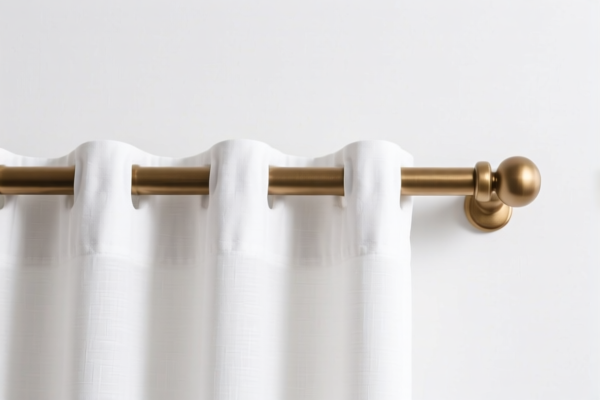
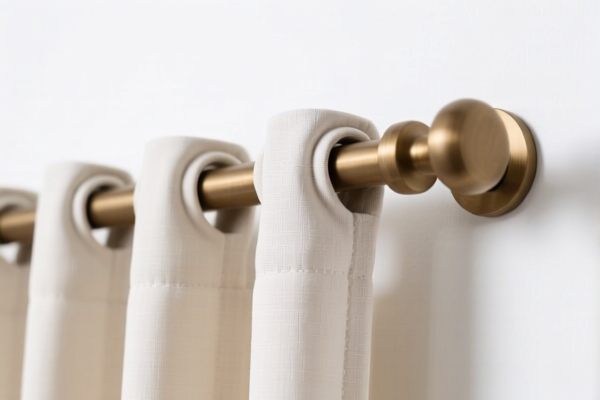
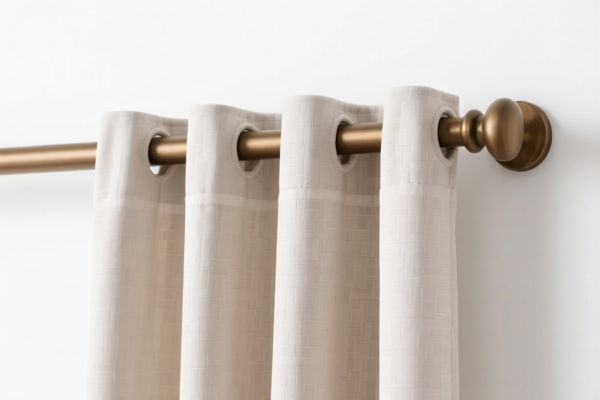
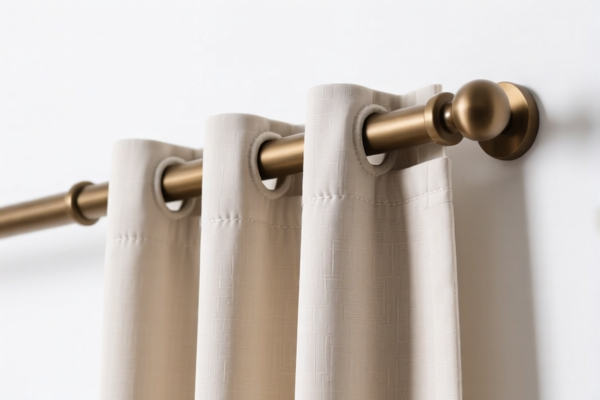
AI Analysis
🧵 Curtain Cord (Curtain Tie-Backs & Pull Cords)
🌐 HS Code Reference & Customs Clearance Guide | 2026 Latest Tariff Analysis | Professional-Level Entry Strategy
📌 I. Product Definition & Classification: Do You Really Understand "Curtain Cord"?
Curtain Cord, in international trade, is a versatile home textile accessory. Depending on its manufacturing technique, material composition, and specific use, it can be classified into two main categories:
Woven Narrow Woven Fabrics (Narrow Fabrics): Specifically woven narrow bands used for binding, fastening, or decorative purposes (e.g., high-density woven tie-backs).
Other Made-Up Textile Articles: Cord-like items, such as knitted/pulled cords, shoelace-like bands, or general trimmings not classified as narrow woven fabrics.
⚠️ Key Distinction Point:
- If it is a woven narrow fabric (typically < 30cm wide, with specific edge structures) → Classified under Chapter 58 (e.g.,5806.31.00.00).
- If it is a made-up article, cord, or trim not meeting the "narrow woven fabric" definition (e.g., knitted, braided, or simple cordage) → Classified under Chapter 63 (e.g.,6307.90.50.10).
📦 II. HS Code Classification Details (2026 Latest Tariff Authority对照)
| HS Code | Product Description | Application Scenario | Tax Rate (Total) | Tax Detail Breakdown |
|---|---|---|---|---|
5806.31.00.00 |
Cotton Narrow Woven Fabric, other than those of heading 5807 | Cotton curtain tie-backs, high-density woven bands | 43.8% | Base: 8.8%, Section 301: 25.0%, Section 122: 10% |
6307.90.50.10 |
Other made-up textile articles, including similar footwear uppers | Cotton tie-backs, shoelace-like bands, general trims | 17.5% | Base: 0.0%, Section 301: 7.5%, Section 122: 10% |
6307.90.40.10 |
Other made-up textile articles, including similar footwear uppers | Cotton cords, ropes, and similar textile items | 17.5% | Base: 0.0%, Section 301: 7.5%, Section 122: 10% |
5806.10.10.00 |
Woven pile fabrics and chenille fabrics, narrow | Cotton narrow woven fabrics, pile type | 42.8% | Base: 7.8%, Section 301: 25.0%, Section 122: 10% |
6303.19.21.10 |
Curtains, including drapes (knitted or crocheted) | Knitted or crocheted curtains (if classified as finished curtain) | 23.9% | Base: 6.4%, Section 301: 7.5%, Section 122: 10% |
🔍 Key Reminder:
- "Narrow Woven Fabric" (Chapter 58) carries a higher Section 301 tariff (25%) compared to "Other Made-Up Articles" (Chapter 63) (7.5%).
- Misclassification is the biggest risk: A woven band declared as a "cord" to save 17.5% tax (25% vs 7.5%) will trigger severe penalties.
- Section 122 Tariff (10%) applies to all these goods from China to the US, regardless of HS Code.
💰 III. 2026 Latest Tariff Rate Details (Including Surcharges)
✅ Applicable Country: United States (US)
✅ Country of Origin: China (CN)
✅ Effective Time: Current rates apply (Section 301 and Section 122 are active)
🎯 1. 5806.31.00.00 – Cotton Narrow Woven Fabric
| Item | Content |
|---|---|
| Base Tariff Rate | 8.8% (ad valorem) |
| USITC Additional Tariff (Section 301) | +25% |
| Section 122 Additional Tariff | +10% |
| Total Tariff Rate | 43.8% |
| Tax Calculation | CIF Value × 43.8% |
| De Minimis Exemption | ❌ Not Applicable (Section 301 tariffs void de minimis benefits for most goods) |
| Legal Basis Path | USITC:5806.31.00.00 → FOOTNOTE:9903.88.01 (Section 301) → IEEPA:Section 122 |
📌 Explanation:
- The 25% Section 301 tariff is a heavy burden on woven textile accessories.
- The 10% Section 122 tariff is an additional punitive measure for specific imports.
- Total 43.8% is extremely high. Importers must be cautious.
🎯 2. 6307.90.50.10 & 6307.90.40.10 – Other Made-Up Textile Articles
| Item | Content |
|---|---|
| Base Tariff Rate | 0.0% |
| USITC Additional Tariff (Section 301) | +7.5% |
| Section 122 Additional Tariff | +10% |
| Total Tariff Rate | 17.5% |
| Tax Calculation | CIF Value × 17.5% |
| De Minimis Exemption | ❌ Not Applicable (Section 301 tariffs void de minimis benefits) |
| Legal Basis Path | USITC:6307.90.50.10 → FOOTNOTE:9903.88.01 (Section 301) → IEEPA:Section 122 |
📌 Note:
- These codes benefit from a lower Section 301 rate (7.5% vs 25%).
- If the product is correctly classified as a "made-up article" or "cord" rather than a "narrow woven fabric," savings can be up to 26.3% (43.8% - 17.5%).
- Crucial: The product must genuinely fit the definition of "cord" or "made-up article" (e.g., braided, knitted, or not having the specific edge structure of narrow woven fabrics).
🎯 3. 6303.19.21.10 – Knitted Curtains
| Item | Content |
|---|---|
| Base Tariff Rate | 6.4% |
| USITC Additional Tariff (Section 301) | +7.5% |
| Section 122 Additional Tariff | +10% |
| Total Tariff Rate | 23.9% |
| Tax Calculation | CIF Value × 23.9% |
| De Minimis Exemption | ❌ Not Applicable |
| Legal Basis Path | USITC:6303.19.21.10 → FOOTNOTE:9903.88.01 (Section 301) → IEEPA:Section 122 |
📌 Note:
- Only applicable if the "curtain cord" is actually a finished knitted curtain.
- If it is just a cord/tying strip, this code is incorrect.
🛠️ IV. Customs Clearance Practical Advice (Battle-Tested Pitfall Avoidance)
✅ 1. Required Documents Checklist
| Document | Mandatory? | Description |
|---|---|---|
| ✅ Product Specification Sheet | ✔️ | Material composition (100% Cotton?), width, weight, manufacturing method (woven vs. knitted/braided). |
| ✅ Product Photos | ✔️ | Clear images of the edge structure (critical for distinguishing narrow woven fabrics) and overall shape. |
| ✅ Commercial Invoice | ✔️ | Accurately describe as "Cotton Curtain Tie-Backs" or "Cotton Textile Cords," not just "Curtains." |
| ✅ Packing List | ✔️ | Detail net/gross weight, dimensions. |
| ✅ Manufacturing Process Description | ✔️ | Explain how it is made (e.g., "woven on narrow loom" vs. "braided"). This is key for HS Code determination. |
✅ 2. Declaration Tips (Key Mantra)
🔥 "Woven vs. Made-Up: Check the Edge! Base Tariff 0% or 8%, Don't Guess!"
| Scenario | Correct HS Code | Incorrect Practice |
|---|---|---|
| Woven narrow band with specific edges | 5806.31.00.00 |
Declare as "cord" to get 17.5% → Penalty for misclassification |
| Braided/Knitted cord or simple tie-back | 6307.90.50.10 |
Declare as "narrow fabric" → Pay 43.8% unnecessarily |
| Finished knitted curtain | 6303.19.21.10 |
Declare as "cord" → Potential rejection or reclassification |
| Cotton Pile Narrow Fabric | 5806.10.10.00 |
Ignore edge type → 42.8% Tax |
✅ 3. Special Cases
| Situation | Handling Advice |
|---|---|
| Mixed Materials | If not 100% cotton, the HS Code may change (e.g., synthetic fibers). Verify material composition strictly. |
| Set with Curtain Rods | If sold as a set with rods, the set may be classified by the rod (metal/glass) or by essential character. Consult customs ruling. |
| Customs Ruling (Pre-Ruling) | Highly recommended for large volumes. Apply for a US Customs Ruling to confirm if your product is "narrow woven fabric" or "made-up article." |
🌍 V. Global Market Comparison (2026 Latest)
| Country/Region | Recommended HS Code | Tariff (China Origin) | Certification | Notes |
|---|---|---|---|---|
| 🇺🇸 USA | 6307.90.50.10 (if cord) |
17.5% | No special certs | Avoid 5806 if possible due to 25% surcharge. |
| 🇨🇳 China | 6307.90.50.10 |
5-10% | None | Domestic trade low tax. |
| 🇪🇺 EU | 5806.31.00 or 6307.90 |
0-4% (depending on FTA) | CE (if functional) | No Section 301/122 equivalent. |
| 🇦🇺 Australia | 6307.90.50.10 |
5% | None | Standard import tariff. |
📌 Conclusion:
- The US is the most challenging market due to Section 301 (25% vs 7.5%) and Section 122 (10%).
- Optimization Strategy: If your product design allows, consider braided or knitted structures to qualify for Chapter 63 (17.5%) instead of Chapter 58 (43.8%).
- Consult a Customs Broker: Determine the exact manufacturing process to ensure correct classification.
📌 VI. Common Errors & Pitfalls (Blood-Teaching Lessons)
❌ Error 1: Declaring a woven narrow fabric as a "cord" to avoid the 25% Section 301 tariff.
👉 Consequence: Customs may classify it as 5806.31.00.00 and levy 43.8%, plus penalties for misdeclaration.
❌ Error 2: Ignoring Section 122 (10%).
👉 Consequence: Even if you secure the lower 7.5% Section 301 rate, you still pay 10% under Section 122. Total 17.5%.
❌ Error 3: Misidentifying "Narrow Woven Fabric".
👉 Consequence: Many tie-backs look like cords but are technically narrow woven fabrics. If in doubt, provide photos of the edge structure to your customs broker.
✅ Correct Action:
"100% Cotton Braided Curtain Tie-Backs, Width: 2cm, Made by Braiding Method, Not Woven."
🎯 VII. Conclusion: Professional Declaration, Cost Saving!
🎯 Remember the Mantra:
🔹 "Woven Narrow = 43.8% (High Risk); Braided/Cord = 17.5% (Optimal Choice)."
🔹 "Check the Edge, Check the Process, Don't Guess the HS Code!"
📌 Pro Tip:
If your product is 100% cotton, compare the manufacturing cost of "woven" vs. "braided." If the price difference is small, braided may save you 26.3% in US tariffs.
Always request a US Customs Ruling before large shipments to secure legal protection.
📣 Immediate Action:
📞 Contact a licensed US Customs Broker.
📄 Provide detailed photos of the product edge and manufacturing process.
🚀 Optimize your supply chain, reduce tax burden, and ensure smooth customs clearance!
✨ Professional Customs Clearance Starts with Accurate Classification!
💼 Every percent of tax savings adds to your profit margin!
Customer Reviews
About HS Code Classification
The Harmonized System (HS) is an internationally standardized nomenclature developed by the World Customs Organization (WCO) to classify traded products. Over 200 countries use the HS system as the basis for customs tariffs, trade statistics, and import/export regulations.
Each HS code follows a hierarchical structure:
- Chapter (2 digits) — Broad category of goods (e.g., Chapter 84: Machinery and Mechanical Appliances)
- Heading (4 digits) — More specific grouping within the chapter
- Subheading (6 digits) — Internationally standardized breakdown, used by all WCO member countries
- National subdivisions (8-10 digits) — Country-specific extensions for further classification, such as US HTSUS 10-digit codes
Correct HS code classification is essential for smooth customs clearance, accurate duty payment, and compliance with trade regulations. Misclassification can lead to customs delays, overpayment of duties, or penalties.
When importing from CN to US, the applicable tariff rates may include:
- Most-Favored-Nation (MFN) rate — The standard duty rate applied to WTO members
- General rate — Applied to countries without trade agreements
- Trade remedy duties — Additional tariffs such as Section 301 (anti-dumping), Section 232 (national security), or countervailing duties
The information provided on this page is for reference purposes only. For official classification, please consult with your local customs authority or a licensed customs broker.