Custom Synthetic Leather Accessories
CN → US| HS编码 | 关税税率 | 原产国 | 目的国 | 文档 |
|---|---|---|---|---|
| 3926903500 | 24.0% | CN | US | 官方文档 |
| 4202128980 | 52.6% | CN | US | 官方文档 |
| 5903102010 | 35.0% | CN | US | 官方文档 |
| 5903102090 | 35.0% | CN | US | 官方文档 |
| 3926903300 | 16.5% | CN | US | 官方文档 |
商品图片
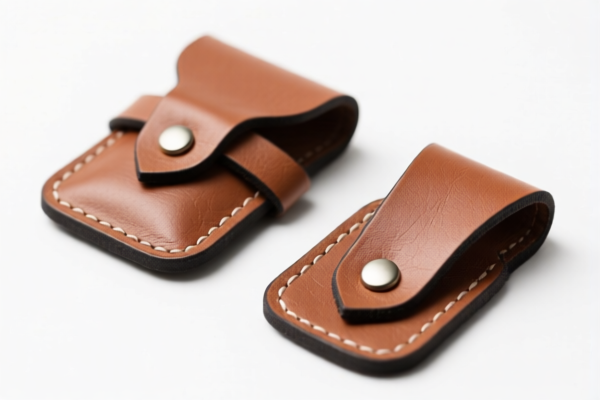
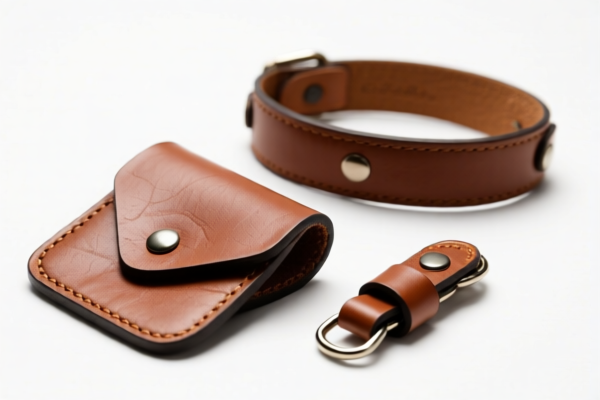
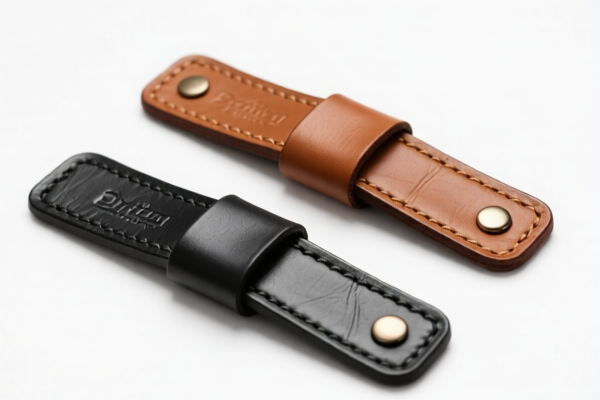
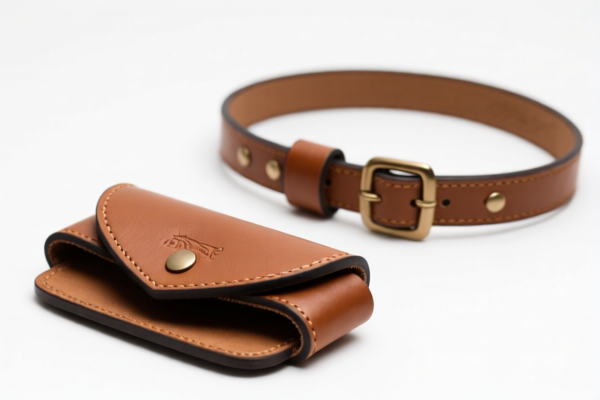
AI分析
🧵 Custom Synthetic Leather Accessories
🌐 HS Code Reference & Customs Clearance Guide | 2026 Latest Tariff Analysis | Strategic Clearance Strategy
📌 I. Product Definition & Classification: Do You Truly Understand "Synthetic Leather"?
Synthetic leather (artificial leather), primarily composed of plastic/resin materials (such as PVC or PU), is widely used in fashion accessories, automotive interiors, and industrial applications. In international trade, the classification hinges on two critical factors: Material Composition and Form/Function.
Key Distinction Logic: * Material Basis: Is it classified as a "Plastic Article" (Chapter 39) or an "Article of Leather/Textile" (Chapter 42)? * Functional Status: Is it a standalone material roll, or a specific part/component of a larger good (e.g., bag parts, shoe uppers)? * Regulatory Scrutiny: Under current US trade policies, synthetic leather items face significant "Section 301" and "Section 122" additional tariffs, making precise HS Code selection crucial for cost control.
⚠️ Critical Differentiation Point:
- If the item is primarily defined by its plastic/resin composition and serves as a general accessory → It may fall under Chapter 39 (Plastics).
- If the item is defined by its finished form (e.g., parts of bags, luggage, or apparel) and uses synthetic leather as a surface material → It likely falls under Chapter 42 (Articles of Leather; Travel Goods).
- Misclassification can lead to drastic duty rate differences (from 16.5% to 52.6%).
📦 II. HS Code Classification Details (2026 Latest Tariff Authority Comparison)
| HS Code | Product Description | Applicable Scenario | Material/Form Logic |
|---|---|---|---|
3926.90.35.00 |
Other articles of plastics, other: Parts/Accessories | General plastic/resin-based accessories where synthetic leather is treated as a plastic component | ✅ Plastic/Resin focus |
4202.12.89.80 |
Travel goods, handbags, etc.: With outer surface of sheeting of plastics or of plastic sheeting | Finished articles (bags/parts) where synthetic leather is the defining outer material | ✅ Finished Article focus |
5903.10.20.10 |
Textile fabrics impregnated/coated with PVC: Other, of man-made fiber | PVC-coated textile base; implies synthetic leather made on textile substrate | ✅ PVC-Coated Textile logic |
5903.10.20.90 |
Textile fabrics impregnated/coated with PVC: Other, N.E.S. | Fallback category for PVC-based synthetic materials not fitting specific textile codes | ✅ Fallback PVC logic |
3926.90.33.00 |
Other articles of plastics, other: Other | Plastic/resin accessories without Section 301 additional duties (if applicable) | ✅ Plastic focus (Lower Tax) |
🔍 Key Insight:
- Chapter 42 (4202.12.89.80) typically incurs the highest total tax burden due to the combination of base duty and Section 301 tariffs.
- Chapter 39 (3926.90.33.00) offers the most competitive rate if the product can be legally argued as a general plastic accessory rather than a specific article of leather/travel goods.
- Chapter 59 (5903.10.20.xx) is niche, applicable only if the product is structurally a textile fabric coated with PVC, not a solid plastic sheet.
💰 III. 2026 Latest Tariff Rate Breakdown (Including Surtaxes & Policy Add-ons)
✅ Applicable Country: United States (US)
✅ Country of Origin: China (CN)
✅ Effective Date: Post-2025 (Current Trade War Policies)
🎯 1. 3926.90.35.00 — Articles of Plastics, Other: Parts/Accessories
| Item | Details |
|---|---|
| Base Duty | 6.5% (Ad Valorem) |
| Section 301 Additional Duty | 7.5% |
| Section 122 Duty | 10% |
| Total Effective Rate | 24.0% |
| Tax Calculation | CIF Value × 24% |
| De Minimis Exemption | ❌ Not Eligible (Denied for this HTS under current rules) |
| Legal Pathway | Base: 6.5% → Sec 301: 7.5% → Sec 122: 10% |
📌 Explanation:
- This classification treats the accessory as a general plastic article.
- While it avoids the higher base duty of Chapter 42, it still attracts Section 301 and Section 122 surcharges.
- Strategy: Use this if the product is not specifically a "bag part" or "travel good" but a generic plastic-like component.
🎯 2. 4202.12.89.80 — Travel Goods/Handbags (Synthetic Leather Outer)
| Item | Details |
|---|---|
| Base Duty | 17.6% (Ad Valorem) |
| Section 301 Additional Duty | 25.0% |
| Section 122 Duty | 10% |
| Total Effective Rate | 52.6% |
| Tax Calculation | CIF Value × 52.6% |
| De Minimis Exemption | ❌ Not Eligible |
| Legal Pathway | Base: 17.6% → Sec 301: 25.0% → Sec 122: 10% |
📌 Warning:
- This is the highest tax bracket among the provided codes.
- It applies if customs authorities view the item as a part of "travel goods" or "articles of leather" (synthetic).
- Avoid this code unless strictly necessary, as it nearly triples the cost compared to the optimal plastic classification.
🎯 3. 5903.10.20.10 & 5903.10.20.90 — PVC-Coated Textile Fabrics
| Item | Details (Both Codes) |
|---|---|
| Base Duty | 0.0% (Ad Valorem) |
| Section 301 Additional Duty | 25.0% |
| Section 122 Duty | 10% |
| Total Effective Rate | 35.0% |
| Tax Calculation | CIF Value × 35.0% |
| De Minimis Exemption | ❌ Not Eligible |
| Legal Pathway | Base: 0.0% → Sec 301: 25.0% → Sec 122: 10% |
📌 Explanation:
- These codes have a 0% base duty, which seems attractive.
- However, the Section 301 rate is 25% (higher than the 7.5% in3926.90.35.00).
- Crucial Constraint: Only applicable if the product is technically a textile fabric coated with PVC, not a solid plastic sheet or molded accessory. Misusing this for non-fabric items leads to penalties.
🎯 4. 3926.90.33.00 — Articles of Plastics, Other: Other (Optimal Choice)
| Item | Details |
|---|---|
| Base Duty | 6.5% (Ad Valorem) |
| Section 301 Additional Duty | 0.0% |
| Section 122 Duty | 10% |
| Total Effective Rate | 16.5% |
| Tax Calculation | CIF Value × 16.5% |
| De Minimis Exemption | ❌ Not Eligible |
| Legal Pathway | Base: 6.5% → Sec 301: 0.0% → Sec 122: 10% |
📌 Why This is the Best Option:
- Lowest Total Tax (16.5%): By classifying as a general plastic article (3926.90.33.00), it avoids the Section 301 Additional Duty entirely.
- Logical Basis: If the synthetic leather accessory is not specifically a part of a bag/apparel (which triggers Chapter 42 or Sec 301 on 4202), but rather a general plastic product/component, this code is defensible.
- Risk: Must ensure the product does not meet the specific definition of "parts of travel goods" which would force it into4202.12.
🛠️ IV. Customs Clearance Practical Advice (Strategic Pitfall Guide)
✅ 1. Documentation Checklist (Mandatory)
| Document | Required | Description |
|---|---|---|
| ✅ Product Specification Sheet | ✔️ | Detail material: "PVC Coated Polyester" vs. "PU Synthetic Leather". Specify thickness, weight, and backing. |
| ✅ Material Test Report | ✔️ | Third-party lab report confirming material composition (e.g., % PVC, % Polyester). Crucial for 5903 vs 3926 argument. |
| ✅ Product Photos (Clear) | ✔️ | Show texture, backing, and any branding. Highlight that it is an accessory/component, not a finished bag. |
| ✅ Commercial Invoice | ✔️ | Description must be precise: e.g., "Synthetic Leather Accessory, Plastic-Based, Not Parts of Bags" for 3926. |
| ✅ Packing List | ✔️ | Include item count and dimensions. |
✅ 2. Declaration Strategy (Key Mantras)
🔥 “Plastic First, Section 301 Bypass: Define as General Plastic, Not Bag Part!”
| Scenario | Correct Declaration | Incorrect Declaration |
|---|---|---|
| Generic Accessory (e.g., keychain, strap, cover) | 3926.90.33.00Desc: "Plastic Accessory, Synthetic Leather Finish" |
4202.12.89.80Desc: "Synthetic Leather Part" → 52.6% |
| Bag Part (e.g., zipper pull, gusset) | 3926.90.33.00 (if defensible as plastic) OR 4202 |
5903.10.20.xx (if it's a solid part, not fabric) → 35% or higher |
| PVC Coated Fabric Roll | 5903.10.20.xx |
3926.90.33.00 (if it's clearly a fabricated accessory, not raw fabric) |
📌 Critical Note:
- To use3926.90.33.00(16.5%), you must argue that the item is a general article of plastic and not a part of a specific good in Chapter 42.
- Avoid words like "Bag Part," "Shoe Upper," or "Wallet Component" in the description if aiming for3926.90.33.00. Use neutral terms like "Synthetic Leather Accessory," "Decorative Strap," or "Plastic Component."
✅ 3. Special Case Handling
| Situation | Handling Advice |
|---|---|
| Hybrid Materials (Fabric + Plastic) | If >50% value is fabric, 5903 might apply. If >50% is plastic/resin, 3926 is better for tax. |
| Finished Bags | Must be 4202.12.89.80. No avoidance possible. |
| Raw Material Rolls | Use 5903.10.20.xx (35%) if PVC-coated fabric. |
| Pre-Ruling | Strongly Recommended: File for an Advance Ruling with US CBP for 3926.90.33.00 to lock in the 16.5% rate and avoid post-clearance audits. |
🌍 V. Global Market Comparison (2026 Latest)
| Country/Region | Recommended HS Code | Total Tax (US Origin) | Certification | Notes |
|---|---|---|---|---|
| 🇺🇸 USA | 3926.90.33.00 |
16.5% | None specific | Lowest US Tax. Avoid 4202 (52.6%). |
| 🇨🇳 China | 3926.90.33.00 |
~5-10% (Import) | CCC (if applicable) | Lower base duty, no Sec 301. |
| 🇪🇺 EU | 3926.90.33.00 |
0-6.5% | REACH, RoHS | No Section 301/122 equivalent. |
| 🇬🇧 UK | 3926.90.33.00 |
0-6.5% | UKCA | Post-Brexit tariff regime applies. |
📌 Conclusion:
- The US market is the most hostile to synthetic leather imports due to Section 301 and 122 tariffs.
- Strategic Goal: Classify as3926.90.33.00(16.5%) rather than4202.12.89.80(52.6%).
- Key: Emphasize the plastic/resin nature of the product and its status as a general accessory rather than a part of a travel good.
📌 VI. Common Errors & Pitfalls (Blood Lessons)
❌ Mistake 1: Describing the item as "Bag Part" while declaring 3926.90.33.00.
👉 Consequence: Customs rejects the 16.5% rate, reclassifies to 4202.12.89.80 → Pay 52.6% + penalties!
❌ Mistake 2: Using 5903.10.20.10 (35%) for a solid plastic accessory.
👉 Consequence: Customs rejects it as "not a textile fabric" → Returns to 3926 but adds 25% Sec 301 → Total 35% vs 16.5%. Loss of savings.
❌ Mistake 3: Ignoring Section 122 Duty.
👉 Consequence: All codes above include a 10% Section 122 duty. Failure to budget for this leads to cash flow issues.
✅ Correct Approach:
"Synthetic Leather Trim, PVC-Based, General Purpose Accessory, Not for Use as Parts of Bags or Luggage. Model: XYZ."
🎯 VII. Conclusion: Precise Classification Saves Millions!
🎯 Remember the Mantra:
🔹 "Plastic General, No 301: 3926.33, 16.5% Win!"
🔹 "Bag Part Trap: 4202.89, 52.6% Loss! Run Away!"
🔹 "Fabric PVC: 5903.20, 35.0% Middle Ground."
📌 Pro Tip:
- If your synthetic leather accessory can be legally argued as a general plastic product (e.g., decorative trim, non-specific strap), always aim for 3926.90.33.00.
- File an Advance Ruling with US Customs and Border Protection (CBP) before shipping large volumes.
- Ensure your marketing materials do not describe the product as "parts of bags" if you are using 3926.90.33.00.
📣 Immediate Action:
📞 Consult a licensed customs broker for an Advance Ruling.
📄 Prepare Material Test Reports proving PVC/Plastic composition.
🚀 Optimize your HS Code to3926.90.33.00and save 36% in duties!
✨ Professional Clearance Starts with Precise Classification!
💼 Every Percent Saved is Pure Profit!
用户评价
关于 HS 编码归类
协调制度(HS)是由世界海关组织(WCO)制定的国际贸易商品分类标准。全球 200 多个国家采用 HS 系统作为海关关税、贸易统计和进出口监管的基础。
每个 HS 编码遵循以下层级结构:
- 章(2 位)——商品大类(例如:第 84 章:机器和机械设备)
- 品目(4 位)——章内的更具体分类
- 子目(6 位)——国际通用细分,所有 WCO 成员国统一使用
- 本国细分(8-10 位)——各国自行扩展的细分编码,如美国 HTSUS 10 位编码
正确的 HS 编码归类对于顺利通关、准确缴纳关税和遵守贸易法规至关重要。错误归类可能导致海关延误、多缴关税或罚款。
从CN进口到US时,适用的关税税率可能包括:
- 最惠国(MFN)税率——适用于 WTO 成员国的标准关税税率
- 普通税率——适用于无贸易协定国家
- 贸易救济关税——附加关税,如 301 条款(反倾销)、232 条款(国家安全)或反补贴税
本页内容仅供参考。如需正式归类,请咨询当地海关或持牌报关代理。