Custom Synthetic Leather Accessories
CN → US| HS Code | Tariff Rate | Origin | Destination | Doc |
|---|---|---|---|---|
| 3926903500 | 24.0% | CN | US | Official Doc |
| 4202128980 | 52.6% | CN | US | Official Doc |
| 5903102010 | 35.0% | CN | US | Official Doc |
| 5903102090 | 35.0% | CN | US | Official Doc |
| 3926903300 | 16.5% | CN | US | Official Doc |
Product Images
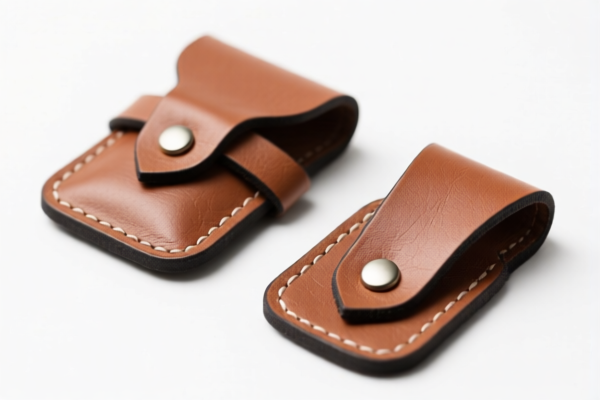
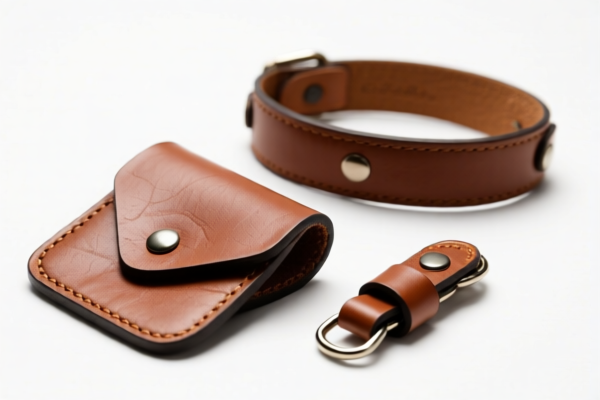
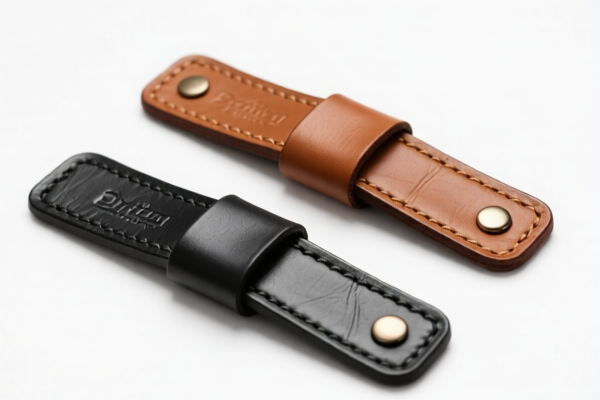
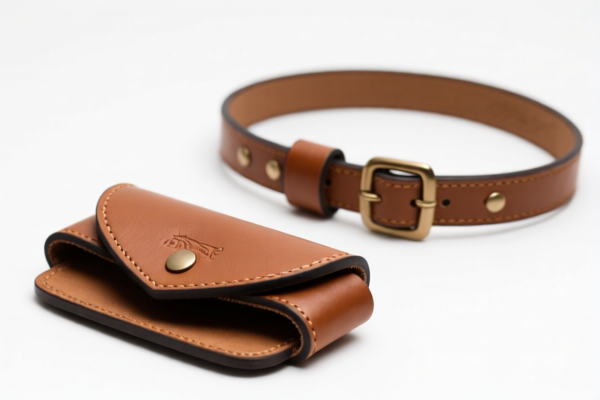
AI Analysis
🧵 Custom Synthetic Leather Accessories
🌐 HS Code Reference & Customs Clearance Guide | 2026 Latest Tariff Analysis | Strategic Clearance Strategy
📌 I. Product Definition & Classification: Do You Truly Understand "Synthetic Leather"?
Synthetic leather (artificial leather), primarily composed of plastic/resin materials (such as PVC or PU), is widely used in fashion accessories, automotive interiors, and industrial applications. In international trade, the classification hinges on two critical factors: Material Composition and Form/Function.
Key Distinction Logic: * Material Basis: Is it classified as a "Plastic Article" (Chapter 39) or an "Article of Leather/Textile" (Chapter 42)? * Functional Status: Is it a standalone material roll, or a specific part/component of a larger good (e.g., bag parts, shoe uppers)? * Regulatory Scrutiny: Under current US trade policies, synthetic leather items face significant "Section 301" and "Section 122" additional tariffs, making precise HS Code selection crucial for cost control.
⚠️ Critical Differentiation Point:
- If the item is primarily defined by its plastic/resin composition and serves as a general accessory → It may fall under Chapter 39 (Plastics).
- If the item is defined by its finished form (e.g., parts of bags, luggage, or apparel) and uses synthetic leather as a surface material → It likely falls under Chapter 42 (Articles of Leather; Travel Goods).
- Misclassification can lead to drastic duty rate differences (from 16.5% to 52.6%).
📦 II. HS Code Classification Details (2026 Latest Tariff Authority Comparison)
| HS Code | Product Description | Applicable Scenario | Material/Form Logic |
|---|---|---|---|
3926.90.35.00 |
Other articles of plastics, other: Parts/Accessories | General plastic/resin-based accessories where synthetic leather is treated as a plastic component | ✅ Plastic/Resin focus |
4202.12.89.80 |
Travel goods, handbags, etc.: With outer surface of sheeting of plastics or of plastic sheeting | Finished articles (bags/parts) where synthetic leather is the defining outer material | ✅ Finished Article focus |
5903.10.20.10 |
Textile fabrics impregnated/coated with PVC: Other, of man-made fiber | PVC-coated textile base; implies synthetic leather made on textile substrate | ✅ PVC-Coated Textile logic |
5903.10.20.90 |
Textile fabrics impregnated/coated with PVC: Other, N.E.S. | Fallback category for PVC-based synthetic materials not fitting specific textile codes | ✅ Fallback PVC logic |
3926.90.33.00 |
Other articles of plastics, other: Other | Plastic/resin accessories without Section 301 additional duties (if applicable) | ✅ Plastic focus (Lower Tax) |
🔍 Key Insight:
- Chapter 42 (4202.12.89.80) typically incurs the highest total tax burden due to the combination of base duty and Section 301 tariffs.
- Chapter 39 (3926.90.33.00) offers the most competitive rate if the product can be legally argued as a general plastic accessory rather than a specific article of leather/travel goods.
- Chapter 59 (5903.10.20.xx) is niche, applicable only if the product is structurally a textile fabric coated with PVC, not a solid plastic sheet.
💰 III. 2026 Latest Tariff Rate Breakdown (Including Surtaxes & Policy Add-ons)
✅ Applicable Country: United States (US)
✅ Country of Origin: China (CN)
✅ Effective Date: Post-2025 (Current Trade War Policies)
🎯 1. 3926.90.35.00 — Articles of Plastics, Other: Parts/Accessories
| Item | Details |
|---|---|
| Base Duty | 6.5% (Ad Valorem) |
| Section 301 Additional Duty | 7.5% |
| Section 122 Duty | 10% |
| Total Effective Rate | 24.0% |
| Tax Calculation | CIF Value × 24% |
| De Minimis Exemption | ❌ Not Eligible (Denied for this HTS under current rules) |
| Legal Pathway | Base: 6.5% → Sec 301: 7.5% → Sec 122: 10% |
📌 Explanation:
- This classification treats the accessory as a general plastic article.
- While it avoids the higher base duty of Chapter 42, it still attracts Section 301 and Section 122 surcharges.
- Strategy: Use this if the product is not specifically a "bag part" or "travel good" but a generic plastic-like component.
🎯 2. 4202.12.89.80 — Travel Goods/Handbags (Synthetic Leather Outer)
| Item | Details |
|---|---|
| Base Duty | 17.6% (Ad Valorem) |
| Section 301 Additional Duty | 25.0% |
| Section 122 Duty | 10% |
| Total Effective Rate | 52.6% |
| Tax Calculation | CIF Value × 52.6% |
| De Minimis Exemption | ❌ Not Eligible |
| Legal Pathway | Base: 17.6% → Sec 301: 25.0% → Sec 122: 10% |
📌 Warning:
- This is the highest tax bracket among the provided codes.
- It applies if customs authorities view the item as a part of "travel goods" or "articles of leather" (synthetic).
- Avoid this code unless strictly necessary, as it nearly triples the cost compared to the optimal plastic classification.
🎯 3. 5903.10.20.10 & 5903.10.20.90 — PVC-Coated Textile Fabrics
| Item | Details (Both Codes) |
|---|---|
| Base Duty | 0.0% (Ad Valorem) |
| Section 301 Additional Duty | 25.0% |
| Section 122 Duty | 10% |
| Total Effective Rate | 35.0% |
| Tax Calculation | CIF Value × 35.0% |
| De Minimis Exemption | ❌ Not Eligible |
| Legal Pathway | Base: 0.0% → Sec 301: 25.0% → Sec 122: 10% |
📌 Explanation:
- These codes have a 0% base duty, which seems attractive.
- However, the Section 301 rate is 25% (higher than the 7.5% in3926.90.35.00).
- Crucial Constraint: Only applicable if the product is technically a textile fabric coated with PVC, not a solid plastic sheet or molded accessory. Misusing this for non-fabric items leads to penalties.
🎯 4. 3926.90.33.00 — Articles of Plastics, Other: Other (Optimal Choice)
| Item | Details |
|---|---|
| Base Duty | 6.5% (Ad Valorem) |
| Section 301 Additional Duty | 0.0% |
| Section 122 Duty | 10% |
| Total Effective Rate | 16.5% |
| Tax Calculation | CIF Value × 16.5% |
| De Minimis Exemption | ❌ Not Eligible |
| Legal Pathway | Base: 6.5% → Sec 301: 0.0% → Sec 122: 10% |
📌 Why This is the Best Option:
- Lowest Total Tax (16.5%): By classifying as a general plastic article (3926.90.33.00), it avoids the Section 301 Additional Duty entirely.
- Logical Basis: If the synthetic leather accessory is not specifically a part of a bag/apparel (which triggers Chapter 42 or Sec 301 on 4202), but rather a general plastic product/component, this code is defensible.
- Risk: Must ensure the product does not meet the specific definition of "parts of travel goods" which would force it into4202.12.
🛠️ IV. Customs Clearance Practical Advice (Strategic Pitfall Guide)
✅ 1. Documentation Checklist (Mandatory)
| Document | Required | Description |
|---|---|---|
| ✅ Product Specification Sheet | ✔️ | Detail material: "PVC Coated Polyester" vs. "PU Synthetic Leather". Specify thickness, weight, and backing. |
| ✅ Material Test Report | ✔️ | Third-party lab report confirming material composition (e.g., % PVC, % Polyester). Crucial for 5903 vs 3926 argument. |
| ✅ Product Photos (Clear) | ✔️ | Show texture, backing, and any branding. Highlight that it is an accessory/component, not a finished bag. |
| ✅ Commercial Invoice | ✔️ | Description must be precise: e.g., "Synthetic Leather Accessory, Plastic-Based, Not Parts of Bags" for 3926. |
| ✅ Packing List | ✔️ | Include item count and dimensions. |
✅ 2. Declaration Strategy (Key Mantras)
🔥 “Plastic First, Section 301 Bypass: Define as General Plastic, Not Bag Part!”
| Scenario | Correct Declaration | Incorrect Declaration |
|---|---|---|
| Generic Accessory (e.g., keychain, strap, cover) | 3926.90.33.00Desc: "Plastic Accessory, Synthetic Leather Finish" |
4202.12.89.80Desc: "Synthetic Leather Part" → 52.6% |
| Bag Part (e.g., zipper pull, gusset) | 3926.90.33.00 (if defensible as plastic) OR 4202 |
5903.10.20.xx (if it's a solid part, not fabric) → 35% or higher |
| PVC Coated Fabric Roll | 5903.10.20.xx |
3926.90.33.00 (if it's clearly a fabricated accessory, not raw fabric) |
📌 Critical Note:
- To use3926.90.33.00(16.5%), you must argue that the item is a general article of plastic and not a part of a specific good in Chapter 42.
- Avoid words like "Bag Part," "Shoe Upper," or "Wallet Component" in the description if aiming for3926.90.33.00. Use neutral terms like "Synthetic Leather Accessory," "Decorative Strap," or "Plastic Component."
✅ 3. Special Case Handling
| Situation | Handling Advice |
|---|---|
| Hybrid Materials (Fabric + Plastic) | If >50% value is fabric, 5903 might apply. If >50% is plastic/resin, 3926 is better for tax. |
| Finished Bags | Must be 4202.12.89.80. No avoidance possible. |
| Raw Material Rolls | Use 5903.10.20.xx (35%) if PVC-coated fabric. |
| Pre-Ruling | Strongly Recommended: File for an Advance Ruling with US CBP for 3926.90.33.00 to lock in the 16.5% rate and avoid post-clearance audits. |
🌍 V. Global Market Comparison (2026 Latest)
| Country/Region | Recommended HS Code | Total Tax (US Origin) | Certification | Notes |
|---|---|---|---|---|
| 🇺🇸 USA | 3926.90.33.00 |
16.5% | None specific | Lowest US Tax. Avoid 4202 (52.6%). |
| 🇨🇳 China | 3926.90.33.00 |
~5-10% (Import) | CCC (if applicable) | Lower base duty, no Sec 301. |
| 🇪🇺 EU | 3926.90.33.00 |
0-6.5% | REACH, RoHS | No Section 301/122 equivalent. |
| 🇬🇧 UK | 3926.90.33.00 |
0-6.5% | UKCA | Post-Brexit tariff regime applies. |
📌 Conclusion:
- The US market is the most hostile to synthetic leather imports due to Section 301 and 122 tariffs.
- Strategic Goal: Classify as3926.90.33.00(16.5%) rather than4202.12.89.80(52.6%).
- Key: Emphasize the plastic/resin nature of the product and its status as a general accessory rather than a part of a travel good.
📌 VI. Common Errors & Pitfalls (Blood Lessons)
❌ Mistake 1: Describing the item as "Bag Part" while declaring 3926.90.33.00.
👉 Consequence: Customs rejects the 16.5% rate, reclassifies to 4202.12.89.80 → Pay 52.6% + penalties!
❌ Mistake 2: Using 5903.10.20.10 (35%) for a solid plastic accessory.
👉 Consequence: Customs rejects it as "not a textile fabric" → Returns to 3926 but adds 25% Sec 301 → Total 35% vs 16.5%. Loss of savings.
❌ Mistake 3: Ignoring Section 122 Duty.
👉 Consequence: All codes above include a 10% Section 122 duty. Failure to budget for this leads to cash flow issues.
✅ Correct Approach:
"Synthetic Leather Trim, PVC-Based, General Purpose Accessory, Not for Use as Parts of Bags or Luggage. Model: XYZ."
🎯 VII. Conclusion: Precise Classification Saves Millions!
🎯 Remember the Mantra:
🔹 "Plastic General, No 301: 3926.33, 16.5% Win!"
🔹 "Bag Part Trap: 4202.89, 52.6% Loss! Run Away!"
🔹 "Fabric PVC: 5903.20, 35.0% Middle Ground."
📌 Pro Tip:
- If your synthetic leather accessory can be legally argued as a general plastic product (e.g., decorative trim, non-specific strap), always aim for 3926.90.33.00.
- File an Advance Ruling with US Customs and Border Protection (CBP) before shipping large volumes.
- Ensure your marketing materials do not describe the product as "parts of bags" if you are using 3926.90.33.00.
📣 Immediate Action:
📞 Consult a licensed customs broker for an Advance Ruling.
📄 Prepare Material Test Reports proving PVC/Plastic composition.
🚀 Optimize your HS Code to3926.90.33.00and save 36% in duties!
✨ Professional Clearance Starts with Precise Classification!
💼 Every Percent Saved is Pure Profit!
Customer Reviews
About HS Code Classification
The Harmonized System (HS) is an internationally standardized nomenclature developed by the World Customs Organization (WCO) to classify traded products. Over 200 countries use the HS system as the basis for customs tariffs, trade statistics, and import/export regulations.
Each HS code follows a hierarchical structure:
- Chapter (2 digits) — Broad category of goods (e.g., Chapter 84: Machinery and Mechanical Appliances)
- Heading (4 digits) — More specific grouping within the chapter
- Subheading (6 digits) — Internationally standardized breakdown, used by all WCO member countries
- National subdivisions (8-10 digits) — Country-specific extensions for further classification, such as US HTSUS 10-digit codes
Correct HS code classification is essential for smooth customs clearance, accurate duty payment, and compliance with trade regulations. Misclassification can lead to customs delays, overpayment of duties, or penalties.
When importing from CN to US, the applicable tariff rates may include:
- Most-Favored-Nation (MFN) rate — The standard duty rate applied to WTO members
- General rate — Applied to countries without trade agreements
- Trade remedy duties — Additional tariffs such as Section 301 (anti-dumping), Section 232 (national security), or countervailing duties
The information provided on this page is for reference purposes only. For official classification, please consult with your local customs authority or a licensed customs broker.