Decals
CN → US| HS编码 | 关税税率 | 原产国 | 目的国 | 文档 |
|---|---|---|---|---|
| 3919905060 | 40.8% | CN | US | 官方文档 |
| 4821902000 | 35.0% | CN | US | 官方文档 |
| 4911914040 | 17.5% | CN | US | 官方文档 |
| 4911998000 | 17.5% | CN | US | 官方文档 |
| 3919102055 | 40.8% | CN | US | 官方文档 |
| 4821904000 | 35.0% | CN | US | 官方文档 |
商品图片
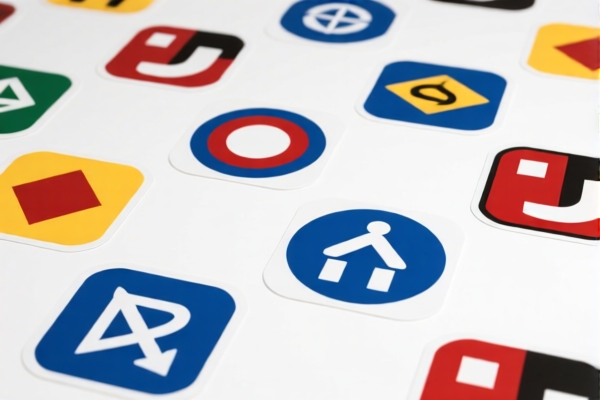
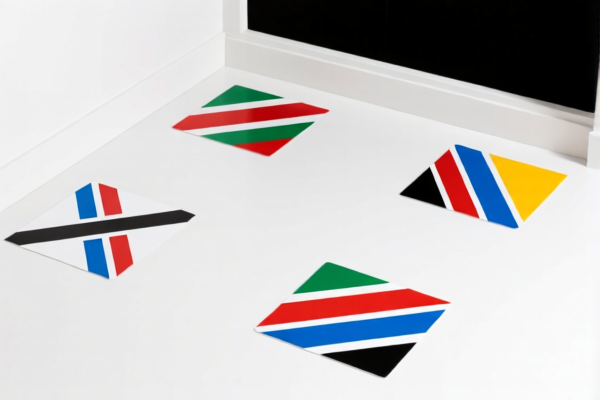
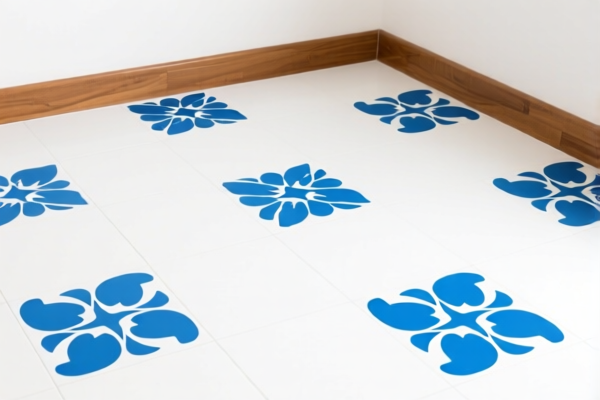
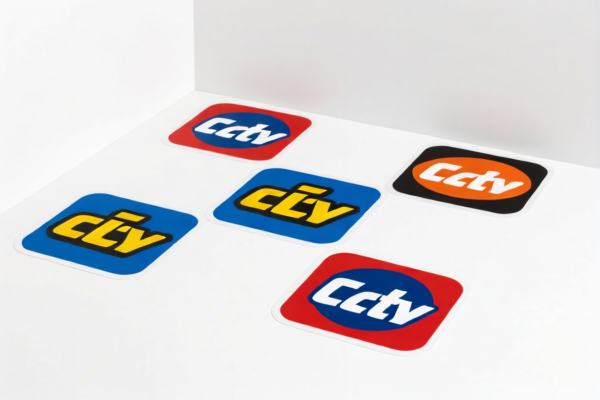
AI分析
🏷️ Decals (Stickers/Labels)
🌐 HS Code Reference & Customs Clearance Guide | 2026 Latest Tariff Full Analysis | Professional-Level Clearance Strategy
📌 I. Product Definition and Classification: Do You Really Understand “Decals”?
Decals, commonly known as stickers or labels, are flat, self-adhesive products used for branding, decoration, or information labeling. In international trade, their classification heavily depends on material (plastic vs. paper) and function (printed image vs. functional label).
1. Plastic-Based Self-Adhesive Films:
If the material is primarily plastic (e.g., vinyl, polyester, PVC), it falls under Chapter 39 (Plastics). These are often treated as "Self-adhesive plates, sheets, film, foil, tape, strip, and other flat shapes."
2. Paper-Based or Mixed Material Labels:
If the material is primarily paper, or if it functions primarily as a printed informational label, it may fall under Chapter 48 (Paper) or Chapter 49 (Printed Materials). These are classified as "Self-adhesive paper labels" or "Other printed matter."
⚠️ Key Distinction Point:
- If the product is plastic-based and self-adhesive → Chapter 39 (Higher tariff risk due to 301/122 clauses).
- If the product is paper-based or primarily printed information → Chapter 48/49 (Potentially lower base tariff, but still subject to surcharges).
- Material Composition is Critical: Customs will inspect the physical sample. If a "sticker" has a plastic backing but a paper face, the classification may still lean towards Chapter 39 depending on the essential character.
📦 II. HS Code Classification Details (2026 Latest Tariff Authority Comparison)
Based on the provided data, here are the potential HS Codes and their logic:
| HS Code | Product Description | Application Scenario | Material/Logic |
|---|---|---|---|
3919.90.50.60 |
Self-adhesive plastic films, strips, sheets, etc. | Plastic vinyl stickers, industrial plastic labels, decorative plastic decals | ✅ Plastic base |
4821.90.20.00 |
Self-adhesive paper labels | Paper-based product labels, shipping labels, price tags | ✅ Paper base, functional label |
4911.91.40.40 |
Other printed images, designs, photographs | Decorative stickers with printed graphics, wall decals, artistic prints | ✅ Printed Image focus |
4911.99.80.00 |
Other printed matter (catch-all) | Miscellaneous printed stickers not fitting other specific categories | ✅ Printed Matter catch-all |
3919.10.20.55 |
Other self-adhesive plastic articles | Generic plastic stickers not specifically described elsewhere | ✅ Plastic base (Generic) |
4821.90.40.00 |
Other self-adhesive paper labels | Generic paper labels not fitting specific sub-categories | ✅ Paper base (Generic) |
🔍 Key Insight:
- Plastic Decals (3919.x.x): Always attract the 5.8% base duty + 25% Section 301 Tariff + 10% Section 122 Tariff = 40.8% Total.
- Paper/Printed Decals (4821.x.x&4911.x.x): Attract 0% base duty + 7.5%~25% Surcharge + 10% Section 122 Tariff = 17.5%~35% Total.
- Critical Choice: Importers often try to classify as Chapter 48/49 to save costs, but if the product is clearly plastic, Customs will reclassify it, leading to penalties.
💰 III. 2026 Latest Tariff Rate Details (Including Surcharges & Policy Add-ons)
✅ Applicable Country: United States (US)
✅ Origin: China (CN)
✅ Effective Date: Including imports from 2025 onwards
🎯 1. 3919.90.50.60 & 3919.10.20.55 —— Plastic Self-Adhesive Decals
| Item | Detail |
|---|---|
| Base Duty | 5.8% (Ad valorem) |
| Section 301 Surcharge | +25.0% |
| Section 122 Surcharge | +10.0% |
| Total Tax Rate | 40.8% |
| Tax Calculation | CIF Value × 40.8% |
| De Minimis Exemption | ❌ Not Eligible (High risk of seizure/penalty if shipped via low-value parcel) |
| Legal Basis Path | USITC:3919.90.50.60 → Section 301 (Footnote 9903.88.01) → Section 122 (IEEPA) |
📌 Explanation:
- Base 5.8%: Standard MFN duty for plastic self-adhesive products.
- 25% Section 301: Retaliatory tariff on Chinese plastics and related goods.
- 10% Section 122: National security tariff on steel/aluminum/associated products (often applied broadly to industrial inputs).
- Result: A very high cost burden. Plastic decals are expensive to import into the US.
🎯 2. 4821.90.20.00 & 4821.90.40.00 —— Paper Self-Adhesive Labels
| Item | Detail |
|---|---|
| Base Duty | 0.0% |
| Section 301 Surcharge | +25.0% |
| Section 122 Surcharge | +10.0% |
| Total Tax Rate | 35.0% |
| Tax Calculation | CIF Value × 35.0% |
| De Minimis Exemption | ❌ Not Eligible (Subject to scrutiny if value is low) |
| Legal Basis Path | USITC:4821.90.20.00 → Section 301 → Section 122 |
📌 Note:
- Even with 0% base duty, the 25% + 10% surcharges make this category costly.
- These are typically used for shipping labels, barcode labels, or product identification labels where functionality is key.
🎯 3. 4911.91.40.40 & 4911.99.80.00 —— Printed Decals/Labels
| Item | Detail |
|---|---|
| Base Duty | 0.0% |
| Section 301 Surcharge | +7.5% |
| Section 122 Surcharge | +10.0% |
| Total Tax Rate | 17.5% |
| Tax Calculation | CIF Value × 17.5% |
| De Minimis Exemption | ❌ Not Eligible (Printed goods are often scrutinized for IP infringement) |
| Legal Basis Path | USITC:4911.91.40.40 → Section 301 (Footnote 9903.01.24) → Section 122 |
📌 Advantage:
- This is the most cost-effective classification for decorative stickers, posters, or printed images.
- The Section 301 rate is only 7.5% (lower than the 25% for plastics/paper labels).
- Caution: Must be clearly "printed" and not primarily "plastic self-adhesive film." If it's a plastic sheet with print, Customs may argue for Chapter 39.
🛠️ IV. Customs Clearance Practical Advice (Battle-Tested Pitfall Avoidance)
✅ 1. Documentation Checklist (All Required)
| Document | Mandatory? | Description |
|---|---|---|
| ✅ Product Composition Sheet | ✔️ | Must specify % of Plastic vs. Paper vs. Ink. Crucial for HS Code determination. |
| ✅ Product Photos (Front/Back/Edge) | ✔️ | Show adhesive side, material thickness, and print quality. |
| ✅ Commercial Invoice | ✔️ | Clearly describe as "Paper Decal" or "Plastic Sticker" based on actual material. Do not use vague terms like "Gift Item." |
| ✅ Packing List | ✔️ | Weight and dimensions must match invoice. |
| ✅ IP Authorization Letter | ✔️ | Critical for Chapter 49. If decals feature branded logos (Nike, Disney, etc.), you must prove you are authorized to print them. Otherwise, CBP will seize for IP infringement. |
| ✅ Certificate of Origin | ✔️ | Required for duty calculation and Section 122 applicability. |
✅ 2. Declaration Strategy (Key Mnemonics)
🔥 “Material First, Function Second; Plastic is Expensive, Paper/Print is Cheaper!”
| Scenario | Correct Declaration | Incorrect Declaration | Consequence |
|---|---|---|---|
| Vinyl Sticker (Plastic) | 3919.90.50.60 - "Self-adhesive plastic sticker" |
4911.91.40.40 - "Printed sticker" |
Reclassification → Pay 40.8% instead of 17.5% + Penalties |
| Paper Shipping Label | 4821.90.20.00 - "Self-adhesive paper label" |
4911.99.80.00 - "Other printed matter" |
Potential audit if value is high; 35% vs 17.5% difference |
| Decorative Wall Decal (Printed) | 4911.91.40.40 - "Printed image on self-adhesive backing" |
3919.10.20.55 - "Plastic sticker" |
Missed Savings → Pay 40.8% instead of 17.5% |
| Logo Sticker (No IP Proof) | Any | "Nike Decal" without permission | Seizure for Trademark Infringement |
✅ 3. Special Case Handling
| Case | Handling Advice |
|---|---|
| Mixed Material Decals (e.g., Paper face, Plastic backing) | Provide a detailed cross-section diagram. If the paper face provides the essential character (printing), argue for Chapter 49. If the plastic backing provides durability/adhesion, argue for Chapter 39. |
| High-Value Decorative Stickers | Ensure Section 301 (7.5%) vs Section 301 (25%) distinction is clear. Chapter 49 enjoys the lower 7.5% rate. |
| Small Parcels (De Minimis) | ❌ Avoid. Even for low-value items, Section 122 and 301 tariffs often negate the de minimis benefit for Chinese goods. Declare properly. |
| IP-Branded Decals | Mandatory: Provide brand authorization letter. CBP’s ACE system flags branded goods automatically. |
🌍 V. Global Market Comparison (2026 Latest)
| Country/Region | Recommended HS Code | Tariff (China Origin) | Certification/Requirements | Notes |
|---|---|---|---|---|
| 🇺🇸 USA | 4911.91.40.40 (Print) / 3919... (Plastic) |
17.5% (Print) / 40.8% (Plastic) | CBP Pre-arrival filing, IP check | Highest complexity. Tariff difference is huge. |
| 🇨🇳 China | 4821.90.20.00 |
~5-7% | CCC (if applicable) | Standard export duty |
| 🇪🇺 EU | 4821.10.00 (Labels) |
~0-2% | CE (if electronics attached) | Lower base duties, but VAT applies. |
| 🇬🇧 UK | 4821.10.00 |
~0-2% | UKCA | Post-Brexit rules similar to EU. |
📌 Conclusion:
- The US market is the most punitive for decals, with tariffs ranging from 17.5% to 40.8%.
- Chapter 49 (Printed) is significantly cheaper than Chapter 39 (Plastic).
- Accuracy in Material Declaration is the #1 factor in controlling costs.
📌 VI. Common Mistakes & Pitfall Guide (Lessons Learned)
❌ Mistake 1: Calling all stickers "Decals" and using 4911.99.80.00 for plastic vinyl stickers.
👉 Consequence: CBP reclassifies to 3919.x.x, charges 40.8%, and issues a penalty.
Fix: Declare material accurately. If it’s plastic, use Chapter 39.
❌ Mistake 2: Ignoring IP rights for branded stickers.
👉 Consequence: Seizure by CBP. Goods destroyed. Legal action against importer.
Fix: Always have a Letter of Authorization from the brand owner.
❌ Mistake 3: Assuming De Minimis ($800) applies to all low-value shipments.
👉 Consequence: Section 122 (10%) and Section 301 may still apply, and shipments are subject to intense scrutiny.
Fix: Budget for duties even on small shipments if origin is China.
✅ Correct Practice:
"Paper-based self-adhesive label, printed with product info, model XYZ, authorized for distribution in US."
OR
"Plastic vinyl sticker, decorative print, model ABC, no brand logos."
🎯 VII. Conclusion: Precision in Classification Saves Money!
🎯 Remember the Mnemonic:
🔹 "Plastic is 40%, Paper is 35%, Print is 17%."
🔹 "Material Matters More Than Name."
🔹 "IP Proof Saves Your Goods from Seizure."
📌 Pro Tip:
If your decal is decorative (e.g., wall art, car graphics), ensure it is printed on paper or a paper-like composite to qualify for the 17.5% rate under 4911.91.40.40. If you must use plastic for durability, expect the 40.8% rate.
Always consult a licensed customs broker before shipping high-volume decal orders to the US to verify the latest HTSUS interpretations.
📣 Immediate Action:
📞 Contact your customs broker + Provide material composition + Prepare IP authorization.
🚀 Let your decals clear smoothly, maximize profit margins, and enter the US market efficiently!
✨ Professional clearance starts with precise classification!
💼 Your every dollar of cost deserves to be calculated precisely!
用户评价
关于 HS 编码归类
协调制度(HS)是由世界海关组织(WCO)制定的国际贸易商品分类标准。全球 200 多个国家采用 HS 系统作为海关关税、贸易统计和进出口监管的基础。
每个 HS 编码遵循以下层级结构:
- 章(2 位)——商品大类(例如:第 84 章:机器和机械设备)
- 品目(4 位)——章内的更具体分类
- 子目(6 位)——国际通用细分,所有 WCO 成员国统一使用
- 本国细分(8-10 位)——各国自行扩展的细分编码,如美国 HTSUS 10 位编码
正确的 HS 编码归类对于顺利通关、准确缴纳关税和遵守贸易法规至关重要。错误归类可能导致海关延误、多缴关税或罚款。
从CN进口到US时,适用的关税税率可能包括:
- 最惠国(MFN)税率——适用于 WTO 成员国的标准关税税率
- 普通税率——适用于无贸易协定国家
- 贸易救济关税——附加关税,如 301 条款(反倾销)、232 条款(国家安全)或反补贴税
本页内容仅供参考。如需正式归类,请咨询当地海关或持牌报关代理。