Design Cotton Paper Roll
CN → US| HS编码 | 关税税率 | 原产国 | 目的国 | 文档 |
|---|---|---|---|---|
| 4811902000 | 35.0% | CN | US | 官方文档 |
| 4811904090 | 35.0% | CN | US | 官方文档 |
| 4811909010 | 35.0% | CN | US | 官方文档 |
| 4911911500 | 17.5% | CN | US | 官方文档 |
| 4811904090 | 35.0% | CN | US | 官方文档 |
商品图片
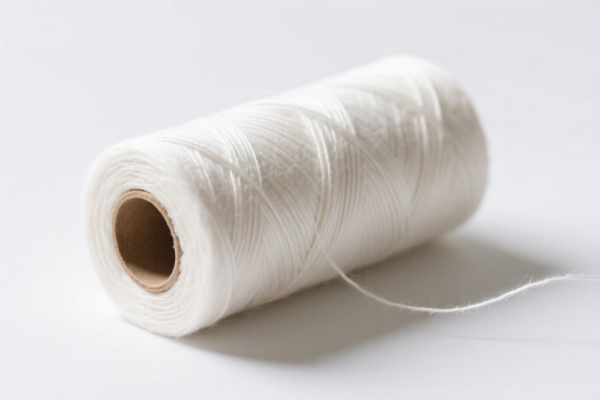
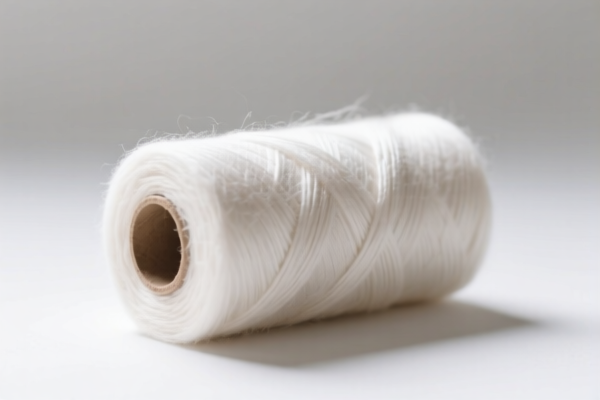
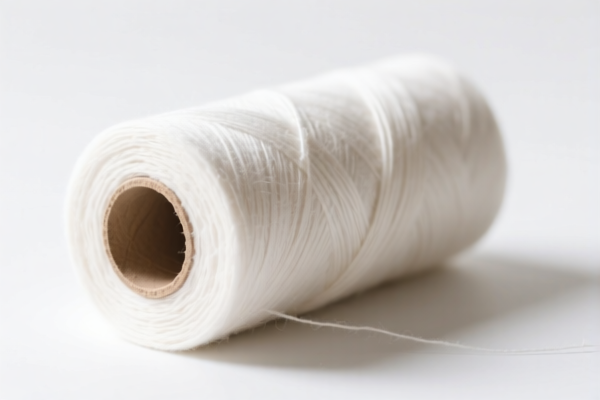
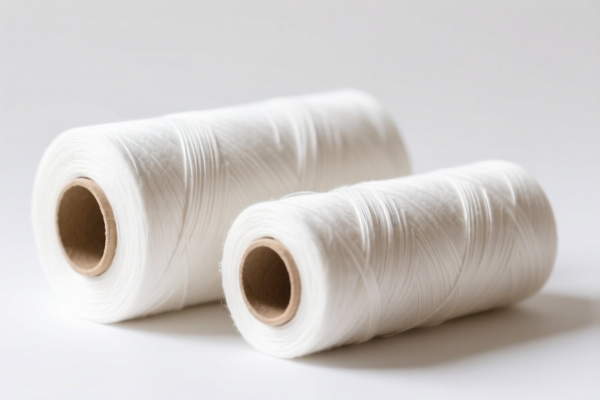
AI分析
🎨 Cotton Paper Roll (Design/Architectural Grade)
🌐 HS Code Reference & Customs Clearance Guide | 2026 Latest Tariff Analysis | Professional Strategy for US Market
📌 One, Product Definition & Classification: What Exactly is "Cotton Paper Roll"?
Cotton paper rolls are high-quality, archival-grade paper products primarily composed of cellulose fibers or cotton lint. In international trade, they are often categorized based on their physical form, processing method, and specific application (e.g., blueprinting, artistic printing, or general packaging).
Key Distinction Points: * Raw/General Purpose Rolls: Plain or lightly coated rolls used for general packaging or basic drafting. → Harmonized Under Chapter 48 (Paper & Paperboard). * Specialized/Processed Rolls: Rolls treated for specific functions like blueprint reproduction, artistic printing, or heavy coating. → May fall under Chapter 48 (Coated/Decorative) or Chapter 49 (Printed Matter/Designs) depending on the extent of printing/processing.
⚠️ Critical Customs Warning:
- If the paper is unprinted but coated/processed for specific industrial use (like blueprints), it generally stays in Chapter 48.
- If the paper is printed with designs, images, or technical drawings intended for immediate commercial use, it may shift to Chapter 49.
- Misclassification Risk: Declaring a printed blueprint roll as "raw paper" (Chapter 48) or vice versa can lead to significant duty discrepancies and customs holds.
📦 Two, HS Code Classification Details (2026 Latest Tariff Alignment)
Based on the provided data, here are the precise HS Code mappings for Design Cotton Paper Rolls:
| HS Code | Product Description | Classification Logic | Primary Use Case |
|---|---|---|---|
4811.90.20.00 |
Art-grade cotton paper rolls, cellulose/cotton fiber net, roll form, categorized as other coated or decorative paper. | Classified under Chapter 48 (Paper) because it focuses on the material structure and coating/decoration process, not the final printed content. | High-end art printing, museum reproduction, premium decorative packaging. |
4811.90.40.90 |
Cotton paper rolls, cellulose-based paper products, roll form, compliant with general paper product categories. | Also under Chapter 48. This is a broad "catch-all" for cellulose/cotton rolls that do not fit specific sub-categories like coated inkjet paper but are still processed paper. | General drafting, basic blueprinting, industrial wrapping where "cotton" content is specified. |
4811.90.90.10 |
Blueprint cotton paper rolls, paper/cellulose material, roll form, compliant with "other" paper descriptions. | Under Chapter 48. Specifically identified for blueprint application but classified as "other" processed paper due to lack of complex printing in the raw stage. | Architectural/blueprint drafting, engineering sketches. |
4911.91.15.00 |
Blueprint cotton paper rolls, roll form, cotton material, used for design-printed matter, compliant with printed images/design categories. | Chapter 49 (Printed Matter). This is the key differentiator: if the roll is pre-printed with design images or is specifically categorized as "printed matter" for design use, it moves here. | Pre-printed design templates, artistic prints, finished graphic media. |
4811.90.40.90 |
Blueprint cotton paper rolls, cellulose/cotton characteristics, roll form, categorized as printed/coated paper products. | Duplicate HS Code from above (4811.90.40.90). This indicates ambiguity in customs data. It can refer to either general cellulose rolls or blueprint-specific rolls if not clearly distinguished as "printed." |
Ambiguous: Could be raw blueprint paper or lightly treated drafting paper. |
🔍 Key Insight:
- Chapter 48 Codes (4811.90.xx.xx) apply to the physical product (paper) regardless of its intended artistic use, as long as it isn't pre-printed commercial media.
- Chapter 49 Code (4911.91.15.00) applies when the function is explicitly "printed matter" or "design images."
- Note: The data shows4811.90.40.90appearing twice with slightly different summaries. This suggests it is a flexible code for unprinted cotton/blueprint paper.
💰 Three, 2026 Latest Tariff Rate Breakdown (Including Additional Duties & Policy Surcharges)
✅ Applicable Country: United States (US)
✅ Origin: China (CN)
✅ Effective Time: 2025/2026 (Current Trade Policy)
🎯 1. Chapter 48 Classification (4811.90.20.00, 4811.90.40.90, 4811.90.90.10)
These codes carry the higher tariff burden due to the "122 Section" classification.
| Item | Detail |
|---|---|
| Base Duty Rate | 0.0% |
| Additional Duty (Section 301/USITC) | +25.0% |
| 122 Section Duty (China Specific) | +10.0% |
| Total Effective Tariff | 35.0% |
| Calculation Base | CIF Value × 35% |
| De Minimis Exemption | ❌ Not Eligible (Section 321 de minimis does not apply to goods subject to Section 301 or 122 duties) |
| Legal Basis Path | USITC: 4811.90.xx.xx → Footnote: Section 301 (25%) → Section 122 (10%) |
📌 Explanation:
- The 25% is the standard Section 301 tariff on Chinese goods.
- The 10% is a specific punitive tariff ("122 Clause") often applied to Chinese textiles/paper products under specific trade remedy lists.
- Total 35% is a significant cost driver. Many importers attempt to reclassify here to Chapter 49 to avoid this, but risk audits.
🎯 2. Chapter 49 Classification (4911.91.15.00)
This code carries a lower tariff burden, potentially saving 17.5% in duties.
| Item | Detail |
|---|---|
| Base Duty Rate | 0.0% |
| Additional Duty (Section 301/USITC) | +7.5% |
| 122 Section Duty (China Specific) | +10.0% |
| Total Effective Tariff | 17.5% |
| Calculation Base | CIF Value × 17.5% |
| De Minimis Exemption | ❌ Not Eligible (Still subject to Section 301/122) |
| Legal Basis Path | USITC: 4911.91.15.00 → Footnote: Section 301 (7.5%*) → Section 122 (10%) |
📌 Explanation:
- The 7.5% additional duty reflects a lower priority or different trade list for "printed matter/designs" compared to raw processed paper.
- Total 17.5% is half the cost of Chapter 48 codes.
- ⚠️ Risk: To use this code, you must prove the product is "printed matter" or "design material." If customs inspects and finds it is blank/unprinted cotton paper, they will reclassify it to Chapter 48 and charge 35% + penalties.
🛠️ Four, Customs Clearance Practical Advice (Pitfall Avoidance Guide)
✅ 1. Documentation Checklist (Mandatory)
| Document | Requirement | Why It Matters |
|---|---|---|
| Product Specification Sheet | ✔️ Must state: "Cotton Content %", "Weight (GSM)", "Coating Type (if any)", "Blank vs. Printed". | Determines if it's Chapter 48 (unprinted) or 49 (printed). |
| Commercial Invoice | ✔️ Must clearly describe as "Cotton Paper Rolls for Artistic Use" or "Blueprint Paper." | Vague descriptions like "Paper" trigger manual reviews. |
| Photo of Product | ✔️ Show the roll end (texture) and surface. If printed, show the design. | Proves "printed" status for 4911.91.15.00. |
| Material Safety Data Sheet (MSDS) | ✔️ If chemical coatings are used for blueprinting. | Required for hazardous chemical handling. |
| Certificate of Origin | ✔️ Must indicate China origin. | Triggers Section 301 & 122 duties. |
✅ 2. Classification Strategy (The "Save 17.5%" Dilemma)
| Scenario | Recommended HS Code | Duty Rate | Strategy |
|---|---|---|---|
| Blank/Unprinted Cotton Paper (Raw art paper, uncoated or lightly coated) | 4811.90.20.00 or 4811.90.90.10 |
35.0% | Be Honest. Do not try to classify blank paper as "printed." The risk of penalties exceeds the savings. |
| Blueprint Paper (Unprinted, light blue surface, chemical treated) | 4811.90.90.10 |
35.0% | Commonly misclassified. Ensure the "chemical treatment" is documented, but stick to Chapter 48. |
| Pre-Printed Design Paper (Art prints, patterned paper, finished graphic media) | 4911.91.15.00 |
17.5% | Optimize Here. If the paper is shipped with visible images/designs, this code is legitimate and saves money. |
🔥 Pro Tip:
- If you are shipping blank cotton paper, do not use4911.91.15.00.
- If you are shipping pre-printed design paper, must use4911.91.15.00.
- Gray Area: "Blueprint paper" is usually blank but chemically sensitized. It typically falls under 4811.90.90.10 (35%).
✅ 3. Special Handling for "122 Section" Duties
- The 10% surcharge is non-negotiable for Chinese-origin cotton/paper goods under current policy.
- No De Minimis Exemption: Small packages (under $800) do not escape these duties. All 50+ packages are subject to the 35% or 17.5% rate.
- Audit Risk: Customs aggressively audits "low-value" shipments from China claiming to be "personal use" or "samples" to avoid duties. Ensure accurate valuation.
🌍 Five, Global Market Comparison (2026)
| Market | HS Code | Base Duty | Additional (China) | Total Est. | Notes |
|---|---|---|---|---|---|
| 🇺🇸 USA | 4811.90.xx |
0% | 35% (301+122) | 35% | High barrier. Consider Vietnam/Mexico sourcing if volume is high. |
| 🇺🇸 USA | 4911.91.15 |
0% | 17.5% (301+122) | 17.5% | Only for printed/design paper. |
| 🇪🇺 EU | 4811.90 | 0-3% | 0% (No Section 301) | ~3% | No 122 clause. Much cheaper than US. |
| 🇨🇳 China | 4811.90 | 0-10% | 0% | ~0-10% | Import into China is cheaper. |
📌 Conclusion:
- The US market is the most expensive for Chinese cotton paper due to dual tariffs (301 + 122).
- Chapter 49 classification offers a 50% duty reduction but requires the product to be printed/design material.
📌 Six, Common Mistakes & Pitfalls (Lessons Learned)
❌ Mistake 1: Classifying blank blueprint paper as 4911.91.15.00 to save taxes.
👉 Consequence: Customs rejects it as "not printed matter," reclassifies to 4811.90.90.10, and charges 35% + interest.
❌ Mistake 2: Ignoring the 122 Clause (10%) in cost calculations.
👉 Consequence: Budget shortfall. Many importers only account for Section 301 (25%) and miss the extra 10%.
❌ Mistake 3: Vague description: "Cotton Paper."
👉 Consequence: Customs assigns the highest duty code available in the chapter. Always specify "Art Grade," "Blueprint," or "Printed Design."
✅ Correct Approach:
"Cotton Art Paper Roll, 300 GSM, White, Unprinted" →
4811.90.20.00(35%)
"Pre-Printed Watercolor Paper Roll, Art Design" →4911.91.15.00(17.5%)
🎯 Seven, Conclusion: Professional Classification Saves Money!
🎯 Key Takeaway:
🔹 Blank Paper = 35% Duty (Chapter 48)
🔹 Printed/Design Paper = 17.5% Duty (Chapter 49)
🔹 No De Minimis Exemption for Chinese goods.
📌 Action Item:
1. Audit your SKU list: Separate blank cotton rolls from pre-printed design rolls.
2. Update Commercial Invoices: Clearly describe the "printed" status if using 4911.91.15.00.
3. Consult a Customs Broker: If you have high volumes, request a Binding Tariff Ruling (BTR) from CBP to legally secure the 17.5% rate for design paper.
📣 Immediate Action:
📞 Review your current HS Codes.
🚀 Switch to4911.91.15.00ONLY if printed.
💼 Accurate classification = Lower Landed Cost.
✨ Precision in Classification is Profitability!
💼 Every percent of duty saved goes straight to your bottom line.
用户评价
关于 HS 编码归类
协调制度(HS)是由世界海关组织(WCO)制定的国际贸易商品分类标准。全球 200 多个国家采用 HS 系统作为海关关税、贸易统计和进出口监管的基础。
每个 HS 编码遵循以下层级结构:
- 章(2 位)——商品大类(例如:第 84 章:机器和机械设备)
- 品目(4 位)——章内的更具体分类
- 子目(6 位)——国际通用细分,所有 WCO 成员国统一使用
- 本国细分(8-10 位)——各国自行扩展的细分编码,如美国 HTSUS 10 位编码
正确的 HS 编码归类对于顺利通关、准确缴纳关税和遵守贸易法规至关重要。错误归类可能导致海关延误、多缴关税或罚款。
从CN进口到US时,适用的关税税率可能包括:
- 最惠国(MFN)税率——适用于 WTO 成员国的标准关税税率
- 普通税率——适用于无贸易协定国家
- 贸易救济关税——附加关税,如 301 条款(反倾销)、232 条款(国家安全)或反补贴税
本页内容仅供参考。如需正式归类,请咨询当地海关或持牌报关代理。