Diagnostic Reagent Kit
CN → US| HS编码 | 关税税率 | 原产国 | 目的国 | 文档 |
|---|---|---|---|---|
| 3006305000 | 10.0% | CN | US | 官方文档 |
| 3006301000 | 10.0% | CN | US | 官方文档 |
| 3822190030 | 10.0% | CN | US | 官方文档 |
| 3002150091 | 10.0% | CN | US | 官方文档 |
| 3002140090 | 10.0% | CN | US | 官方文档 |
| 3822190080 | 10.0% | CN | US | 官方文档 |
商品图片
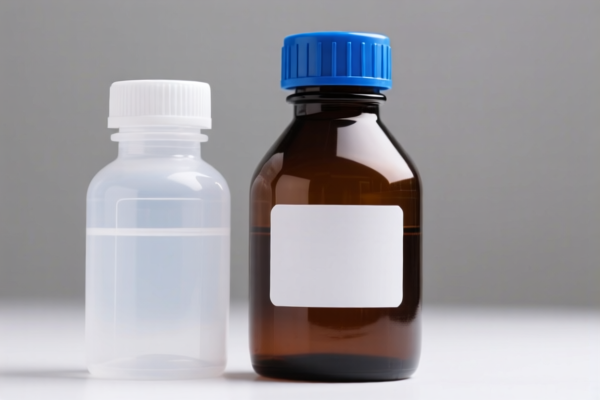
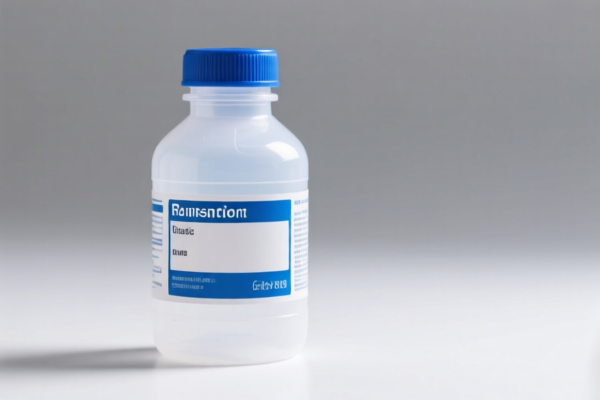
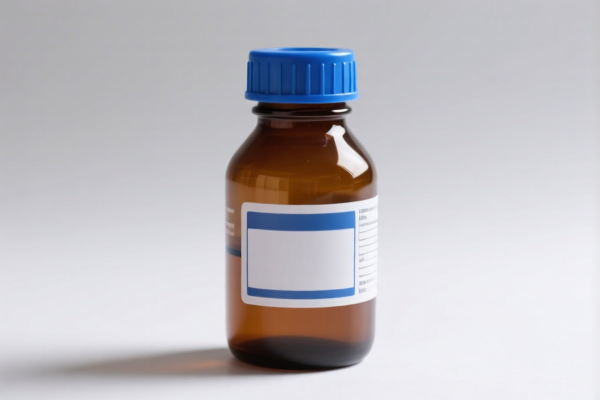
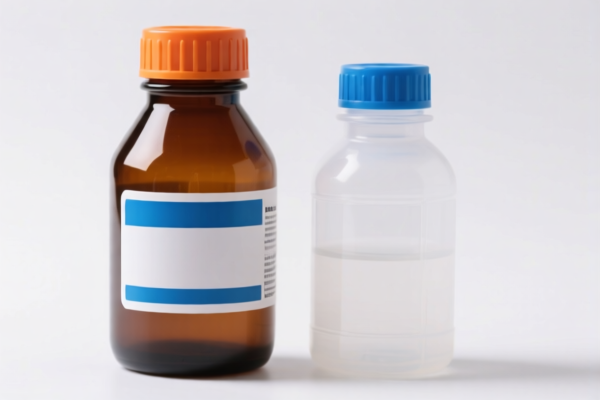
AI分析
🧪 Diagnostic Reagent Kits: HS Code Classification, Tariff Breakdown & Customs Clearance Strategy (US Market)
🌐 HS Code Reference & Customs Guide | 2026 Latest Tariff Analysis | Professional Clearance Strategy
📌 I. Product Definition & Classification: Do You Really Understand "Diagnostic Reagent Kits"?
Diagnostic Reagent Kits are essential tools in modern healthcare, AI-driven diagnostics, laboratory research, and point-of-care testing. In international trade, they are generally categorized under medical devices or chemical reagents depending on their specific composition and intended use.
Immunoassay Kits: Rely on antigen-antibody reactions for disease detection (e.g., HIV, Hepatitis, Pregnancy tests). Chemical/Clinical Chemistry Kits: Used for analyzing blood, urine, or other bodily fluids for metabolic markers.
⚠️ Key Distinction Points:
- If the kit is primarily for immunological diagnosis (antibodies/antigens) → Often classified under Chapter 30 (Pharmaceuticals) or Chapter 38 (Miscellaneous Chemical Products). - If the kit contains cultured cells or modified microorganisms for diagnosis → May fall under 3002. - If the kit is a general laboratory reagent without specific pharmaceutical preparation status → May fall under 3822.
📦 II. HS Code Classification Details (2026 Latest Tariff Authority Cross-Reference)
| HS Code | Product Description | Application Scenario | Key Classification Logic |
|---|---|---|---|
3006.30.50.00 |
Diagnostic reagents, other than those of heading 3002 or 3006.10 to 3006.30.10.90 | General diagnostic kits not containing antigens/antibodies for X-ray or specific immunological tests | Matches "Diagnostic Reagent" purpose; no material conflict. |
3006.30.10.00 |
Reagents designed to be administered to the patient for diagnostic purposes | Kits implied for patient administration (e.g., in-vitro diagnostic kits) | Based on common sense inference of patient-use diagnostic function; no material/shape conflict. |
3822.19.00.30 |
Diagnostic or laboratory reagents, other | Laboratory reagent kits, potentially containing antigens/antibodies inferred from function | Matches diagnostic/lab reagent category; no material conflict. |
3002.15.00.91 |
Other cultured cells, modified microorganisms, viruses and related products (Immunological products) | Immunoassay kits that do not feature monoclonal antibodies but are for medical diagnostic use | Fits the logical classification of "other immunological products" for medical diagnostics. |
3002.14.00.90 |
Other immunological products for human prophylaxis or diagnosis | Immunological product kits inferred to contain immunological reaction components | Reasonable inference of immunological components; matches material/usage features. |
3822.19.00.80 |
Other diagnostic or laboratory reagents | General diagnostic kits where no specific sub-heading fits better | Fully matches usage category as diagnostic/lab reagent; no material/shape conflict. |
🔍 Key Reminder:
- Chapter 30 (3002/3006): Typically applies if the kit is prepared as a pharmaceutical or biological product (e.g., specific antibodies, antigens). - Chapter 38 (3822): Typically applies if the kit is a chemical reagent or general laboratory tool not meeting the strict "prepared" criteria for Chapter 30. - Misclassification Risk: Declaring a pharmaceutical-grade immunoassay kit as a simple chemical reagent (3822) can lead to lower tariffs but high regulatory scrutiny and potential penalties for incorrect declaration.
💰 III. 2026 Latest Tariff Rate Breakdown (Including Surcharges & Policy Add-ons)
✅ Applicable Country: United States (US)
✅ Origin: China (CN)
✅ Effective Date: From November 10, 2025 (including subsequent imports)
🎯 1. 3006.30.50.00 & 3006.30.10.00 —— Diagnostic Reagents (Chapter 30)
| Item | Content |
|---|---|
| Base Tariff Rate | 0% (ad valorem) |
| Section 301 Tariff (25%) | ❌ Not Applicable (Most medical/diagnostic items are excluded from 25% tariffs) |
| IEEPA Surcharge (10%) | +10% (Against China/HK products, effective Nov 10, 2025) |
| Total Tariff Rate | 10% |
| Tax Calculation | CIF Value × 10% |
| De Minimis Exemption Eligibility | ❌ No (deny_de_minimis) |
| Legal Basis Path | IEEPA:9903.01.24 → USITC:3006.30.10.00 / 3006.30.50.00 |
📌 Explanation:
- Base Rate 0%: Medical diagnostic devices and reagents often enjoy zero base tariffs to support healthcare access. - No 301 Tariff (25%): Unlike many electronics or steel products, diagnostic reagents are typically exempt from the Section 301 25% tariff. - IEEPA 10%: This is the new surcharge under the International Emergency Economic Powers Act targeting Chinese-origin goods starting late 2025. - Total 10%: A relatively low tariff compared to industrial goods, but still significant for high-volume shipments.
🎯 2. 3822.19.00.30 & 3822.19.00.80 —— Laboratory Reagents (Chapter 38)
| Item | Content |
|---|---|
| Base Tariff Rate | 0% |
| Section 301 Tariff (25%) | ❌ Not Applicable (Exemptions often apply to lab chemicals) |
| IEEPA Surcharge (10%) | +10% (Against China/HK products) |
| Total Tariff Rate | 10% |
| Tax Calculation | CIF Value × 10% |
| De Minimis Exemption Eligibility | ❌ No |
| Legal Basis Path | IEEPA:9903.01.24 → USITC:3822.19.00.30 / 3822.19.00.80 |
📌 Note:
- Similar to Chapter 30, base rates are 0%. - The 10% IEEPA surcharge is the dominant cost factor here. - Ensure the product description clearly states "Laboratory Reagent" or "Diagnostic Kit" to avoid being classified under less favorable general chemical categories.
🎯 3. 3002.15.00.91 & 3002.14.00.90 —— Immunological Products (Chapter 30, Heading 3002)
| Item | Content |
|---|---|
| Base Tariff Rate | 0% |
| Section 301 Tariff (25%) | ❌ Not Applicable |
| IEEPA Surcharge (10%) | +10% |
| Total Tariff Rate | 10% |
| Tax Calculation | CIF Value × 10% |
| De Minimis Exemption Eligibility | ❌ No |
| Legal Basis Path | IEEPA:9903.01.24 → USITC:3002.14.00.90 / 3002.15.00.91 |
📌 Caution:
- These codes apply if the kit is considered an immunological product (e.g., contains specific antibodies/antigens). - Documentation must prove the immunological nature to justify this classification over general lab reagents.
🛠️ IV. Customs Clearance Practical Advice (Real-World Pitfall Avoidance Guide)
✅ 1. Documentation Checklist (All Required)
| Document | Mandatory | Description |
|---|---|---|
| ✅ Product Specification Sheet | ✔️ | Must list active ingredients (e.g., "Anti-HIV Antibody"), detection method, and intended use. |
| ✅ Composition Formula | ✔️ | Detailed breakdown of reagents to distinguish between "Pharmaceutical" (Ch 30) vs. "Chemical" (Ch 38). |
| ✅ Product Photos | ✔️ | Clear shots of packaging, labels, and kit contents (vials, strips, etc.). |
| ✅ FDA Registration/Listing | ✔️ | If marketed for diagnosis in the US, FDA clearance or 510(k) number is often requested by CBP. |
| ✅ Commercial Invoice | ✔️ | Must specify "Diagnostic Reagent Kit" or "Laboratory Reagent," not just "Chemicals." |
| ✅ Certificate of Origin (CO) | ✔️ | Required to prove Chinese origin for IEEPA surcharge calculation. |
| ✅ Packing List | ✔️ | Detail kit components to prevent "split shipment" classification errors. |
✅ 2. Declaration Tips (Key Mnemonics)
🔥 “Specify Use, Clarify Composition, Avoid General Terms!”
| Scenario | Correct Declaration | Incorrect Practice |
|---|---|---|
| Immunoassay Kit (e.g., HIV Test) | HS 3006.30.50.00: "Diagnostic Kit for HIV, contains antibodies, for in-vitro use" |
Declaring as "Chemical Reagent" → Risk of penalty for misclassification. |
| General Lab Reagent (e.g., pH Buffer) | HS 3822.19.00.80: "Laboratory Reagent Buffer Solution" |
Declaring as "Pharmaceutical" → Unnecessary regulatory burden. |
| Kit with Antibodies | HS 3002.xxxx: "Immunological Product, Diagnostic Use" |
Declaring as "General Chemical" → May trigger 301 tariff if misclassified as non-exempt chemical. |
| Mixed Kit (Device + Reagent) | Declare as Reagent Kit if reagent is primary function | Splitting device and reagent → Higher total tariff. |
✅ 3. Special Case Handling
| Scenario | Handling Advice |
|---|---|
| OEM Custom Kits | Provide client order + formulation. Ensure FDA status is clear. |
| Research Use Only (RUO) | Clearly label "For Research Use Only, Not for Diagnostic Procedures." May still fall under 3822 but easier clearance. |
| Point-of-Care (POC) Devices | If it includes a device (reader) + reagent, check if the device changes classification (e.g., to 9018). |
| Cold Chain Products | Provide temperature control records. Bio-sample kits require strict compliance with CDC/FDA bio-safety rules. |
🌍 V. Global Market Comparison for Diagnostic Kits (2026)
| Country/Region | Recommended HS Code | Tariff (China Origin) | Certification Requirements | Notes |
|---|---|---|---|---|
| 🇺🇸 USA | 3006.30.50.00 / 3822.19.00.80 |
10% (IEEPA) | FDA (510k) + RoHS | 25% 301 tariff usually exempt for diagnostics. |
| 🇨🇳 China | 3006.30 / 3822.19 |
0% - 5% | NMPA Registration | Low tariff, but high regulatory barrier for import. |
| 🇪🇺 EU | 3822.00 / 3002 |
0% (If CE Marked) | CE + IVDR Compliance | IVD Regulation (IVDR) is strict for diagnostics. |
| 🇦🇺 Australia | 3822.00 |
5% | TGA Registration | No IEEPA surcharge. |
| 🇯🇵 Japan | 3822.00 |
0% - 5% | PMDA Approval | Stable tariff environment. |
📌 Conclusion:
- USA is the only major market applying the 10% IEEPA surcharge to these goods from China as of late 2025. - Regulatory Compliance (FDA/CE) is more critical than tariff cost for market access. - Misclassification as "Chemicals" without proper justification can lead to severe penalties, even if the tariff rate is similar.
📌 VI. Common Mistakes & Pitfall Avoidance (Lessons Learned)
❌ Mistake 1: Declaring "Diagnostic Kit" as "Laboratory Chemicals" without specifying immunological components.
👉 Consequence: CBP may reclassify to a tariff-bearing chemical category or demand FDA proof, causing delays and fines.
❌ Mistake 2: Ignoring the IEEPA 10% Surcharge in cost calculations.
👉 Consequence: Profit margin erosion by 10% on CIF value, assuming only 0% base tariff.
❌ Mistake 3: Using vague descriptions like "Test Strips" or "Reagents."
👉 Consequence: CBP requests additional info, leading to storage fees and clearance delays.
❌ Mistake 4: Failing to disclose Active Ingredients (e.g., antibodies, antigens).
👉 Consequence: Incorrect HS code selection (e.g., using 3822 instead of 3006) → Potential retroactive duties and penalties.
✅ Correct Declaration Example:
"In-Vitro Diagnostic Reagent Kit for HIV-1/HIV-2, Containing Recombinant Antigens and Conjugate, For Laboratory Use Only, Model XYZ, FDA 510(k) Cleared"
🎯 VII. Conclusion: Precise Classification Saves Time, Money, and Compliance Risks!
🎯 Remember Mnemonics:
🔹 "Base 0%, IEEPA 10%, No 301 for Diagnostics!"
🔹 "Specify Ingredients, Use Correct Code, Avoid 'Chemical' Ambiguity!"
📌 Pro Tip:
- If your diagnostic kits are originally from Vietnam, Mexico, or Thailand, they are exempt from IEEPA surcharges. Consider supply chain diversification.
- Apply for Advance Ruling with CBP if unsure about the classification between Chapter 30 and 38.
- Ensure FDA Compliance is documented, as CBP often collaborates with FDA for medical device/reagent inspections.
📣 Immediate Action:
📞 Engage a Licensed Customs Broker + Provide Technical Data Sheets + Request FDA/CBP Confirmation.
🚀 Ensure Smooth Clearance, Minimize Costs, and Enter the US Market with Confidence!
✨ Professional Clearance Starts with Accurate Classification!
💼 Every Percent of Tariff Matters in High-Volume Medical Trade!
用户评价
关于 HS 编码归类
协调制度(HS)是由世界海关组织(WCO)制定的国际贸易商品分类标准。全球 200 多个国家采用 HS 系统作为海关关税、贸易统计和进出口监管的基础。
每个 HS 编码遵循以下层级结构:
- 章(2 位)——商品大类(例如:第 84 章:机器和机械设备)
- 品目(4 位)——章内的更具体分类
- 子目(6 位)——国际通用细分,所有 WCO 成员国统一使用
- 本国细分(8-10 位)——各国自行扩展的细分编码,如美国 HTSUS 10 位编码
正确的 HS 编码归类对于顺利通关、准确缴纳关税和遵守贸易法规至关重要。错误归类可能导致海关延误、多缴关税或罚款。
从CN进口到US时,适用的关税税率可能包括:
- 最惠国(MFN)税率——适用于 WTO 成员国的标准关税税率
- 普通税率——适用于无贸易协定国家
- 贸易救济关税——附加关税,如 301 条款(反倾销)、232 条款(国家安全)或反补贴税
本页内容仅供参考。如需正式归类,请咨询当地海关或持牌报关代理。