Diagnostic Reagent Kit
CN → US| HS Code | Tariff Rate | Origin | Destination | Doc |
|---|---|---|---|---|
| 3006305000 | 10.0% | CN | US | Official Doc |
| 3006301000 | 10.0% | CN | US | Official Doc |
| 3822190030 | 10.0% | CN | US | Official Doc |
| 3002150091 | 10.0% | CN | US | Official Doc |
| 3002140090 | 10.0% | CN | US | Official Doc |
| 3822190080 | 10.0% | CN | US | Official Doc |
Product Images
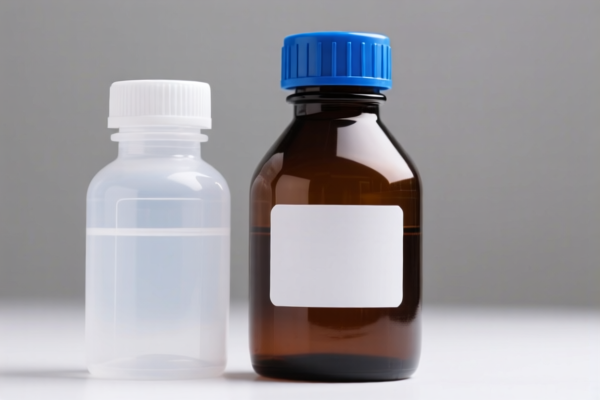
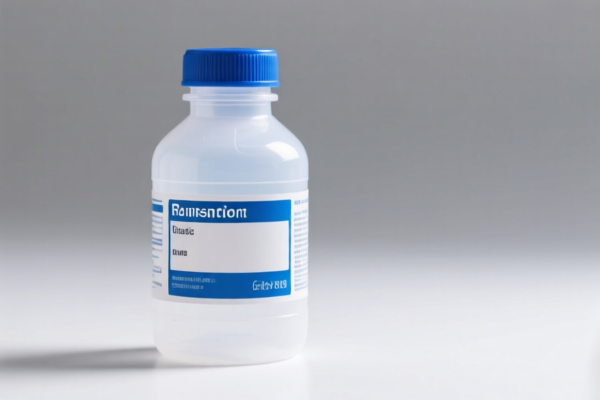
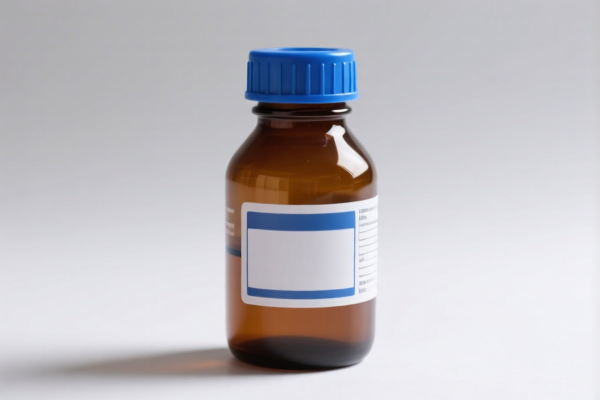
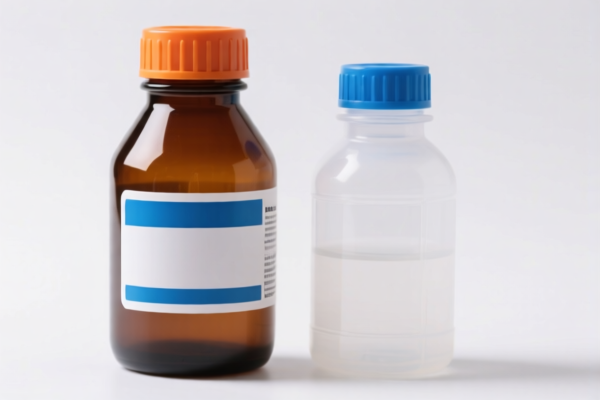
AI Analysis
🧪 Diagnostic Reagent Kits: HS Code Classification, Tariff Breakdown & Customs Clearance Strategy (US Market)
🌐 HS Code Reference & Customs Guide | 2026 Latest Tariff Analysis | Professional Clearance Strategy
📌 I. Product Definition & Classification: Do You Really Understand "Diagnostic Reagent Kits"?
Diagnostic Reagent Kits are essential tools in modern healthcare, AI-driven diagnostics, laboratory research, and point-of-care testing. In international trade, they are generally categorized under medical devices or chemical reagents depending on their specific composition and intended use.
Immunoassay Kits: Rely on antigen-antibody reactions for disease detection (e.g., HIV, Hepatitis, Pregnancy tests). Chemical/Clinical Chemistry Kits: Used for analyzing blood, urine, or other bodily fluids for metabolic markers.
⚠️ Key Distinction Points:
- If the kit is primarily for immunological diagnosis (antibodies/antigens) → Often classified under Chapter 30 (Pharmaceuticals) or Chapter 38 (Miscellaneous Chemical Products). - If the kit contains cultured cells or modified microorganisms for diagnosis → May fall under 3002. - If the kit is a general laboratory reagent without specific pharmaceutical preparation status → May fall under 3822.
📦 II. HS Code Classification Details (2026 Latest Tariff Authority Cross-Reference)
| HS Code | Product Description | Application Scenario | Key Classification Logic |
|---|---|---|---|
3006.30.50.00 |
Diagnostic reagents, other than those of heading 3002 or 3006.10 to 3006.30.10.90 | General diagnostic kits not containing antigens/antibodies for X-ray or specific immunological tests | Matches "Diagnostic Reagent" purpose; no material conflict. |
3006.30.10.00 |
Reagents designed to be administered to the patient for diagnostic purposes | Kits implied for patient administration (e.g., in-vitro diagnostic kits) | Based on common sense inference of patient-use diagnostic function; no material/shape conflict. |
3822.19.00.30 |
Diagnostic or laboratory reagents, other | Laboratory reagent kits, potentially containing antigens/antibodies inferred from function | Matches diagnostic/lab reagent category; no material conflict. |
3002.15.00.91 |
Other cultured cells, modified microorganisms, viruses and related products (Immunological products) | Immunoassay kits that do not feature monoclonal antibodies but are for medical diagnostic use | Fits the logical classification of "other immunological products" for medical diagnostics. |
3002.14.00.90 |
Other immunological products for human prophylaxis or diagnosis | Immunological product kits inferred to contain immunological reaction components | Reasonable inference of immunological components; matches material/usage features. |
3822.19.00.80 |
Other diagnostic or laboratory reagents | General diagnostic kits where no specific sub-heading fits better | Fully matches usage category as diagnostic/lab reagent; no material/shape conflict. |
🔍 Key Reminder:
- Chapter 30 (3002/3006): Typically applies if the kit is prepared as a pharmaceutical or biological product (e.g., specific antibodies, antigens). - Chapter 38 (3822): Typically applies if the kit is a chemical reagent or general laboratory tool not meeting the strict "prepared" criteria for Chapter 30. - Misclassification Risk: Declaring a pharmaceutical-grade immunoassay kit as a simple chemical reagent (3822) can lead to lower tariffs but high regulatory scrutiny and potential penalties for incorrect declaration.
💰 III. 2026 Latest Tariff Rate Breakdown (Including Surcharges & Policy Add-ons)
✅ Applicable Country: United States (US)
✅ Origin: China (CN)
✅ Effective Date: From November 10, 2025 (including subsequent imports)
🎯 1. 3006.30.50.00 & 3006.30.10.00 —— Diagnostic Reagents (Chapter 30)
| Item | Content |
|---|---|
| Base Tariff Rate | 0% (ad valorem) |
| Section 301 Tariff (25%) | ❌ Not Applicable (Most medical/diagnostic items are excluded from 25% tariffs) |
| IEEPA Surcharge (10%) | +10% (Against China/HK products, effective Nov 10, 2025) |
| Total Tariff Rate | 10% |
| Tax Calculation | CIF Value × 10% |
| De Minimis Exemption Eligibility | ❌ No (deny_de_minimis) |
| Legal Basis Path | IEEPA:9903.01.24 → USITC:3006.30.10.00 / 3006.30.50.00 |
📌 Explanation:
- Base Rate 0%: Medical diagnostic devices and reagents often enjoy zero base tariffs to support healthcare access. - No 301 Tariff (25%): Unlike many electronics or steel products, diagnostic reagents are typically exempt from the Section 301 25% tariff. - IEEPA 10%: This is the new surcharge under the International Emergency Economic Powers Act targeting Chinese-origin goods starting late 2025. - Total 10%: A relatively low tariff compared to industrial goods, but still significant for high-volume shipments.
🎯 2. 3822.19.00.30 & 3822.19.00.80 —— Laboratory Reagents (Chapter 38)
| Item | Content |
|---|---|
| Base Tariff Rate | 0% |
| Section 301 Tariff (25%) | ❌ Not Applicable (Exemptions often apply to lab chemicals) |
| IEEPA Surcharge (10%) | +10% (Against China/HK products) |
| Total Tariff Rate | 10% |
| Tax Calculation | CIF Value × 10% |
| De Minimis Exemption Eligibility | ❌ No |
| Legal Basis Path | IEEPA:9903.01.24 → USITC:3822.19.00.30 / 3822.19.00.80 |
📌 Note:
- Similar to Chapter 30, base rates are 0%. - The 10% IEEPA surcharge is the dominant cost factor here. - Ensure the product description clearly states "Laboratory Reagent" or "Diagnostic Kit" to avoid being classified under less favorable general chemical categories.
🎯 3. 3002.15.00.91 & 3002.14.00.90 —— Immunological Products (Chapter 30, Heading 3002)
| Item | Content |
|---|---|
| Base Tariff Rate | 0% |
| Section 301 Tariff (25%) | ❌ Not Applicable |
| IEEPA Surcharge (10%) | +10% |
| Total Tariff Rate | 10% |
| Tax Calculation | CIF Value × 10% |
| De Minimis Exemption Eligibility | ❌ No |
| Legal Basis Path | IEEPA:9903.01.24 → USITC:3002.14.00.90 / 3002.15.00.91 |
📌 Caution:
- These codes apply if the kit is considered an immunological product (e.g., contains specific antibodies/antigens). - Documentation must prove the immunological nature to justify this classification over general lab reagents.
🛠️ IV. Customs Clearance Practical Advice (Real-World Pitfall Avoidance Guide)
✅ 1. Documentation Checklist (All Required)
| Document | Mandatory | Description |
|---|---|---|
| ✅ Product Specification Sheet | ✔️ | Must list active ingredients (e.g., "Anti-HIV Antibody"), detection method, and intended use. |
| ✅ Composition Formula | ✔️ | Detailed breakdown of reagents to distinguish between "Pharmaceutical" (Ch 30) vs. "Chemical" (Ch 38). |
| ✅ Product Photos | ✔️ | Clear shots of packaging, labels, and kit contents (vials, strips, etc.). |
| ✅ FDA Registration/Listing | ✔️ | If marketed for diagnosis in the US, FDA clearance or 510(k) number is often requested by CBP. |
| ✅ Commercial Invoice | ✔️ | Must specify "Diagnostic Reagent Kit" or "Laboratory Reagent," not just "Chemicals." |
| ✅ Certificate of Origin (CO) | ✔️ | Required to prove Chinese origin for IEEPA surcharge calculation. |
| ✅ Packing List | ✔️ | Detail kit components to prevent "split shipment" classification errors. |
✅ 2. Declaration Tips (Key Mnemonics)
🔥 “Specify Use, Clarify Composition, Avoid General Terms!”
| Scenario | Correct Declaration | Incorrect Practice |
|---|---|---|
| Immunoassay Kit (e.g., HIV Test) | HS 3006.30.50.00: "Diagnostic Kit for HIV, contains antibodies, for in-vitro use" |
Declaring as "Chemical Reagent" → Risk of penalty for misclassification. |
| General Lab Reagent (e.g., pH Buffer) | HS 3822.19.00.80: "Laboratory Reagent Buffer Solution" |
Declaring as "Pharmaceutical" → Unnecessary regulatory burden. |
| Kit with Antibodies | HS 3002.xxxx: "Immunological Product, Diagnostic Use" |
Declaring as "General Chemical" → May trigger 301 tariff if misclassified as non-exempt chemical. |
| Mixed Kit (Device + Reagent) | Declare as Reagent Kit if reagent is primary function | Splitting device and reagent → Higher total tariff. |
✅ 3. Special Case Handling
| Scenario | Handling Advice |
|---|---|
| OEM Custom Kits | Provide client order + formulation. Ensure FDA status is clear. |
| Research Use Only (RUO) | Clearly label "For Research Use Only, Not for Diagnostic Procedures." May still fall under 3822 but easier clearance. |
| Point-of-Care (POC) Devices | If it includes a device (reader) + reagent, check if the device changes classification (e.g., to 9018). |
| Cold Chain Products | Provide temperature control records. Bio-sample kits require strict compliance with CDC/FDA bio-safety rules. |
🌍 V. Global Market Comparison for Diagnostic Kits (2026)
| Country/Region | Recommended HS Code | Tariff (China Origin) | Certification Requirements | Notes |
|---|---|---|---|---|
| 🇺🇸 USA | 3006.30.50.00 / 3822.19.00.80 |
10% (IEEPA) | FDA (510k) + RoHS | 25% 301 tariff usually exempt for diagnostics. |
| 🇨🇳 China | 3006.30 / 3822.19 |
0% - 5% | NMPA Registration | Low tariff, but high regulatory barrier for import. |
| 🇪🇺 EU | 3822.00 / 3002 |
0% (If CE Marked) | CE + IVDR Compliance | IVD Regulation (IVDR) is strict for diagnostics. |
| 🇦🇺 Australia | 3822.00 |
5% | TGA Registration | No IEEPA surcharge. |
| 🇯🇵 Japan | 3822.00 |
0% - 5% | PMDA Approval | Stable tariff environment. |
📌 Conclusion:
- USA is the only major market applying the 10% IEEPA surcharge to these goods from China as of late 2025. - Regulatory Compliance (FDA/CE) is more critical than tariff cost for market access. - Misclassification as "Chemicals" without proper justification can lead to severe penalties, even if the tariff rate is similar.
📌 VI. Common Mistakes & Pitfall Avoidance (Lessons Learned)
❌ Mistake 1: Declaring "Diagnostic Kit" as "Laboratory Chemicals" without specifying immunological components.
👉 Consequence: CBP may reclassify to a tariff-bearing chemical category or demand FDA proof, causing delays and fines.
❌ Mistake 2: Ignoring the IEEPA 10% Surcharge in cost calculations.
👉 Consequence: Profit margin erosion by 10% on CIF value, assuming only 0% base tariff.
❌ Mistake 3: Using vague descriptions like "Test Strips" or "Reagents."
👉 Consequence: CBP requests additional info, leading to storage fees and clearance delays.
❌ Mistake 4: Failing to disclose Active Ingredients (e.g., antibodies, antigens).
👉 Consequence: Incorrect HS code selection (e.g., using 3822 instead of 3006) → Potential retroactive duties and penalties.
✅ Correct Declaration Example:
"In-Vitro Diagnostic Reagent Kit for HIV-1/HIV-2, Containing Recombinant Antigens and Conjugate, For Laboratory Use Only, Model XYZ, FDA 510(k) Cleared"
🎯 VII. Conclusion: Precise Classification Saves Time, Money, and Compliance Risks!
🎯 Remember Mnemonics:
🔹 "Base 0%, IEEPA 10%, No 301 for Diagnostics!"
🔹 "Specify Ingredients, Use Correct Code, Avoid 'Chemical' Ambiguity!"
📌 Pro Tip:
- If your diagnostic kits are originally from Vietnam, Mexico, or Thailand, they are exempt from IEEPA surcharges. Consider supply chain diversification.
- Apply for Advance Ruling with CBP if unsure about the classification between Chapter 30 and 38.
- Ensure FDA Compliance is documented, as CBP often collaborates with FDA for medical device/reagent inspections.
📣 Immediate Action:
📞 Engage a Licensed Customs Broker + Provide Technical Data Sheets + Request FDA/CBP Confirmation.
🚀 Ensure Smooth Clearance, Minimize Costs, and Enter the US Market with Confidence!
✨ Professional Clearance Starts with Accurate Classification!
💼 Every Percent of Tariff Matters in High-Volume Medical Trade!
Customer Reviews
About HS Code Classification
The Harmonized System (HS) is an internationally standardized nomenclature developed by the World Customs Organization (WCO) to classify traded products. Over 200 countries use the HS system as the basis for customs tariffs, trade statistics, and import/export regulations.
Each HS code follows a hierarchical structure:
- Chapter (2 digits) — Broad category of goods (e.g., Chapter 84: Machinery and Mechanical Appliances)
- Heading (4 digits) — More specific grouping within the chapter
- Subheading (6 digits) — Internationally standardized breakdown, used by all WCO member countries
- National subdivisions (8-10 digits) — Country-specific extensions for further classification, such as US HTSUS 10-digit codes
Correct HS code classification is essential for smooth customs clearance, accurate duty payment, and compliance with trade regulations. Misclassification can lead to customs delays, overpayment of duties, or penalties.
When importing from CN to US, the applicable tariff rates may include:
- Most-Favored-Nation (MFN) rate — The standard duty rate applied to WTO members
- General rate — Applied to countries without trade agreements
- Trade remedy duties — Additional tariffs such as Section 301 (anti-dumping), Section 232 (national security), or countervailing duties
The information provided on this page is for reference purposes only. For official classification, please consult with your local customs authority or a licensed customs broker.