Dining Table Set
CN → US| HS编码 | 关税税率 | 原产国 | 目的国 | 文档 |
|---|---|---|---|---|
| 9403608040 | 35.0% | CN | US | 官方文档 |
| 9403409040 | 35.0% | CN | US | 官方文档 |
| 7117909000 | 28.5% | CN | US | 官方文档 |
| 3924901050 | 13.3% | CN | US | 官方文档 |
| 3924905650 | 20.9% | CN | US | 官方文档 |
商品图片
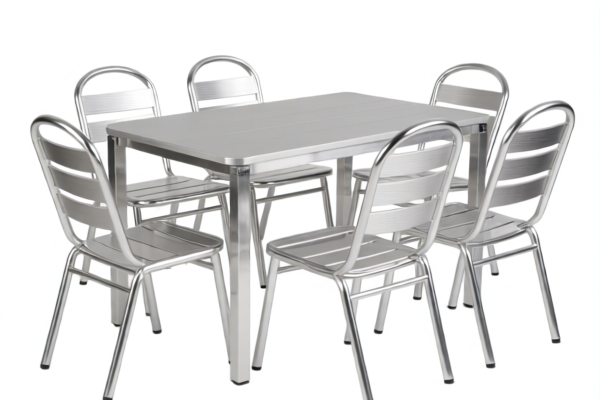
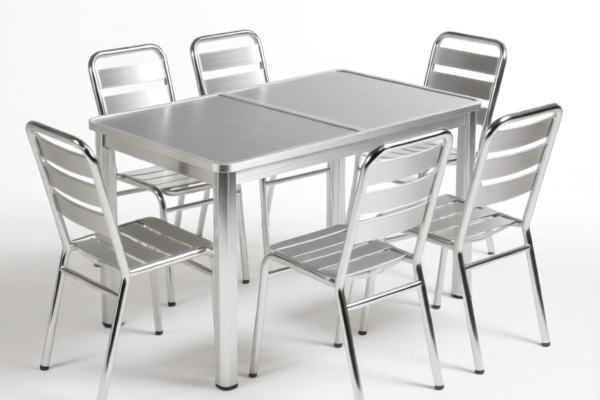
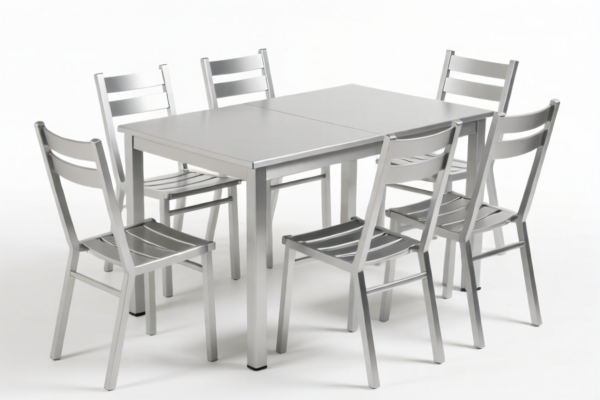
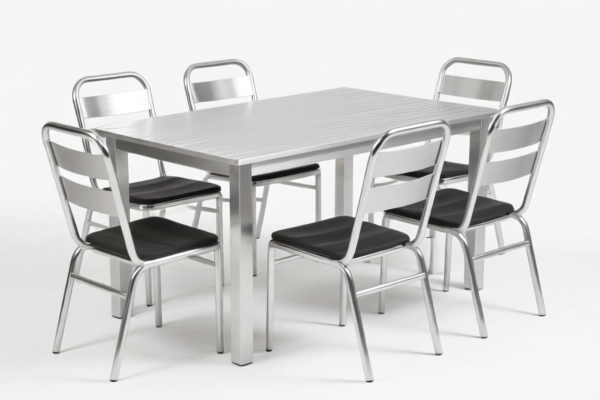
AI分析
🍽️ Dining Table Set (HS Code Classification & Tariff Analysis)
🌐 HS Code Reference & Customs Clearance Guide | 2026 Latest Tariff Structure | Professional Compliance Strategy
📌 Part I: Product Definition & Classification Logic: What is a "Dining Table Set"?
A "Dining Table Set" in international trade is not a single monolithic entity but a composite of items that often require split classification for accurate duty assessment. Customs authorities analyze the set based on its principal material and component function:
- The Table (Core Component): Typically made of wood or other solid materials. It falls under Chapter 94 (Furniture).
- The Decorations/Accents: Items like centerpieces, vases, or decorative trays. These may be classified as:
- Jewelry/Imitations (if ornamental metal/glass) → Chapter 71
- Plastic Household Articles (if plastic decor) → Chapter 39
- Stone/Ceramic Decor (if granite/marble accents) → Chapter 68
⚠️ Key Classification Principle:
- If the table constitutes the essential character of the set, the primary classification is often driven by the table’s HS code.
- However, for customs valuation and duty purposes, components may be declared separately if they are distinct articles with different material compositions.
- Do not force a single HS code for mixed-material sets unless instructed by specific local regulations.
📦 Part II: HS Code Classification Details (2026 Latest Tariff Authority Match)
Based on the provided data, here are the specific HS Codes matched to the components of a Dining Table Set:
| HS Code | Product Description | Applied Component | Classification Logic |
|---|---|---|---|
9403.60.80.40 |
Wooden Furniture (Table) | Main Table Unit | Primary classification for wooden dining tables. |
9403.40.90.40 |
Wooden Furniture (Table) | Main Table Unit | Alternative classification based on specific table morphology/shape (wooden). |
7117.90.90.00 |
Imitation Jewelry / Ornamental Articles | Decorative Accents | For metal/glass ornamental centerpieces or decorative items categorized under imitation jewelry. |
3924.90.10.50 |
Plastic Household Articles | Plastic Decor | For plastic decorative items (e.g., plastic vases, trays) not specified elsewhere. |
3924.90.56.50 |
Plastic Household Articles (Other) | Plastic Household Items | For other plastic household items/decor not covered in 3924.90.10. |
6802.93.00.90 |
Worked Stone (Granite/Marble) | Stone Decor | For granite or similar stone decorative accents. |
🔍 Critical Note:
- The Table itself (HS9403.60.80.40or9403.40.90.40) is the highest-value item and likely dictates the "principal character" of the set for general statistical purposes.
- However, decorative items must be declared under their own material-specific HS codes (7117,3924,6802) because they have different tariff rates and material origins.
💰 Part III: 2026 Tariff Rate Breakdown (Including Surcharges & Policy Add-ons)
✅ Applicable Country: United States (US)
✅ Country of Origin: China (CN)
✅ Effective Date: Post-2025 (Current Trade Policy)
🎯 1. 9403.60.80.40 & 9403.40.90.40 — Wooden Dining Tables
| Item | Detail |
|---|---|
| Base Tariff Rate | 0.0% (MFN Rate for many wood furniture items) |
| Section 301 Surcharge | +25.0% (USITC Footnote for Chinese furniture) |
| Section 122 Surcharge | +10.0% (Additional tariff on Chinese goods under specific executive orders) |
| Total Effective Rate | 35.0% |
| Tax Calculation | CIF Value × 35% |
| De Minimis Exemption | ❌ Not Applicable (High-value furniture exceeds de minimis thresholds) |
| Legal Path | USITC:9403.60.80.40 → FOOTNOTE:301 → IEEPA:122 |
📌 Explanation:
- Despite a 0% base rate, the 35% total duty makes wooden tables from China highly sensitive to trade policy.
- Both9403.60(Wooden kitchen furniture) and9403.40(Wooden office/tabletop furniture) are treated similarly under current surcharges.
🎯 2. 7117.90.90.00 — Imitation Jewelry / Ornamental Decor
| Item | Detail |
|---|---|
| Base Tariff Rate | 11.0% |
| Section 301 Surcharge | +7.5% |
| Section 122 Surcharge | +10.0% |
| Total Effective Rate | 28.5% |
| Tax Calculation | CIF Value × 28.5% |
| De Minimis Exemption | ❌ Not Applicable for commercial imports |
| Legal Path | USITC:7117.90.90.00 → FOOTNOTE:301 → IEEPA:122 |
📌 Explanation:
- Ornamental items made of non-precious metals or glass are taxed higher due to a non-zero base rate.
🎯 3. 3924.90.10.50 & 3924.90.56.50 — Plastic Household Decor
| Item | Detail |
|---|---|
| Base Tariff Rate | 3.3% ~ 3.4% |
| Section 301 Surcharge | 0.0% ~ 7.5% (Varies by specific plastic subheading) |
| Section 122 Surcharge | +10.0% |
| Total Effective Rate | 13.3% ~ 20.9% |
| Tax Calculation | CIF Value × 13.3–20.9% |
| De Minimis Exemption | ❌ Not Applicable for commercial imports |
| Legal Path | USITC:3924.90.*.* → FOOTNOTE:301 → IEEPA:122 |
📌 Explanation:
- Plastic items generally have lower base tariffs but still face the 10% Section 122 surcharge.
-3924.90.10.50(13.3% total) is more favorable than3924.90.56.50(20.9% total) due to lower Section 301 exposure.
🎯 4. 6802.93.00.90 — Worked Stone (Granite) Decor
| Item | Detail |
|---|---|
| Base Tariff Rate | 3.7% |
| Section 301 Surcharge | +25.0% |
| Section 122 Surcharge | +10.0% |
| Total Effective Rate | 38.7% |
| Tax Calculation | CIF Value × 38.7% |
| De Minimis Exemption | ❌ Not Applicable for commercial imports |
| Legal Path | USITC:6802.93.00.90 → FOOTNOTE:301 → IEEPA:122 |
📌 Explanation:
- Granite/marble decorative items face the highest effective duty (38.7%) due to a combination of base rates and significant 301 surcharges.
🛠️ Part IV: Customs Clearance Practical Advice (Avoid Pitfalls)
✅ 1. Documentation Checklist (Mandatory)
| Document | Required? | Purpose |
|---|---|---|
| ✅ Commercial Invoice | ✔️ | Must itemize the table and decorations separately. Do not list as "1 Set." |
| ✅ Packing List | ✔️ | Clearly distinguish between "Wooden Table" and "Plastic/Stone/Ornamental Accessories." |
| ✅ Material Declaration | ✔️ | Specify: Table = Wood; Decor = Plastic/Granite/Metal. Critical for correct HS Code assignment. |
| ✅ Product Photos | ✔️ | Show dimensions, material texture, and any branding. |
| ✅ Certificate of Origin | ✔️ | Confirm CN origin to apply correct surcharges. |
✅ 2. Declaration Strategy (Key Mantra)
🔥 "Split by Material, Not by Set!"
| Scenario | Correct Declaration | Incorrect Declaration | Consequence |
|---|---|---|---|
| Mixed Material Set | Declare Table under 9403, Decor under 3924/6802 |
Declare entire set under 9403 (Furniture) |
Underpayment of Duty if decor has higher rate; or Overpayment if decor has lower rate. Both risk audits. |
| All-Wooden Set | Declare all under 9403.60.80.40 |
Split components unnecessarily | No duty difference, but increases administrative burden. |
| Granite Centerpiece | Declare under 6802.93.00.90 |
Declare under 9403 (Furniture accessory) |
38.7% vs 35%: Minor difference, but material misclassification can lead to penalties. |
✅ 3. Special Cases & Mitigation
| Scenario | Advice |
|---|---|
| OEM Custom Sets | Provide design specs proving the "de minimis" nature of decor items if possible, but still classify correctly. |
| High-Value Decor | If decor value >10% of total, ensure separate HS codes are used to avoid "set rule" disputes. |
| Mitigating Duties | Consider supply chain diversification: If decor is made in Vietnam/Mexico, it may avoid US surcharges. |
🌍 Part V: Global Market Comparison (2026)
| Region | Recommended HS Code (Table) | Effective Duty (China Origin) | Notes |
|---|---|---|---|
| 🇺🇸 USA | 9403.60.80.40 |
35.0% | High surcharges (301 + 122). Decorators taxed separately (13–39%). |
| 🇪🇺 EU | 9403.40.00 |
0–15% | No Section 301/122 surcharges. Standard MFN rates apply. |
| 🇨🇳 China | 9403.40.00 |
5–10% | Lower import duties for foreign wood furniture. |
| 🇬🇧 UK | 9403.40.00 |
0–15% | Post-Brexit MFN rates. No US-style surcharges. |
📌 Conclusion:
- The USA imposes the highest combined duty (35%+) on Chinese dining tables.
- Decorations are taxed at varying rates (13–39%) depending on material, not just the table's rate.
- Accuracy in material declaration is critical to avoid under/over-payment.
📌 Part VI: Common Errors & Pitfalls (Lessons Learned)
❌ Error 1: Declaring the entire set under one HS Code (e.g., 9403.60.80.40)
👉 Consequence: If the decor is stone (6802), you may underpay duty by ~3.7% on that portion. If decor is plastic (3924), you may overpay. More importantly, it violates material declaration laws.
❌ Error 2: Ignoring Section 122 (10%) in cost calculations
👉 Consequence: Underestimating landed cost by 10% on all components.
❌ Error 3: Using "Dining Set" as a generic description without material breakdown
👉 Consequence: Customs brokers may guess the HS code, leading to audits, delays, or penalties.
✅ Correct Practice:
"Item 1: Wooden Dining Table, Solid Oak, 6-Seater — HS 9403.60.80.40
Item 2: Granite Centerpiece Bowl — HS 6802.93.00.90
Item 3: Plastic Decorative Trays — HS 3924.90.10.50"
🎯 Part VII: Conclusion: Precision Saves Profit!
🎯 Remember the Mantra:
🔹 "Wooden Table: 35% Duty.
🔹 Granite Decor: 38.7% Duty.
🔹 Plastic Decor: 13–21% Duty.
🔹 Declare Materials Separately, Avoid Audits, Keep Margins Healthy!"
📌 Pro Tip:
If you are sourcing decorations from non-China countries (e.g., Vietnam, Italy), you can avoid US surcharges on those items, significantly lowering your total landed cost. Always split the invoice by material and origin.
📣 Immediate Action:
📞 Engage a Licensed Customs Broker to pre-classify mixed-material sets.
🚀 Use the correct HS Codes above to ensure compliance and accurate duty forecasting.
✨ Accurate Classification is the First Step to Global Success!
💼 Your Profit Margin Depends on Your HS Code Accuracy!
用户评价
关于 HS 编码归类
协调制度(HS)是由世界海关组织(WCO)制定的国际贸易商品分类标准。全球 200 多个国家采用 HS 系统作为海关关税、贸易统计和进出口监管的基础。
每个 HS 编码遵循以下层级结构:
- 章(2 位)——商品大类(例如:第 84 章:机器和机械设备)
- 品目(4 位)——章内的更具体分类
- 子目(6 位)——国际通用细分,所有 WCO 成员国统一使用
- 本国细分(8-10 位)——各国自行扩展的细分编码,如美国 HTSUS 10 位编码
正确的 HS 编码归类对于顺利通关、准确缴纳关税和遵守贸易法规至关重要。错误归类可能导致海关延误、多缴关税或罚款。
从CN进口到US时,适用的关税税率可能包括:
- 最惠国(MFN)税率——适用于 WTO 成员国的标准关税税率
- 普通税率——适用于无贸易协定国家
- 贸易救济关税——附加关税,如 301 条款(反倾销)、232 条款(国家安全)或反补贴税
本页内容仅供参考。如需正式归类,请咨询当地海关或持牌报关代理。