Dining Table Set
CN → US| HS Code | Tariff Rate | Origin | Destination | Doc |
|---|---|---|---|---|
| 9403608040 | 35.0% | CN | US | Official Doc |
| 9403409040 | 35.0% | CN | US | Official Doc |
| 7117909000 | 28.5% | CN | US | Official Doc |
| 3924901050 | 13.3% | CN | US | Official Doc |
| 3924905650 | 20.9% | CN | US | Official Doc |
Product Images
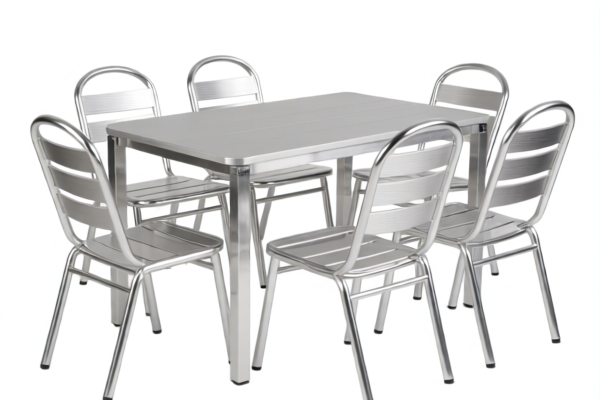
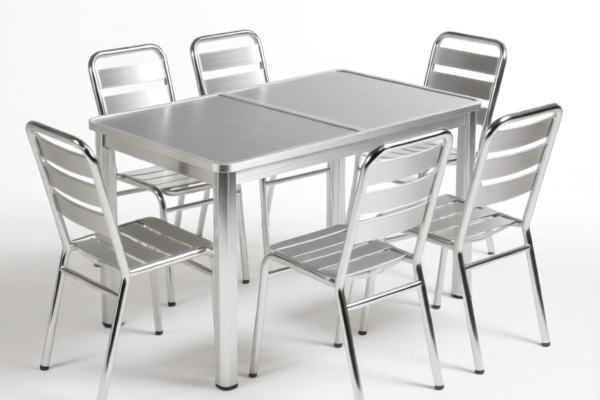
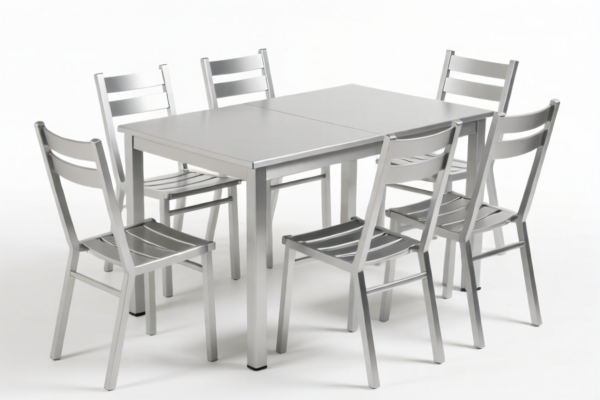
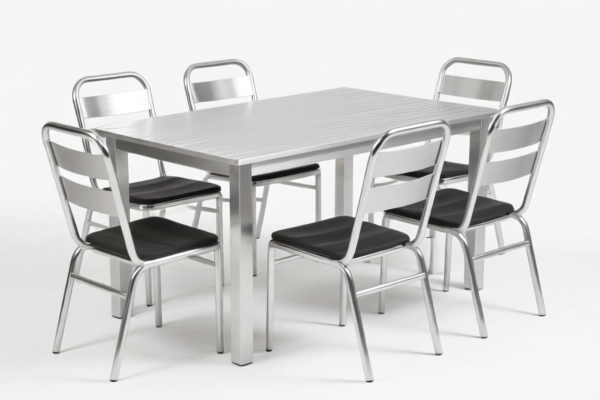
AI Analysis
🍽️ Dining Table Set (HS Code Classification & Tariff Analysis)
🌐 HS Code Reference & Customs Clearance Guide | 2026 Latest Tariff Structure | Professional Compliance Strategy
📌 Part I: Product Definition & Classification Logic: What is a "Dining Table Set"?
A "Dining Table Set" in international trade is not a single monolithic entity but a composite of items that often require split classification for accurate duty assessment. Customs authorities analyze the set based on its principal material and component function:
- The Table (Core Component): Typically made of wood or other solid materials. It falls under Chapter 94 (Furniture).
- The Decorations/Accents: Items like centerpieces, vases, or decorative trays. These may be classified as:
- Jewelry/Imitations (if ornamental metal/glass) → Chapter 71
- Plastic Household Articles (if plastic decor) → Chapter 39
- Stone/Ceramic Decor (if granite/marble accents) → Chapter 68
⚠️ Key Classification Principle:
- If the table constitutes the essential character of the set, the primary classification is often driven by the table’s HS code.
- However, for customs valuation and duty purposes, components may be declared separately if they are distinct articles with different material compositions.
- Do not force a single HS code for mixed-material sets unless instructed by specific local regulations.
📦 Part II: HS Code Classification Details (2026 Latest Tariff Authority Match)
Based on the provided data, here are the specific HS Codes matched to the components of a Dining Table Set:
| HS Code | Product Description | Applied Component | Classification Logic |
|---|---|---|---|
9403.60.80.40 |
Wooden Furniture (Table) | Main Table Unit | Primary classification for wooden dining tables. |
9403.40.90.40 |
Wooden Furniture (Table) | Main Table Unit | Alternative classification based on specific table morphology/shape (wooden). |
7117.90.90.00 |
Imitation Jewelry / Ornamental Articles | Decorative Accents | For metal/glass ornamental centerpieces or decorative items categorized under imitation jewelry. |
3924.90.10.50 |
Plastic Household Articles | Plastic Decor | For plastic decorative items (e.g., plastic vases, trays) not specified elsewhere. |
3924.90.56.50 |
Plastic Household Articles (Other) | Plastic Household Items | For other plastic household items/decor not covered in 3924.90.10. |
6802.93.00.90 |
Worked Stone (Granite/Marble) | Stone Decor | For granite or similar stone decorative accents. |
🔍 Critical Note:
- The Table itself (HS9403.60.80.40or9403.40.90.40) is the highest-value item and likely dictates the "principal character" of the set for general statistical purposes.
- However, decorative items must be declared under their own material-specific HS codes (7117,3924,6802) because they have different tariff rates and material origins.
💰 Part III: 2026 Tariff Rate Breakdown (Including Surcharges & Policy Add-ons)
✅ Applicable Country: United States (US)
✅ Country of Origin: China (CN)
✅ Effective Date: Post-2025 (Current Trade Policy)
🎯 1. 9403.60.80.40 & 9403.40.90.40 — Wooden Dining Tables
| Item | Detail |
|---|---|
| Base Tariff Rate | 0.0% (MFN Rate for many wood furniture items) |
| Section 301 Surcharge | +25.0% (USITC Footnote for Chinese furniture) |
| Section 122 Surcharge | +10.0% (Additional tariff on Chinese goods under specific executive orders) |
| Total Effective Rate | 35.0% |
| Tax Calculation | CIF Value × 35% |
| De Minimis Exemption | ❌ Not Applicable (High-value furniture exceeds de minimis thresholds) |
| Legal Path | USITC:9403.60.80.40 → FOOTNOTE:301 → IEEPA:122 |
📌 Explanation:
- Despite a 0% base rate, the 35% total duty makes wooden tables from China highly sensitive to trade policy.
- Both9403.60(Wooden kitchen furniture) and9403.40(Wooden office/tabletop furniture) are treated similarly under current surcharges.
🎯 2. 7117.90.90.00 — Imitation Jewelry / Ornamental Decor
| Item | Detail |
|---|---|
| Base Tariff Rate | 11.0% |
| Section 301 Surcharge | +7.5% |
| Section 122 Surcharge | +10.0% |
| Total Effective Rate | 28.5% |
| Tax Calculation | CIF Value × 28.5% |
| De Minimis Exemption | ❌ Not Applicable for commercial imports |
| Legal Path | USITC:7117.90.90.00 → FOOTNOTE:301 → IEEPA:122 |
📌 Explanation:
- Ornamental items made of non-precious metals or glass are taxed higher due to a non-zero base rate.
🎯 3. 3924.90.10.50 & 3924.90.56.50 — Plastic Household Decor
| Item | Detail |
|---|---|
| Base Tariff Rate | 3.3% ~ 3.4% |
| Section 301 Surcharge | 0.0% ~ 7.5% (Varies by specific plastic subheading) |
| Section 122 Surcharge | +10.0% |
| Total Effective Rate | 13.3% ~ 20.9% |
| Tax Calculation | CIF Value × 13.3–20.9% |
| De Minimis Exemption | ❌ Not Applicable for commercial imports |
| Legal Path | USITC:3924.90.*.* → FOOTNOTE:301 → IEEPA:122 |
📌 Explanation:
- Plastic items generally have lower base tariffs but still face the 10% Section 122 surcharge.
-3924.90.10.50(13.3% total) is more favorable than3924.90.56.50(20.9% total) due to lower Section 301 exposure.
🎯 4. 6802.93.00.90 — Worked Stone (Granite) Decor
| Item | Detail |
|---|---|
| Base Tariff Rate | 3.7% |
| Section 301 Surcharge | +25.0% |
| Section 122 Surcharge | +10.0% |
| Total Effective Rate | 38.7% |
| Tax Calculation | CIF Value × 38.7% |
| De Minimis Exemption | ❌ Not Applicable for commercial imports |
| Legal Path | USITC:6802.93.00.90 → FOOTNOTE:301 → IEEPA:122 |
📌 Explanation:
- Granite/marble decorative items face the highest effective duty (38.7%) due to a combination of base rates and significant 301 surcharges.
🛠️ Part IV: Customs Clearance Practical Advice (Avoid Pitfalls)
✅ 1. Documentation Checklist (Mandatory)
| Document | Required? | Purpose |
|---|---|---|
| ✅ Commercial Invoice | ✔️ | Must itemize the table and decorations separately. Do not list as "1 Set." |
| ✅ Packing List | ✔️ | Clearly distinguish between "Wooden Table" and "Plastic/Stone/Ornamental Accessories." |
| ✅ Material Declaration | ✔️ | Specify: Table = Wood; Decor = Plastic/Granite/Metal. Critical for correct HS Code assignment. |
| ✅ Product Photos | ✔️ | Show dimensions, material texture, and any branding. |
| ✅ Certificate of Origin | ✔️ | Confirm CN origin to apply correct surcharges. |
✅ 2. Declaration Strategy (Key Mantra)
🔥 "Split by Material, Not by Set!"
| Scenario | Correct Declaration | Incorrect Declaration | Consequence |
|---|---|---|---|
| Mixed Material Set | Declare Table under 9403, Decor under 3924/6802 |
Declare entire set under 9403 (Furniture) |
Underpayment of Duty if decor has higher rate; or Overpayment if decor has lower rate. Both risk audits. |
| All-Wooden Set | Declare all under 9403.60.80.40 |
Split components unnecessarily | No duty difference, but increases administrative burden. |
| Granite Centerpiece | Declare under 6802.93.00.90 |
Declare under 9403 (Furniture accessory) |
38.7% vs 35%: Minor difference, but material misclassification can lead to penalties. |
✅ 3. Special Cases & Mitigation
| Scenario | Advice |
|---|---|
| OEM Custom Sets | Provide design specs proving the "de minimis" nature of decor items if possible, but still classify correctly. |
| High-Value Decor | If decor value >10% of total, ensure separate HS codes are used to avoid "set rule" disputes. |
| Mitigating Duties | Consider supply chain diversification: If decor is made in Vietnam/Mexico, it may avoid US surcharges. |
🌍 Part V: Global Market Comparison (2026)
| Region | Recommended HS Code (Table) | Effective Duty (China Origin) | Notes |
|---|---|---|---|
| 🇺🇸 USA | 9403.60.80.40 |
35.0% | High surcharges (301 + 122). Decorators taxed separately (13–39%). |
| 🇪🇺 EU | 9403.40.00 |
0–15% | No Section 301/122 surcharges. Standard MFN rates apply. |
| 🇨🇳 China | 9403.40.00 |
5–10% | Lower import duties for foreign wood furniture. |
| 🇬🇧 UK | 9403.40.00 |
0–15% | Post-Brexit MFN rates. No US-style surcharges. |
📌 Conclusion:
- The USA imposes the highest combined duty (35%+) on Chinese dining tables.
- Decorations are taxed at varying rates (13–39%) depending on material, not just the table's rate.
- Accuracy in material declaration is critical to avoid under/over-payment.
📌 Part VI: Common Errors & Pitfalls (Lessons Learned)
❌ Error 1: Declaring the entire set under one HS Code (e.g., 9403.60.80.40)
👉 Consequence: If the decor is stone (6802), you may underpay duty by ~3.7% on that portion. If decor is plastic (3924), you may overpay. More importantly, it violates material declaration laws.
❌ Error 2: Ignoring Section 122 (10%) in cost calculations
👉 Consequence: Underestimating landed cost by 10% on all components.
❌ Error 3: Using "Dining Set" as a generic description without material breakdown
👉 Consequence: Customs brokers may guess the HS code, leading to audits, delays, or penalties.
✅ Correct Practice:
"Item 1: Wooden Dining Table, Solid Oak, 6-Seater — HS 9403.60.80.40
Item 2: Granite Centerpiece Bowl — HS 6802.93.00.90
Item 3: Plastic Decorative Trays — HS 3924.90.10.50"
🎯 Part VII: Conclusion: Precision Saves Profit!
🎯 Remember the Mantra:
🔹 "Wooden Table: 35% Duty.
🔹 Granite Decor: 38.7% Duty.
🔹 Plastic Decor: 13–21% Duty.
🔹 Declare Materials Separately, Avoid Audits, Keep Margins Healthy!"
📌 Pro Tip:
If you are sourcing decorations from non-China countries (e.g., Vietnam, Italy), you can avoid US surcharges on those items, significantly lowering your total landed cost. Always split the invoice by material and origin.
📣 Immediate Action:
📞 Engage a Licensed Customs Broker to pre-classify mixed-material sets.
🚀 Use the correct HS Codes above to ensure compliance and accurate duty forecasting.
✨ Accurate Classification is the First Step to Global Success!
💼 Your Profit Margin Depends on Your HS Code Accuracy!
Customer Reviews
About HS Code Classification
The Harmonized System (HS) is an internationally standardized nomenclature developed by the World Customs Organization (WCO) to classify traded products. Over 200 countries use the HS system as the basis for customs tariffs, trade statistics, and import/export regulations.
Each HS code follows a hierarchical structure:
- Chapter (2 digits) — Broad category of goods (e.g., Chapter 84: Machinery and Mechanical Appliances)
- Heading (4 digits) — More specific grouping within the chapter
- Subheading (6 digits) — Internationally standardized breakdown, used by all WCO member countries
- National subdivisions (8-10 digits) — Country-specific extensions for further classification, such as US HTSUS 10-digit codes
Correct HS code classification is essential for smooth customs clearance, accurate duty payment, and compliance with trade regulations. Misclassification can lead to customs delays, overpayment of duties, or penalties.
When importing from CN to US, the applicable tariff rates may include:
- Most-Favored-Nation (MFN) rate — The standard duty rate applied to WTO members
- General rate — Applied to countries without trade agreements
- Trade remedy duties — Additional tariffs such as Section 301 (anti-dumping), Section 232 (national security), or countervailing duties
The information provided on this page is for reference purposes only. For official classification, please consult with your local customs authority or a licensed customs broker.