Disposable Tableware
CN → US| HS编码 | 关税税率 | 原产国 | 目的国 | 文档 |
|---|---|---|---|---|
| 4419901100 | 15.3% | CN | US | 官方文档 |
| 3924102000 | 24.0% | CN | US | 官方文档 |
| 3924104000 | 13.4% | CN | US | 官方文档 |
| 3902300000 | 41.5% | CN | US | 官方文档 |
| 3902100000 | 41.5% | CN | US | 官方文档 |
| 6911108010 | 38.3% | CN | US | 官方文档 |
商品图片
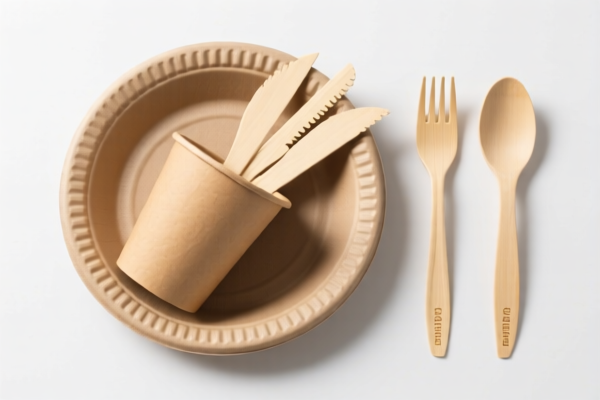
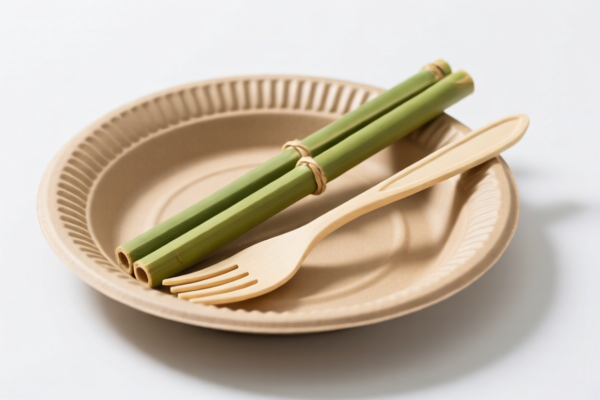
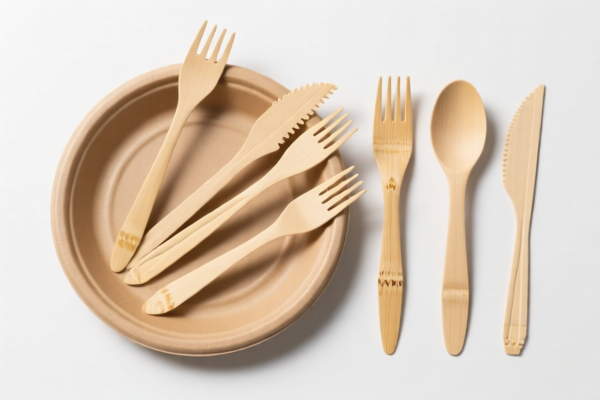
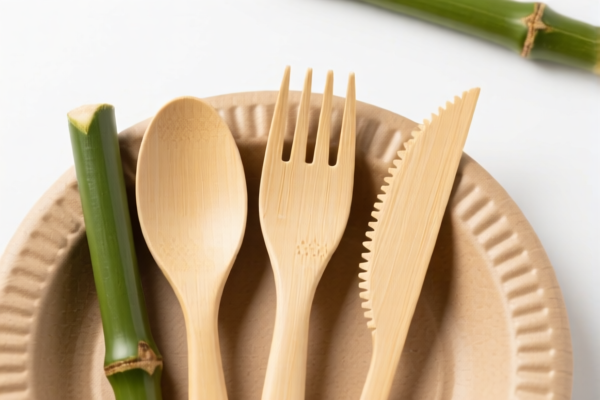
AI分析
🍽️ Disposable Tableware: HS Code Classification & US Customs Clearance Guide (2026)
🌐 HS Code Reference & Customs Clearance Strategy | 2026 Latest Tariff Analysis | Professional Compliance Guide
📌 Disclaimer: The following analysis is strictly based on the provided data context. It focuses on imports into the United States from China, considering the specific tariff structures including Section 122 tariffs.
📦 1. HS Code Classification Matrix
Disposable tableware is not a single unified category. The classification depends entirely on the material composition. Below is the precise breakdown based on the provided dataset:
| Material | HS Code | Product Description | Key Identifier |
|---|---|---|---|
| Plastic (Standard) | 3924.10.40.00 |
Disposable plastic tableware | Matched purpose and form; inferred material: Plastic |
| Wood | 4419.90.11.00 |
Disposable wooden tableware | Inferred material: Wood; Category: Other wooden tableware |
| Plastic (High Tariff) | 3924.10.20.00 |
Disposable plastic tableware | Basic common sense inference: Plastic (Different subheading) |
| Ceramic / Porcelain | 6911.10.80.10 |
Portable tableware | Inferred material: Ceramic/Porcelain; Purpose: Tableware |
| Raw Material (PP) | 3902.30.00.00 |
Polypropylene (PP) Raw Material | Explicit material: Polypropylene; Form: Primary Raw Material |
⚠️ Critical Distinction:
- Finished Goods (Plates, forks, chopsticks) fall under3924,4419, or6911.
- Raw Materials (Pellets, sheets) fall under3902.
- Misclassification Risk: Declaring PP pellets as "plastic cutlery" will result in severe penalties and duty discrepancies.
💰 2. 2026 Tariff Rate Breakdown (Detailed Analysis)
✅ Applicable Country: United States (US)
✅ Origin: China (CN)
✅ Key Policy: 122 Clause Tariffs (10%) + Section 301/Other Additional Duties
🎯 1. 3924.10.40.00 – Disposable Plastic Tableware (Standard)
| Item | Detail |
|---|---|
| Base Tariff | 3.4% |
| Additional Tariff | 0.0% |
| 122 Clause Tariff | 10.0% |
| Total Effective Rate | 13.4% |
| Calculation Basis | CIF Value × 13.4% |
| Legal Basis | Standard HTSUS for plastic tableware + 122 Clause Application |
📌 Explanation:
- This is the lowest cost option for plastic disposable goods among the listed plastic variants.
- The 122 Clause adds a flat 10% on top of the base duty.
- No additional "Section 301" or extra punitive tariffs are applied in this specific subheading according to the provided data.
🎯 2. 4419.90.11.00 – Disposable Wooden Tableware
| Item | Detail |
|---|---|
| Base Tariff | 5.3% |
| Additional Tariff | 0.0% |
| 122 Clause Tariff | 10.0% |
| Total Effective Rate | 15.3% |
| Calculation Basis | CIF Value × 15.3% |
| Legal Basis | HTSUS for wooden tableware + 122 Clause Application |
📌 Explanation:
- Wooden tableware is subject to a slightly higher base duty (5.3%) than standard plastic (3.4%).
- The 122 Clause (10%) still applies.
- Total: 15.3%. This is the second-lowest duty rate in the dataset.
🎯 3. 3924.10.20.00 – Disposable Plastic Tableware (High Tariff Variant)
| Item | Detail |
|---|---|
| Base Tariff | 6.5% |
| Additional Tariff | 7.5% |
| 122 Clause Tariff | 10.0% |
| Total Effective Rate | 24.0% |
| Calculation Basis | CIF Value × 24.0% |
| Legal Basis | HTSUS for plastic tableware (different subheading) + Additional Duties + 122 Clause |
📌 Explanation:
- ⚠️ Warning: Do not confuse this with3924.10.40.00.
- This subheading incurs a higher base duty (6.5%) AND an additional duty of 7.5% (likely Section 301 or similar trade remedy).
- Plus the 122 Clause (10%).
- Total: 24.0%. This is significantly more expensive than the40.00variant.
🎯 4. 6911.10.80.10 – Portable Ceramic Tableware
| Item | Detail |
|---|---|
| Base Tariff | 20.8% |
| Additional Tariff | 7.5% |
| 122 Clause Tariff | 10.0% |
| Total Effective Rate | 38.3% |
| Calculation Basis | CIF Value × 38.3% |
| Legal Basis | HTSUS for ceramic tableware + Additional Duties + 122 Clause |
📌 Explanation:
- Ceramic/Porcelain items face very high base tariffs (20.8%).
- The 7.5% additional duty applies.
- The 122 Clause (10%) applies.
- Total: 38.3%. This is the most expensive category for finished disposable tableware.
🎯 5. 3902.30.00.00 – Polypropylene (PP) Raw Material
| Item | Detail |
|---|---|
| Base Tariff | 6.5% |
| Additional Tariff | 25.0% |
| 122 Clause Tariff | 10.0% |
| Total Effective Rate | 41.5% |
| Calculation Basis | CIF Value × 41.5% |
| Legal Basis | HTSUS for Polyethylene/Propylene polymers + Section 301 (25%) + 122 Clause |
📌 Explanation:
- This is NOT tableware. This is raw material.
- It incurs the highest additional duty of 25% (likely heavy Section 301 tariffs on chemical polymers).
- Total: 41.5%.
- Note: If you are importing finished plastic cutlery, ensure you do not declare this HS Code, or you will pay 41.5% instead of 13.4% or 24.0%.
🛠️ 3. Customs Clearance Practical Advice
✅ 1. Document Preparation Checklist
| Document | Requirement | Notes |
|---|---|---|
| Product Description | Must specify material (Plastic, Wood, Ceramic) | "Disposable Tableware" is too vague. Use "Disposable Plastic Forks" or "Wooden Chopsticks". |
| Material Composition | 100% Plastic / 100% Wood / Ceramic | Must match the HS Code exactly. |
| Usage Statement | "Single-use / Disposable" | Essential for distinguishing from durable kitchenware (which may have different duties). |
| HS Code Declaration | Exact 10-digit code | Use the codes above based on material. |
| Origin Certificate | China (CN) | Required for applying 122 Clause and any exemptions. |
| Packing List | Detailed items per carton | Ensure no mixed materials in a single HS Code declaration unless properly separated. |
✅ 2. Strategic Clearance Tips
🔥 Key Takeaway: Material is King.
| Scenario | Recommended HS Code | Total Duty | Strategy |
|---|---|---|---|
| Plastic Cutlery/Plates | 3924.10.40.00 |
13.4% | ✅ BEST CHOICE. Lowest duty for plastic. Avoid 3924.10.20.00. |
| Wooden Chopsticks/Spoons | 4419.90.11.00 |
15.3% | ✅ Good alternative to plastic. |
| Plastic Cutlery (High Risk) | 3924.10.20.00 |
24.0% | ⚠️ Check if your product fits 40.00 better. If not, budget for 24%. |
| Ceramic Plates | 6911.10.80.10 |
38.3% | 💸 High cost. Consider if ceramic is necessary or if plastic/wood is viable. |
| PP Pellets/Sheets | 3902.30.00.00 |
41.5% | 🚫 NOT TABLEWARE. Only declare if importing raw polymer for manufacturing. |
✅ 3. Common Mistakes to Avoid
❌ Mistake 1: Declaring Plastic PP Raw Material as "Disposable Tableware".
👉 Consequence: You will pay 41.5% instead of 13.4%. Huge financial loss.
👉 Fix: Only use 3902.30.00.00 if you are importing pellets/shapes, not finished items.
❌ Mistake 2: Assuming all plastic tableware has the same duty.
👉 Consequence: Using 3924.10.20.00 (24.0%) when 3924.10.40.00 (13.4%) applies.
👉 Fix: Verify the specific subheading with your customs broker. The difference is 10.6% (over $10,000 on $100k shipment).
❌ Mistake 3: Ignoring the "122 Clause".
👉 Consequence: Underpaying duties. The 122 Clause adds 10% to all listed items.
👉 Fix: Ensure your broker includes the 122 Clause in the calculation for every item.
🌍 4. Global Market Comparison (Snapshot)
| Market | Plastic Tableware Duty | Wood Tableware Duty | Ceramic Tableware Duty |
|---|---|---|---|
| 🇺🇸 USA | 13.4% or 24.0% | 15.3% | 38.3% |
| 🇪🇺 EU | Varies (Check EORI) | Varies | Varies |
| 🇨🇳 China | Import Duty Applies | Import Duty Applies | Import Duty Applies |
📌 Conclusion:
The US market imposes significant tariffs via the 122 Clause (10%) and potentially additional duties (7.5% or 25%).
- Plastic (3924.10.40.00) remains the most cost-effective for finished goods.
- Wood (4419.90.11.00) is a competitive alternative.
- Ceramic (6911.10.80.10) and Raw Materials (3902.30.00.00) are high-cost categories.
🎯 5. Final Checklist for Importers
- Identify Material: Is it Plastic, Wood, or Ceramic?
- Identify Form: Is it a finished utensil or raw material?
- Select HS Code:
- Plastic Finished →
3924.10.40.00(13.4%) - Wood Finished →
4419.90.11.00(15.3%) - Ceramic Finished →
6911.10.80.10(38.3%) - PP Raw Material →
3902.30.00.00(41.5%)
- Plastic Finished →
- Confirm 122 Clause: Ensure 10% is added to all.
- Prepare Docs: Material declaration, usage statement, origin certificate.
📌 Pro Tip:
Always request a Pre-Ruling from CBP (U.S. Customs and Border Protection) if your product is borderline between 3924.10.40.00 and 3924.10.20.00. The 10.6% duty difference is worth the small filing fee.
📣 Act Now:
📞 Contact your customs broker with product photos and material specs.
🚀 Optimize your HS Code to save up to 25% in duties!
✨ Precision in Classification = Profit in Your Pocket!
💼 Don't let tariff mistakes eat your margin!
用户评价
关于 HS 编码归类
协调制度(HS)是由世界海关组织(WCO)制定的国际贸易商品分类标准。全球 200 多个国家采用 HS 系统作为海关关税、贸易统计和进出口监管的基础。
每个 HS 编码遵循以下层级结构:
- 章(2 位)——商品大类(例如:第 84 章:机器和机械设备)
- 品目(4 位)——章内的更具体分类
- 子目(6 位)——国际通用细分,所有 WCO 成员国统一使用
- 本国细分(8-10 位)——各国自行扩展的细分编码,如美国 HTSUS 10 位编码
正确的 HS 编码归类对于顺利通关、准确缴纳关税和遵守贸易法规至关重要。错误归类可能导致海关延误、多缴关税或罚款。
从CN进口到US时,适用的关税税率可能包括:
- 最惠国(MFN)税率——适用于 WTO 成员国的标准关税税率
- 普通税率——适用于无贸易协定国家
- 贸易救济关税——附加关税,如 301 条款(反倾销)、232 条款(国家安全)或反补贴税
本页内容仅供参考。如需正式归类,请咨询当地海关或持牌报关代理。