Document Lanyard
CN → US| HS编码 | 关税税率 | 原产国 | 目的国 | 文档 |
|---|---|---|---|---|
| 5609004000 | 38.9% | CN | US | 官方文档 |
| 6307905020 | 17.5% | CN | US | 官方文档 |
| 6307905010 | 17.5% | CN | US | 官方文档 |
| 3926909905 | 22.8% | CN | US | 官方文档 |
| 3926909989 | 22.8% | CN | US | 官方文档 |
商品图片
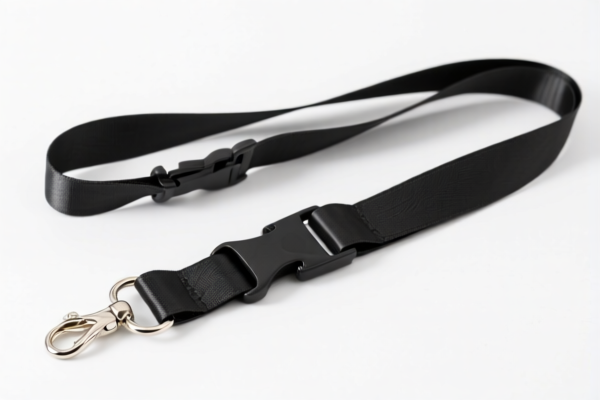
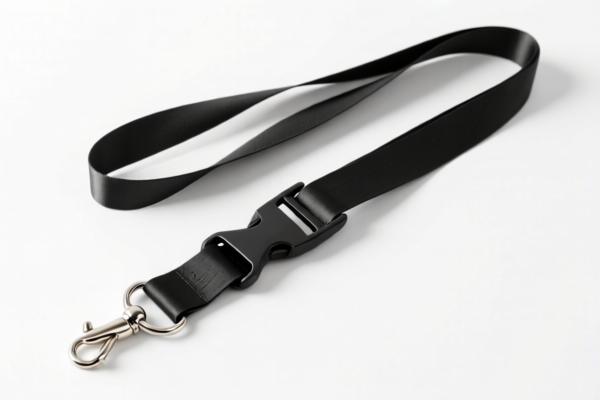
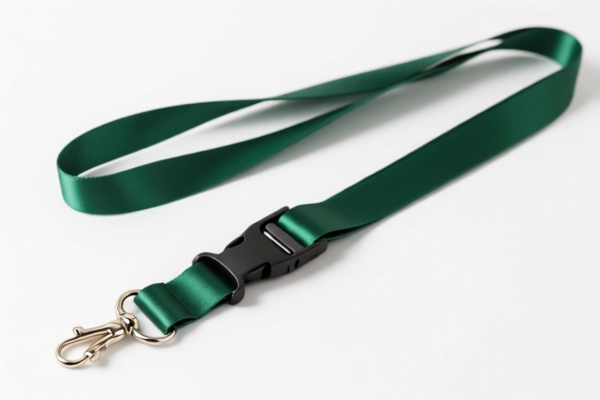
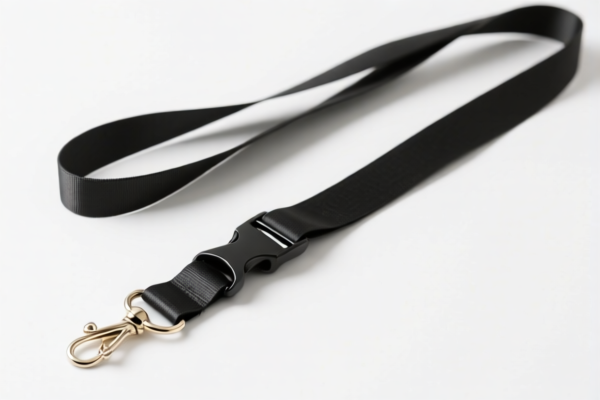
AI分析
🎗️ Document Lanyard (ID Card Straps / Badge Holders)
🌐 HS Code Reference & Clearance Guide | 2026 Latest Tariff Analysis | Professional Customs Strategy
📌 I. Product Definition & Classification: Do You Really Understand "Document Lanyards"?
Document Lanyards are essential accessories for identity verification in corporate, academic, and industrial settings. In international trade, they are not a single unified category but are classified based on their primary material composition and structural form.
Misclassification is a major risk because the tax implications vary drastically—from a low 17.5% to a punishing 38.9% depending on whether customs views them as "textiles" or "ropes/cords."
⚠️ Key Classification Point:
- If made of polyester, nylon, or cotton in a flat ribbon/strip form → It is likely classified under Textile Articles (Chapter 63).
- If made of woven textile strands specifically designed as "cord" or "rope" → It may fall under Textile Articles of Cord/Rope (Chapter 56).
- If made of plastic/synthetic fibers in non-specific shapes → It may be classified under Plastic Articles (Chapter 39).
📦 II. HS Code Classification Details (2026 Latest Tariff Authority Comparison)
Based on the provided data, here are the four possible HS Codes for Document Lanyards, ranging from textile ribbons to plastic accessories.
| HS Code | Product Description & Logic | Material Composition | Tax Rate (Total) |
|---|---|---|---|
6307.90.50.20 |
Other Made-Up Textile Articles: Specifically covers items similar to shoelaces or woven bands. High likelihood for standard polyester/nylon lanyards. | Polyester, Nylon, Cotton fibers | 17.5% |
6307.90.50.10 |
Other Made-Up Textile Articles: Specifically covers "hanging straps" or ribbon-type articles. Common for fabric print lanyards. | Cotton, Polyester, Nylon fibers | 17.5% |
5609.00.40.00 |
Articles of Yarn, Cordage, Rope or Twine: Classifies lanyards as "textile cordage" or strap products. Higher base tariff applies. | Textile yarns or strip materials | 38.9% |
3926.90.99.05 |
Other Plastic Articles: For lanyards where plastic is the dominant structural element (e.g., plastic-coated cords or molded plastic components). | Plastic or synthetic fibers | 22.8% |
3926.90.99.89 |
Other Plastic Articles: For non-specific shaped plastic制品 (e.g., generic plastic straps). | Plastic or synthetic fibers | 22.8% |
🔍 Critical Insight:
- The lowest risk/tax options are6307.90.50.10and6307.90.50.20(17.5%). These are preferred for standard fabric lanyards. - The highest risk/tax option is5609.00.40.00(38.9%). This is a "trap" classification for standard lanyards; avoid this unless the product is explicitly defined as heavy-duty rope. - Plastic classifications (3926...) sit in the middle (22.8%) but require strict proof of plastic dominance.
💰 III. 2026 Latest Tariff Rate Breakdown (Including Surcharges & Policy Add-ons)
✅ Applicable Country: United States (US)
✅ Origin: China (CN)
✅ Effective Time: 2025/2026 Current Regime
🎯 1. 6307.90.50.10 & 6307.90.50.20 —— The Optimal Choice (Textile Articles)
| Item | Detail |
|---|---|
| Base Tariff | 0.0% (ad valorem) |
| Section 301 Tariff (Add-on) | +7.5% (Specific surcharge for these subheadings) |
| 122 Clause Tariff (IEEPA) | +10% (China-specific surcharge) |
| Total Effective Rate | 17.5% |
| Tax Calculation | CIF Value × 17.5% |
| De Minimis Exemption | ❌ Not Applicable (Subject to full scrutiny) |
| Legal Basis | Base Tariff 0% + Section 301 Footnote + 122 Clause |
📌 Explanation:
- This is the most cost-effective classification for standard fabric lanyards. - The "0%" base rate significantly lowers the burden compared to the 3.9% base rate in Chapter 56. - Even with the 17.5% total, it is less than half the tax of the5609classification.
🎯 2. 5609.00.40.00 —— The High-Cost Trap (Cordage/Rope Articles)
| Item | Detail |
|---|---|
| Base Tariff | 3.9% (ad valorem) |
| Section 301 Tariff (Add-on) | +25.0% (Standard Section 301 rate) |
| 122 Clause Tariff (IEEPA) | +10% (China-specific surcharge) |
| Total Effective Rate | 38.9% |
| Tax Calculation | CIF Value × 38.9% |
| De Minimis Exemption | ❌ Not Applicable |
| Legal Basis | High Base + High Section 301 + 122 Clause |
📌 Warning:
- Do not classify standard lanyards here unless they are technically "ropes" or "cords" under Chapter 56. - The 25% Section 301 surcharge is the main driver of this high cost. - A misclassification error here could double your customs duties.
🎯 3. 3926.90.99.05 & 3926.90.99.89 —— Plastic-Based Lanyards
| Item | Detail |
|---|---|
| Base Tariff | 5.3% (ad valorem) |
| Section 301 Tariff (Add-on) | +7.5% (Specific surcharge for plastics) |
| 122 Clause Tariff (IEEPA) | +10% (China-specific surcharge) |
| Total Effective Rate | 22.8% |
| Tax Calculation | CIF Value × 22.8% |
| De Minimis Exemption | ❌ Not Applicable |
| Legal Basis | Base Tariff 5.3% + Section 301 + 122 Clause |
📌 Note:
- This applies if the lanyard is primarily plastic (e.g., plastic ribbons, molded plastic clips dominating the structure, or plastic-coated fibers). - If the product is a blend of fabric and plastic, customs may still push for the textile classification (6307) if the fabric is the visible/primary part.
🛠️ IV. Customs Clearance Practical Advice (Pitfall Avoidance Guide)
✅ 1. Documentation Checklist (Must-Haves)
| Document | Required? | Purpose |
|---|---|---|
| ✅ Product Specification Sheet | ✔️ | Must clearly state Material Composition (e.g., "100% Polyester Woven Fabric"). |
| ✅ High-Resolution Photos | ✔️ | Show the texture (woven vs. plastic sheen) and any plastic hardware (clips/buckles). |
| ✅ Commercial Invoice | ✔️ | Description should be precise: "Woven Polyester ID Card Lanyard" rather than just "Lanyard." |
| ✅ Bill of Lading / Packing List | ✔️ | Ensure no "loose" plastic parts are listed separately if they are part of the set. |
| ✅ Material Declaration | ✔️ | Explicitly declare fiber content (Cotton/Polyester/Nylon) to support 6307 classification. |
✅ 2. Declaration Strategy (Key Mantras)
🔥 "Fabric First, Avoid Rope, Plastic Needs Proof!"
| Scenario | Recommended HS Code | Reason |
|---|---|---|
| Standard Fabric Lanyard (Polyester/Nylon ribbon with metal clip) | 6307.90.50.10 or 6307.90.50.20 |
Lowest tax (17.5%). Classify as "Made-Up Textile Article." |
| Heavy-Duty Woven Cord (Thick, round, rope-like) | 5609.00.40.00 |
High tax (38.9%). Only use if it strictly meets "Cord/Rope" definition. |
| Plastic Ribbon/Molded Plastic Strap | 3926.90.99.05/89 |
Medium tax (22.8%). Only if material is >50% plastic by weight/value. |
✅ 3. Specific Clearance Tips
| Situation | Advice |
|---|---|
| Mixed Materials (Fabric strap + Plastic clip) | Declare as Textile (6307). The clip is usually considered an accessory. Do not let customs classify the whole item as Plastic (3926) if the fabric is the main component. |
| Sample vs. Bulk | Ensure the sample provided to customs matches the bulk goods exactly in material. A discrepancy can lead to reclassification. |
| Avoid Generic Terms | Never use just "Lanyard" or "Strap" on the invoice. Use "Woven Textile Lanyard for ID Cards" to guide customs toward 6307. |
| Check for "122 Clause" Impact | All these codes include a +10% IEEPA surcharge for Chinese origin. Factor this into your pricing model. |
🌍 V. Global Market Comparison (2026 Update)
| Market | Recommended HS Code | Est. Total Duty | Key Requirement |
|---|---|---|---|
| 🇺🇸 USA | 6307.90.50.10/20 |
17.5% | Accurate material declaration (Polyester/Cotton). |
| 🇨🇳 China | 6307.90.50.10/20 |
Low (0-5%) | Standard textile import rules. |
| 🇪🇺 EU | 6307.90.98 |
Varies (0-6%) | May have specific environmental standards for dyes. |
| 🇬🇧 UK | 6307.90.98 |
Varies | Post-Brexit tariff schedule applies. |
📌 Conclusion:
- The US market is the most complex due to the Section 301 and 122 Clause surcharges. - For US exports,6307is the gold standard for cost efficiency. - Ensure your supplier provides a Material Test Report to prove the textile nature if challenged by US Customs (CBP).
📌 VI. Common Mistakes & Pitfalls (Lessons Learned)
❌ Mistake 1: Classifying a fabric lanyard as "Plastic" (3926)
👉 Consequence: Higher base tariff (5.3% vs 0%) and potential audit for misdeclaration.
👉 Fix: Emphasize the woven textile nature.
❌ Mistake 2: Classifying a fabric lanyard as "Rope/Cord" (5609)
👉 Consequence: Tariff spikes to 38.9% (from 17.5%). Double the tax cost!
👉 Fix: Use 6307 for flat woven straps. 5609 is for round, thick cords.
❌ Mistake 3: Ignoring the "122 Clause" (+10%)
👉 Consequence: Underestimating landed cost.
👉 Fix: Always add 10% to any China-origin textile/plastic good entering the US.
🎯 VII. Conclusion: Precision in Classification Saves Money
🎯 Remember the Mantra:
🔹 "Fabric is 17.5%, Rope is 38.9%, Plastic is 22.8%. Pick wisely!"
🔹 "Don't let 'Lanyard' confuse you. It's the MATERIAL that sets the price."
📌 Pro Tip:
For the safest and most cost-effective clearance for standard document lanyards:
1. Use 6307.90.50.10 or 6307.90.50.20.
2. Clearly state "Woven Polyester/Nylon Fabric" in the description.
3. Provide material certificates if requested.
📣 Immediate Action:
📞 Confirm material composition with your supplier.
📝 Update your invoice description to "Woven Textile Lanyard".
🚀 Avoid the 38.9% tax trap by sticking to the 17.5%6307classification.
✨ Professional Clearance Starts with Accurate Classification!
💼 Your Profit Margin Depends on the First Digit of the HS Code!
用户评价
关于 HS 编码归类
协调制度(HS)是由世界海关组织(WCO)制定的国际贸易商品分类标准。全球 200 多个国家采用 HS 系统作为海关关税、贸易统计和进出口监管的基础。
每个 HS 编码遵循以下层级结构:
- 章(2 位)——商品大类(例如:第 84 章:机器和机械设备)
- 品目(4 位)——章内的更具体分类
- 子目(6 位)——国际通用细分,所有 WCO 成员国统一使用
- 本国细分(8-10 位)——各国自行扩展的细分编码,如美国 HTSUS 10 位编码
正确的 HS 编码归类对于顺利通关、准确缴纳关税和遵守贸易法规至关重要。错误归类可能导致海关延误、多缴关税或罚款。
从CN进口到US时,适用的关税税率可能包括:
- 最惠国(MFN)税率——适用于 WTO 成员国的标准关税税率
- 普通税率——适用于无贸易协定国家
- 贸易救济关税——附加关税,如 301 条款(反倾销)、232 条款(国家安全)或反补贴税
本页内容仅供参考。如需正式归类,请咨询当地海关或持牌报关代理。