Document Lanyard
CN → US| HS Code | Tariff Rate | Origin | Destination | Doc |
|---|---|---|---|---|
| 5609004000 | 38.9% | CN | US | Official Doc |
| 6307905020 | 17.5% | CN | US | Official Doc |
| 6307905010 | 17.5% | CN | US | Official Doc |
| 3926909905 | 22.8% | CN | US | Official Doc |
| 3926909989 | 22.8% | CN | US | Official Doc |
Product Images
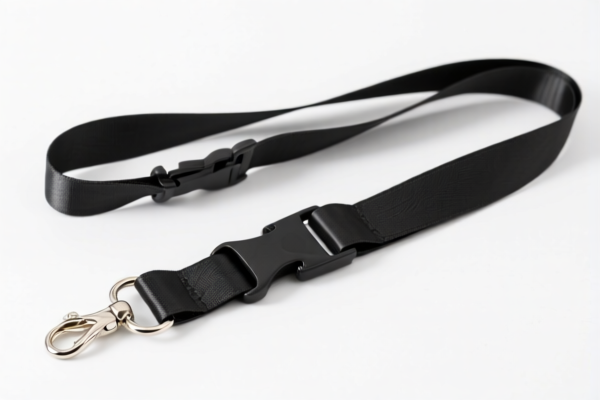
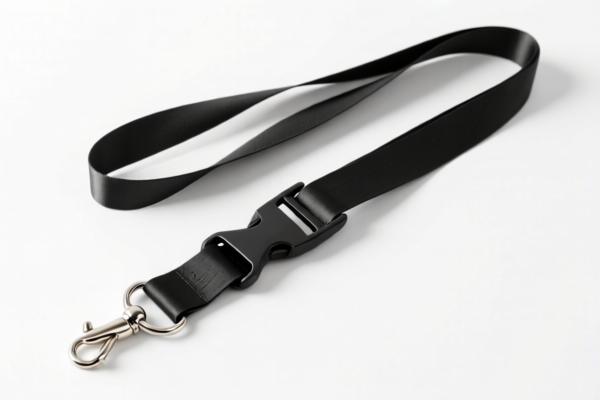
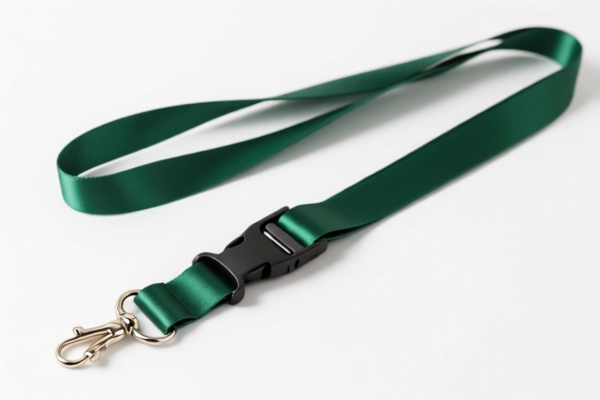
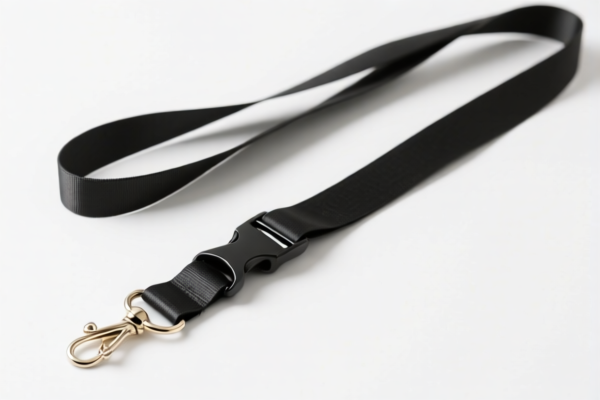
AI Analysis
🎗️ Document Lanyard (ID Card Straps / Badge Holders)
🌐 HS Code Reference & Clearance Guide | 2026 Latest Tariff Analysis | Professional Customs Strategy
📌 I. Product Definition & Classification: Do You Really Understand "Document Lanyards"?
Document Lanyards are essential accessories for identity verification in corporate, academic, and industrial settings. In international trade, they are not a single unified category but are classified based on their primary material composition and structural form.
Misclassification is a major risk because the tax implications vary drastically—from a low 17.5% to a punishing 38.9% depending on whether customs views them as "textiles" or "ropes/cords."
⚠️ Key Classification Point:
- If made of polyester, nylon, or cotton in a flat ribbon/strip form → It is likely classified under Textile Articles (Chapter 63).
- If made of woven textile strands specifically designed as "cord" or "rope" → It may fall under Textile Articles of Cord/Rope (Chapter 56).
- If made of plastic/synthetic fibers in non-specific shapes → It may be classified under Plastic Articles (Chapter 39).
📦 II. HS Code Classification Details (2026 Latest Tariff Authority Comparison)
Based on the provided data, here are the four possible HS Codes for Document Lanyards, ranging from textile ribbons to plastic accessories.
| HS Code | Product Description & Logic | Material Composition | Tax Rate (Total) |
|---|---|---|---|
6307.90.50.20 |
Other Made-Up Textile Articles: Specifically covers items similar to shoelaces or woven bands. High likelihood for standard polyester/nylon lanyards. | Polyester, Nylon, Cotton fibers | 17.5% |
6307.90.50.10 |
Other Made-Up Textile Articles: Specifically covers "hanging straps" or ribbon-type articles. Common for fabric print lanyards. | Cotton, Polyester, Nylon fibers | 17.5% |
5609.00.40.00 |
Articles of Yarn, Cordage, Rope or Twine: Classifies lanyards as "textile cordage" or strap products. Higher base tariff applies. | Textile yarns or strip materials | 38.9% |
3926.90.99.05 |
Other Plastic Articles: For lanyards where plastic is the dominant structural element (e.g., plastic-coated cords or molded plastic components). | Plastic or synthetic fibers | 22.8% |
3926.90.99.89 |
Other Plastic Articles: For non-specific shaped plastic制品 (e.g., generic plastic straps). | Plastic or synthetic fibers | 22.8% |
🔍 Critical Insight:
- The lowest risk/tax options are6307.90.50.10and6307.90.50.20(17.5%). These are preferred for standard fabric lanyards. - The highest risk/tax option is5609.00.40.00(38.9%). This is a "trap" classification for standard lanyards; avoid this unless the product is explicitly defined as heavy-duty rope. - Plastic classifications (3926...) sit in the middle (22.8%) but require strict proof of plastic dominance.
💰 III. 2026 Latest Tariff Rate Breakdown (Including Surcharges & Policy Add-ons)
✅ Applicable Country: United States (US)
✅ Origin: China (CN)
✅ Effective Time: 2025/2026 Current Regime
🎯 1. 6307.90.50.10 & 6307.90.50.20 —— The Optimal Choice (Textile Articles)
| Item | Detail |
|---|---|
| Base Tariff | 0.0% (ad valorem) |
| Section 301 Tariff (Add-on) | +7.5% (Specific surcharge for these subheadings) |
| 122 Clause Tariff (IEEPA) | +10% (China-specific surcharge) |
| Total Effective Rate | 17.5% |
| Tax Calculation | CIF Value × 17.5% |
| De Minimis Exemption | ❌ Not Applicable (Subject to full scrutiny) |
| Legal Basis | Base Tariff 0% + Section 301 Footnote + 122 Clause |
📌 Explanation:
- This is the most cost-effective classification for standard fabric lanyards. - The "0%" base rate significantly lowers the burden compared to the 3.9% base rate in Chapter 56. - Even with the 17.5% total, it is less than half the tax of the5609classification.
🎯 2. 5609.00.40.00 —— The High-Cost Trap (Cordage/Rope Articles)
| Item | Detail |
|---|---|
| Base Tariff | 3.9% (ad valorem) |
| Section 301 Tariff (Add-on) | +25.0% (Standard Section 301 rate) |
| 122 Clause Tariff (IEEPA) | +10% (China-specific surcharge) |
| Total Effective Rate | 38.9% |
| Tax Calculation | CIF Value × 38.9% |
| De Minimis Exemption | ❌ Not Applicable |
| Legal Basis | High Base + High Section 301 + 122 Clause |
📌 Warning:
- Do not classify standard lanyards here unless they are technically "ropes" or "cords" under Chapter 56. - The 25% Section 301 surcharge is the main driver of this high cost. - A misclassification error here could double your customs duties.
🎯 3. 3926.90.99.05 & 3926.90.99.89 —— Plastic-Based Lanyards
| Item | Detail |
|---|---|
| Base Tariff | 5.3% (ad valorem) |
| Section 301 Tariff (Add-on) | +7.5% (Specific surcharge for plastics) |
| 122 Clause Tariff (IEEPA) | +10% (China-specific surcharge) |
| Total Effective Rate | 22.8% |
| Tax Calculation | CIF Value × 22.8% |
| De Minimis Exemption | ❌ Not Applicable |
| Legal Basis | Base Tariff 5.3% + Section 301 + 122 Clause |
📌 Note:
- This applies if the lanyard is primarily plastic (e.g., plastic ribbons, molded plastic clips dominating the structure, or plastic-coated fibers). - If the product is a blend of fabric and plastic, customs may still push for the textile classification (6307) if the fabric is the visible/primary part.
🛠️ IV. Customs Clearance Practical Advice (Pitfall Avoidance Guide)
✅ 1. Documentation Checklist (Must-Haves)
| Document | Required? | Purpose |
|---|---|---|
| ✅ Product Specification Sheet | ✔️ | Must clearly state Material Composition (e.g., "100% Polyester Woven Fabric"). |
| ✅ High-Resolution Photos | ✔️ | Show the texture (woven vs. plastic sheen) and any plastic hardware (clips/buckles). |
| ✅ Commercial Invoice | ✔️ | Description should be precise: "Woven Polyester ID Card Lanyard" rather than just "Lanyard." |
| ✅ Bill of Lading / Packing List | ✔️ | Ensure no "loose" plastic parts are listed separately if they are part of the set. |
| ✅ Material Declaration | ✔️ | Explicitly declare fiber content (Cotton/Polyester/Nylon) to support 6307 classification. |
✅ 2. Declaration Strategy (Key Mantras)
🔥 "Fabric First, Avoid Rope, Plastic Needs Proof!"
| Scenario | Recommended HS Code | Reason |
|---|---|---|
| Standard Fabric Lanyard (Polyester/Nylon ribbon with metal clip) | 6307.90.50.10 or 6307.90.50.20 |
Lowest tax (17.5%). Classify as "Made-Up Textile Article." |
| Heavy-Duty Woven Cord (Thick, round, rope-like) | 5609.00.40.00 |
High tax (38.9%). Only use if it strictly meets "Cord/Rope" definition. |
| Plastic Ribbon/Molded Plastic Strap | 3926.90.99.05/89 |
Medium tax (22.8%). Only if material is >50% plastic by weight/value. |
✅ 3. Specific Clearance Tips
| Situation | Advice |
|---|---|
| Mixed Materials (Fabric strap + Plastic clip) | Declare as Textile (6307). The clip is usually considered an accessory. Do not let customs classify the whole item as Plastic (3926) if the fabric is the main component. |
| Sample vs. Bulk | Ensure the sample provided to customs matches the bulk goods exactly in material. A discrepancy can lead to reclassification. |
| Avoid Generic Terms | Never use just "Lanyard" or "Strap" on the invoice. Use "Woven Textile Lanyard for ID Cards" to guide customs toward 6307. |
| Check for "122 Clause" Impact | All these codes include a +10% IEEPA surcharge for Chinese origin. Factor this into your pricing model. |
🌍 V. Global Market Comparison (2026 Update)
| Market | Recommended HS Code | Est. Total Duty | Key Requirement |
|---|---|---|---|
| 🇺🇸 USA | 6307.90.50.10/20 |
17.5% | Accurate material declaration (Polyester/Cotton). |
| 🇨🇳 China | 6307.90.50.10/20 |
Low (0-5%) | Standard textile import rules. |
| 🇪🇺 EU | 6307.90.98 |
Varies (0-6%) | May have specific environmental standards for dyes. |
| 🇬🇧 UK | 6307.90.98 |
Varies | Post-Brexit tariff schedule applies. |
📌 Conclusion:
- The US market is the most complex due to the Section 301 and 122 Clause surcharges. - For US exports,6307is the gold standard for cost efficiency. - Ensure your supplier provides a Material Test Report to prove the textile nature if challenged by US Customs (CBP).
📌 VI. Common Mistakes & Pitfalls (Lessons Learned)
❌ Mistake 1: Classifying a fabric lanyard as "Plastic" (3926)
👉 Consequence: Higher base tariff (5.3% vs 0%) and potential audit for misdeclaration.
👉 Fix: Emphasize the woven textile nature.
❌ Mistake 2: Classifying a fabric lanyard as "Rope/Cord" (5609)
👉 Consequence: Tariff spikes to 38.9% (from 17.5%). Double the tax cost!
👉 Fix: Use 6307 for flat woven straps. 5609 is for round, thick cords.
❌ Mistake 3: Ignoring the "122 Clause" (+10%)
👉 Consequence: Underestimating landed cost.
👉 Fix: Always add 10% to any China-origin textile/plastic good entering the US.
🎯 VII. Conclusion: Precision in Classification Saves Money
🎯 Remember the Mantra:
🔹 "Fabric is 17.5%, Rope is 38.9%, Plastic is 22.8%. Pick wisely!"
🔹 "Don't let 'Lanyard' confuse you. It's the MATERIAL that sets the price."
📌 Pro Tip:
For the safest and most cost-effective clearance for standard document lanyards:
1. Use 6307.90.50.10 or 6307.90.50.20.
2. Clearly state "Woven Polyester/Nylon Fabric" in the description.
3. Provide material certificates if requested.
📣 Immediate Action:
📞 Confirm material composition with your supplier.
📝 Update your invoice description to "Woven Textile Lanyard".
🚀 Avoid the 38.9% tax trap by sticking to the 17.5%6307classification.
✨ Professional Clearance Starts with Accurate Classification!
💼 Your Profit Margin Depends on the First Digit of the HS Code!
Customer Reviews
About HS Code Classification
The Harmonized System (HS) is an internationally standardized nomenclature developed by the World Customs Organization (WCO) to classify traded products. Over 200 countries use the HS system as the basis for customs tariffs, trade statistics, and import/export regulations.
Each HS code follows a hierarchical structure:
- Chapter (2 digits) — Broad category of goods (e.g., Chapter 84: Machinery and Mechanical Appliances)
- Heading (4 digits) — More specific grouping within the chapter
- Subheading (6 digits) — Internationally standardized breakdown, used by all WCO member countries
- National subdivisions (8-10 digits) — Country-specific extensions for further classification, such as US HTSUS 10-digit codes
Correct HS code classification is essential for smooth customs clearance, accurate duty payment, and compliance with trade regulations. Misclassification can lead to customs delays, overpayment of duties, or penalties.
When importing from CN to US, the applicable tariff rates may include:
- Most-Favored-Nation (MFN) rate — The standard duty rate applied to WTO members
- General rate — Applied to countries without trade agreements
- Trade remedy duties — Additional tariffs such as Section 301 (anti-dumping), Section 232 (national security), or countervailing duties
The information provided on this page is for reference purposes only. For official classification, please consult with your local customs authority or a licensed customs broker.