Dog Bowl
CN → US| HS编码 | 关税税率 | 原产国 | 目的国 | 文档 |
|---|---|---|---|---|
| 7323999030 | 88.4% | CN | US | 官方文档 |
| 7323995030 | 60.0% | CN | US | 官方文档 |
| 6912004810 | 19.8% | CN | US | 官方文档 |
| 3924104000 | 13.4% | CN | US | 官方文档 |
| 3924102000 | 24.0% | CN | US | 官方文档 |
| 6912002000 | 38.0% | CN | US | 官方文档 |
商品图片

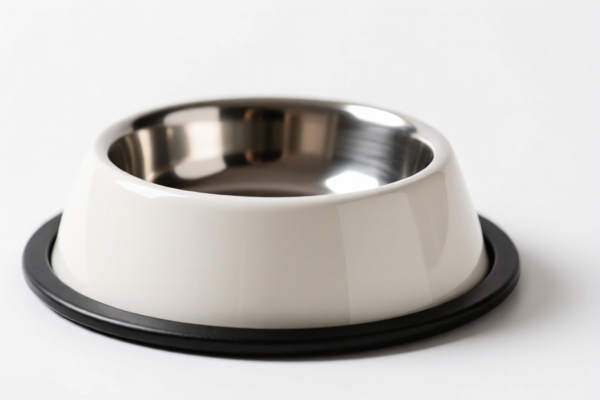
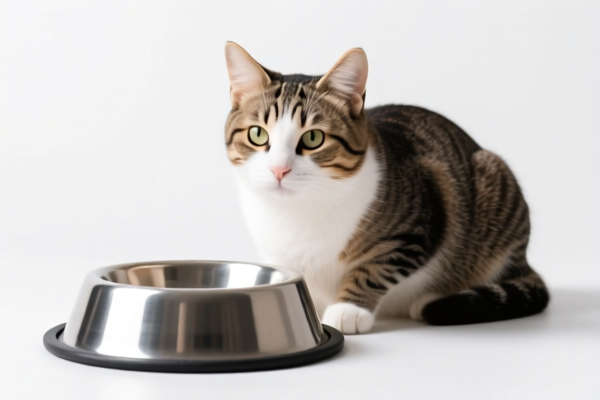
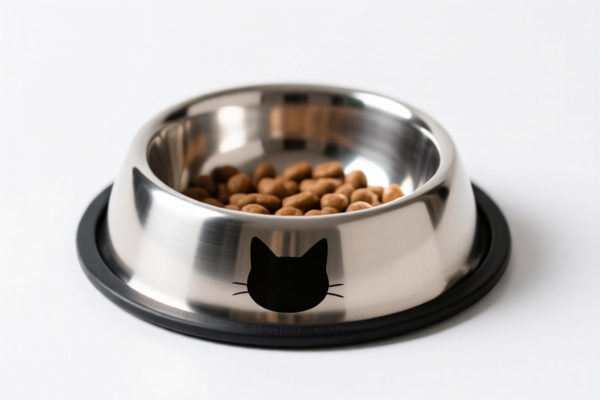
AI分析
🐶 Dog Bowl (Pet Feeder/Water Dispenser)
🌐 HS Code Reference & Clearance Guide | 2026 Tax Tariff Analysis | Professional Customs Strategy
📌 I. Product Definition & Classification: Do You Really Know "Dog Bowls"?
A Dog Bowl is a functional household item used for feeding or watering pets. While seemingly simple, its classification in international trade depends heavily on Material, Function, and Specific Sub-headers. It is generally categorized under "Tableware and Kitchenware" or "Household Articles."
In the context of US imports from China (based on the provided data), the classification dictates a massive variation in tax burden, ranging from 13.4% to a staggering 88.4%.
⚠️ Key Classification Logic: * Plastic (PP/PE): Often falls under kitchenware or general household items. * Ceramic/Stoneware: Classified separately based on composition (Porcelain vs. Non-porcelain). * Metal (Steel/Iron): Heavily scrutinized under "Other articles of iron/steel," often attracting high "Section 301" and "Steel/Aluminum" tariffs.
📦 II. HS Code Classification Matrix (Based on Provided Data)
| HS Code | Material & Type | Product Description & Scope | Tax Rate | Key Tariff Components |
|---|---|---|---|---|
3924.10.40.00 |
Plastic | Plastic Dog Bowls (Tableware Category) | 13.4% | Base: 3.4% + 122 Clause: 10% |
3924.10.20.00 |
Plastic | Plastic Dog Bowls (General Tableware) | 24.0% | Base: 6.5% + Section 301: 7.5% + 122 Clause: 10% |
6912.00.20.00 |
Ceramic/Stone | Non-Porcelain/Non-Bone China Bowls (Non-Household) | 38.0% | Base: 28.0% + 122 Clause: 10% |
7323.99.50.30 |
Steel/Iron | Kitchen/Household Steel Bowls (Food Contact) | 60.0% | Base: 0% + Section 301: 0% + 122 Clause: 10% + Steel Tariff: 50% |
7323.99.90.30 |
Steel/Iron | Dining/General Tableware Steel Bowls | 88.4% | Base: 3.4% + Section 301: 25% + 122 Clause: 10% + Steel Tariff: 50% |
🔍 Critical Insight: * Plastic bowls have the lowest entry barrier, but
3924.10.20.00hits 24% due to additional Section 301 tariffs. * Steel bowls are a cost trap. Even if the base tax is 0%, the 50% "Steel/Aluminum/Copper" additional tariff pushes the total to 60% or 88.4%. * Ceramic bowls (6912) are classified as "Non-Household" in this dataset, attracting a 28% base rate, totaling 38%.
💰 III. 2026 Tax Tariff Breakdown (USA Import Scenario)
✅ Origin: China (CN)
✅ Destination: United States (US)
✅ Applicable Policies: Section 301, IEEPA (Section 122), Steel/Aluminum Tariffs (Section 232)
🎯 1. 3924.10.40.00 – The "Lowest Cost" Plastic Option
- Scenario: High-quality plastic bowls marketed strictly as "Dinnerware" or "Kitchenware."
- Tariff Structure:
- Base Duty: 3.4% (General rate)
- Section 122 (IEEPA): +10% (Additional tax on specific Chinese goods)
- Section 301: $0 (Not applicable for this specific sub-code)
- Total Effective Rate: 13.4%
- 💡 Strategy: If you can classify your plastic bowl under
3924.10.40.00, this is the most cost-effective material. Ensure marketing and specs align with "Dinnerware."
🎯 2. 3924.10.20.00 – The "Standard" Plastic Option
- Scenario: General purpose plastic bowls.
- Tariff Structure:
- Base Duty: 6.5%
- Section 301: +7.5% (Targeted Chinese tariffs)
- Section 122 (IEEPA): +10%
- Total Effective Rate: 24.0%
- 💡 Strategy: A significant jump (almost 11% more) compared to
3924.10.40.00. Verify if your product fits the specific criteria of.40to save nearly half the tax.
🎯 3. 6912.00.20.00 – The "Ceramic" Penalty
- Scenario: Stoneware or non-porcelain bowls (e.g., melamine, certain clays).
- Tariff Structure:
- Base Duty: 28.0% (High for ceramics)
- Section 122 (IEEPA): +10%
- Total Effective Rate: 38.0%
- 💡 Strategy: Avoid this category unless the design requires stone/ceramic texture. The 28% base alone makes it expensive compared to plastic.
🎯 4. 7323.99.50.30 – The "Kitchen" Steel Trap
- Scenario: Stainless steel bowls used for Kitchen/Household purposes.
- Tariff Structure:
- Base Duty: 0.0%
- Section 301: 0.0% (Surprisingly, no 301 tax here)
- Section 122 (IEEPA): +10%
- Steel/Aluminum/Copper Tariff: +50% (The killer)
- Total Effective Rate: 60.0%
- 💡 Strategy: DO NOT use this code for high-volume imports unless the value is extremely low. The 50% steel tariff alone negates any savings from a 0% base rate.
🎯 5. 7323.99.90.30 – The "Dining" Steel Nightmare
- Scenario: Steel bowls classified as "Dining/Tableware."
- Tariff Structure:
- Base Duty: 3.4%
- Section 301: +25.0% (High tier Chinese tariff)
- Section 122 (IEEPA): +10%
- Steel/Aluminum/Copper Tariff: +50% (Double layer)
- Total Effective Rate: 88.4%
- 💡 Strategy: Avoid at all costs. This is the most expensive classification for dog bowls. It combines every possible penalty: Base + 301 + 122 + Steel Tariff.
🛠️ IV. Customs Clearance Practical Advice (Actionable Strategy)
✅ 1. Material Selection is King
- Plastic > Ceramic > Steel: Based on current tax data, Plastic is the clear winner for cost efficiency (13.4% - 24.0%).
- Steel is a Dead End: Unless you are importing a luxury item where the 88% tax is passed directly to a premium consumer, steel dog bowls are financially unviable in the current US market due to the stacked 50% steel tariff + 301 tax.
✅ 2. HS Code Optimization for Plastic
- The
.40vs.20Battle:- Check the Function: If your product is explicitly marketed as "Tableware" (Dinnerware) and fits the definition of
3924.10.40.00, you save 10.6% compared to.20. - Action: Ensure product descriptions, invoices, and marketing materials emphasize "Tableware" or "Dining Use" rather than just "Pet Accessory" to potentially qualify for the lower tariff sub-category.
- Check the Function: If your product is explicitly marketed as "Tableware" (Dinnerware) and fits the definition of
✅ 3. Documentation Checklist
To avoid audits and delays (which cost time and money): | Document | Requirement | Why? | |:---|:---|:---| | Commercial Invoice | Must explicitly state "Plastic Dog Bowl" or "Steel Dog Bowl" | Prevents re-classification by CBP. | | Material Spec Sheet | Must detail "Polypropylene (PP)" or "Stainless Steel 304" | Proves material to justify HS Code. | | Photographs | Clear images of the item, showing no metal parts (for plastic) | CBP checks for hidden steel components. | | Country of Origin | China (CN) | Essential for calculating Section 301 and Section 122 taxes. |
✅ 4. "Steel" Warning: The 50% Hammer
- If importing Steel/Iron bowls (
7323series):- The 50% "Steel/Aluminum/Copper" tariff is mandatory regardless of the base code.
- There is no de minimis exemption for this tier.
- Recommendation: Switch to Plastic immediately. The cost differential (60% vs 13.4%) is insurmountable for standard retail margins.
🌍 V. Global Market Comparison (2026 Snapshot)
| Market | Recommended Material | Approx. Total Tax | Notes |
|---|---|---|---|
| 🇺🇸 USA | Plastic (3924.10.40) |
13.4% | High steel tariffs make metal impossible. |
| 🇪🇺 EU | Ceramic/Plastic | ~0% - 15% | Generally lower Section 301 impact, but check VAT. |
| 🇯🇵 Japan | Plastic | ~10% | Lower tariffs, but strict safety standards. |
| 🇨🇦 Canada | Plastic/Steel | ~5% - 20% | CUSMA agreement may reduce tariffs for eligible goods. |
📌 Conclusion: The USA market is currently the most hostile to Steel Dog Bowls due to the叠加 (stacked) tariffs. Plastic remains the only viable mass-market option.
📌 VI. Common Mistakes & "Blood Lessons"
❌ Mistake 1: "It's just a bowl, doesn't matter if it's steel." 👉 Result: You pay 88.4% tax instead of 13.4%. Loss of margin > 75%. ✅ Fix: Always check the material-specific HS code before shipping.
❌ Mistake 2: Claiming "Pet Accessory" for Steel Bowls.
👉 Result: Customs may force reclassification to 7323.99 (Tableware), triggering the Steel Tariff and Section 301.
✅ Fix: If using steel, check if it falls under "Kitchenware" (7323.99.50) to avoid the 25% Section 301, though the 50% steel tax remains.
❌ Mistake 3: Ignoring the "Section 122" (10%). 👉 Result: All these codes have an extra 10% on top. ✅ Fix: Factor this 10% into your landed cost calculation immediately.
🎯 VII. Final Verdict: The "Dog Bowl" Strategy
🔹 Rule of Thumb: "Plastic is King, Steel is King of Costs." 🔹 Optimal Code: Aim for
3924.10.40.00(Plastic, Tableware) to hit the 13.4% floor. 🔹 Avoid:7323.99.90.30(Steel, Dining) at 88.4%.
Call to Action:
1. Audit your Bill of Materials: If it's steel, switch to BPA-free plastic immediately.
2. Verify Invoice Descriptions: Ensure "Tableware" is used for plastic bowls to secure the .40 code.
3. Calculate Landed Cost: Include the mandatory 10% Section 122 tax in your pricing model.
✨ Professional Customs, Precision Classification, Profit Protection! 💼 Your product's profit margin depends on the first 8 digits of your HS Code.
用户评价
关于 HS 编码归类
协调制度(HS)是由世界海关组织(WCO)制定的国际贸易商品分类标准。全球 200 多个国家采用 HS 系统作为海关关税、贸易统计和进出口监管的基础。
每个 HS 编码遵循以下层级结构:
- 章(2 位)——商品大类(例如:第 84 章:机器和机械设备)
- 品目(4 位)——章内的更具体分类
- 子目(6 位)——国际通用细分,所有 WCO 成员国统一使用
- 本国细分(8-10 位)——各国自行扩展的细分编码,如美国 HTSUS 10 位编码
正确的 HS 编码归类对于顺利通关、准确缴纳关税和遵守贸易法规至关重要。错误归类可能导致海关延误、多缴关税或罚款。
从CN进口到US时,适用的关税税率可能包括:
- 最惠国(MFN)税率——适用于 WTO 成员国的标准关税税率
- 普通税率——适用于无贸易协定国家
- 贸易救济关税——附加关税,如 301 条款(反倾销)、232 条款(国家安全)或反补贴税
本页内容仅供参考。如需正式归类,请咨询当地海关或持牌报关代理。