Dog Bowl
CN → US| HS Code | Tariff Rate | Origin | Destination | Doc |
|---|---|---|---|---|
| 7323999030 | 88.4% | CN | US | Official Doc |
| 7323995030 | 60.0% | CN | US | Official Doc |
| 6912004810 | 19.8% | CN | US | Official Doc |
| 3924104000 | 13.4% | CN | US | Official Doc |
| 3924102000 | 24.0% | CN | US | Official Doc |
| 6912002000 | 38.0% | CN | US | Official Doc |
Product Images

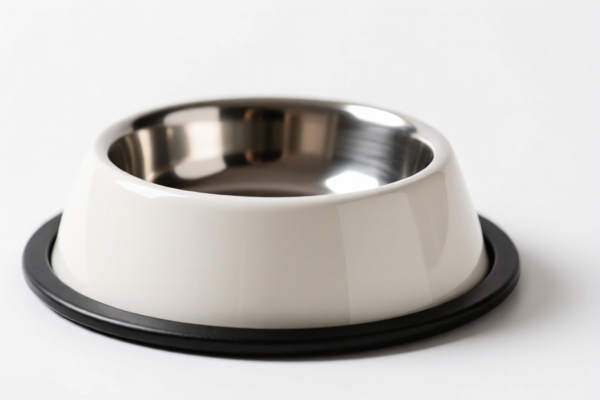
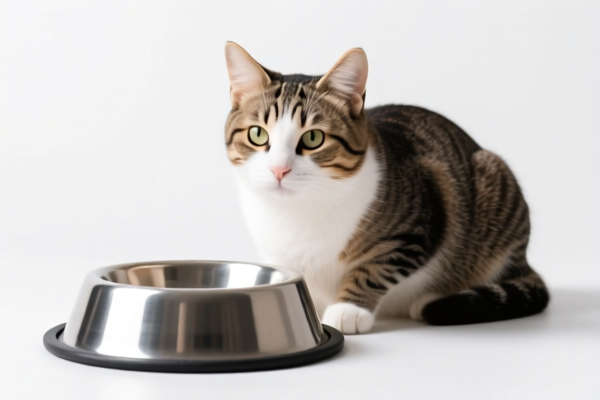
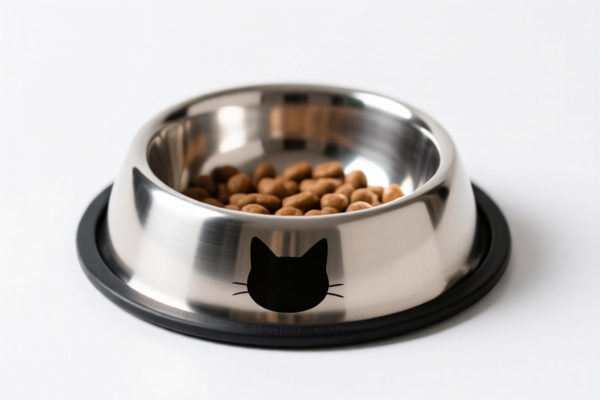
AI Analysis
🐶 Dog Bowl (Pet Feeder/Water Dispenser)
🌐 HS Code Reference & Clearance Guide | 2026 Tax Tariff Analysis | Professional Customs Strategy
📌 I. Product Definition & Classification: Do You Really Know "Dog Bowls"?
A Dog Bowl is a functional household item used for feeding or watering pets. While seemingly simple, its classification in international trade depends heavily on Material, Function, and Specific Sub-headers. It is generally categorized under "Tableware and Kitchenware" or "Household Articles."
In the context of US imports from China (based on the provided data), the classification dictates a massive variation in tax burden, ranging from 13.4% to a staggering 88.4%.
⚠️ Key Classification Logic: * Plastic (PP/PE): Often falls under kitchenware or general household items. * Ceramic/Stoneware: Classified separately based on composition (Porcelain vs. Non-porcelain). * Metal (Steel/Iron): Heavily scrutinized under "Other articles of iron/steel," often attracting high "Section 301" and "Steel/Aluminum" tariffs.
📦 II. HS Code Classification Matrix (Based on Provided Data)
| HS Code | Material & Type | Product Description & Scope | Tax Rate | Key Tariff Components |
|---|---|---|---|---|
3924.10.40.00 |
Plastic | Plastic Dog Bowls (Tableware Category) | 13.4% | Base: 3.4% + 122 Clause: 10% |
3924.10.20.00 |
Plastic | Plastic Dog Bowls (General Tableware) | 24.0% | Base: 6.5% + Section 301: 7.5% + 122 Clause: 10% |
6912.00.20.00 |
Ceramic/Stone | Non-Porcelain/Non-Bone China Bowls (Non-Household) | 38.0% | Base: 28.0% + 122 Clause: 10% |
7323.99.50.30 |
Steel/Iron | Kitchen/Household Steel Bowls (Food Contact) | 60.0% | Base: 0% + Section 301: 0% + 122 Clause: 10% + Steel Tariff: 50% |
7323.99.90.30 |
Steel/Iron | Dining/General Tableware Steel Bowls | 88.4% | Base: 3.4% + Section 301: 25% + 122 Clause: 10% + Steel Tariff: 50% |
🔍 Critical Insight: * Plastic bowls have the lowest entry barrier, but
3924.10.20.00hits 24% due to additional Section 301 tariffs. * Steel bowls are a cost trap. Even if the base tax is 0%, the 50% "Steel/Aluminum/Copper" additional tariff pushes the total to 60% or 88.4%. * Ceramic bowls (6912) are classified as "Non-Household" in this dataset, attracting a 28% base rate, totaling 38%.
💰 III. 2026 Tax Tariff Breakdown (USA Import Scenario)
✅ Origin: China (CN)
✅ Destination: United States (US)
✅ Applicable Policies: Section 301, IEEPA (Section 122), Steel/Aluminum Tariffs (Section 232)
🎯 1. 3924.10.40.00 – The "Lowest Cost" Plastic Option
- Scenario: High-quality plastic bowls marketed strictly as "Dinnerware" or "Kitchenware."
- Tariff Structure:
- Base Duty: 3.4% (General rate)
- Section 122 (IEEPA): +10% (Additional tax on specific Chinese goods)
- Section 301: $0 (Not applicable for this specific sub-code)
- Total Effective Rate: 13.4%
- 💡 Strategy: If you can classify your plastic bowl under
3924.10.40.00, this is the most cost-effective material. Ensure marketing and specs align with "Dinnerware."
🎯 2. 3924.10.20.00 – The "Standard" Plastic Option
- Scenario: General purpose plastic bowls.
- Tariff Structure:
- Base Duty: 6.5%
- Section 301: +7.5% (Targeted Chinese tariffs)
- Section 122 (IEEPA): +10%
- Total Effective Rate: 24.0%
- 💡 Strategy: A significant jump (almost 11% more) compared to
3924.10.40.00. Verify if your product fits the specific criteria of.40to save nearly half the tax.
🎯 3. 6912.00.20.00 – The "Ceramic" Penalty
- Scenario: Stoneware or non-porcelain bowls (e.g., melamine, certain clays).
- Tariff Structure:
- Base Duty: 28.0% (High for ceramics)
- Section 122 (IEEPA): +10%
- Total Effective Rate: 38.0%
- 💡 Strategy: Avoid this category unless the design requires stone/ceramic texture. The 28% base alone makes it expensive compared to plastic.
🎯 4. 7323.99.50.30 – The "Kitchen" Steel Trap
- Scenario: Stainless steel bowls used for Kitchen/Household purposes.
- Tariff Structure:
- Base Duty: 0.0%
- Section 301: 0.0% (Surprisingly, no 301 tax here)
- Section 122 (IEEPA): +10%
- Steel/Aluminum/Copper Tariff: +50% (The killer)
- Total Effective Rate: 60.0%
- 💡 Strategy: DO NOT use this code for high-volume imports unless the value is extremely low. The 50% steel tariff alone negates any savings from a 0% base rate.
🎯 5. 7323.99.90.30 – The "Dining" Steel Nightmare
- Scenario: Steel bowls classified as "Dining/Tableware."
- Tariff Structure:
- Base Duty: 3.4%
- Section 301: +25.0% (High tier Chinese tariff)
- Section 122 (IEEPA): +10%
- Steel/Aluminum/Copper Tariff: +50% (Double layer)
- Total Effective Rate: 88.4%
- 💡 Strategy: Avoid at all costs. This is the most expensive classification for dog bowls. It combines every possible penalty: Base + 301 + 122 + Steel Tariff.
🛠️ IV. Customs Clearance Practical Advice (Actionable Strategy)
✅ 1. Material Selection is King
- Plastic > Ceramic > Steel: Based on current tax data, Plastic is the clear winner for cost efficiency (13.4% - 24.0%).
- Steel is a Dead End: Unless you are importing a luxury item where the 88% tax is passed directly to a premium consumer, steel dog bowls are financially unviable in the current US market due to the stacked 50% steel tariff + 301 tax.
✅ 2. HS Code Optimization for Plastic
- The
.40vs.20Battle:- Check the Function: If your product is explicitly marketed as "Tableware" (Dinnerware) and fits the definition of
3924.10.40.00, you save 10.6% compared to.20. - Action: Ensure product descriptions, invoices, and marketing materials emphasize "Tableware" or "Dining Use" rather than just "Pet Accessory" to potentially qualify for the lower tariff sub-category.
- Check the Function: If your product is explicitly marketed as "Tableware" (Dinnerware) and fits the definition of
✅ 3. Documentation Checklist
To avoid audits and delays (which cost time and money): | Document | Requirement | Why? | |:---|:---|:---| | Commercial Invoice | Must explicitly state "Plastic Dog Bowl" or "Steel Dog Bowl" | Prevents re-classification by CBP. | | Material Spec Sheet | Must detail "Polypropylene (PP)" or "Stainless Steel 304" | Proves material to justify HS Code. | | Photographs | Clear images of the item, showing no metal parts (for plastic) | CBP checks for hidden steel components. | | Country of Origin | China (CN) | Essential for calculating Section 301 and Section 122 taxes. |
✅ 4. "Steel" Warning: The 50% Hammer
- If importing Steel/Iron bowls (
7323series):- The 50% "Steel/Aluminum/Copper" tariff is mandatory regardless of the base code.
- There is no de minimis exemption for this tier.
- Recommendation: Switch to Plastic immediately. The cost differential (60% vs 13.4%) is insurmountable for standard retail margins.
🌍 V. Global Market Comparison (2026 Snapshot)
| Market | Recommended Material | Approx. Total Tax | Notes |
|---|---|---|---|
| 🇺🇸 USA | Plastic (3924.10.40) |
13.4% | High steel tariffs make metal impossible. |
| 🇪🇺 EU | Ceramic/Plastic | ~0% - 15% | Generally lower Section 301 impact, but check VAT. |
| 🇯🇵 Japan | Plastic | ~10% | Lower tariffs, but strict safety standards. |
| 🇨🇦 Canada | Plastic/Steel | ~5% - 20% | CUSMA agreement may reduce tariffs for eligible goods. |
📌 Conclusion: The USA market is currently the most hostile to Steel Dog Bowls due to the叠加 (stacked) tariffs. Plastic remains the only viable mass-market option.
📌 VI. Common Mistakes & "Blood Lessons"
❌ Mistake 1: "It's just a bowl, doesn't matter if it's steel." 👉 Result: You pay 88.4% tax instead of 13.4%. Loss of margin > 75%. ✅ Fix: Always check the material-specific HS code before shipping.
❌ Mistake 2: Claiming "Pet Accessory" for Steel Bowls.
👉 Result: Customs may force reclassification to 7323.99 (Tableware), triggering the Steel Tariff and Section 301.
✅ Fix: If using steel, check if it falls under "Kitchenware" (7323.99.50) to avoid the 25% Section 301, though the 50% steel tax remains.
❌ Mistake 3: Ignoring the "Section 122" (10%). 👉 Result: All these codes have an extra 10% on top. ✅ Fix: Factor this 10% into your landed cost calculation immediately.
🎯 VII. Final Verdict: The "Dog Bowl" Strategy
🔹 Rule of Thumb: "Plastic is King, Steel is King of Costs." 🔹 Optimal Code: Aim for
3924.10.40.00(Plastic, Tableware) to hit the 13.4% floor. 🔹 Avoid:7323.99.90.30(Steel, Dining) at 88.4%.
Call to Action:
1. Audit your Bill of Materials: If it's steel, switch to BPA-free plastic immediately.
2. Verify Invoice Descriptions: Ensure "Tableware" is used for plastic bowls to secure the .40 code.
3. Calculate Landed Cost: Include the mandatory 10% Section 122 tax in your pricing model.
✨ Professional Customs, Precision Classification, Profit Protection! 💼 Your product's profit margin depends on the first 8 digits of your HS Code.
Customer Reviews
About HS Code Classification
The Harmonized System (HS) is an internationally standardized nomenclature developed by the World Customs Organization (WCO) to classify traded products. Over 200 countries use the HS system as the basis for customs tariffs, trade statistics, and import/export regulations.
Each HS code follows a hierarchical structure:
- Chapter (2 digits) — Broad category of goods (e.g., Chapter 84: Machinery and Mechanical Appliances)
- Heading (4 digits) — More specific grouping within the chapter
- Subheading (6 digits) — Internationally standardized breakdown, used by all WCO member countries
- National subdivisions (8-10 digits) — Country-specific extensions for further classification, such as US HTSUS 10-digit codes
Correct HS code classification is essential for smooth customs clearance, accurate duty payment, and compliance with trade regulations. Misclassification can lead to customs delays, overpayment of duties, or penalties.
When importing from CN to US, the applicable tariff rates may include:
- Most-Favored-Nation (MFN) rate — The standard duty rate applied to WTO members
- General rate — Applied to countries without trade agreements
- Trade remedy duties — Additional tariffs such as Section 301 (anti-dumping), Section 232 (national security), or countervailing duties
The information provided on this page is for reference purposes only. For official classification, please consult with your local customs authority or a licensed customs broker.