Door Locking Device
CN → US| HS编码 | 关税税率 | 原产国 | 目的国 | 文档 |
|---|---|---|---|---|
| 8302419045 | 38.5% | CN | US | 官方文档 |
| 7326908688 | 87.9% | CN | US | 官方文档 |
| 8301406030 | 23.2% | CN | US | 官方文档 |
| 7326908676 | 87.9% | CN | US | 官方文档 |
| 8301300090 | 23.2% | CN | US | 官方文档 |
| 8302416045 | 88.9% | CN | US | 官方文档 |
商品图片
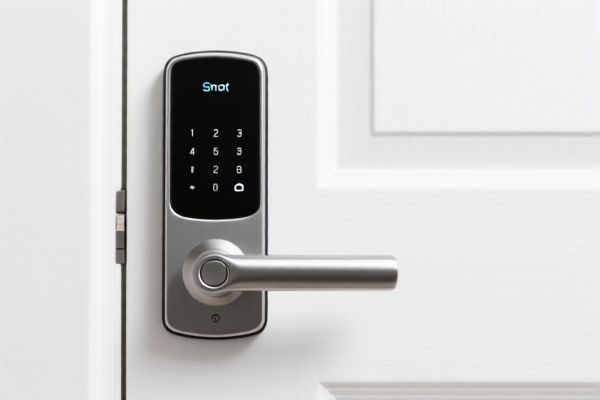
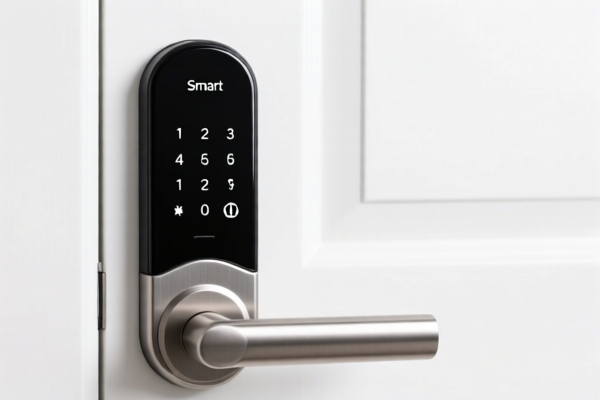
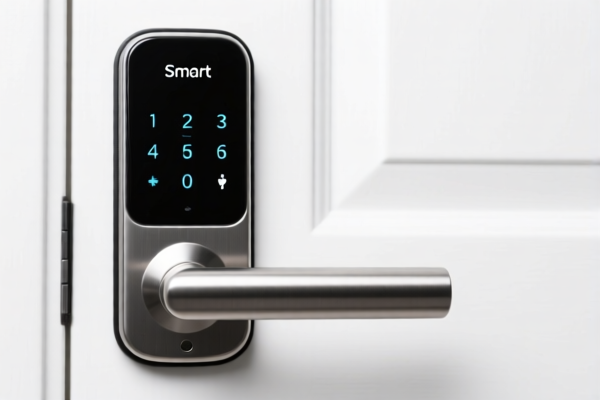
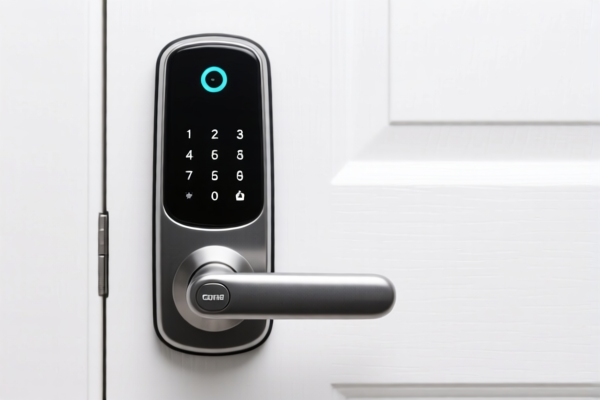
AI分析
🔐 Door Locking Devices: The Ultimate HS Code & Tax Breakdown for US Import (2026)
🌐 HS Code Reference & Customs Clearance Guide | 2026 Latest Tariff Analysis | Professional Entry Strategy
📌 I. Product Definition & Classification: Do You Really Understand "Door Locks"?
Door locking devices are essential security components for residential, commercial, and industrial applications. In international trade, they are classified based on material and specific function. The distinction is critical because the tariff rates vary significantly depending on whether the lock is classified as a general "base metal fitting" or a "steel/iron product."
Key Classification Criteria: 1. Material Composition: Is it primarily Zinc Alloy, Brass, Stainless Steel, or Carbon Steel? 2. Function/Assembly: Is it a standalone lock set, a key-operated cylinder, or a part of a larger assembly? 3. Trade Restrictions: Are subject to Section 301 or Section 232 tariffs?
⚠️ Critical Distinction:
- Base Metal Fittings (e.g., Zinc, Brass, General Alloy): Typically classified under Chapter 83. These often enjoy lower additional tariffs. - Steel/Iron Articles (e.g., Carbon Steel Lock Bodies): Typically classified under Chapter 73. These are subject to higher additional tariffs (Section 232 + Section 301).
📦 II. HS Code Classification Details (2026 Official Tariff Schedule)
| HS Code | Product Description | Summary | Total Tax Rate | Tax Details |
|---|---|---|---|---|
8302.41.90.45 |
Base metal fittings, mounts & similar articles; locks (key-operated, electrically operated) for vehicles, furniture, doors, etc. | Door locks belong to building fittings, made of base metal, fitting the characteristics of metal accessories for construction. | 38.5% | Base: 3.5% +25% Section 301 +10% Section 122 |
7326.90.86.88 |
Other articles of iron or steel. | Door locks are manufactured metal consumer goods, made of iron or steel, falling under other articles of iron or steel. | 87.9% | Base: 2.9% +25% Section 301 +10% Section 122 +50% Steel/Aluminum/Copper Surcharge |
8301.40.60.30 |
Locks of all kinds (other than those of heading 8302), keys, etc. | Door lock usage and classification are consistent; materials are mostly base metals, no material conflict. | 23.2% | Base: 5.7% +7.5% Section 301 +10% Section 122 |
7326.90.86.76 |
Other articles of iron or steel; parts or accessories. | Door locks are made of metal, belonging to parts or articles of other iron or steel. | 87.9% | Base: 2.9% +25% Section 301 +10% Section 122 +50% Steel/Aluminum/Copper Surcharge |
8301.30.00.90 |
Locks of all kinds (other than those of heading 8302); keys. | Door locks are made of metal, usage falls under locks for furniture or buildings. | 23.2% | Base: 5.7% +7.5% Section 301 +10% Section 122 |
🔍 Key Takeaway:
- Class 8301/8302 (Base Metals/Fittings): Best case scenario. Total tax ranges from 23.2% to 38.5%.
- Class 7326 (Steel/Iron Articles): Worst case scenario. Total tax hits 87.9% due to the 50% Steel/Aluminum/Copper surcharge.
- Avoid 7326: Unless the product is exclusively steel-based and cannot be classified under 8301/8302, the 87.9% rate is prohibitive.
💰 III. 2026 Latest Tariff Rate Breakdown (Including Additional Duties)
✅ Applicable Country: United States (US)
✅ Origin: China (CN)
✅ Effective Time: Current rates applicable for 2026 imports
🎯 1. 8302.41.90.45 —— Base Metal Fittings (Door Locks for Buildings)
| Item | Detail |
|---|---|
| Base Rate | 3.5% (Ad Valorem) |
| Section 301 Surcharge | +25.0% |
| Section 122 Surcharge | +10.0% |
| Total Effective Rate | 38.5% |
| Tax Calculation | CIF Value × 38.5% |
| De Minimis Eligibility | ❌ No (Denied) |
| Legal Basis | HTSUS 8302.41.90.45 + Section 301 List 4B + Section 122 |
📌 Explanation:
- This classification assumes the lock is a general fitting for doors/buildings made of base metal (not specifically steel/iron under Chapter 73).
- The 25% Section 301 tariff applies to many Chapter 83 items.
- The 10% Section 122 tariff may apply depending on specific trade remedy orders.
- Result: A manageable 38.5% total tax burden.
🎯 2. 7326.90.86.88 & 7326.90.86.76 —— Steel/Iron Articles (High Risk)
| Item | Detail |
|---|---|
| Base Rate | 2.9% (Ad Valorem) |
| Section 301 Surcharge | +25.0% |
| Section 122 Surcharge | +10.0% |
| Steel/Aluminum/Copper Surcharge | +50.0% |
| Total Effective Rate | 87.9% |
| Tax Calculation | CIF Value × 87.9% |
| De Minimis Eligibility | ❌ No (Denied) |
| Legal Basis | HTSUS 7326.90.86.88/76 + Section 232 + Section 301 |
📌 Warning:
- The 50% Steel/Aluminum/Copper surcharge is the deal-breaker here.
- This applies if the lock is strictly classified as an article of iron or steel under Chapter 73.
- Result: Nearly 90% tax burden, making imports extremely expensive.
🎯 3. 8301.40.60.30 & 8301.30.00.90 —— Locks of All Kinds (Optimal for Keyed/Electric Locks)
| Item | Detail |
|---|---|
| Base Rate | 5.7% (Ad Valorem) |
| Section 301 Surcharge | +7.5% |
| Section 122 Surcharge | +10.0% |
| Total Effective Rate | 23.2% |
| Tax Calculation | CIF Value × 23.2% |
| De Minimis Eligibility | ❌ No (Denied) |
| Legal Basis | HTSUS 8301.40.60.30 / 8301.30.00.90 + Section 301 + Section 122 |
📌 Explanation:
- These codes cover lock mechanisms (key-operated, electric) directly, rather than "fittings."
- The Section 301 rate is significantly lower (7.5% vs. 25% or 50%).
- Result: The lowest tax burden at 23.2%. This is the preferred classification if the product fits the description of "locks of all kinds."
🛠️ IV. Customs Clearance Practical Advice (Real-World Pitfall Guide)
✅ 1. Preparation Checklist (Mandatory)
| Document | Required | Notes |
|---|---|---|
| ✅ Product Specification Sheet | ✔️ | Must detail material composition (e.g., "Zinc Alloy Body, Steel Pin"), dimensions, and locking mechanism type. |
| ✅ Material Certificate | ✔️ | Critical to prove the material is Base Metal (Zinc/Brass) rather than Steel/Iron to avoid 87.9% tax. |
| ✅ Product Photos (Labeled) | ✔️ | Clear shots of the lock body, key cylinder, and any branding. |
| ✅ Commercial Invoice | ✔️ | Must specify "Door Lock, Key-Operated" or "Electronic Door Lock," not generic "Hardware." |
| ✅ Bill of Lading | ✔️ | Ensure HS Code matches the declared material and function. |
✅ 2. Declaration Strategy (Key Mantras)
🔥 "Material is King, Function is Queen, Avoid Steel, Pick 8301!"
| Scenario | Correct Declaration | Wrong Declaration | Consequence |
|---|---|---|---|
| Zinc/Brass Door Lock | 8301.40.60.30 (Locks) |
7326.90.86.88 (Steel Articles) |
Tax jumps from 23.2% → 87.9% ❌ |
| Key-Operated Cylinder | 8301.40.60.30 |
8302.41.90.45 |
Tax rises from 23.2% → 38.5% ⚠️ |
| Building Fitting (Hinge + Lock) | 8302.41.90.45 |
7326... |
Avoid 87.9% ❌ |
| Steel Lock Body | 7326... (If unavoidable) |
8301... |
Risk of reclassification + penalty ⚠️ |
✅ 3. Special Situations
| Situation | Handling Advice |
|---|---|
| Mixed Materials | If the lock is 90% Zinc but has a Steel internal pin, argue for 8301 (Locks) rather than 7326 (Steel Articles). Provide material weight breakdown. |
| Smart Locks | If it has electronic components, ensure it's not classified as an electrical device (Chapter 85) which may have different tariffs. Usually, still classified as 8301 if the primary function is mechanical locking. |
| OEM/Private Label | Ensure the supplier’s documentation aligns with your HS code claim. Discrepancies trigger audits. |
| Section 232 Steel | If the lock is 100% Steel, you cannot avoid the 50% surcharge unless you can prove it is not "steel" under the 232 definition (e.g., high-alloy stainless). Be cautious. |
🌍 V. Global Market Comparison (2026)
| Country/Region | Recommended HS Code | Estimated Duty | Certification | Notes |
|---|---|---|---|---|
| 🇺🇸 USA | 8301.40.60.30 |
23.2% | None specific | Best option. Avoid 7326 (87.9%). |
| 🇪🇺 EU | 8301.10 |
~0-2% | CE/RoHS | Low tariffs. Prefer Chapter 83. |
| 🇨🇳 China | 8301.40 |
5-7% | CCC (if applicable) | Domestic production benefits. |
| 🇦🇺 Australia | 8301.40 |
5% | RCM | Standard duties. |
| 🇨🇦 Canada | 8301.40 |
0-5% | None | Generally favorable. |
📌 Conclusion:
- USA is the most challenging market due to Section 301 and 232 tariffs.
- Strategy: Always aim for HS Code 8301.40.60.30 (23.2%) or 8302.41.90.45 (38.5%).
- Avoid HS Code 7326 (87.9%) at all costs unless the product is strictly steel and cannot be classified elsewhere.
📌 VI. Common Mistakes & Pitfalls (Lessons Learned)
❌ Mistake 1: Declaring a Zinc Alloy Lock as 7326.90.86.88 (Steel Articles).
👉 Result: Tax increases from 23.2% to 87.9%. Loss of competitiveness!
❌ Mistake 2: Declaring a Key-Operated Lock as 8302.41.90.45 (Fittings).
👉 Result: Tax increases from 23.2% to 38.5%. Unnecessary cost.
❌ Mistake 3: Not providing Material Composition.
👉 Result: Customs may default to the highest duty rate or delay clearance for inspection.
❌ Mistake 4: Ignoring Section 122 tariffs.
👉 Result: Unexpected 10% surcharge on top of Section 301.
✅ Correct Approach:
"Door Lock, Key-Operated, Zinc Alloy Body, Steel Pin, Model XYZ, for Residential Doors"
🎯 VII. Conclusion: Precise Classification Saves Money!
🎯 Remember the Mantra:
🔹 "Base Metal (8301) is King, Steel (7326) is Doom."
🔹 "23.2% vs 87.9%: The difference is profit!"
🔹 "Always declare the most specific function (Locks) over general material (Steel Articles)."
📌 Pro Tip:
If your door locks contain electronic components (smart locks), consult a customs broker to ensure they are not misclassified as electrical devices (Chapter 85), which may have different tariff structures. However, for traditional mechanical locks, 8301.40.60.30 is your best friend.
📣 Immediate Action:
📞 Contact a licensed customs broker + Provide material specs + Request HS Code Pre-Ruling
🚀 Optimize your supply chain to avoid the 87.9% steel trap!
✨ Professional clearance starts with accurate classification!
💼 Every percentage point of duty saved is pure profit!
用户评价
关于 HS 编码归类
协调制度(HS)是由世界海关组织(WCO)制定的国际贸易商品分类标准。全球 200 多个国家采用 HS 系统作为海关关税、贸易统计和进出口监管的基础。
每个 HS 编码遵循以下层级结构:
- 章(2 位)——商品大类(例如:第 84 章:机器和机械设备)
- 品目(4 位)——章内的更具体分类
- 子目(6 位)——国际通用细分,所有 WCO 成员国统一使用
- 本国细分(8-10 位)——各国自行扩展的细分编码,如美国 HTSUS 10 位编码
正确的 HS 编码归类对于顺利通关、准确缴纳关税和遵守贸易法规至关重要。错误归类可能导致海关延误、多缴关税或罚款。
从CN进口到US时,适用的关税税率可能包括:
- 最惠国(MFN)税率——适用于 WTO 成员国的标准关税税率
- 普通税率——适用于无贸易协定国家
- 贸易救济关税——附加关税,如 301 条款(反倾销)、232 条款(国家安全)或反补贴税
本页内容仅供参考。如需正式归类,请咨询当地海关或持牌报关代理。