Door Locking Device
CN → US| HS Code | Tariff Rate | Origin | Destination | Doc |
|---|---|---|---|---|
| 8302419045 | 38.5% | CN | US | Official Doc |
| 7326908688 | 87.9% | CN | US | Official Doc |
| 8301406030 | 23.2% | CN | US | Official Doc |
| 7326908676 | 87.9% | CN | US | Official Doc |
| 8301300090 | 23.2% | CN | US | Official Doc |
| 8302416045 | 88.9% | CN | US | Official Doc |
Product Images
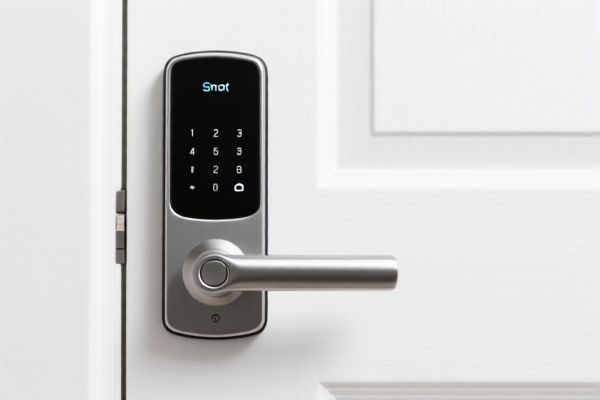
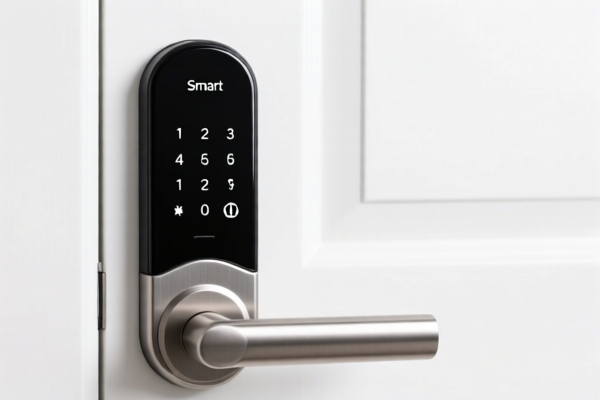
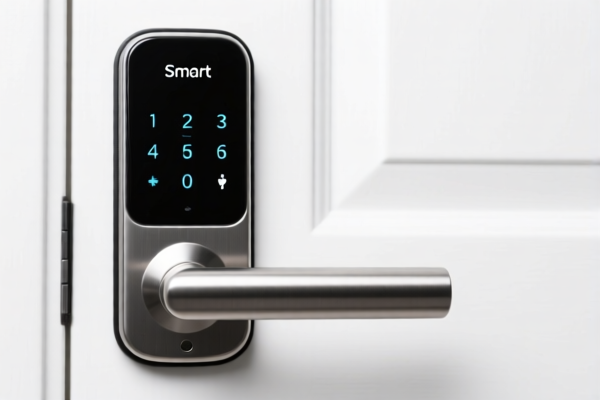
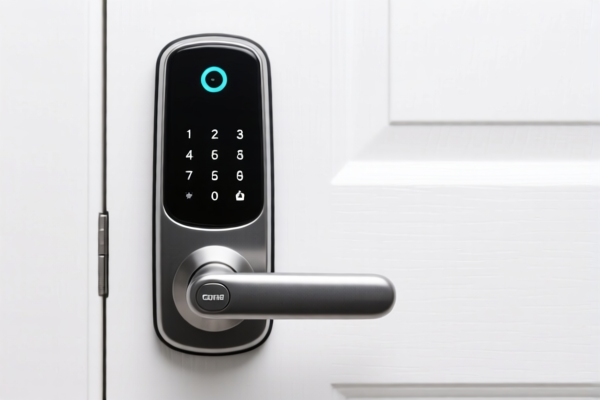
AI Analysis
🔐 Door Locking Devices: The Ultimate HS Code & Tax Breakdown for US Import (2026)
🌐 HS Code Reference & Customs Clearance Guide | 2026 Latest Tariff Analysis | Professional Entry Strategy
📌 I. Product Definition & Classification: Do You Really Understand "Door Locks"?
Door locking devices are essential security components for residential, commercial, and industrial applications. In international trade, they are classified based on material and specific function. The distinction is critical because the tariff rates vary significantly depending on whether the lock is classified as a general "base metal fitting" or a "steel/iron product."
Key Classification Criteria: 1. Material Composition: Is it primarily Zinc Alloy, Brass, Stainless Steel, or Carbon Steel? 2. Function/Assembly: Is it a standalone lock set, a key-operated cylinder, or a part of a larger assembly? 3. Trade Restrictions: Are subject to Section 301 or Section 232 tariffs?
⚠️ Critical Distinction:
- Base Metal Fittings (e.g., Zinc, Brass, General Alloy): Typically classified under Chapter 83. These often enjoy lower additional tariffs. - Steel/Iron Articles (e.g., Carbon Steel Lock Bodies): Typically classified under Chapter 73. These are subject to higher additional tariffs (Section 232 + Section 301).
📦 II. HS Code Classification Details (2026 Official Tariff Schedule)
| HS Code | Product Description | Summary | Total Tax Rate | Tax Details |
|---|---|---|---|---|
8302.41.90.45 |
Base metal fittings, mounts & similar articles; locks (key-operated, electrically operated) for vehicles, furniture, doors, etc. | Door locks belong to building fittings, made of base metal, fitting the characteristics of metal accessories for construction. | 38.5% | Base: 3.5% +25% Section 301 +10% Section 122 |
7326.90.86.88 |
Other articles of iron or steel. | Door locks are manufactured metal consumer goods, made of iron or steel, falling under other articles of iron or steel. | 87.9% | Base: 2.9% +25% Section 301 +10% Section 122 +50% Steel/Aluminum/Copper Surcharge |
8301.40.60.30 |
Locks of all kinds (other than those of heading 8302), keys, etc. | Door lock usage and classification are consistent; materials are mostly base metals, no material conflict. | 23.2% | Base: 5.7% +7.5% Section 301 +10% Section 122 |
7326.90.86.76 |
Other articles of iron or steel; parts or accessories. | Door locks are made of metal, belonging to parts or articles of other iron or steel. | 87.9% | Base: 2.9% +25% Section 301 +10% Section 122 +50% Steel/Aluminum/Copper Surcharge |
8301.30.00.90 |
Locks of all kinds (other than those of heading 8302); keys. | Door locks are made of metal, usage falls under locks for furniture or buildings. | 23.2% | Base: 5.7% +7.5% Section 301 +10% Section 122 |
🔍 Key Takeaway:
- Class 8301/8302 (Base Metals/Fittings): Best case scenario. Total tax ranges from 23.2% to 38.5%.
- Class 7326 (Steel/Iron Articles): Worst case scenario. Total tax hits 87.9% due to the 50% Steel/Aluminum/Copper surcharge.
- Avoid 7326: Unless the product is exclusively steel-based and cannot be classified under 8301/8302, the 87.9% rate is prohibitive.
💰 III. 2026 Latest Tariff Rate Breakdown (Including Additional Duties)
✅ Applicable Country: United States (US)
✅ Origin: China (CN)
✅ Effective Time: Current rates applicable for 2026 imports
🎯 1. 8302.41.90.45 —— Base Metal Fittings (Door Locks for Buildings)
| Item | Detail |
|---|---|
| Base Rate | 3.5% (Ad Valorem) |
| Section 301 Surcharge | +25.0% |
| Section 122 Surcharge | +10.0% |
| Total Effective Rate | 38.5% |
| Tax Calculation | CIF Value × 38.5% |
| De Minimis Eligibility | ❌ No (Denied) |
| Legal Basis | HTSUS 8302.41.90.45 + Section 301 List 4B + Section 122 |
📌 Explanation:
- This classification assumes the lock is a general fitting for doors/buildings made of base metal (not specifically steel/iron under Chapter 73).
- The 25% Section 301 tariff applies to many Chapter 83 items.
- The 10% Section 122 tariff may apply depending on specific trade remedy orders.
- Result: A manageable 38.5% total tax burden.
🎯 2. 7326.90.86.88 & 7326.90.86.76 —— Steel/Iron Articles (High Risk)
| Item | Detail |
|---|---|
| Base Rate | 2.9% (Ad Valorem) |
| Section 301 Surcharge | +25.0% |
| Section 122 Surcharge | +10.0% |
| Steel/Aluminum/Copper Surcharge | +50.0% |
| Total Effective Rate | 87.9% |
| Tax Calculation | CIF Value × 87.9% |
| De Minimis Eligibility | ❌ No (Denied) |
| Legal Basis | HTSUS 7326.90.86.88/76 + Section 232 + Section 301 |
📌 Warning:
- The 50% Steel/Aluminum/Copper surcharge is the deal-breaker here.
- This applies if the lock is strictly classified as an article of iron or steel under Chapter 73.
- Result: Nearly 90% tax burden, making imports extremely expensive.
🎯 3. 8301.40.60.30 & 8301.30.00.90 —— Locks of All Kinds (Optimal for Keyed/Electric Locks)
| Item | Detail |
|---|---|
| Base Rate | 5.7% (Ad Valorem) |
| Section 301 Surcharge | +7.5% |
| Section 122 Surcharge | +10.0% |
| Total Effective Rate | 23.2% |
| Tax Calculation | CIF Value × 23.2% |
| De Minimis Eligibility | ❌ No (Denied) |
| Legal Basis | HTSUS 8301.40.60.30 / 8301.30.00.90 + Section 301 + Section 122 |
📌 Explanation:
- These codes cover lock mechanisms (key-operated, electric) directly, rather than "fittings."
- The Section 301 rate is significantly lower (7.5% vs. 25% or 50%).
- Result: The lowest tax burden at 23.2%. This is the preferred classification if the product fits the description of "locks of all kinds."
🛠️ IV. Customs Clearance Practical Advice (Real-World Pitfall Guide)
✅ 1. Preparation Checklist (Mandatory)
| Document | Required | Notes |
|---|---|---|
| ✅ Product Specification Sheet | ✔️ | Must detail material composition (e.g., "Zinc Alloy Body, Steel Pin"), dimensions, and locking mechanism type. |
| ✅ Material Certificate | ✔️ | Critical to prove the material is Base Metal (Zinc/Brass) rather than Steel/Iron to avoid 87.9% tax. |
| ✅ Product Photos (Labeled) | ✔️ | Clear shots of the lock body, key cylinder, and any branding. |
| ✅ Commercial Invoice | ✔️ | Must specify "Door Lock, Key-Operated" or "Electronic Door Lock," not generic "Hardware." |
| ✅ Bill of Lading | ✔️ | Ensure HS Code matches the declared material and function. |
✅ 2. Declaration Strategy (Key Mantras)
🔥 "Material is King, Function is Queen, Avoid Steel, Pick 8301!"
| Scenario | Correct Declaration | Wrong Declaration | Consequence |
|---|---|---|---|
| Zinc/Brass Door Lock | 8301.40.60.30 (Locks) |
7326.90.86.88 (Steel Articles) |
Tax jumps from 23.2% → 87.9% ❌ |
| Key-Operated Cylinder | 8301.40.60.30 |
8302.41.90.45 |
Tax rises from 23.2% → 38.5% ⚠️ |
| Building Fitting (Hinge + Lock) | 8302.41.90.45 |
7326... |
Avoid 87.9% ❌ |
| Steel Lock Body | 7326... (If unavoidable) |
8301... |
Risk of reclassification + penalty ⚠️ |
✅ 3. Special Situations
| Situation | Handling Advice |
|---|---|
| Mixed Materials | If the lock is 90% Zinc but has a Steel internal pin, argue for 8301 (Locks) rather than 7326 (Steel Articles). Provide material weight breakdown. |
| Smart Locks | If it has electronic components, ensure it's not classified as an electrical device (Chapter 85) which may have different tariffs. Usually, still classified as 8301 if the primary function is mechanical locking. |
| OEM/Private Label | Ensure the supplier’s documentation aligns with your HS code claim. Discrepancies trigger audits. |
| Section 232 Steel | If the lock is 100% Steel, you cannot avoid the 50% surcharge unless you can prove it is not "steel" under the 232 definition (e.g., high-alloy stainless). Be cautious. |
🌍 V. Global Market Comparison (2026)
| Country/Region | Recommended HS Code | Estimated Duty | Certification | Notes |
|---|---|---|---|---|
| 🇺🇸 USA | 8301.40.60.30 |
23.2% | None specific | Best option. Avoid 7326 (87.9%). |
| 🇪🇺 EU | 8301.10 |
~0-2% | CE/RoHS | Low tariffs. Prefer Chapter 83. |
| 🇨🇳 China | 8301.40 |
5-7% | CCC (if applicable) | Domestic production benefits. |
| 🇦🇺 Australia | 8301.40 |
5% | RCM | Standard duties. |
| 🇨🇦 Canada | 8301.40 |
0-5% | None | Generally favorable. |
📌 Conclusion:
- USA is the most challenging market due to Section 301 and 232 tariffs.
- Strategy: Always aim for HS Code 8301.40.60.30 (23.2%) or 8302.41.90.45 (38.5%).
- Avoid HS Code 7326 (87.9%) at all costs unless the product is strictly steel and cannot be classified elsewhere.
📌 VI. Common Mistakes & Pitfalls (Lessons Learned)
❌ Mistake 1: Declaring a Zinc Alloy Lock as 7326.90.86.88 (Steel Articles).
👉 Result: Tax increases from 23.2% to 87.9%. Loss of competitiveness!
❌ Mistake 2: Declaring a Key-Operated Lock as 8302.41.90.45 (Fittings).
👉 Result: Tax increases from 23.2% to 38.5%. Unnecessary cost.
❌ Mistake 3: Not providing Material Composition.
👉 Result: Customs may default to the highest duty rate or delay clearance for inspection.
❌ Mistake 4: Ignoring Section 122 tariffs.
👉 Result: Unexpected 10% surcharge on top of Section 301.
✅ Correct Approach:
"Door Lock, Key-Operated, Zinc Alloy Body, Steel Pin, Model XYZ, for Residential Doors"
🎯 VII. Conclusion: Precise Classification Saves Money!
🎯 Remember the Mantra:
🔹 "Base Metal (8301) is King, Steel (7326) is Doom."
🔹 "23.2% vs 87.9%: The difference is profit!"
🔹 "Always declare the most specific function (Locks) over general material (Steel Articles)."
📌 Pro Tip:
If your door locks contain electronic components (smart locks), consult a customs broker to ensure they are not misclassified as electrical devices (Chapter 85), which may have different tariff structures. However, for traditional mechanical locks, 8301.40.60.30 is your best friend.
📣 Immediate Action:
📞 Contact a licensed customs broker + Provide material specs + Request HS Code Pre-Ruling
🚀 Optimize your supply chain to avoid the 87.9% steel trap!
✨ Professional clearance starts with accurate classification!
💼 Every percentage point of duty saved is pure profit!
Customer Reviews
About HS Code Classification
The Harmonized System (HS) is an internationally standardized nomenclature developed by the World Customs Organization (WCO) to classify traded products. Over 200 countries use the HS system as the basis for customs tariffs, trade statistics, and import/export regulations.
Each HS code follows a hierarchical structure:
- Chapter (2 digits) — Broad category of goods (e.g., Chapter 84: Machinery and Mechanical Appliances)
- Heading (4 digits) — More specific grouping within the chapter
- Subheading (6 digits) — Internationally standardized breakdown, used by all WCO member countries
- National subdivisions (8-10 digits) — Country-specific extensions for further classification, such as US HTSUS 10-digit codes
Correct HS code classification is essential for smooth customs clearance, accurate duty payment, and compliance with trade regulations. Misclassification can lead to customs delays, overpayment of duties, or penalties.
When importing from CN to US, the applicable tariff rates may include:
- Most-Favored-Nation (MFN) rate — The standard duty rate applied to WTO members
- General rate — Applied to countries without trade agreements
- Trade remedy duties — Additional tariffs such as Section 301 (anti-dumping), Section 232 (national security), or countervailing duties
The information provided on this page is for reference purposes only. For official classification, please consult with your local customs authority or a licensed customs broker.