Dried Cowhide Leather
CN → US| HS编码 | 关税税率 | 原产国 | 目的国 | 文档 |
|---|---|---|---|---|
| 4101201010 | 17.5% | CN | US | 官方文档 |
| 4101901030 | 17.5% | CN | US | 官方文档 |
| 4107117030 | 15.0% | CN | US | 官方文档 |
| 4107127030 | 15.0% | CN | US | 官方文档 |
| 4103901130 | 17.5% | CN | US | 官方文档 |
商品图片
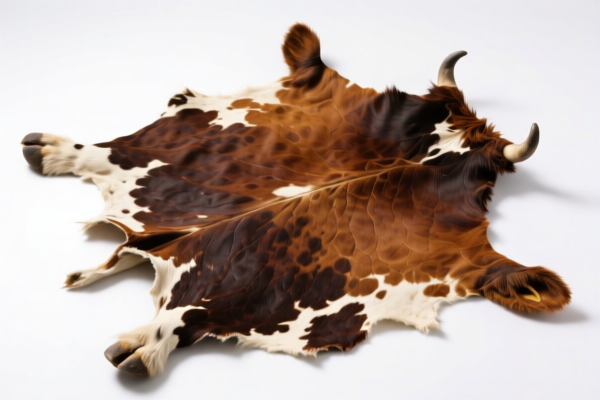
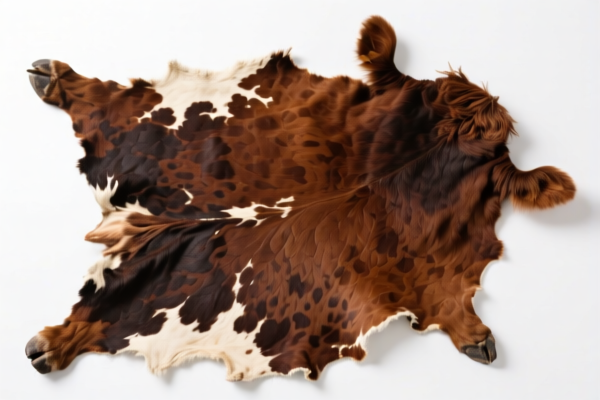
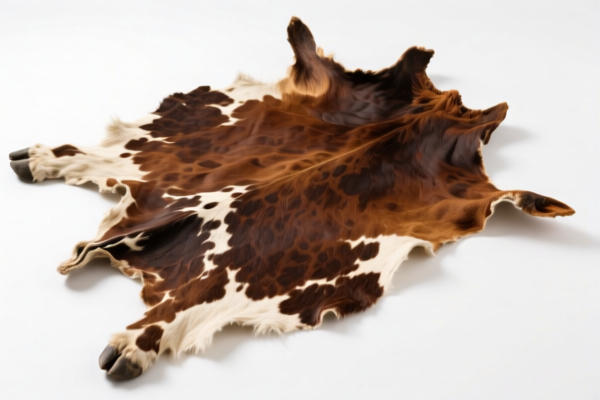
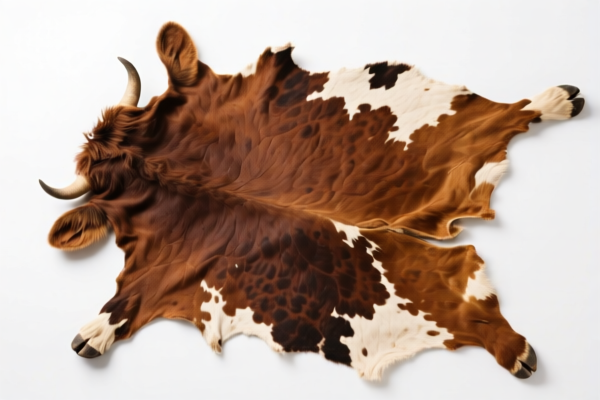
AI分析
🐄 Dried Cowhide Leather: The Ultimate HS Code & Taxation Guide
🌐 HS Code Reference & Customs Clearance Guide | 2026 Latest Tariff Analysis | Professional Entry Strategy
📌 I. Product Definition & Classification: Do You Really Understand "Dried Cowhide"?
Dried Cowhide Leather is the raw material foundation of the global leather industry. In international trade, it is not a single entity but is categorized by its processing state (raw vs. tanned) and physical form (whole hide vs. split). Misclassification is the #1 cause of customs delays and tax disputes.
Key Distinctions:
1. Un-tanned Raw Hides (Dry): Not chemically treated to prevent decay. High risk of inspection.
2. Chrome-Tanned Hides: Processed with chromium salts. Stable, durable, ready for shoebag manufacturing.
3. Splits vs. Full Grain: "Splits" are the fibrous layers split from the grain side. They are significantly cheaper and have different HS codes than "Full Grain."
⚠️ Critical Note:
- Dry & Un-tanned = High Tariff (7.5% + 10% punitive).
- Chrome-Tanned = Moderate Tariff (5% + 10% punitive).
- Misclassification Risk: Declaring chrome-tanned leather as "raw" or vice versa can trigger customs audits for fraud or incorrect declaration.
📦 II. HS Code Classification Details (2026 Latest Tariff Authority)
Based on the provided data, here are the precise classifications for dried cowhide products.
| HS Code | Product Description (Summary) | Processing State | Physical Form | Key Identifier |
|---|---|---|---|---|
| 4101.20.10.10 | Dried Cowhide, Untanned Raw Hide | Raw (Un-tanned) | Dry Preserved | Whole hide, no chemical stabilization |
| 4101.90.10.30 | Dried Cowhide, Bovine Raw Hide | Raw (Un-tanned) | Dry Preserved | General bovine raw hide, dried |
| 4107.11.70.30 | Dried Cowhide Splits, Chrome-Tanned | Tanned (Chrome) | Full Grain | Top layer, smooth grain, chrome-stabilized |
| 4107.12.70.30 | Dried Cowhide Splits, Chrome-Tanned | Tanned (Chrome) | Split/Layer | Fibrous layer, split from grain, chrome-stabilized |
| 4103.90.11.30 | Dried Deer Skin | Raw (Un-tanned) | Dry Preserved | Note: Similar form to cowhide, but different species (Deer) |
🔍 Important Clarification:
- 4101.xxxx codes refer to Raw, Un-tanned Skins. These are the "starting material."
- 4107.xxxx codes refer to Tanned Skins (specifically Chrome-Tanned). These are "semi-finished" leather ready for manufacturing.
- 4103.xxxx is for Other Raw Skins (e.g., Deer, Goat, Sheep). Do not confuse Deer Skin (4103.90.11.30) with Cowhide (4101). They have identical tax structures but different biological origins.
💰 III. 2026 Latest Tariff Rate Breakdown (Including Surcharges & Policy Add-ons)
✅ Applicable Country: United States (US)
✅ Origin: China (CN)
✅ Effective Date: 2025/2026 Tariff Schedule
🎯 1. Raw, Dried, Un-tanned Cowhide (4101.20.10.10 & 4101.90.10.30)
Includes: Whole dried hides, raw bovine skins.
| Item | Content |
|---|---|
| Base Tariff | 0.0% (Free) |
| Section 301 Surcharge | +7.5% |
| Section 122 Tariff | +10.0% (Specific punitive tariff for certain agricultural/raw materials) |
| Total Effective Tax | 17.5% |
| Tax Calculation | CIF Value × 17.5% |
| De Minimis Eligibility | ❌ NO (Generally restricted for raw hides due to sanitary risks) |
| Legal Basis | HTSUS 4101 → Section 301 Footnote → Section 122 Order |
📌 Explanation:
- Although the base tariff is 0%, the 7.5% Section 301 tariff applies to Chinese-origin raw hides.
- The 10% Section 122 tariff is a specific punitive measure often applied to raw agricultural or animal products to protect domestic supply chains.
- Total 17.5% is significant for low-value raw materials, impacting margins heavily.
🎯 2. Chrome-Tanned Cowhide Splits (4107.11.70.30 & 4107.12.70.30)
Includes: Full grain chrome-tanned hides, split leather layers.
| Item | Content |
|---|---|
| Base Tariff | 5.0% |
| Section 301 Surcharge | 0.0% (No additional Section 301 tariff for this specific sub-category in this data set) |
| Section 122 Tariff | +10.0% |
| Total Effective Tax | 15.0% |
| Tax Calculation | CIF Value × 15.0% |
| De Minimis Eligibility | ❌ NO |
| Legal Basis | HTSUS 4107 → Section 122 Order |
📌 Explanation:
- Tanned leather starts with a 5% base tariff because it is a "processed" good, not raw.
- However, it is still subject to the 10% Section 122 punitive tariff.
- The 7.5% Section 301 does not appear in the tax detail for these codes, making the total 15.0% (lower than raw hides).
- Strategy: If you can process raw hides into chrome-tanned splits before export, the tax rate drops from 17.5% to 15.0%.
🎯 3. Dried Deer Skin (4103.90.11.30)
Includes: Un-tanned, dried deer skins (similar form to cowhide).
| Item | Content |
|---|---|
| Base Tariff | 0.0% |
| Section 301 Surcharge | +7.5% |
| Section 122 Tariff | +10.0% |
| Total Effective Tax | 17.5% |
| Tax Calculation | CIF Value × 17.5% |
| De Minimis Eligibility | ❌ NO |
📌 Note: Deer skin is grouped with other raw skins. It shares the same high tax burden as raw cowhide (17.5%).
🛠️ IV. Customs Clearance Practical Advice (Real-World Pitfall Guide)
✅ 1. Documentation Checklist (Non-Negotiable)
| Document | Required | Purpose |
|---|---|---|
| ✅ Commercial Invoice | ✔️ | Must explicitly state "Dried Cowhide, Un-tanned" or "Chrome-Tanned Split." Do NOT just say "Leather." |
| ✅ Packing List | ✔️ | Must detail weight (Gross/Net) and number of hides. |
| ✅ Veterinary Certificate | ✔️ | CRITICAL for Raw Hides (4101/4103). Proves disease-free status (e.g., BSE-free). |
| ✅ Tanning Certificate | ✔️ | CRITICAL for Tanned Hides (4107). Proves chrome-tanning method (prevents mercury/chromium pollution disputes). |
| ✅ Origin Certificate | ✔️ | Required to apply Section 122/301 duties accurately. |
✅ 2. Declaration Tips (Key Mnemonics)
🔥 "Raw Needs Vet Cert, Tanned Needs Tanning Cert, Name Must Be Precise!"
| Scenario | Correct Declaration | Wrong Declaration | Consequence |
|---|---|---|---|
| Raw Dried Hide | 4101.20.10.10 - "Dried Bovine Raw Hide, Un-tanned" |
"Leather Hides" | Denied Entry (No Vet Cert) or Wrong Tax |
| Chrome-Tanned Split | 4107.12.70.30 - "Chrome-Tanned Cowhide Split" |
"Raw Hide" | Overpayment (17.5% vs 15.0%) |
| Full Grain Tanned | 4107.11.70.30 - "Chrome-Tanned Full Grain Hide" |
"Split Leather" | Underpayment Risk (Different base rates) |
| Deer Skin | 4103.90.11.30 - "Dried Deer Skin" |
"Cowhide" | Misclassification Fine |
✅ 3. Special Circumstances Handling
| Situation | Handling Advice |
|---|---|
| Mix of Raw and Tanned | DO NOT MIX in one shipment. Declare separately. Mixed shipments cause massive delays. |
| Salting vs. Drying | Specify "Dry" vs. "Salted." Salting may fall under different preservation rules (still 4101, but inspection differs). |
| De Minimis | Raw hides are never eligible for de minimis (Section 321) due to agricultural health risks. Must file formal entry. |
| Environmental Compliance | Tanned hides must comply with REACH (if EU) or US EPA standards. Ensure chrome content is declared to avoid "toxic waste" classification. |
🌍 V. Global Market Clearance Comparison (2026 Latest)
| Country/Region | Recommended HS Code | Tariff (CN Origin) | Key Certification | Remarks |
|---|---|---|---|---|
| 🇺🇸 USA | 4101.20.10.10 / 4107.11.70.30 |
17.5% (Raw) 15.0% (Tanned) |
USDA Vet Cert Chrome Tanning Proof |
Section 122 and 301 apply. High scrutiny. |
| 🇪🇺 EU | 4101 / 4107 |
0% (Most Raw) ~12% (Tanned) |
REACH Compliance Eco-Label (Optional) |
No Section 301/122. Lower tax, higher environmental standards. |
| 🇨🇳 China | 4101 / 4107 |
0% (Raw) 5% (Tanned) |
CIQ Inspection | Import duty is low. Export tax rebate applies if exporting from CN. |
| 🇻🇳 Vietnam | 4101 / 4107 |
Varies | GSP/CPTPP Rules | Potential hub for further processing to avoid US tariffs. |
📌 Conclusion:
- USA is the most expensive market due to the 10% Section 122 tariff.
- Tanning before export reduces the US tax rate from 17.5% to 15.0% by removing the 7.5% Section 301 component (based on provided data).
- EU has no punitive tariffs, making it a more cost-effective destination for tanned goods, provided environmental regulations are met.
📌 VI. Common Mistakes & Pitfall Guide (Lessons Learned)
❌ Mistake 1: Declaring "Chrome-Tanned" as "Raw Hide"
👉 Consequence: If caught, it’s fraud. If missed, you pay 17.5% instead of 15.0% (Overpayment).
👉 Fix: Always include tanning method in description.
❌ Mistake 2: Forgetting Veterinary Certificate for Raw Hides
👉 Consequence: Seizure or Destruction at port. Raw hides are biohazards.
👉 Fix: Secure USDA-approved vet cert before shipping.
❌ Mistake 3: Mixing Full Grain and Split in One HS Code
👉 Consequence: 4107.11.70.30 (Full Grain) and 4107.12.70.30 (Split) have different values and uses.
👉 Fix: Separate by product type in invoice and packing list.
❌ Mistake 4: Using "Leather" as a Generic Term
👉 Consequence: Customs will ask for clarification, causing 3-7 day delays.
👉 Fix: Use precise terms: "Dried, Un-tanned Cowhide" or "Chrome-Tanned Cowhide Split."
✅ Best Practice:
"Item: Dried Cowhide, Un-tanned, HS 4101.20.10.10, Origin China, No BSE Risk, Vet Cert Attached."
🎯 VII. Conclusion: Precision in Classification Saves Money!
🎯 Remember the Rules:
🔹 Raw Hide = 17.5% (0% Base + 7.5% 301 + 10% 122)
🔹 Tanned Split = 15.0% (5% Base + 0% 301 + 10% 122)
🔹 Deer Skin = 17.5% (Same as Raw Cowhide)
🔹 Never Ship Without Vet/Tanning Certs!
📌 Pro Tip:
If you are exporting from China to the US, tanning the hides locally before export can save 2.5% in duties (17.5% → 15.0%). However, factor in the cost of tanning and environmental compliance.
📣 Immediate Action:
📞 Contact your freight forwarder with exact HS Codes and processing status.
📄 Attach Vet Certs (for Raw) or Tanning Certs (for Tanned) to your documentation package.
🚀 Clear Customs Fast, Avoid Penalties, Maximize Profit!
✨ Professional Clearance Starts with Precise Classification!
💼 Your Cost Efficiency Depends on This 5% Difference!
用户评价
关于 HS 编码归类
协调制度(HS)是由世界海关组织(WCO)制定的国际贸易商品分类标准。全球 200 多个国家采用 HS 系统作为海关关税、贸易统计和进出口监管的基础。
每个 HS 编码遵循以下层级结构:
- 章(2 位)——商品大类(例如:第 84 章:机器和机械设备)
- 品目(4 位)——章内的更具体分类
- 子目(6 位)——国际通用细分,所有 WCO 成员国统一使用
- 本国细分(8-10 位)——各国自行扩展的细分编码,如美国 HTSUS 10 位编码
正确的 HS 编码归类对于顺利通关、准确缴纳关税和遵守贸易法规至关重要。错误归类可能导致海关延误、多缴关税或罚款。
从CN进口到US时,适用的关税税率可能包括:
- 最惠国(MFN)税率——适用于 WTO 成员国的标准关税税率
- 普通税率——适用于无贸易协定国家
- 贸易救济关税——附加关税,如 301 条款(反倾销)、232 条款(国家安全)或反补贴税
本页内容仅供参考。如需正式归类,请咨询当地海关或持牌报关代理。