Dried Lavender Bundle
CN → US| HS编码 | 关税税率 | 原产国 | 目的国 | 文档 |
|---|---|---|---|---|
| 1211908990 | 35.0% | CN | US | 官方文档 |
| 1211908980 | 35.0% | CN | US | 官方文档 |
| 1211908980 | 35.0% | CN | US | 官方文档 |
| 1211908990 | 35.0% | CN | US | 官方文档 |
| 1211908980 | 35.0% | CN | US | 官方文档 |
商品图片
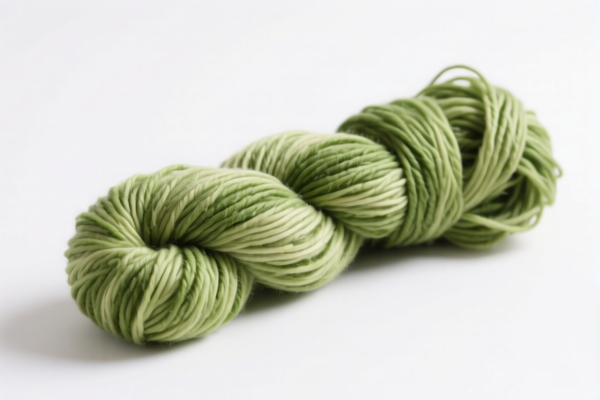
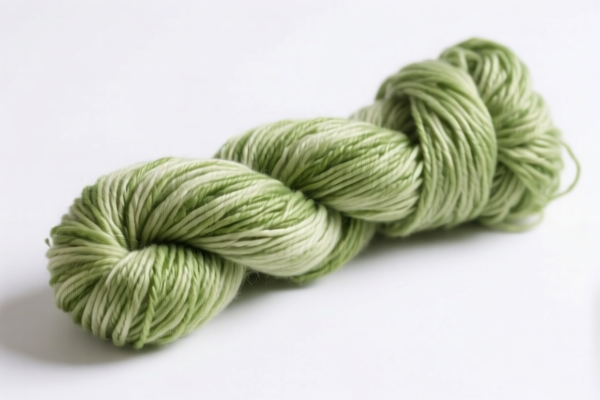
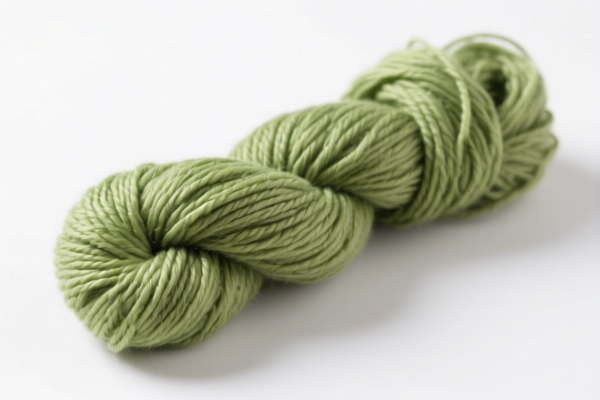
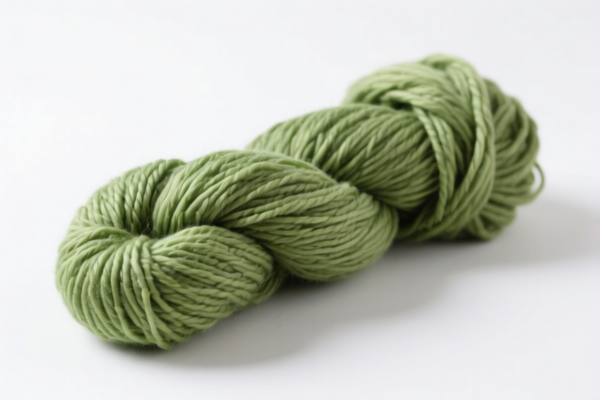
AI分析
🌿 Dried Lavender Bundle (LAVANDULA STALKS/FLOWERS)
🌐 HS Code Reference & Customs Clearance Guide | 2026 Latest Tariff Analysis | Professional Entry Strategy
📌 I. Product Definition & Classification: What Exactly Is a "Dried Lavender Bundle"?
Dried Lavender is a versatile botanical product used in aromatherapy, herbal teas, potpourri, and natural perfumes. In international trade, it falls under Chapter 12: Oil Seeds and Oleaginous Fruits; Miscellaneous Grains, Seeds and Fruit; Industrial or Medical Plants; Straw and Fodder.
Specifically, it is classified based on its form (dried) and intended use (spices, herbal tea, or other).
⚠️ Key Distinction:
- If used primarily as a spice or flavoring agent → Often falls under "Other" categories within HS 1211.90.89.90.
- If specifically prepared for herbal tea or as a distinct single-species botanical ingredient → May fall under HS 1211.90.89.80.
- Both codes currently carry the same high tariff burden due to trade measures.
📦 II. HS Code Classification Details (2026 Latest Tariff Authority Comparison)
| HS Code | Product Description | Applicable Scenario | Classification Basis |
|---|---|---|---|
1211.90.89.90 |
Dried Lavender Bundles (Plants), dried form, for spices or similar uses | Aromatherapy, potpourri, general botanical trade | "Other" plants/part, not elsewhere specified |
1211.90.89.80 |
Dried Lavender Bundles (Plant Parts), dried form, for herbal tea or plant spices | Single-species herbal tea ingredients, distinct botanical classification | Meets "single species" criteria for specific sub-use |
1211.90.89.80 |
Dried Lavender Flowers, dried form, for herbal tea or plant spices | Consistent with "herbal tea" and "plant spice" usage | Matches classification for specific botanical preparation |
1211.90.89.90 |
Dried Lavender Flower Bundles, dried form, for spices/similar uses | "Other" category definition for dried botanical bundles | Fits "dried form" and "Other" sub-heading definition |
🔍 Key Reminder:
- Both 1211.90.89.90 and 1211.90.89.80 are grouped under HS 1211.90 (Plants and parts of plants, of a kind used primarily in perfumery, in pharmacy or for insecticidal, fungicidal or similar purposes).
- Crucially, despite the slight difference in description (Spices vs. Herbal Tea/Single Species), the tax rate is identical for both codes under current US-China trade policies.
- Do NOT assume a lower tax rate by choosing one code over the other; both are subject to the same total tariff.
💰 III. 2026 Latest Tariff Rate Breakdown (Including Surtaxes & Policy Add-ons)
✅ Applicable Country: United States (US)
✅ Country of Origin: China (CN)
✅ Effective Date: Ongoing (Current Trade Policies)
🎯 1. HS Codes: 1211.90.89.90 & 1211.90.89.80
| Item | Content |
|---|---|
| Base Tariff Rate | 0.0% (Ad Valorem, under standard MFN) |
| Section 301 Surcharge | +25.0% (Applied to goods from China under US Trade Act Section 301) |
| Section 122 Tariff | +10.0% (Specific tariff provision for certain agricultural/plant products) |
| Total Tariff Rate | 35.0% |
| Tax Calculation | CIF Value × 35% |
| De Minimis Exemption | ❌ NOT ELIGIBLE (Section 301 tariffs generally negate de minimis treatment for high-risk goods; verify with latest CBP rulings) |
| Legal Basis Path | Section 301: 9903.88.01 → Section 122 → USITC: 1211.90.89.90/80 |
📌 Explanation:
- The 0% base rate might suggest low duty, but the 35% total is significant for low-value botanical goods.
- The 25% Section 301 tariff applies broadly to many Chinese-origin goods, including plant materials.
- The 10% Section 122 tariff is a specific add-on for certain agricultural imports.
- Combined, they create a 35% tariff, which directly impacts profit margins for dried lavender exporters.
🛠️ IV. Customs Clearance Practical Advice (Avoid Pitfalls)
✅ 1. Required Documentation Checklist
| Document | Must Provide? | Notes |
|---|---|---|
| ✅ Commercial Invoice | ✔️ | Must clearly state "Dried Lavender Bundle" and HS Code |
| ✅ Packing List | ✔️ | Detail weight, quantity, and packaging type |
| ✅ Certificate of Origin (CO) | ✔️ | Proves Chinese origin (triggers tariffs) |
| ✅ Phytosanitary Certificate | ✔️ | MANDATORY for plant products; issued by Chinese customs/agriculture authority |
| ✅ Product Specification Sheet | ✔️ | Include drying method, particle size, purity, and intended use |
| ✅ Supplier Declaration | ✔️ | Confirm no pesticide residues exceeding US FDA/EPA limits |
✅ 2. Declaration Tips (Key Rules)
🔥 "Accurate Name, Clear Origin, Full Docs – Don’t Risk It!"
| Scenario | Correct Declaration | Incorrect Approach |
|---|---|---|
| Dried Lavender for Aromatherapy | Use 1211.90.89.90 (Spices/Other) |
Mislabel as "Tea" to avoid Section 122 (Risky & Wrong) |
| Dried Lavender for Herbal Tea | Use 1211.90.89.80 (Single Species) |
Under-declare value or misstate origin |
| Mixed Botanical Bundle | Declare each component separately | Hide plant parts in a general "miscellaneous" code |
| High-Value Essential Oil Blend | Declare as Oil (HS 3301) if applicable | Declare as dried plant (HS 1211) if processed beyond drying |
⚠️ Critical Note:
- Phytosanitary Certification is non-negotiable. Failure to provide a valid certificate will result in immediate rejection or destruction of the shipment by USDA/APHIS.
- Pesticide Residue Compliance: Ensure the lavender meets EPA standards for pesticides. Non-compliance leads to FDA detention.
✅ 3. Special Situations
| Situation | Handling Advice |
|---|---|
| Organic Certification | Provide USDA Organic or EU Organic certificate to appeal to premium markets, but does not reduce tariff |
| Retail-Ready Packaging | Clearly state "Consumer Ready" in invoice to avoid misclassification as industrial bulk |
| Small Samples (< $800) | Check current de minimis rules; Section 301 tariffs may still apply to Chinese goods even under $800, depending on CBP enforcement |
| Re-export from Third Country | If shipped from Vietnam/Malaysia, origin must be genuine; transshipment fraud risks severe penalties |
🌍 V. Global Market Clearance Comparison (2026 Latest)
| Country/Region | Recommended HS Code | Tariff (China Origin) | Certification Requirements | Notes |
|---|---|---|---|---|
| 🇺🇸 USA | 1211.90.89.90 / .80 |
35% (0% Base + 25% Sec 301 + 10% Sec 122) | Phytosanitary + EPA (Pesticide) | Highest duty rate among major markets |
| 🇨🇳 China | 1211.90.89.90 |
~5-7% | None (Import) | Low entry barrier |
| 🇪🇺 EU | 1211.90.89.00 |
0-2% (GSP/Trade Deal) | Organic Cert (if claimed), Pesticide Limits | Strict residue limits |
| 🇦🇺 Australia | 1211.90.89.90 |
5% | Biosecurity Permit | Strict quarantine |
| 🇯🇵 Japan | 1211.90.89.90 |
2-3% | Phytosanitary | High quality standards |
📌 Conclusion:
- The US market is the most expensive for dried lavender due to the 35% combined tariff.
- Phytosanitary and pesticide compliance are the biggest non-tariff barriers globally.
- For US exports, consider value-added processing (e.g., essential oils) which may have different tariff codes (HS 3301) with varying rates.
📌 VI. Common Mistakes & Pitfalls (Lessons Learned)
❌ Mistake 1: Assuming "Herbal Tea" has a lower tax rate than "Spices"
👉 Consequence: No tax difference! Both are 35%. Focus on accurate documentation instead.
❌ Mistake 2: Forgetting the Phytosanitary Certificate
👉 Consequence: Shipment rejected by USDA. Cost of return or destruction.
❌ Mistake 3: Under-declaring Value
👉 Consequence: Severe fines, seizure, and potential legal action by CBP.
❌ Mistake 4: Ignoring Pesticide Residue Limits
👉 Consequence: FDA detention. Product destroyed. Blacklist for supplier.
✅ Correct Approach:
"Dried Lavender Bundle, Botanical: Lavandula angustifolia, Dried, Phytosanitary Certificate Attached, Pesticide Test Report Included, HS 1211.90.89.90"
🎯 VII. Conclusion: Professional Clearance, Cost Control, Efficiency!
🎯 Key Takeaway:
🔹 "Dried Lavender to US = 35% Tariff (301 + 122)"
🔹 "Phytosanitary + Pesticide Test = Mandatory"
🔹 "Don't rely on de minimis for Chinese goods in this category"
📌 Pro Tip:
- If shipping less than $800 (de minimis), verify if the current CBP enforcement targets Section 301 goods for small parcels. Recent trends suggest increased scrutiny.
- For large shipments, calculate the 35% duty into your pricing model to maintain margins.
- Consider exporting to non-US markets (EU, Asia) for lower tariffs, if feasible.
📣 Immediate Action:
📞 Consult a licensed customs broker for pre-classification ruling.
✅ Obtain Phytosanitary Certificate before shipment.
📄 Include EPA-compliant Pesticide Residue Report with every shipment.
🚀 Ensure smooth US customs clearance and maximize profitability!
✨ Professional Clearance Starts with Accurate Classification!
💼 Every Percent Counts in Global Trade!
用户评价
关于 HS 编码归类
协调制度(HS)是由世界海关组织(WCO)制定的国际贸易商品分类标准。全球 200 多个国家采用 HS 系统作为海关关税、贸易统计和进出口监管的基础。
每个 HS 编码遵循以下层级结构:
- 章(2 位)——商品大类(例如:第 84 章:机器和机械设备)
- 品目(4 位)——章内的更具体分类
- 子目(6 位)——国际通用细分,所有 WCO 成员国统一使用
- 本国细分(8-10 位)——各国自行扩展的细分编码,如美国 HTSUS 10 位编码
正确的 HS 编码归类对于顺利通关、准确缴纳关税和遵守贸易法规至关重要。错误归类可能导致海关延误、多缴关税或罚款。
从CN进口到US时,适用的关税税率可能包括:
- 最惠国(MFN)税率——适用于 WTO 成员国的标准关税税率
- 普通税率——适用于无贸易协定国家
- 贸易救济关税——附加关税,如 301 条款(反倾销)、232 条款(国家安全)或反补贴税
本页内容仅供参考。如需正式归类,请咨询当地海关或持牌报关代理。