Dried Lavender Bundle
CN → US| HS Code | Tariff Rate | Origin | Destination | Doc |
|---|---|---|---|---|
| 1211908990 | 35.0% | CN | US | Official Doc |
| 1211908980 | 35.0% | CN | US | Official Doc |
| 1211908980 | 35.0% | CN | US | Official Doc |
| 1211908990 | 35.0% | CN | US | Official Doc |
| 1211908980 | 35.0% | CN | US | Official Doc |
Product Images
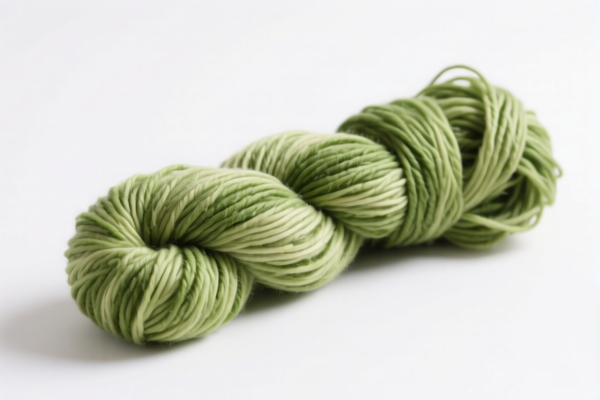
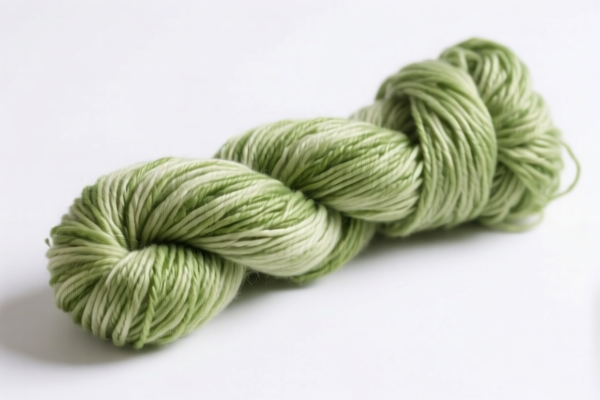
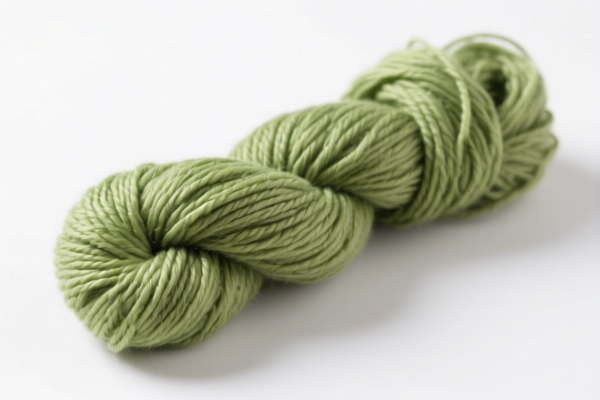
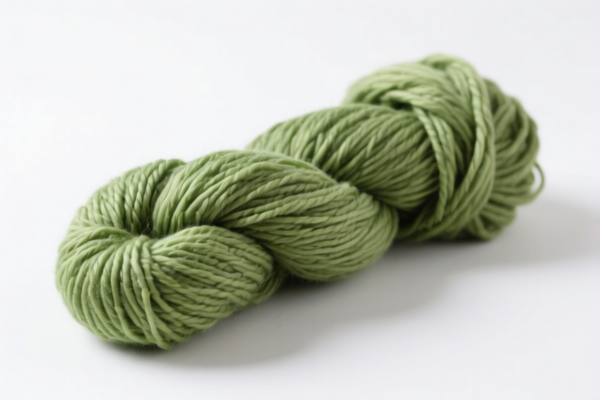
AI Analysis
🌿 Dried Lavender Bundle (LAVANDULA STALKS/FLOWERS)
🌐 HS Code Reference & Customs Clearance Guide | 2026 Latest Tariff Analysis | Professional Entry Strategy
📌 I. Product Definition & Classification: What Exactly Is a "Dried Lavender Bundle"?
Dried Lavender is a versatile botanical product used in aromatherapy, herbal teas, potpourri, and natural perfumes. In international trade, it falls under Chapter 12: Oil Seeds and Oleaginous Fruits; Miscellaneous Grains, Seeds and Fruit; Industrial or Medical Plants; Straw and Fodder.
Specifically, it is classified based on its form (dried) and intended use (spices, herbal tea, or other).
⚠️ Key Distinction:
- If used primarily as a spice or flavoring agent → Often falls under "Other" categories within HS 1211.90.89.90.
- If specifically prepared for herbal tea or as a distinct single-species botanical ingredient → May fall under HS 1211.90.89.80.
- Both codes currently carry the same high tariff burden due to trade measures.
📦 II. HS Code Classification Details (2026 Latest Tariff Authority Comparison)
| HS Code | Product Description | Applicable Scenario | Classification Basis |
|---|---|---|---|
1211.90.89.90 |
Dried Lavender Bundles (Plants), dried form, for spices or similar uses | Aromatherapy, potpourri, general botanical trade | "Other" plants/part, not elsewhere specified |
1211.90.89.80 |
Dried Lavender Bundles (Plant Parts), dried form, for herbal tea or plant spices | Single-species herbal tea ingredients, distinct botanical classification | Meets "single species" criteria for specific sub-use |
1211.90.89.80 |
Dried Lavender Flowers, dried form, for herbal tea or plant spices | Consistent with "herbal tea" and "plant spice" usage | Matches classification for specific botanical preparation |
1211.90.89.90 |
Dried Lavender Flower Bundles, dried form, for spices/similar uses | "Other" category definition for dried botanical bundles | Fits "dried form" and "Other" sub-heading definition |
🔍 Key Reminder:
- Both 1211.90.89.90 and 1211.90.89.80 are grouped under HS 1211.90 (Plants and parts of plants, of a kind used primarily in perfumery, in pharmacy or for insecticidal, fungicidal or similar purposes).
- Crucially, despite the slight difference in description (Spices vs. Herbal Tea/Single Species), the tax rate is identical for both codes under current US-China trade policies.
- Do NOT assume a lower tax rate by choosing one code over the other; both are subject to the same total tariff.
💰 III. 2026 Latest Tariff Rate Breakdown (Including Surtaxes & Policy Add-ons)
✅ Applicable Country: United States (US)
✅ Country of Origin: China (CN)
✅ Effective Date: Ongoing (Current Trade Policies)
🎯 1. HS Codes: 1211.90.89.90 & 1211.90.89.80
| Item | Content |
|---|---|
| Base Tariff Rate | 0.0% (Ad Valorem, under standard MFN) |
| Section 301 Surcharge | +25.0% (Applied to goods from China under US Trade Act Section 301) |
| Section 122 Tariff | +10.0% (Specific tariff provision for certain agricultural/plant products) |
| Total Tariff Rate | 35.0% |
| Tax Calculation | CIF Value × 35% |
| De Minimis Exemption | ❌ NOT ELIGIBLE (Section 301 tariffs generally negate de minimis treatment for high-risk goods; verify with latest CBP rulings) |
| Legal Basis Path | Section 301: 9903.88.01 → Section 122 → USITC: 1211.90.89.90/80 |
📌 Explanation:
- The 0% base rate might suggest low duty, but the 35% total is significant for low-value botanical goods.
- The 25% Section 301 tariff applies broadly to many Chinese-origin goods, including plant materials.
- The 10% Section 122 tariff is a specific add-on for certain agricultural imports.
- Combined, they create a 35% tariff, which directly impacts profit margins for dried lavender exporters.
🛠️ IV. Customs Clearance Practical Advice (Avoid Pitfalls)
✅ 1. Required Documentation Checklist
| Document | Must Provide? | Notes |
|---|---|---|
| ✅ Commercial Invoice | ✔️ | Must clearly state "Dried Lavender Bundle" and HS Code |
| ✅ Packing List | ✔️ | Detail weight, quantity, and packaging type |
| ✅ Certificate of Origin (CO) | ✔️ | Proves Chinese origin (triggers tariffs) |
| ✅ Phytosanitary Certificate | ✔️ | MANDATORY for plant products; issued by Chinese customs/agriculture authority |
| ✅ Product Specification Sheet | ✔️ | Include drying method, particle size, purity, and intended use |
| ✅ Supplier Declaration | ✔️ | Confirm no pesticide residues exceeding US FDA/EPA limits |
✅ 2. Declaration Tips (Key Rules)
🔥 "Accurate Name, Clear Origin, Full Docs – Don’t Risk It!"
| Scenario | Correct Declaration | Incorrect Approach |
|---|---|---|
| Dried Lavender for Aromatherapy | Use 1211.90.89.90 (Spices/Other) |
Mislabel as "Tea" to avoid Section 122 (Risky & Wrong) |
| Dried Lavender for Herbal Tea | Use 1211.90.89.80 (Single Species) |
Under-declare value or misstate origin |
| Mixed Botanical Bundle | Declare each component separately | Hide plant parts in a general "miscellaneous" code |
| High-Value Essential Oil Blend | Declare as Oil (HS 3301) if applicable | Declare as dried plant (HS 1211) if processed beyond drying |
⚠️ Critical Note:
- Phytosanitary Certification is non-negotiable. Failure to provide a valid certificate will result in immediate rejection or destruction of the shipment by USDA/APHIS.
- Pesticide Residue Compliance: Ensure the lavender meets EPA standards for pesticides. Non-compliance leads to FDA detention.
✅ 3. Special Situations
| Situation | Handling Advice |
|---|---|
| Organic Certification | Provide USDA Organic or EU Organic certificate to appeal to premium markets, but does not reduce tariff |
| Retail-Ready Packaging | Clearly state "Consumer Ready" in invoice to avoid misclassification as industrial bulk |
| Small Samples (< $800) | Check current de minimis rules; Section 301 tariffs may still apply to Chinese goods even under $800, depending on CBP enforcement |
| Re-export from Third Country | If shipped from Vietnam/Malaysia, origin must be genuine; transshipment fraud risks severe penalties |
🌍 V. Global Market Clearance Comparison (2026 Latest)
| Country/Region | Recommended HS Code | Tariff (China Origin) | Certification Requirements | Notes |
|---|---|---|---|---|
| 🇺🇸 USA | 1211.90.89.90 / .80 |
35% (0% Base + 25% Sec 301 + 10% Sec 122) | Phytosanitary + EPA (Pesticide) | Highest duty rate among major markets |
| 🇨🇳 China | 1211.90.89.90 |
~5-7% | None (Import) | Low entry barrier |
| 🇪🇺 EU | 1211.90.89.00 |
0-2% (GSP/Trade Deal) | Organic Cert (if claimed), Pesticide Limits | Strict residue limits |
| 🇦🇺 Australia | 1211.90.89.90 |
5% | Biosecurity Permit | Strict quarantine |
| 🇯🇵 Japan | 1211.90.89.90 |
2-3% | Phytosanitary | High quality standards |
📌 Conclusion:
- The US market is the most expensive for dried lavender due to the 35% combined tariff.
- Phytosanitary and pesticide compliance are the biggest non-tariff barriers globally.
- For US exports, consider value-added processing (e.g., essential oils) which may have different tariff codes (HS 3301) with varying rates.
📌 VI. Common Mistakes & Pitfalls (Lessons Learned)
❌ Mistake 1: Assuming "Herbal Tea" has a lower tax rate than "Spices"
👉 Consequence: No tax difference! Both are 35%. Focus on accurate documentation instead.
❌ Mistake 2: Forgetting the Phytosanitary Certificate
👉 Consequence: Shipment rejected by USDA. Cost of return or destruction.
❌ Mistake 3: Under-declaring Value
👉 Consequence: Severe fines, seizure, and potential legal action by CBP.
❌ Mistake 4: Ignoring Pesticide Residue Limits
👉 Consequence: FDA detention. Product destroyed. Blacklist for supplier.
✅ Correct Approach:
"Dried Lavender Bundle, Botanical: Lavandula angustifolia, Dried, Phytosanitary Certificate Attached, Pesticide Test Report Included, HS 1211.90.89.90"
🎯 VII. Conclusion: Professional Clearance, Cost Control, Efficiency!
🎯 Key Takeaway:
🔹 "Dried Lavender to US = 35% Tariff (301 + 122)"
🔹 "Phytosanitary + Pesticide Test = Mandatory"
🔹 "Don't rely on de minimis for Chinese goods in this category"
📌 Pro Tip:
- If shipping less than $800 (de minimis), verify if the current CBP enforcement targets Section 301 goods for small parcels. Recent trends suggest increased scrutiny.
- For large shipments, calculate the 35% duty into your pricing model to maintain margins.
- Consider exporting to non-US markets (EU, Asia) for lower tariffs, if feasible.
📣 Immediate Action:
📞 Consult a licensed customs broker for pre-classification ruling.
✅ Obtain Phytosanitary Certificate before shipment.
📄 Include EPA-compliant Pesticide Residue Report with every shipment.
🚀 Ensure smooth US customs clearance and maximize profitability!
✨ Professional Clearance Starts with Accurate Classification!
💼 Every Percent Counts in Global Trade!
Customer Reviews
About HS Code Classification
The Harmonized System (HS) is an internationally standardized nomenclature developed by the World Customs Organization (WCO) to classify traded products. Over 200 countries use the HS system as the basis for customs tariffs, trade statistics, and import/export regulations.
Each HS code follows a hierarchical structure:
- Chapter (2 digits) — Broad category of goods (e.g., Chapter 84: Machinery and Mechanical Appliances)
- Heading (4 digits) — More specific grouping within the chapter
- Subheading (6 digits) — Internationally standardized breakdown, used by all WCO member countries
- National subdivisions (8-10 digits) — Country-specific extensions for further classification, such as US HTSUS 10-digit codes
Correct HS code classification is essential for smooth customs clearance, accurate duty payment, and compliance with trade regulations. Misclassification can lead to customs delays, overpayment of duties, or penalties.
When importing from CN to US, the applicable tariff rates may include:
- Most-Favored-Nation (MFN) rate — The standard duty rate applied to WTO members
- General rate — Applied to countries without trade agreements
- Trade remedy duties — Additional tariffs such as Section 301 (anti-dumping), Section 232 (national security), or countervailing duties
The information provided on this page is for reference purposes only. For official classification, please consult with your local customs authority or a licensed customs broker.