Drinking Glass
CN → US| HS编码 | 关税税率 | 原产国 | 目的国 | 文档 |
|---|---|---|---|---|
| 7013371001 | 46.0% | CN | US | 官方文档 |
| 7013372090 | 40.0% | CN | US | 官方文档 |
| 7010905039 | 35.0% | CN | US | 官方文档 |
| 7010905029 | 35.0% | CN | US | 官方文档 |
| 4823690020 | 35.0% | CN | US | 官方文档 |
商品图片

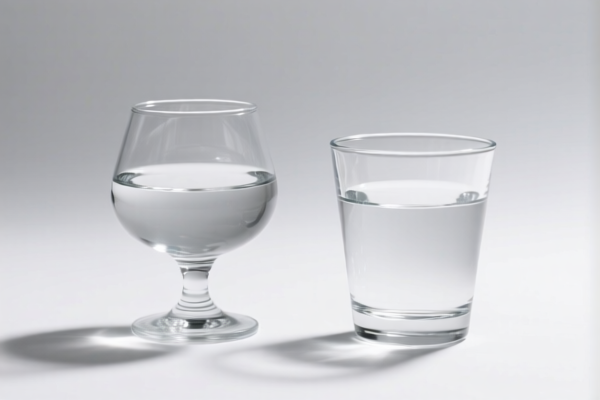


AI分析
🥛 Drinking Glass & Glassware Containers (Glassware for Drinking or Other Uses)
🌐 HS Code Reference & Customs Clearance Guide | 2026 Latest Tariff Analysis | Professional Clearance Strategy
📌 I. Product Definition & Classification: What Exactly is "Drinking Glass"?
"Drinking Glass" is a broad category in international trade, encompassing various glass products used for beverages. The classification depends heavily on the primary function (drinking vs. storage/container) and material properties.
In customs declarations, these items are primarily divided into two functional groups: 1. Tableware for Drinking (Glassware): Items designed specifically for holding drinks for immediate consumption (e.g., tumblers, wine glasses, beer mugs). 2. Glass Containers (Jars/Bottles): Items designed primarily for storing, preserving, or transporting liquids (e.g., beverage jars, bottles).
⚠️ Critical Distinction:
- If the item is a cup, tumbler, or goblet meant for drinking → It falls under HS 7013.37 (Tableware).
- If the item is a jar, bottle, or vessel meant for storage/packaging → It falls under HS 7010.90 (Containers).
- ⚠️ Do not confuse with Paper Cups: If the material is paper, it falls under HS 4823.69, not glass codes!
📦 II. HS Code Classification Details (2026 Latest Tariff Authority Comparison)
| HS Code | Product Description | Application Scenario | Material/Function |
|---|---|---|---|
7013.37.10.01 |
Glass tableware for drinking | Everyday water glasses, tumblers | ✅ Glass, for drinking |
7013.37.20.90 |
Other glass tableware for drinking | Decorative glasses, specific shapes | ✅ Glass, for drinking |
7010.90.50.39 |
Glass containers (other) | Beverage bottles, storage jars | ✅ Glass, for container use |
7010.90.50.29 |
Glass containers (other) | General glass vessels/packaging | ✅ Glass, container class |
4823.69.00.20 |
Paper cups for beverages | Disposable paper drinking cups | ❌ Paper, not glass |
🔍 Key Reminder:
- Glassware (7013.37): These are tableware. Even if used for drinking, if the shape is clearly that of a container (like a jar or bottle), it may be classified differently. However, standard drinking vessels are 7013.37.
- Containers (7010.90): These are for storage/packaging. If you are importing empty bottles for soda or water, they go here.
- Paper Cups (4823.69): Do not misclassify paper products as glass. The tariff structure differs significantly.
💰 III. 2026 Latest Tariff Rate Breakdown (Including Surtaxes & Policy Add-ons)
✅ Applicable Country: United States (US)
✅ Origin: China (CN)
✅ Effective Date: From November 10, 2025 (and subsequent imports)
🎯 1. 7013.37.10.01 & 7013.37.20.90 —— Glass Tableware for Drinking
| Item | Content |
|---|---|
| Basic Tariff | 28.5% (7013.37.10.01) / 22.5% (7013.37.20.90) |
| Section 301 Surtax | +7.5% |
| Section 122 Tariff | +10% |
| Total Tariff Rate | 46.0% (10.01) / 40.0% (20.90) |
| Tax Calculation | CIF Value × Total Rate |
| De Minimis Eligibility | ❌ Not Applicable (Subject to full duty calculation) |
| Legal Basis Path | Base Rate + Section 301 (7.5%) + Section 122 (10%) |
📌 Explanation:
- Section 301: The additional 7.5% is part of the broader trade measures affecting Chinese goods.
- Section 122: A specific 10% surtax applicable to certain glass products from China.
- High Cost Alert: With rates reaching 40-46%, these goods are significantly impacted by trade policies. Importers must factor this into landed cost calculations.
🎯 2. 7010.90.50.39 & 7010.90.50.29 —— Glass Containers (Jars/Bottles)
| Item | Content |
|---|---|
| Basic Tariff | 0.0% |
| Section 301 Surtax | +25.0% |
| Section 122 Tariff | +10% |
| Total Tariff Rate | 35.0% |
| Tax Calculation | CIF Value × 35.0% |
| De Minimis Eligibility | ❌ Not Applicable |
| Legal Basis Path | Base Rate (0%) + Section 301 (25%) + Section 122 (10%) |
📌 Note:
- Although the basic tariff is 0%, the Section 301 surtax of 25% is much higher than for tableware.
- Combined with the 10% Section 122 tariff, the total effective rate is 35%.
- This makes glass containers (like beverage bottles) slightly cheaper in total duty than drinking glasses, but still subject to significant trade barriers.
🎯 3. 4823.69.00.20 —— Paper Cups (For Comparison)
| Item | Content |
|---|---|
| Basic Tariff | 0.0% |
| Section 301 Surtax | +25.0% |
| Section 122 Tariff | +10% |
| Total Tariff Rate | 35.0% |
| Tax Calculation | CIF Value × 35.0% |
| Legal Basis Path | Base Rate (0%) + Section 301 (25%) + Section 122 (10%) |
📌 Note:
- Paper cups are NOT glass. However, they share the same surtax structure (301 + 122) as glass containers.
- Ensure your declaration explicitly states "Paper" to avoid misclassification penalties.
🛠️ IV. Customs Clearance Practical Advice (Real-World Pitfall Guide)
✅ 1. Required Documentation Checklist (No Exceptions)
| Document | Mandatory? | Description |
|---|---|---|
| ✅ Product Specification Sheet | ✔️ | Must specify: Material (Glass/Paper), Shape, Capacity, Intended Use (Drinking/Storage). |
| ✅ Product Photos | ✔️ | Clear images showing the item is a "glass" (not ceramic/plastic) and its form factor. |
| ✅ Commercial Invoice | ✔️ | Must clearly state "Glass Drinking Glass" or "Glass Bottle" – do not use vague terms like "Glass Item". |
| ✅ Packing List | ✔️ | Detail weight and volume accurately for valuation. |
| ✅ Origin Certificate (if applicable) | ✔️ | Required to verify Country of Origin (China) for surtax application. |
✅ 2. Declaration Tips (Key Mantras)
🔥 “Material First, Function Second, Name Specific, Duty Accurate!”
| Scenario | Correct Declaration | Wrong Practice |
|---|---|---|
| Drinking Glasses | 7013.37.10.01 - "Glass drinking glass" |
Vague: "Glass cup" (may trigger manual review) |
| Glass Bottles | 7010.90.50.39 - "Glass container for beverages" |
Misclassified as tableware (7013) → 46% instead of 35% |
| Paper Cups | 4823.69.00.20 - "Paper cup for drinks" |
Misclassified as glass → Severe penalty for false declaration |
| Mixed Shipment | Declare separately | Mixing paper and glass in one line item → Rejection |
✅ 3. Special Cases Handling
| Scenario | Handling Advice |
|---|---|
| OEM Custom Shapes | Provide design blueprints or photos. Ensure the description matches the physical appearance. |
| Gift Sets (Glass + Box) | Declare glass separately. Do not bundle if it complicates HS code identification. |
| Broken/Damaged Goods | Declare as "damaged glassware". Tariff may still apply, but customs may offer duty drawback options. |
| Sample Shipments | Even for samples, if value exceeds de minimis thresholds or is subject to Section 122/301, declare correctly. No duty-free exemption for these HS codes under typical de minimis rules for China-origin goods subject to surtaxes. |
🌍 V. Global Market Comparison (2026 Latest)
| Country/Region | Recommended HS Code | Tariff (China Origin) | Certification Requirements | Notes |
|---|---|---|---|---|
| 🇺🇸 USA | 7013.37.10.01 / 7010.90.50.39 |
46% / 35% | FDA (if food contact), Prop 65 | High surtaxes apply. |
| 🇨🇳 China | 7013.37.10.01 / 7010.90.50.39 |
8% / 0% | CCC (if applicable) | Export duties may apply. |
| 🇪🇺 EU | 7013.37 / 7010.90 |
6.5% / 0% | CE, Food Contact Regulations | No Section 301/122. |
| 🇦🇺 Australia | 7013.37 / 7010.90 |
5% / 5% | G label | Standard MFN rates. |
📌 Conclusion:
- USA is the most expensive market due to Section 301 and Section 122 tariffs.
- Glass Containers (7010) have a lower total rate (35%) than Glass Tableware (7013) (40-46%), despite having a 0% basic rate. This is due to the higher Section 301 surtax on containers.
- Strategy: If possible, analyze if the product can be legally classified as a "container" rather than "tableware" to save 5-11% in duties, but only if the functional definition supports it. Misclassification is risky.
📌 VI. Common Mistakes & Pitfall Guide (Lessons Learned)
❌ Mistake 1: Calling a "Glass Bottle" a "Drinking Glass" to avoid container classification.
👉 Consequence: Customs may reclassify it, but if the intent is storage, you might face penalties for misdeclaration. Plus, the rate difference is small (46% vs 35%), so the risk may not be worth it.
❌ Mistake 2: Confusing Paper Cups with Glass Cups.
👉 Consequence: If you declare paper cups as glass, you violate material description. If declared correctly, the tax is still 35%, but accuracy is key for compliance audits.
❌ Mistake 3: Assuming "De Minimis" ($800) exemption applies.
👉 Consequence: NO. Goods from China subject to Section 301 and Section 122 tariffs do not qualify for the $800 de minimis exemption (Section 321) in the US. You must file an entry and pay duties.
✅ Correct Practice:
"Clear Glass Tumbler, 12oz, Made in China, For Drinking, HS 7013.37.10.01"
🎯 VII. Conclusion: Professional Declaration, Cost Control, Compliance!
🎯 Remember the Mantra:
🔹 "Glass vs. Container? Check Function. China Origin? Expect Surtax. Paper? Not Glass. De Minimis? Not for China Glass!"
🔹 "HS Code Determines Duty, 35% vs 46%, Accuracy Saves Money, Mistakes Cost More!"
📌 Tips:
- If your glassware is originating from Vietnam, Thailand, or Mexico, you may avoid US Section 301 and 122 tariffs, reducing duties to basic rates only (0-8%).
- Always apply for an Advance Ruling if your product shape is ambiguous (e.g., a glass vase used for drinking).
- Keep samples for customs inspection if required.
📣 Take Action Now:
📞 Contact a professional customs broker + Provide product images + Verify Country of Origin
🚀 Ensure smooth clearance, accurate duties, and protected margins!
✨ Professional clearance starts with precise classification!
💼 Every cent of duty is worth calculating precisely!
用户评价
关于 HS 编码归类
协调制度(HS)是由世界海关组织(WCO)制定的国际贸易商品分类标准。全球 200 多个国家采用 HS 系统作为海关关税、贸易统计和进出口监管的基础。
每个 HS 编码遵循以下层级结构:
- 章(2 位)——商品大类(例如:第 84 章:机器和机械设备)
- 品目(4 位)——章内的更具体分类
- 子目(6 位)——国际通用细分,所有 WCO 成员国统一使用
- 本国细分(8-10 位)——各国自行扩展的细分编码,如美国 HTSUS 10 位编码
正确的 HS 编码归类对于顺利通关、准确缴纳关税和遵守贸易法规至关重要。错误归类可能导致海关延误、多缴关税或罚款。
从CN进口到US时,适用的关税税率可能包括:
- 最惠国(MFN)税率——适用于 WTO 成员国的标准关税税率
- 普通税率——适用于无贸易协定国家
- 贸易救济关税——附加关税,如 301 条款(反倾销)、232 条款(国家安全)或反补贴税
本页内容仅供参考。如需正式归类,请咨询当地海关或持牌报关代理。