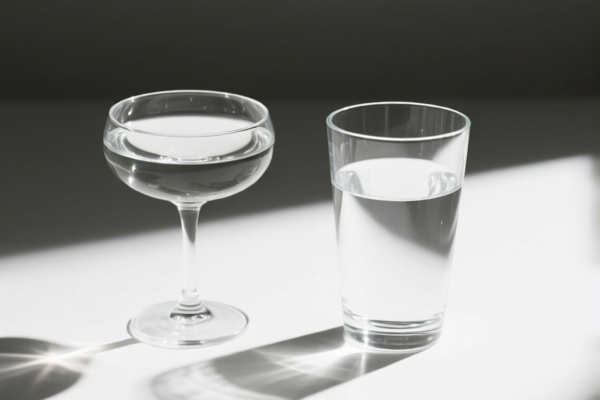
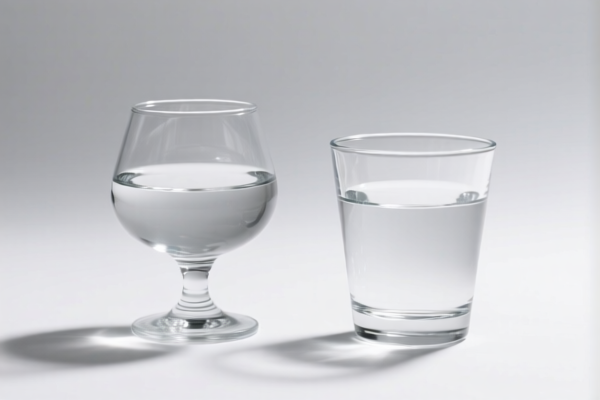
Drinking glass tumbler
CN → US| HS编码 | 关税税率 | 原产国 | 目的国 | 文档 |
|---|---|---|---|---|
| 7013371001 | 46.0% | CN | US | 官方文档 |
| 7013372090 | 40.0% | CN | US | 官方文档 |
| 7010905039 | 35.0% | CN | US | 官方文档 |
| 7010905029 | 35.0% | CN | US | 官方文档 |
商品图片


AI分析
🥃 Drinking Glass Tumbler (Glassware for Beverages)
🌐 HS Code Reference & Customs Clearance Guide | 2026 Latest Tariff Analysis | Professional Clearance Strategy
📌 I. Product Definition & Classification: Do You Really Understand "Drinking Glasses"?
A Drinking Glass Tumbler is a common household item made primarily of glass, used for serving water, juice, or other non-alcoholic beverages. In international trade, the classification depends heavily on whether the item is considered a finished "drinking glass" or a general "glass container/vessel."
Key Distinction Criteria: * Finished Drinking Glass (Tableware): Typically classified under Chapter 7013 (Glassware of a kind commonly used for table, kitchen, other household or toilet purposes). These items are often shaped specifically for drinking (e.g., tumbler shape, stemware). * Glass Container/Vessel: Classified under Chapter 7010 (Glass containers for the conveyance or packing of goods). If the item is a generic jar, bottle, or container not specifically designed as tableware, it falls here.
⚠️ Critical Differentiator:
- If the product is marketed as "Tableware" or "Glassware" with a specific drinking shape → Likely 7013.
- If the product is a generic container (e.g., a mason jar, storage jar) → Likely 7010.
📦 II. HS Code Classification Details (2026 Latest Tariff Authority Match)
Based on the provided data, here are the precise HS Codes and their corresponding tax structures for glass drinking containers/tumblers. Note that duplicate entries in the source data are consolidated for clarity.
| HS Code | Product Description | Total Tax Rate | Tax Composition Breakdown |
|---|---|---|---|
7013.37.10.01 |
Glass material, drinking glass (Finished tableware/tumbler) | 46.0% | Base Tariff: 28.5% + Retaliatory/Add-on Tariff: 7.5% + Section 122 Tariff: 10% |
7013.37.20.90 |
Glass material, drinking glass (Other drinking glass varieties) | 40.0% | Base Tariff: 22.5% + Retaliatory/Add-on Tariff: 7.5% + Section 122 Tariff: 10% |
7010.90.50.39 |
Glass material, glass container, for drinking | 35.0% | Base Tariff: 0.0% + Retaliatory/Add-on Tariff: 25.0% + Section 122 Tariff: 10% |
7010.90.50.29 |
Glass material, container category, for drinking | 35.0% | Base Tariff: 0.0% + Retaliatory/Add-on Tariff: 25.0% + Section 122 Tariff: 10% |
🔍 Key Observation:
- 7013 Codes carry a higher Base Tariff (22.5%-28.5%) but lower Add-on Tariffs (7.5%).
- 7010 Codes have 0% Base Tariff but a significantly higher Add-on Tariff (25%).
- Both categories include a fixed 10% Section 122 Tariff.
💰 III. 2026 Latest Tariff Rate Detailed Explanation
✅ Scope: Based on the provided tax details (likely US/China trade context given "Section 122" and specific add-ons).
✅ Material: Glass.
✅ Use: Drinking/Containers.
🎯 1. 7013.37.10.01 & 7013.37.20.90 — Finished Glass Drinking Glasses
| Item | Detail |
|---|---|
| Product Nature | Finished tableware/tumblers, specifically designed for drinking. |
| Base Tariff | 28.5% (for .10.01) or 22.5% (for .20.90). This reflects the value of the finished consumer good. |
| Add-on Tariff | +7.5%. Likely a specific trade remediation or retaliatory measure. |
| Section 122 Tariff | +10%. A specific levy applied to these goods (often associated with specific trade acts or emergency provisions). |
| Total Effective Rate | 46.0% (for .10.01) or 40.0% (for .20.90). |
| Calculation Basis | Ad Valorem (based on CIF/FOB value). |
📌 Interpretation:
- These codes are for finished, recognizable drinking glasses.
- The 46% rate for.10.01is the highest among the options.
- The 40% rate for.20.90is slightly lower, suggesting a distinction in specific glass types or shapes under the 7013 heading.
🎯 2. 7010.90.50.39 & 7010.90.50.29 — Glass Containers for Drinking
| Item | Detail |
|---|---|
| Product Nature | Glass containers/vessels, even if used for drinking. May include jars, generic bottles, or industrial-style glassware not classified as "tableware." |
| Base Tariff | 0.0%. Often raw materials or simple containers have lower base duties. |
| Add-on Tariff | +25%. A significantly higher retaliatory or specific duty compared to tableware. |
| Section 122 Tariff | +10%. Same as above. |
| Total Effective Rate | 35.0% for both codes. |
| Calculation Basis | Ad Valorem. |
📌 Interpretation:
- Despite the 0% base tariff, the 25% add-on makes the total rate (35%) lower than the 7013 codes (40-46%).
- This suggests that classifying a drinking vessel as a "container" (7010) rather than "tableware" (7013) can save significant tariffs (5-11 percentage points).
- Risk: Misclassification. If customs determines the item is clearly "tableware" (tumbler shape), they will reclassify to 7013, leading to back taxes and penalties.
🛠️ IV. Customs Clearance Practical Advice (Pitfall Avoidance Guide)
✅ 1. Documentation Checklist (Essential)
| Document | Required? | Notes |
|---|---|---|
| Product Specification Sheet | ✅ Yes | Must clearly state: Material (Glass), Use (Drinking), Type (Tumbler/Container). |
| Product Photos | ✅ Yes | High-res images showing shape. If it looks like a jar (straight sides, screw top?), it supports 7010. If it has a stem or tapered drinking shape, it supports 7013. |
| Commercial Invoice | ✅ Yes | Accurately describe as "Glass Drinking Glass" or "Glass Container." Avoid vague terms like "Glass Item." |
| Packing List | ✅ Yes | List items individually. |
| Origin Certificate | ✅ Yes | If applicable for preferential treatment (though these rates seem to include high duties, origin may still matter for other trade agreements). |
✅ 2. Classification Strategy & Tips
🔥 Golden Rule: "Shape Determines Code, Rate Determines Profit!"
| Scenario | Recommended HS Code | Why? | Risk |
|---|---|---|---|
| Standard Tumbler (straight sides, no stem, for water/beer) | 7010.90.50.29 / 39 |
Can be argued as a "container" for beverages. Lower total tax (35%). | Moderate. Customs may argue it's tableware. |
| Stemware/Wine Glass | 7013.37.20.90 |
Clearly tableware. Higher tax (40%), but less ambiguity. | Low. |
| Luxury/Decorative Glass | 7013.37.10.01 |
High-end tableware. Highest tax (46%). | Low. |
| Mason Jar used for Drinking | 7010.90.50.29 |
Clearly a container. Lowest tax (35%). | Very Low. |
📌 Critical Warning:
- Do NOT intentionally misclassify a clear tumbler as a container if it is marketed and used as tableware. Customs audits can lead to penalties equal to the tax difference.
- However, if the product is a generic glass vessel (e.g., a simple glass cup without branding for drinking water),7010is a legitimate and cost-effective classification.
✅ 3. Special Considerations
| Issue | Advice |
|---|---|
| Section 122 Tariff | Apply to all codes listed. Ensure your tariff software includes this 10% levy in calculations. |
| Glass Material | Ensure the invoice specifies "Glass" to avoid misclassification under plastics (39%) or ceramics (69%). |
| Set Packing | If sold in sets (e.g., 6 tumblers), declare the set as a whole. The HS code is usually determined by the principal item (the glass). |
| Packaging | Cardboard boxes, styrofoam, etc., are usually not declared separately if packed with the goods. |
🌍 V. Market Comparison & Tariff Impact
| Market | Approx. Tariff on Glassware | Notes |
|---|---|---|
| USA (from China) | 35% - 46% | As per data. High due to add-ons and Section 122. |
| EU | ~5-8% (Standard) | Lower base duties. No Section 122. |
| Canada | ~5% | Lower duties. |
| UK | ~5-12% | Post-Brexit tariffs vary but generally lower than US. |
📌 Conclusion:
The US market is the most challenging for glass imports due to the 35-46% total tariff.
- Strategy: Consider 7010 classification if the product design allows (generic container shape) to save 5-11% in duties.
- Marketing: If using 7010, market the product as "Glass Storage/Drinking Container" rather than "Luxury Tableware" to support the classification.
📌 VI. Common Mistakes & Pitfalls
❌ Mistake 1: Using 7013 for a product that could be 7010.
👉 Result: Overpaying 5-11% in duties unnecessarily.
❌ Mistake 2: Using 7010 for a clear stemware wine glass.
👉 Result: Customs rejection, reclassification to 7013, fines, and delay.
❌ Mistake 3: Ignoring the 10% Section 122 Tariff.
👉 Result: Underpayment, leading to penalties and interest.
❌ Mistake 4: Vague description "Glass Item."
👉 Result: Customs holds shipment for clarification, causing delays.
✅ Best Practice:
"Describe precisely: 'Glass Tumbler, for Drinking, [Shape Description].' Use 7010 for generic containers to optimize cost, but ensure product design and marketing align."
🎯 VII. Conclusion: Smart Classification, Lower Costs!
🎯 Key Takeaway:
🔹 For Generic Drinking Containers: Aim for
7010.90.50.29/39(35% Total Tax).
🔹 For Finished Tableware: Expect7013.37.20.90(40%) or7013.37.10.01(46%).
🔹 Always Include: 10% Section 122 Tariff in your cost model.
📌 Pro Tip:
If you are exporting to the US, consult with a customs broker to pre-classify your product. If the product is a simple glass cup, argue for
7010to save costs. If it's a branded, shaped tumbler, accept7013to avoid compliance risks.
📣 Action Item:
📞 Review your product photos.
📝 If it looks like a jar/container →7010(35%).
📝 If it looks like a cup/glass →7013(40-46%).
🚀 Choose wisely to maximize your margin!
✨ Professional classification saves money. Accurate declaration ensures speed.
💼 Glass is fragile; your compliance should be solid.
用户评价
关于 HS 编码归类
协调制度(HS)是由世界海关组织(WCO)制定的国际贸易商品分类标准。全球 200 多个国家采用 HS 系统作为海关关税、贸易统计和进出口监管的基础。
每个 HS 编码遵循以下层级结构:
- 章(2 位)——商品大类(例如:第 84 章:机器和机械设备)
- 品目(4 位)——章内的更具体分类
- 子目(6 位)——国际通用细分,所有 WCO 成员国统一使用
- 本国细分(8-10 位)——各国自行扩展的细分编码,如美国 HTSUS 10 位编码
正确的 HS 编码归类对于顺利通关、准确缴纳关税和遵守贸易法规至关重要。错误归类可能导致海关延误、多缴关税或罚款。
从CN进口到US时,适用的关税税率可能包括:
- 最惠国(MFN)税率——适用于 WTO 成员国的标准关税税率
- 普通税率——适用于无贸易协定国家
- 贸易救济关税——附加关税,如 301 条款(反倾销)、232 条款(国家安全)或反补贴税
本页内容仅供参考。如需正式归类,请咨询当地海关或持牌报关代理。