Drinking glass tumbler
CN → US| HS Code | Tariff Rate | Origin | Destination | Doc |
|---|---|---|---|---|
| 7013371001 | 46.0% | CN | US | Official Doc |
| 7013372090 | 40.0% | CN | US | Official Doc |
| 7010905039 | 35.0% | CN | US | Official Doc |
| 7010905029 | 35.0% | CN | US | Official Doc |
Product Images

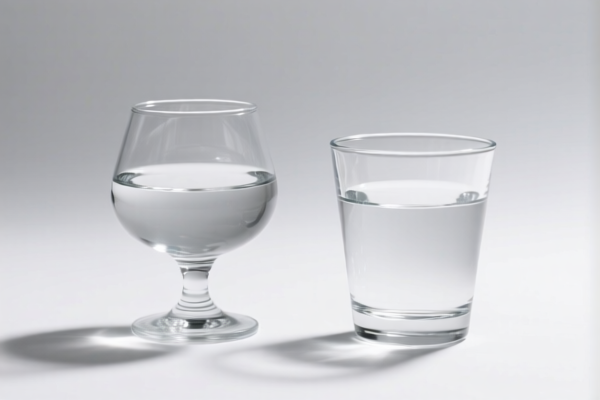


AI Analysis
🥃 Drinking Glass Tumbler (Glassware for Beverages)
🌐 HS Code Reference & Customs Clearance Guide | 2026 Latest Tariff Analysis | Professional Clearance Strategy
📌 I. Product Definition & Classification: Do You Really Understand "Drinking Glasses"?
A Drinking Glass Tumbler is a common household item made primarily of glass, used for serving water, juice, or other non-alcoholic beverages. In international trade, the classification depends heavily on whether the item is considered a finished "drinking glass" or a general "glass container/vessel."
Key Distinction Criteria: * Finished Drinking Glass (Tableware): Typically classified under Chapter 7013 (Glassware of a kind commonly used for table, kitchen, other household or toilet purposes). These items are often shaped specifically for drinking (e.g., tumbler shape, stemware). * Glass Container/Vessel: Classified under Chapter 7010 (Glass containers for the conveyance or packing of goods). If the item is a generic jar, bottle, or container not specifically designed as tableware, it falls here.
⚠️ Critical Differentiator:
- If the product is marketed as "Tableware" or "Glassware" with a specific drinking shape → Likely 7013.
- If the product is a generic container (e.g., a mason jar, storage jar) → Likely 7010.
📦 II. HS Code Classification Details (2026 Latest Tariff Authority Match)
Based on the provided data, here are the precise HS Codes and their corresponding tax structures for glass drinking containers/tumblers. Note that duplicate entries in the source data are consolidated for clarity.
| HS Code | Product Description | Total Tax Rate | Tax Composition Breakdown |
|---|---|---|---|
7013.37.10.01 |
Glass material, drinking glass (Finished tableware/tumbler) | 46.0% | Base Tariff: 28.5% + Retaliatory/Add-on Tariff: 7.5% + Section 122 Tariff: 10% |
7013.37.20.90 |
Glass material, drinking glass (Other drinking glass varieties) | 40.0% | Base Tariff: 22.5% + Retaliatory/Add-on Tariff: 7.5% + Section 122 Tariff: 10% |
7010.90.50.39 |
Glass material, glass container, for drinking | 35.0% | Base Tariff: 0.0% + Retaliatory/Add-on Tariff: 25.0% + Section 122 Tariff: 10% |
7010.90.50.29 |
Glass material, container category, for drinking | 35.0% | Base Tariff: 0.0% + Retaliatory/Add-on Tariff: 25.0% + Section 122 Tariff: 10% |
🔍 Key Observation:
- 7013 Codes carry a higher Base Tariff (22.5%-28.5%) but lower Add-on Tariffs (7.5%).
- 7010 Codes have 0% Base Tariff but a significantly higher Add-on Tariff (25%).
- Both categories include a fixed 10% Section 122 Tariff.
💰 III. 2026 Latest Tariff Rate Detailed Explanation
✅ Scope: Based on the provided tax details (likely US/China trade context given "Section 122" and specific add-ons).
✅ Material: Glass.
✅ Use: Drinking/Containers.
🎯 1. 7013.37.10.01 & 7013.37.20.90 — Finished Glass Drinking Glasses
| Item | Detail |
|---|---|
| Product Nature | Finished tableware/tumblers, specifically designed for drinking. |
| Base Tariff | 28.5% (for .10.01) or 22.5% (for .20.90). This reflects the value of the finished consumer good. |
| Add-on Tariff | +7.5%. Likely a specific trade remediation or retaliatory measure. |
| Section 122 Tariff | +10%. A specific levy applied to these goods (often associated with specific trade acts or emergency provisions). |
| Total Effective Rate | 46.0% (for .10.01) or 40.0% (for .20.90). |
| Calculation Basis | Ad Valorem (based on CIF/FOB value). |
📌 Interpretation:
- These codes are for finished, recognizable drinking glasses.
- The 46% rate for.10.01is the highest among the options.
- The 40% rate for.20.90is slightly lower, suggesting a distinction in specific glass types or shapes under the 7013 heading.
🎯 2. 7010.90.50.39 & 7010.90.50.29 — Glass Containers for Drinking
| Item | Detail |
|---|---|
| Product Nature | Glass containers/vessels, even if used for drinking. May include jars, generic bottles, or industrial-style glassware not classified as "tableware." |
| Base Tariff | 0.0%. Often raw materials or simple containers have lower base duties. |
| Add-on Tariff | +25%. A significantly higher retaliatory or specific duty compared to tableware. |
| Section 122 Tariff | +10%. Same as above. |
| Total Effective Rate | 35.0% for both codes. |
| Calculation Basis | Ad Valorem. |
📌 Interpretation:
- Despite the 0% base tariff, the 25% add-on makes the total rate (35%) lower than the 7013 codes (40-46%).
- This suggests that classifying a drinking vessel as a "container" (7010) rather than "tableware" (7013) can save significant tariffs (5-11 percentage points).
- Risk: Misclassification. If customs determines the item is clearly "tableware" (tumbler shape), they will reclassify to 7013, leading to back taxes and penalties.
🛠️ IV. Customs Clearance Practical Advice (Pitfall Avoidance Guide)
✅ 1. Documentation Checklist (Essential)
| Document | Required? | Notes |
|---|---|---|
| Product Specification Sheet | ✅ Yes | Must clearly state: Material (Glass), Use (Drinking), Type (Tumbler/Container). |
| Product Photos | ✅ Yes | High-res images showing shape. If it looks like a jar (straight sides, screw top?), it supports 7010. If it has a stem or tapered drinking shape, it supports 7013. |
| Commercial Invoice | ✅ Yes | Accurately describe as "Glass Drinking Glass" or "Glass Container." Avoid vague terms like "Glass Item." |
| Packing List | ✅ Yes | List items individually. |
| Origin Certificate | ✅ Yes | If applicable for preferential treatment (though these rates seem to include high duties, origin may still matter for other trade agreements). |
✅ 2. Classification Strategy & Tips
🔥 Golden Rule: "Shape Determines Code, Rate Determines Profit!"
| Scenario | Recommended HS Code | Why? | Risk |
|---|---|---|---|
| Standard Tumbler (straight sides, no stem, for water/beer) | 7010.90.50.29 / 39 |
Can be argued as a "container" for beverages. Lower total tax (35%). | Moderate. Customs may argue it's tableware. |
| Stemware/Wine Glass | 7013.37.20.90 |
Clearly tableware. Higher tax (40%), but less ambiguity. | Low. |
| Luxury/Decorative Glass | 7013.37.10.01 |
High-end tableware. Highest tax (46%). | Low. |
| Mason Jar used for Drinking | 7010.90.50.29 |
Clearly a container. Lowest tax (35%). | Very Low. |
📌 Critical Warning:
- Do NOT intentionally misclassify a clear tumbler as a container if it is marketed and used as tableware. Customs audits can lead to penalties equal to the tax difference.
- However, if the product is a generic glass vessel (e.g., a simple glass cup without branding for drinking water),7010is a legitimate and cost-effective classification.
✅ 3. Special Considerations
| Issue | Advice |
|---|---|
| Section 122 Tariff | Apply to all codes listed. Ensure your tariff software includes this 10% levy in calculations. |
| Glass Material | Ensure the invoice specifies "Glass" to avoid misclassification under plastics (39%) or ceramics (69%). |
| Set Packing | If sold in sets (e.g., 6 tumblers), declare the set as a whole. The HS code is usually determined by the principal item (the glass). |
| Packaging | Cardboard boxes, styrofoam, etc., are usually not declared separately if packed with the goods. |
🌍 V. Market Comparison & Tariff Impact
| Market | Approx. Tariff on Glassware | Notes |
|---|---|---|
| USA (from China) | 35% - 46% | As per data. High due to add-ons and Section 122. |
| EU | ~5-8% (Standard) | Lower base duties. No Section 122. |
| Canada | ~5% | Lower duties. |
| UK | ~5-12% | Post-Brexit tariffs vary but generally lower than US. |
📌 Conclusion:
The US market is the most challenging for glass imports due to the 35-46% total tariff.
- Strategy: Consider 7010 classification if the product design allows (generic container shape) to save 5-11% in duties.
- Marketing: If using 7010, market the product as "Glass Storage/Drinking Container" rather than "Luxury Tableware" to support the classification.
📌 VI. Common Mistakes & Pitfalls
❌ Mistake 1: Using 7013 for a product that could be 7010.
👉 Result: Overpaying 5-11% in duties unnecessarily.
❌ Mistake 2: Using 7010 for a clear stemware wine glass.
👉 Result: Customs rejection, reclassification to 7013, fines, and delay.
❌ Mistake 3: Ignoring the 10% Section 122 Tariff.
👉 Result: Underpayment, leading to penalties and interest.
❌ Mistake 4: Vague description "Glass Item."
👉 Result: Customs holds shipment for clarification, causing delays.
✅ Best Practice:
"Describe precisely: 'Glass Tumbler, for Drinking, [Shape Description].' Use 7010 for generic containers to optimize cost, but ensure product design and marketing align."
🎯 VII. Conclusion: Smart Classification, Lower Costs!
🎯 Key Takeaway:
🔹 For Generic Drinking Containers: Aim for
7010.90.50.29/39(35% Total Tax).
🔹 For Finished Tableware: Expect7013.37.20.90(40%) or7013.37.10.01(46%).
🔹 Always Include: 10% Section 122 Tariff in your cost model.
📌 Pro Tip:
If you are exporting to the US, consult with a customs broker to pre-classify your product. If the product is a simple glass cup, argue for
7010to save costs. If it's a branded, shaped tumbler, accept7013to avoid compliance risks.
📣 Action Item:
📞 Review your product photos.
📝 If it looks like a jar/container →7010(35%).
📝 If it looks like a cup/glass →7013(40-46%).
🚀 Choose wisely to maximize your margin!
✨ Professional classification saves money. Accurate declaration ensures speed.
💼 Glass is fragile; your compliance should be solid.
Customer Reviews
About HS Code Classification
The Harmonized System (HS) is an internationally standardized nomenclature developed by the World Customs Organization (WCO) to classify traded products. Over 200 countries use the HS system as the basis for customs tariffs, trade statistics, and import/export regulations.
Each HS code follows a hierarchical structure:
- Chapter (2 digits) — Broad category of goods (e.g., Chapter 84: Machinery and Mechanical Appliances)
- Heading (4 digits) — More specific grouping within the chapter
- Subheading (6 digits) — Internationally standardized breakdown, used by all WCO member countries
- National subdivisions (8-10 digits) — Country-specific extensions for further classification, such as US HTSUS 10-digit codes
Correct HS code classification is essential for smooth customs clearance, accurate duty payment, and compliance with trade regulations. Misclassification can lead to customs delays, overpayment of duties, or penalties.
When importing from CN to US, the applicable tariff rates may include:
- Most-Favored-Nation (MFN) rate — The standard duty rate applied to WTO members
- General rate — Applied to countries without trade agreements
- Trade remedy duties — Additional tariffs such as Section 301 (anti-dumping), Section 232 (national security), or countervailing duties
The information provided on this page is for reference purposes only. For official classification, please consult with your local customs authority or a licensed customs broker.