Dripping Plastic Mold
CN → US| HS编码 | 关税税率 | 原产国 | 目的国 | 文档 |
|---|---|---|---|---|
| 3926909910 | 22.8% | CN | US | 官方文档 |
| 8480718045 | 38.1% | CN | US | 官方文档 |
| 8480799090 | 38.1% | CN | US | 官方文档 |
| 3917290090 | 38.1% | CN | US | 官方文档 |
| 3926909989 | 22.8% | CN | US | 官方文档 |
商品图片
AI分析
🛠️ Dripping Plastic Mold (Resin Casting Mold)
🌐 HS Code Reference & Customs Clearance Guide | 2026 Latest Tariff Analysis | Professional Strategy for US Imports
📌 I. Product Definition: What Exactly is a "Dripping Plastic Mold"?
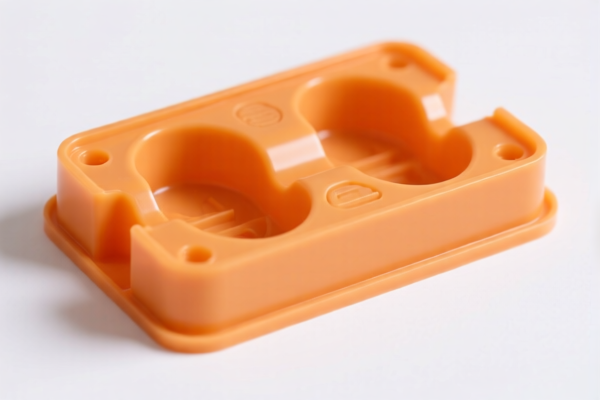
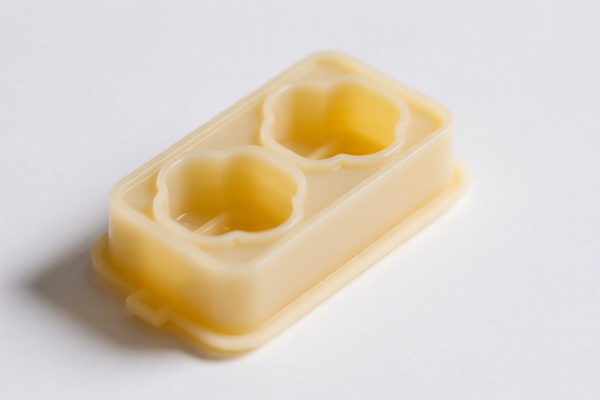
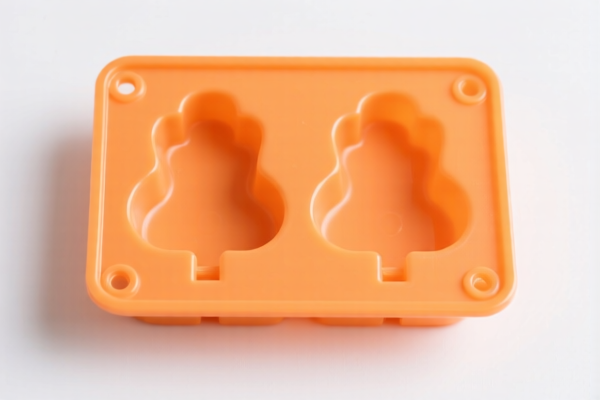
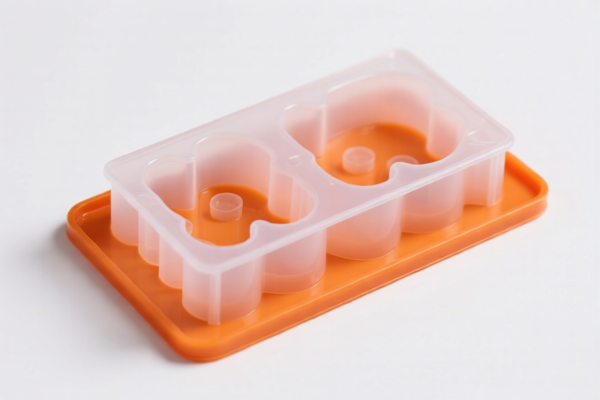
A "Dripping Plastic Mold" (commonly known in the industry as Resin Casting Mold or Silicone Mold) is a specialized tool used in crafting, jewelry making, and industrial prototyping. It consists of two main components: 1. The Mold Material: Typically Silicone (liquid silicone rubber) or rigid Plastic/Resin. 2. The Function: To create negative impressions for casting liquid resin, epoxy, concrete, or wax.
⚠️ Critical Classification Distinction:
- If made primarily of Silicone → It is treated as a Plastic Article (Chapter 39).
- If made of Metal/Rigid Material specifically for industrial injection/compression molding → It is treated as a Mold (Chapter 84).
- Note: Most "dripping molds" for hobby/small batch use are Silicone-based, falling under Chapter 39.
📦 II. HS Code Classification Matrix (2026 Latest Tariff Data)
Based on the provided data, here are the 5 possible HS Codes, their rationale, and tax implications.
| HS Code | Product Description | Rationale for Classification | Total Tax Rate |
|---|---|---|---|
| 3926.90.99.10 | Other plastic articles | The mold is inferred to be made of Silicone (a type of plastic polymer). It fits the "catch-all" category for other plastic products. | 22.8% |
| 8480.71.80.45 | Molds for injection or compression | Classified strictly as an Industrial Mold. Assumes the material and usage fit injection/compression molding standards. | 38.1% |
| 8480.79.90.90 | Other molds and dies | Based on common sense, inferred material is Resin/Plastic. Fits the "catch-all" category for other molds not specified elsewhere. | 38.1% |
| 3917.29.00.90 | Other plastic tubing, hoses, pipes | Inferred material is Plastic. Classified as a Mold Accessory or component within the plastic tube/pipe accessories category. | 38.1% |
| 3926.90.99.89 | Other plastic articles (Alt.) | Made of Silicone. Fits the material attribute of "Other Plastic Articles." Very similar to .10 but a different sub-code. | 22.8% |
🔍 Key Insight:
- Cheapest Route: Codes starting with 39 (Plastic Articles) have a total tax of 22.8%.
- Expensive Route: Codes starting with 84 (Machinery/Tools) or 3917 (Plastic Tubing) have a total tax of 38.1%.
- Why the Difference? Chapter 84 (Machinery) attracts higher base tariffs + heavier Section 301/122 Add-on tariffs. Chapter 39 (Articles) has lower base rates.
💰 III. Detailed Tariff Breakdown (US Imports from China)
✅ Applicable Country: USA (US)
✅ Origin: China (CN)
✅ Effective Date: Current trade war policies (Section 301 & IEEPA)
🎯 1. The "Plastic Article" Route (HS 3926.90.99.10 / 3926.90.99.89)
Best for Silicone/Resin Molds
| Item | Detail |
|---|---|
| Base Duty | 5.3% |
| Section 301 Add-on | +7.5% (Specific to these subheadings) |
| Section 122/IEEPA Add-on | +10% (China-specific emergency tariff) |
| Total Effective Rate | 22.8% |
| De Minimis Exemption? | ❌ NO (Deny de_minimis) |
| Legal Basis Path | USITC:3926.90.99 → FOOTNOTE:301 → IEEPA:9903 |
📌 Explanation:
- Although the base duty is low (5.3%), the Section 301 and IEEPA tariffs are unavoidable for Chinese goods.
- Total 22.8% is significantly cheaper than the 38.1% rate.
- Why is it cheaper? Customs often view silicone molds as "finished plastic products" rather than "machinery tools" if they are used for small-scale casting, not high-volume industrial injection molding.
🎯 2. The "Industrial Mold" Route (HS 8480.71.80.45 / 8480.79.90.90)
For Rigid/Industrial Molds
| Item | Detail |
|---|---|
| Base Duty | 3.1% |
| Section 301 Add-on | +25.0% (High-tier Section 301 rate) |
| Section 122/IEEPA Add-on | +10% |
| Total Effective Rate | 38.1% |
| De Minimis Exemption? | ❌ NO (Deny de_minimis) |
| Legal Basis Path | USITC:8480.79 → FOOTNOTE:301.84 → IEEPA:9903 |
📌 Explanation:
- Even though the base duty (3.1%) is lower, the Section 301 tariff jumps to 25%.
- This classifies the item as Capital Equipment/Tooling, which is heavily targeted by US trade policy.
- Total 38.1% is nearly 67% higher than the plastic article classification.
🎯 3. The "Plastic Accessory" Route (HS 3917.29.00.90)
| Item | Detail |
|---|---|
| Base Duty | 3.1% |
| Section 301 Add-on | +25.0% |
| Section 122/IEEPA Add-on | +10% |
| Total Effective Rate | 38.1% |
| De Minimis Exemption? | ❌ NO |
📌 Explanation:
- This code is risky. While it starts with Chapter 39, the specific subheading attracts the 25% Section 301 rate.
- Only use this if the product is explicitly defined as a "tube/pipe accessory" for machinery, which is rare for dipping molds.
🛠️ IV. Customs Clearance Practical Advice (Pitfall Avoidance Guide)
✅ 1. Documentation Checklist (Non-Negotiable)
| Document | Requirement | Why? |
|---|---|---|
| Product Specification Sheet | ✔️ Must state Material (e.g., "Platinum Silicone," "Liquid Silicone Rubber") and Hardness (Shore A). | Proves it is a "Plastic Article" (Ch. 39) vs. a "Metal Mold" (Ch. 84). |
| Product Photos | ✔️ Clear images of the mold, interior texture, and any packaging. | Customs officers will inspect to verify it is not a steel/aluminum industrial mold. |
| Commercial Invoice | ✔️ Description: "Silicone Resin Casting Mold, Not for Industrial Injection Molding." | Avoids triggering Chapter 84 automatically. |
| HTS Code Declaration | ✔️ Explicitly declare 3926.90.99.10 or .89. | Prevents reclassification to 8480, which saves 15.3% in taxes. |
✅ 2. Naming & Description Strategy (Crucial!)
🔥 Golden Rule: "Describe Material, Not Just Function!"
| Scenario | Recommended Description | Risk |
|---|---|---|
| Best | "Silicone Dipping Mold for Epoxy Resin Crafts, 2-Part Liquid Silicone Rubber" | ✅ Low Risk. Clearly Ch. 39. |
| Risky | "Plastic Mold for Plastic Parts" | ⚠️ High Risk. Sounds like Ch. 84 (Industrial Tool). |
| Dangerous | "Industrial Injection Mold" | ❌ High Risk. Triggers 38.1% tariff. |
| Dangerous | "Mold Accessory for Machine 3000" | ❌ High Risk. Triggers Ch. 3917 + 25% tariff. |
✅ 3. Special Handling Tips
| Situation | Strategy |
|---|---|
| Bulk Imports | Ensure the supplier declares the HS Code correctly on the commercial invoice. Discrepancies cause delays. |
| Mixed Containers | If mixed with other goods, keep molds in separate boxes with clear labels. |
| Small Samples | Still subject to the 22.8% or 38.1% rate. No De Minimis exemption for China-origin goods. |
| Origin Marking | Must mark "Made in China" on product/packaging. |
🌍 V. Global Market Comparison (2026 Context)
| Country/Region | Recommended HS Code | Total Tax (China Origin) | Key Requirement |
|---|---|---|---|
| 🇺🇸 USA | 3926.90.99.10 |
22.8% | Detailed material specs |
| 🇪🇺 EU | 3926.90.97 |
~2.7% | CE/RoHS (if applicable) |
| 🇨🇳 China | 3926.90.90 |
5.3% | Standard Import |
| 🇨🇦 Canada | 3926.90.90 |
5.3% | CUSMA if applicable |
📌 Conclusion:
- The US is the hardest market for these goods due to Section 301 and IEEPA tariffs.
- EU and Canada are far more favorable for Chinese-origin plastic molds.
- Strategy: If selling to the US, must use the 3926 codes to minimize the 22.8% rate, avoiding the 38.1% industrial mold rate.
📌 VI. Common Errors & Lessons Learned (Blood & Tears)
❌ Error 1: Declaring as "Mold" (Chapter 84) without specifying it's silicone.
👉 Consequence: Customs reclassifies to 8480.79.90.90 → 38.1% tax. You pay 15.3% more.
❌ Error 2: Using vague terms like "Plastic Tool."
👉 Consequence: Customs assumes industrial use → 38.1% tax + Delay for examination.
❌ Error 3: Ignoring the "Section 122" (IEEPA) 10% tariff.
👉 Consequence: Underpayment → Penalties, interest, and potential seizure.
❌ Error 4: Assuming De Minimis ($800) applies.
👉 Consequence: It does NOT apply to Chinese goods in Ch. 39/84. You must pay taxes on every shipment.
✅ Correct Approach:
"Silicone Resin Dipping Mold, 50mm, Liquid Silicone Rubber (LSR), for Craft Use Only"
🎯 VII. Conclusion: Smart Classification Saves Money!
🎯 Remember This Mantra:
🔹 "Silicone = Plastic Article (22.8%)
🔹 Industrial Steel = Mold (38.1%)
🔹 Don't guess the HS Code, or you lose 15%!"
🔹 "Section 301 is real, IEEPA is here, prepare for 22.8% or 38.1%."
📌 Pro Tip:
If your mold is 100% Silicone and used for crafts/resin, insist on 3926.90.99.10.
If it's hard plastic/rigid for mass production, you may face 8480 codes.
Always provide Material Safety Data Sheets (MSDS) to prove it's Silicone/Plastic, not Metal.
📣 Immediate Action Required:
📞 Verify the exact material composition with your supplier.
📄 Ensure the Commercial Invoice matches HS Code 3926.90.99.10.
💸 Budget for 22.8% total duty, not just the base rate.
🚀 Clear your goods quickly, avoid penalties, and protect your margin!
✨ Professional Customs Clearance Starts with Precision!
💼 Your Profit Margin Depends on This 15% Difference!
用户评价
关于 HS 编码归类
协调制度(HS)是由世界海关组织(WCO)制定的国际贸易商品分类标准。全球 200 多个国家采用 HS 系统作为海关关税、贸易统计和进出口监管的基础。
每个 HS 编码遵循以下层级结构:
- 章(2 位)——商品大类(例如:第 84 章:机器和机械设备)
- 品目(4 位)——章内的更具体分类
- 子目(6 位)——国际通用细分,所有 WCO 成员国统一使用
- 本国细分(8-10 位)——各国自行扩展的细分编码,如美国 HTSUS 10 位编码
正确的 HS 编码归类对于顺利通关、准确缴纳关税和遵守贸易法规至关重要。错误归类可能导致海关延误、多缴关税或罚款。
从CN进口到US时,适用的关税税率可能包括:
- 最惠国(MFN)税率——适用于 WTO 成员国的标准关税税率
- 普通税率——适用于无贸易协定国家
- 贸易救济关税——附加关税,如 301 条款(反倾销)、232 条款(国家安全)或反补贴税
本页内容仅供参考。如需正式归类,请咨询当地海关或持牌报关代理。