Durable Plastic Handbag
CN → US| HS编码 | 关税税率 | 原产国 | 目的国 | 文档 |
|---|---|---|---|---|
| 4202221500 | 51.0% | CN | US | 官方文档 |
| 3923210085 | 38.0% | CN | US | 官方文档 |
| 3923210080 | 38.0% | CN | US | 官方文档 |
商品图片
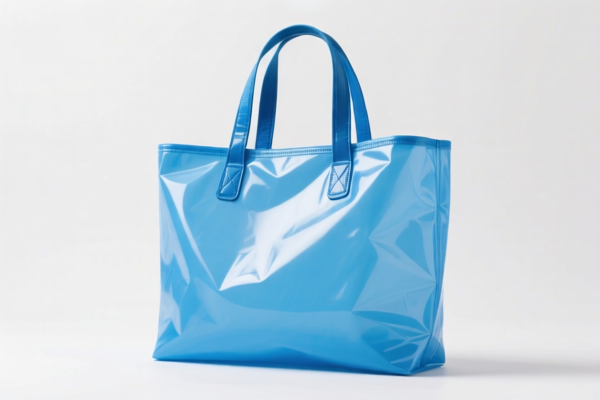
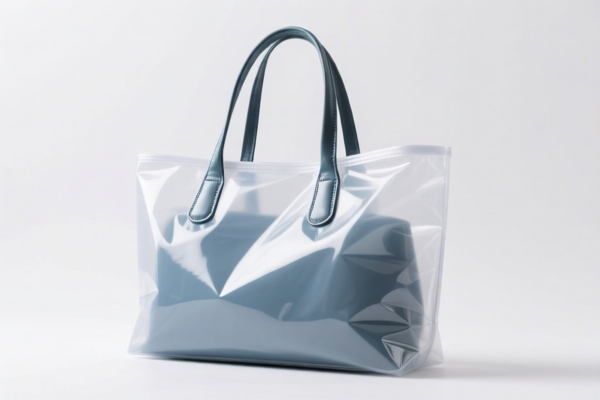
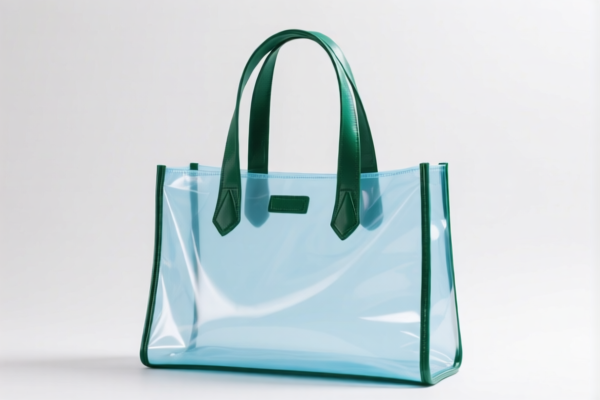
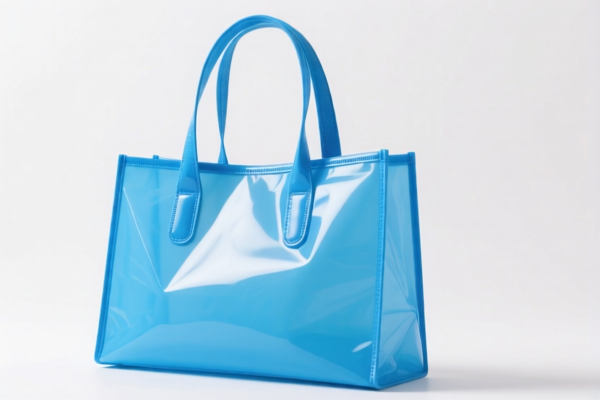
AI分析
👜 Durable Plastic Handbag (Lightweight Plastic Carrier Bags)
🌐 HS Code Reference & Clearance Guide | 2026 Latest Tariff Analysis | Professional Customs Strategy
📌 I. Product Definition & Classification: What is a "Plastic Handbag"?
In international trade, the term "Plastic Handbag" (often marketed as "Lightweight Plastic Shopping Bags" or "Reusable Plastic Pouches") is ambiguous. Customs authorities classify these goods based on material composition and specific use, rather than the generic consumer name.
There are two primary classification paths depending on the manufacturing details:
- Sheet-Based Plastic Bags: Made from plastic sheets/forming processes, often treated as general plastic articles.
- Polymer-Based Bags: Made specifically from ethylene polymers (polyethylene), classified as plastic packaging/consumables.
⚠️ Key Distinction Point:
- If the bag is made from plastic sheets and shaped into a handbag structure →归入 4202.22.15.00 (Apparel/Accessories Chapter).
- If the bag is made from ethylene polymers (standard plastic film) with handles →归入 3923.21.00.85 / 80 (Plastics Articles Chapter).
📦 II. HS Code Classification Details (2026 Latest Tariff Authority Comparison)
| HS Code | Product Description | Applicable Scenario | Material Specification |
|---|---|---|---|
4202.22.15.00 |
Lightweight plastic handbag; outer surface material is plastic sheets. | Fashion-style plastic totes, rigid plastic shopping bags, "luxury" plastic handles. | Plastic Sheets (General) |
3923.21.00.85 |
Lightweight plastic handbag; retail shopping bag with handles. | Standard lightweight shopping bags, flexible plastic carriers. | Ethylene Polymers |
3923.21.00.80 |
Lightweight plastic handbag; bag/pouch type. | Generic plastic bags, bulk packaging bags with handles. | Ethylene Polymers |
🔍 Critical Reminder:
- 4202 is in Chapter 42 (Articles of Leather; Saddle and Harness). Even though it's plastic, if it resembles a handbag made of plastic sheets (not film), it falls here. - 3923 is in Chapter 39 (Plastics and Articles Thereof). This covers consumable packaging bags made from plastic films/polymer materials.
💰 III. 2026 Latest Tariff Rate Breakdown (Including Surcharges & Policy Add-ons)
✅ Applicable Country: United States (US)
✅ Origin: China (CN)
✅ Effective Time: Post-2025 Regulations (Includes Section 301 & IEEPA)
🎯 1. 4202.22.15.00 —— Lightweight Plastic Handbag (Sheet-Based)
This code is subject to the highest tariff burden due to its classification as a fashion accessory/apparel item rather than a simple consumable package.
| Item | Content |
|---|---|
| Base Tariff Rate | 16.0% (Ad Valorem) |
| Section 301 Surcharge | +25.0% (Trade Facilitation and Enforcement Act) |
| Section 122 Tariff | +10.0% (Specific provision for certain plastic articles from China) |
| Total Tariff Rate | 51.0% |
| Tax Calculation | CIF Value × 51.0% |
| De Minimis Exemption | ❌ Not Eligible (deny_de_minimis) |
| Legal Basis Path | HTSUS:4202.22.15.00 → USITC:Footnote_301 → IEEPA:Section_122 |
📌 Explanation:
- The 16% base rate reflects the duty on articles of plastics of a kind used for making belts, handbags, etc. - The 25% Section 301 tariff is standard for many Chinese goods. - The 10% Section 122 tariff is a specific additional duty often applied to lightweight plastic packaging/handbags from China to protect domestic manufacturing. - Combined 51% is a significant cost factor. High-volume imports must calculate this carefully.
🎯 2. 3923.21.00.85 & 3923.21.00.80 —— Ethylene Polymer Shopping Bags
These codes classify the bags as "Plastics and Articles Thereof" (packaging material), resulting in a lower base tariff, though the surcharges remain severe.
| Item | Content |
|---|---|
| Base Tariff Rate | 3.0% (Ad Valorem) |
| Section 301 Surcharge | +25.0% (Trade Facilitation and Enforcement Act) |
| Section 122 Tariff | +10.0% (Specific provision for certain plastic articles from China) |
| Total Tariff Rate | 38.0% |
| Tax Calculation | CIF Value × 38.0% |
| De Minimis Exemption | ❌ Not Eligible (deny_de_minimis) |
| Legal Basis Path | HTSUS:3923.21.00.80/85 → USITC:Footnote_301 → IEEPA:Section_122 |
📌 Note:
- The 3% base rate is much lower than the 16% for code 4202, because these are considered "packaging consumables" rather than "accessories." - However, the 38% total rate is still very high due to the combined 35% in added duties (25% + 10%). - Difference: Choosing3923over4202saves 13% in total tax burden (51% vs 38%).
📄 IV. Paper Alternative Comparison (For Context)
⚠️ If your product is actually PAPER-based: - HS Code:
4819.40.00.40/4819.40.00.20- Total Tax: 35.0% - Breakdown: Base 0% + Section 301 (25%) + Section 122 (10%). - Insight: Paper bags may have a slightly lower tax rate (35%) than plastic sheet bags (51%) but are similar to polymer bags (38%). Material choice impacts duty significantly.
🛠️ V. Clearance Practical Advice (Battle-Tested Pitfall Avoidance)
✅ 1. Documentation Checklist (Non-negotiable)
| Document | Must Provide | Explanation |
|---|---|---|
| ✅ Product Specifications | ✔️ | Detail material type (e.g., "LDPE", "PP Sheets", "Recycled Plastic"). |
| ✅ Material Composition Statement | ✔️ | Crucial to distinguish between "Plastic Sheets" (4202) and "Polymer Film" (3923). |
| ✅ Product Photos | ✔️ | Show handles, thickness, and texture. Rigid bags often trigger 4202; flexible bags trigger 3923. |
| ✅ Commercial Invoice | ✔️ | Must explicitly state "Plastic Handbag" or "Shopping Bag" and declare value accurately. |
| ✅ Country of Origin Certificate | ✔️ | Confirms CN origin to apply correct surcharges. |
✅ 2. Declaration Strategy (Key Mnemonic)
🔥 "Material Defines Code, Sheet vs. Film Changes the Rate!"
| Scenario | Correct Declaration | Wrong Practice | Result |
|---|---|---|---|
| Rigid, Sheet-Molded Plastic Bag | HS 4202.22.15.00 |
Declare as generic plastic bag | Risk of Audit + Back-tariff |
| Flexible, Film-Form Plastic Bag | HS 3923.21.00.85 |
Declare as 4202 | Overpay 13% tax |
| Paper Bag | HS 4819.40.00.40 |
Declare as Plastic | Misdeclaration Penalty |
| Mixed Materials (e.g., Plastic Handle on Paper) | Complex Classification | Simple Guess | Delays & Seizure |
💡 Pro Tip: If your bag is flexible and made from standard plastic film (like a grocery bag with handles), HS 3923 is usually the safer, lower-tax route (38% vs 51%). Ensure your product specification explicitly states "Ethylene Polymer" or "Plastic Film" rather than "Plastic Sheet."
✅ 3. Special Circumstances
| Situation | Handling Advice |
|---|---|
| OEM/White Label | Ensure the invoice matches the manufacturer's label. Do not change HS codes based on branding. |
| Recycled Plastic | May still be subject to full tariffs unless specific recycling exemptions apply (rare for Section 301). |
| De Minimis (800 USD) | ❌ Cannot be used. All plastic/paper bags from China are explicitly excluded from de minimis treatment for these HS codes. |
| Packaging vs. Product | If the bag is containing another product, ensure the primary function is clear. If it's a "handbag," it's a product. If it's a "shopping bag," it's packaging. |
🌍 VI. Global Market Clearance Comparison (2026)
| Country/Region | Recommended HS Code | Est. Tariff (China Origin) | Notes |
|---|---|---|---|
| 🇺🇸 USA | 3923.21.00.85 |
38.0% | High burden due to 301+122. |
| 🇺🇸 USA | 4202.22.15.00 |
51.0% | Highest burden; avoid if possible. |
| 🇪🇺 EU | 3923.21 |
Varies (Check Local) | VAT applies; no Section 301. |
| 🇨🇳 China (Import) | 3923.21 |
5-10% | Lower duties, different policy. |
📌 Conclusion for US Importers:
- Plastic Handbags from China are expensive to clear. - 3923 (38%) is significantly better than 4202 (51%). - Paper Bags (4819, 35%) are also a competitive alternative. - Do NOT rely on de minimis. Plan for full duty payment.
📌 VII. Common Mistakes & Pitfalls (Lessons Learned)
❌ Mistake 1: Calling a "Plastic Shopping Bag" a "Plastic Handbag" without specifying material.
👉 Result: Customs may default to the higher tariff code (4202) or hold the shipment for clarification.
❌ Mistake 2: Assuming all plastic items are taxed equally.
👉 Result: Missing the difference between 3% base (3923) and 16% base (4202) leads to budget errors.
❌ Mistake 3: Trying to use de minimis ($800) for plastic bags.
👉 Result: Shipment will be detained. Plastic bags from China are explicitly excluded from de minimis relief.
✅ Correct Action:
"Polyethylene Retail Shopping Bag with Handles, Lightweight, Flexible. Origin: China. HS Code: 3923.21.00.85."
🎯 VIII. Conclusion: Professional Declaration, Cost Efficiency!
🎯 Remember the Golden Rules:
🔹 "Sheet = 51% / Film = 38% / Paper = 35%."
🔹 "No De Minimis for Chinese Plastic Bags."
🔹 "Define Material Precisely to Save 13% Tax."
📌 Pro Tip:
If your supplier can produce the bag using recycled content or non-ethylene polymers, consult a customs broker immediately—exemptions might exist, but don't count on them without pre-ruling.
📣 Immediate Action:
📞 Contact a Licensed Customs Broker + Provide Material Safety Data Sheet (MSDS) + Apply for Advance Ruling (if volume is high).
🚀 Save the 13% difference! Let your plastic bags clear smoothly, affordably, and legally.
✨ Professional Clearance Starts with Accurate Classification!
💼 Every Percentage Point Matters in International Trade!
用户评价
关于 HS 编码归类
协调制度(HS)是由世界海关组织(WCO)制定的国际贸易商品分类标准。全球 200 多个国家采用 HS 系统作为海关关税、贸易统计和进出口监管的基础。
每个 HS 编码遵循以下层级结构:
- 章(2 位)——商品大类(例如:第 84 章:机器和机械设备)
- 品目(4 位)——章内的更具体分类
- 子目(6 位)——国际通用细分,所有 WCO 成员国统一使用
- 本国细分(8-10 位)——各国自行扩展的细分编码,如美国 HTSUS 10 位编码
正确的 HS 编码归类对于顺利通关、准确缴纳关税和遵守贸易法规至关重要。错误归类可能导致海关延误、多缴关税或罚款。
从CN进口到US时,适用的关税税率可能包括:
- 最惠国(MFN)税率——适用于 WTO 成员国的标准关税税率
- 普通税率——适用于无贸易协定国家
- 贸易救济关税——附加关税,如 301 条款(反倾销)、232 条款(国家安全)或反补贴税
本页内容仅供参考。如需正式归类,请咨询当地海关或持牌报关代理。