Durable Plastic Handbag
CN → US| HS Code | Tariff Rate | Origin | Destination | Doc |
|---|---|---|---|---|
| 4202221500 | 51.0% | CN | US | Official Doc |
| 3923210085 | 38.0% | CN | US | Official Doc |
| 3923210080 | 38.0% | CN | US | Official Doc |
Product Images
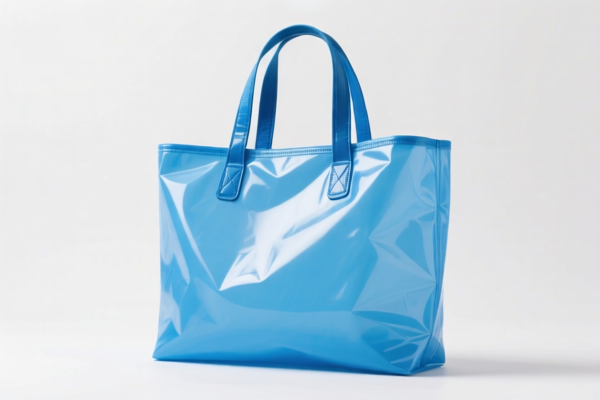
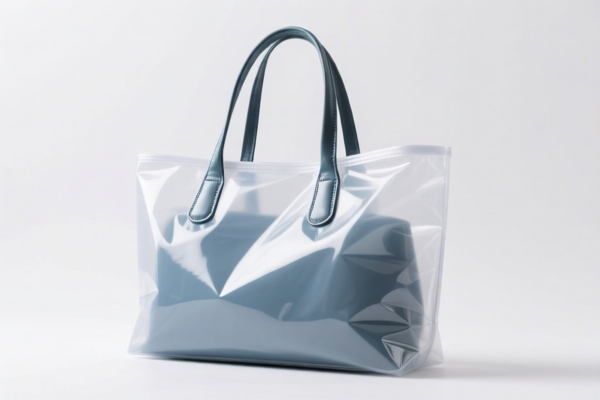
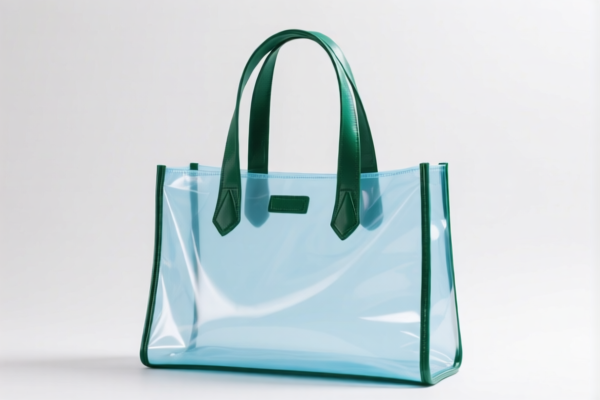
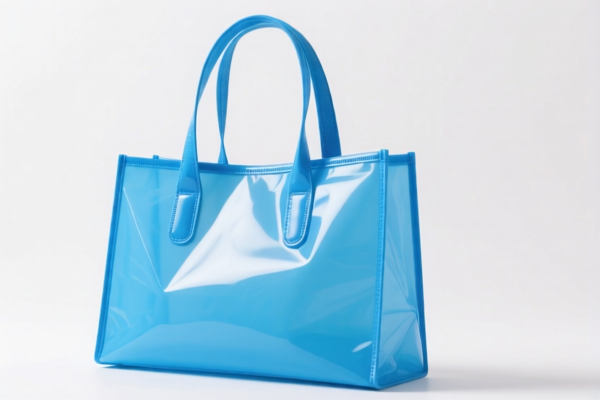
AI Analysis
👜 Durable Plastic Handbag (Lightweight Plastic Carrier Bags)
🌐 HS Code Reference & Clearance Guide | 2026 Latest Tariff Analysis | Professional Customs Strategy
📌 I. Product Definition & Classification: What is a "Plastic Handbag"?
In international trade, the term "Plastic Handbag" (often marketed as "Lightweight Plastic Shopping Bags" or "Reusable Plastic Pouches") is ambiguous. Customs authorities classify these goods based on material composition and specific use, rather than the generic consumer name.
There are two primary classification paths depending on the manufacturing details:
- Sheet-Based Plastic Bags: Made from plastic sheets/forming processes, often treated as general plastic articles.
- Polymer-Based Bags: Made specifically from ethylene polymers (polyethylene), classified as plastic packaging/consumables.
⚠️ Key Distinction Point:
- If the bag is made from plastic sheets and shaped into a handbag structure →归入 4202.22.15.00 (Apparel/Accessories Chapter).
- If the bag is made from ethylene polymers (standard plastic film) with handles →归入 3923.21.00.85 / 80 (Plastics Articles Chapter).
📦 II. HS Code Classification Details (2026 Latest Tariff Authority Comparison)
| HS Code | Product Description | Applicable Scenario | Material Specification |
|---|---|---|---|
4202.22.15.00 |
Lightweight plastic handbag; outer surface material is plastic sheets. | Fashion-style plastic totes, rigid plastic shopping bags, "luxury" plastic handles. | Plastic Sheets (General) |
3923.21.00.85 |
Lightweight plastic handbag; retail shopping bag with handles. | Standard lightweight shopping bags, flexible plastic carriers. | Ethylene Polymers |
3923.21.00.80 |
Lightweight plastic handbag; bag/pouch type. | Generic plastic bags, bulk packaging bags with handles. | Ethylene Polymers |
🔍 Critical Reminder:
- 4202 is in Chapter 42 (Articles of Leather; Saddle and Harness). Even though it's plastic, if it resembles a handbag made of plastic sheets (not film), it falls here. - 3923 is in Chapter 39 (Plastics and Articles Thereof). This covers consumable packaging bags made from plastic films/polymer materials.
💰 III. 2026 Latest Tariff Rate Breakdown (Including Surcharges & Policy Add-ons)
✅ Applicable Country: United States (US)
✅ Origin: China (CN)
✅ Effective Time: Post-2025 Regulations (Includes Section 301 & IEEPA)
🎯 1. 4202.22.15.00 —— Lightweight Plastic Handbag (Sheet-Based)
This code is subject to the highest tariff burden due to its classification as a fashion accessory/apparel item rather than a simple consumable package.
| Item | Content |
|---|---|
| Base Tariff Rate | 16.0% (Ad Valorem) |
| Section 301 Surcharge | +25.0% (Trade Facilitation and Enforcement Act) |
| Section 122 Tariff | +10.0% (Specific provision for certain plastic articles from China) |
| Total Tariff Rate | 51.0% |
| Tax Calculation | CIF Value × 51.0% |
| De Minimis Exemption | ❌ Not Eligible (deny_de_minimis) |
| Legal Basis Path | HTSUS:4202.22.15.00 → USITC:Footnote_301 → IEEPA:Section_122 |
📌 Explanation:
- The 16% base rate reflects the duty on articles of plastics of a kind used for making belts, handbags, etc. - The 25% Section 301 tariff is standard for many Chinese goods. - The 10% Section 122 tariff is a specific additional duty often applied to lightweight plastic packaging/handbags from China to protect domestic manufacturing. - Combined 51% is a significant cost factor. High-volume imports must calculate this carefully.
🎯 2. 3923.21.00.85 & 3923.21.00.80 —— Ethylene Polymer Shopping Bags
These codes classify the bags as "Plastics and Articles Thereof" (packaging material), resulting in a lower base tariff, though the surcharges remain severe.
| Item | Content |
|---|---|
| Base Tariff Rate | 3.0% (Ad Valorem) |
| Section 301 Surcharge | +25.0% (Trade Facilitation and Enforcement Act) |
| Section 122 Tariff | +10.0% (Specific provision for certain plastic articles from China) |
| Total Tariff Rate | 38.0% |
| Tax Calculation | CIF Value × 38.0% |
| De Minimis Exemption | ❌ Not Eligible (deny_de_minimis) |
| Legal Basis Path | HTSUS:3923.21.00.80/85 → USITC:Footnote_301 → IEEPA:Section_122 |
📌 Note:
- The 3% base rate is much lower than the 16% for code 4202, because these are considered "packaging consumables" rather than "accessories." - However, the 38% total rate is still very high due to the combined 35% in added duties (25% + 10%). - Difference: Choosing3923over4202saves 13% in total tax burden (51% vs 38%).
📄 IV. Paper Alternative Comparison (For Context)
⚠️ If your product is actually PAPER-based: - HS Code:
4819.40.00.40/4819.40.00.20- Total Tax: 35.0% - Breakdown: Base 0% + Section 301 (25%) + Section 122 (10%). - Insight: Paper bags may have a slightly lower tax rate (35%) than plastic sheet bags (51%) but are similar to polymer bags (38%). Material choice impacts duty significantly.
🛠️ V. Clearance Practical Advice (Battle-Tested Pitfall Avoidance)
✅ 1. Documentation Checklist (Non-negotiable)
| Document | Must Provide | Explanation |
|---|---|---|
| ✅ Product Specifications | ✔️ | Detail material type (e.g., "LDPE", "PP Sheets", "Recycled Plastic"). |
| ✅ Material Composition Statement | ✔️ | Crucial to distinguish between "Plastic Sheets" (4202) and "Polymer Film" (3923). |
| ✅ Product Photos | ✔️ | Show handles, thickness, and texture. Rigid bags often trigger 4202; flexible bags trigger 3923. |
| ✅ Commercial Invoice | ✔️ | Must explicitly state "Plastic Handbag" or "Shopping Bag" and declare value accurately. |
| ✅ Country of Origin Certificate | ✔️ | Confirms CN origin to apply correct surcharges. |
✅ 2. Declaration Strategy (Key Mnemonic)
🔥 "Material Defines Code, Sheet vs. Film Changes the Rate!"
| Scenario | Correct Declaration | Wrong Practice | Result |
|---|---|---|---|
| Rigid, Sheet-Molded Plastic Bag | HS 4202.22.15.00 |
Declare as generic plastic bag | Risk of Audit + Back-tariff |
| Flexible, Film-Form Plastic Bag | HS 3923.21.00.85 |
Declare as 4202 | Overpay 13% tax |
| Paper Bag | HS 4819.40.00.40 |
Declare as Plastic | Misdeclaration Penalty |
| Mixed Materials (e.g., Plastic Handle on Paper) | Complex Classification | Simple Guess | Delays & Seizure |
💡 Pro Tip: If your bag is flexible and made from standard plastic film (like a grocery bag with handles), HS 3923 is usually the safer, lower-tax route (38% vs 51%). Ensure your product specification explicitly states "Ethylene Polymer" or "Plastic Film" rather than "Plastic Sheet."
✅ 3. Special Circumstances
| Situation | Handling Advice |
|---|---|
| OEM/White Label | Ensure the invoice matches the manufacturer's label. Do not change HS codes based on branding. |
| Recycled Plastic | May still be subject to full tariffs unless specific recycling exemptions apply (rare for Section 301). |
| De Minimis (800 USD) | ❌ Cannot be used. All plastic/paper bags from China are explicitly excluded from de minimis treatment for these HS codes. |
| Packaging vs. Product | If the bag is containing another product, ensure the primary function is clear. If it's a "handbag," it's a product. If it's a "shopping bag," it's packaging. |
🌍 VI. Global Market Clearance Comparison (2026)
| Country/Region | Recommended HS Code | Est. Tariff (China Origin) | Notes |
|---|---|---|---|
| 🇺🇸 USA | 3923.21.00.85 |
38.0% | High burden due to 301+122. |
| 🇺🇸 USA | 4202.22.15.00 |
51.0% | Highest burden; avoid if possible. |
| 🇪🇺 EU | 3923.21 |
Varies (Check Local) | VAT applies; no Section 301. |
| 🇨🇳 China (Import) | 3923.21 |
5-10% | Lower duties, different policy. |
📌 Conclusion for US Importers:
- Plastic Handbags from China are expensive to clear. - 3923 (38%) is significantly better than 4202 (51%). - Paper Bags (4819, 35%) are also a competitive alternative. - Do NOT rely on de minimis. Plan for full duty payment.
📌 VII. Common Mistakes & Pitfalls (Lessons Learned)
❌ Mistake 1: Calling a "Plastic Shopping Bag" a "Plastic Handbag" without specifying material.
👉 Result: Customs may default to the higher tariff code (4202) or hold the shipment for clarification.
❌ Mistake 2: Assuming all plastic items are taxed equally.
👉 Result: Missing the difference between 3% base (3923) and 16% base (4202) leads to budget errors.
❌ Mistake 3: Trying to use de minimis ($800) for plastic bags.
👉 Result: Shipment will be detained. Plastic bags from China are explicitly excluded from de minimis relief.
✅ Correct Action:
"Polyethylene Retail Shopping Bag with Handles, Lightweight, Flexible. Origin: China. HS Code: 3923.21.00.85."
🎯 VIII. Conclusion: Professional Declaration, Cost Efficiency!
🎯 Remember the Golden Rules:
🔹 "Sheet = 51% / Film = 38% / Paper = 35%."
🔹 "No De Minimis for Chinese Plastic Bags."
🔹 "Define Material Precisely to Save 13% Tax."
📌 Pro Tip:
If your supplier can produce the bag using recycled content or non-ethylene polymers, consult a customs broker immediately—exemptions might exist, but don't count on them without pre-ruling.
📣 Immediate Action:
📞 Contact a Licensed Customs Broker + Provide Material Safety Data Sheet (MSDS) + Apply for Advance Ruling (if volume is high).
🚀 Save the 13% difference! Let your plastic bags clear smoothly, affordably, and legally.
✨ Professional Clearance Starts with Accurate Classification!
💼 Every Percentage Point Matters in International Trade!
Customer Reviews
About HS Code Classification
The Harmonized System (HS) is an internationally standardized nomenclature developed by the World Customs Organization (WCO) to classify traded products. Over 200 countries use the HS system as the basis for customs tariffs, trade statistics, and import/export regulations.
Each HS code follows a hierarchical structure:
- Chapter (2 digits) — Broad category of goods (e.g., Chapter 84: Machinery and Mechanical Appliances)
- Heading (4 digits) — More specific grouping within the chapter
- Subheading (6 digits) — Internationally standardized breakdown, used by all WCO member countries
- National subdivisions (8-10 digits) — Country-specific extensions for further classification, such as US HTSUS 10-digit codes
Correct HS code classification is essential for smooth customs clearance, accurate duty payment, and compliance with trade regulations. Misclassification can lead to customs delays, overpayment of duties, or penalties.
When importing from CN to US, the applicable tariff rates may include:
- Most-Favored-Nation (MFN) rate — The standard duty rate applied to WTO members
- General rate — Applied to countries without trade agreements
- Trade remedy duties — Additional tariffs such as Section 301 (anti-dumping), Section 232 (national security), or countervailing duties
The information provided on this page is for reference purposes only. For official classification, please consult with your local customs authority or a licensed customs broker.