Dust Cover Bag
CN → US| HS编码 | 关税税率 | 原产国 | 目的国 | 文档 |
|---|---|---|---|---|
| 3926909989 | 22.8% | CN | US | 官方文档 |
| 3926901000 | 20.9% | CN | US | 官方文档 |
| 4202999000 | 55.0% | CN | US | 官方文档 |
| 4202995000 | 42.8% | CN | US | 官方文档 |
| 7326903500 | 92.8% | CN | US | 官方文档 |
商品图片
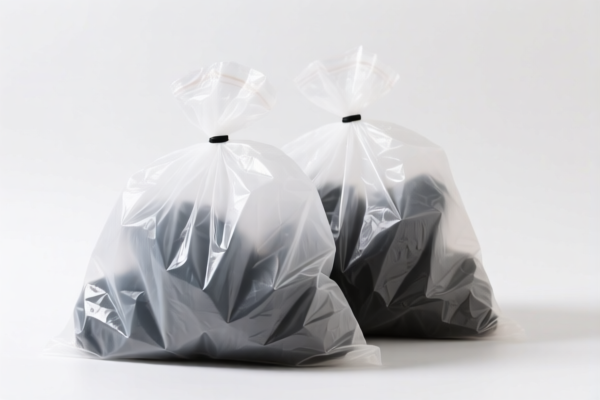
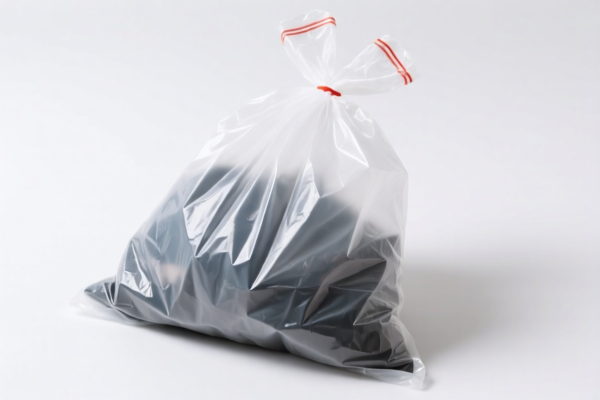
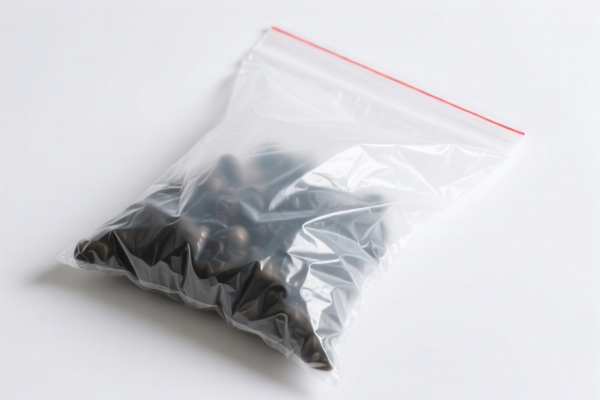
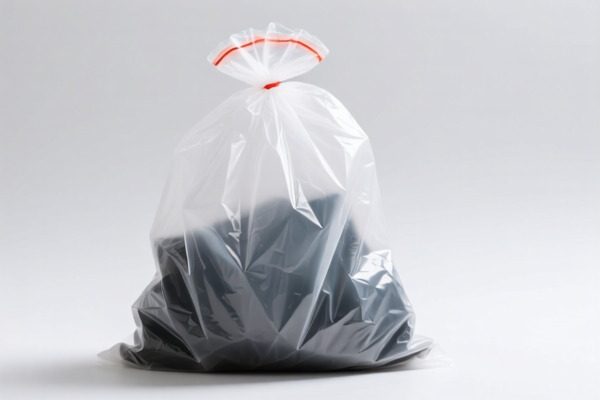
AI分析
🛡️ Dust Cover Bag (Protective Cases & Covers)
🌐 HS Code Reference & Customs Clearance Guide | 2026 Latest Tariff Full Analysis | Professional Clearance Strategy
📌 I. Product Definition & Classification: What Exactly is a "Dust Cover Bag"?
A Dust Cover Bag is a versatile protective item designed to shield goods from dust, moisture, light, and minor abrasions. In international trade, these are not a single unified commodity but are classified based on their material composition and specific function/form.
The core classification logic follows this hierarchy: 1. Material First: Is it Plastic? Metal? Leather/Textile? Steel? 2. Form Second: Is it a flexible bag/cover, a rigid box/case, or a specialized container?
⚠️ Critical Distinction:
- If made of Plastic (soft or rigid) → Usually falls under Chapter 39 (Plastics).
- If made of Metal/Steel (rigid cases) → Usually falls under Chapter 73 (Iron/Steel).
- If made of Leather, Textile, or Other Materials (bags/cases) → Usually falls under Chapter 42 (Articles of Leather; Travel Goods).
📦 II. HS Code Classification Details (2026 Latest Tariff Authority Comparison)
Based on the product characteristics, here are the most likely HS Codes and their corresponding tax breakdowns.
| HS Code | Product Description | Material/Logic | Total Tax Rate (US/China) |
|---|---|---|---|
3926.90.99.89 |
Other articles of plastics (e.g., plastic dust covers, protective sheaths) | Plastic / Container/Shell logic. "Other plastic products." | 22.8% |
3926.90.10.00 |
Other containers, boxes, cases of plastics (or metal-plastic mix) | Plastic/Metal / Container/Box logic. Fallback "other products." | 20.9% |
4202.99.90.00 |
Travel goods, satchels, briefcases, protective cases (not leather/plastic/textile specific) | Plastic/Metal/Textile / Bag-like container. "Other containers." | 55.0% |
4202.99.50.00 |
Other articles of plastic, sheeting, or other materials (not leather/textile) | Other Material / Box-type container. Excludes specific leather/textile/plastic caps. | 42.8% |
7326.90.35.00 |
Other articles of iron or steel (e.g., metal tool cases, steel protective covers) | Steel/Metal / Protective Container. "Other steel products." | 92.8% |
🔍 Key Insight:
- Plastic covers generally attract lower base tariffs but are subject to significant Section 301 and 122 Clause add-ons. - Metal (Steel) cases attract the highest combined tax rate (92.8%) due to the additional 50% tariff on steel/aluminum/copper products from China. - Chapter 42 (Bag/Case) items are heavily taxed due to higher base rates and Section 301 tariffs.
💰 III. 2026 Latest Tariff Rate Breakdown (Including Add-ons, Policy Surcharges)
✅ Applicable Country: United States (US)
✅ Origin: China (CN)
✅ Effective Date: Current regulations (including Section 301 and 122 Clause impacts)
🎯 1. 3926.90.99.89 — Plastic Dust Covers/Sheaths (Other Plastic Articles)
| Item | Content |
|---|---|
| Base Tariff | 5.3% |
| Section 301 Add-on | 7.5% |
| 122 Clause Add-on | 10% |
| Total Tax Rate | 22.8% |
| Tax Calculation | CIF Value × 22.8% |
| De Minimis Exemption? | ❌ No (Subject to high duty rates) |
| Legal Path | USITC:3926.90.99.89 → Section 301 Footnote → 122 Clause |
📌 Explanation:
- This is the most common classification for flexible plastic dust covers or rigid plastic protective shells. - The "Other plastics" category has a modest base rate, but the cumulative add-ons bring it to nearly 23%.
🎯 2. 3926.90.10.00 — Plastic/Metal Containers or Boxes (Other)
| Item | Content |
|---|---|
| Base Tariff | 3.4% |
| Section 301 Add-on | 7.5% |
| 122 Clause Add-on | 10% |
| Total Tax Rate | 20.9% |
| Tax Calculation | CIF Value × 20.9% |
| De Minimis Exemption? | ❌ No |
| Legal Path | USITC:3926.90.10.00 → Section 301 → 122 Clause |
📌 Note:
- This code is used when the item is a box-like or container-style plastic dust cover (e.g., a rigid plastic case for electronics). - Slightly lower than3926.90.99.89due to a lower base rate (3.4% vs 5.3%).
🎯 3. 4202.99.90.00 — Other Travel Goods/Protective Cases (Bag-like)
| Item | Content |
|---|---|
| Base Tariff | 20.0% |
| Section 301 Add-on | 25.0% |
| 122 Clause Add-on | 10% |
| Total Tax Rate | 55.0% |
| Tax Calculation | CIF Value × 55.0% |
| De Minimis Exemption? | ❌ No |
| Legal Path | USITC:4202.99.90.00 → Section 301 → 122 Clause |
📌 Warning:
- If the "Dust Cover Bag" is made of textile, nylon, or non-plastic materials and resembles a bag, pouch, or travel case, it falls under Chapter 42. - High Risk: This classification carries a 55% total tax rate, which is significantly higher than plastic alternatives.
🎯 4. 4202.99.50.00 — Other Articles of Plastic/Sheeting (Non-Specific)
| Item | Content |
|---|---|
| Base Tariff | 7.8% |
| Section 301 Add-on | 25.0% |
| 122 Clause Add-on | 10% |
| Total Tax Rate | 42.8% |
| Tax Calculation | CIF Value × 42.8% |
| De Minimis Exemption? | ❌ No |
| Legal Path | USITC:4202.99.50.00 → Section 301 → 122 Clause |
📌 Note:
- Used for boxes/cases made of materials not specifically covered elsewhere (e.g., certain composite materials or non-textile/non-leather sheets). - Moderate tax burden compared to textile bags but higher than pure plastic covers.
🎯 5. 7326.90.35.00 — Steel/Metal Protective Containers/Cases
| Item | Content |
|---|---|
| Base Tariff | 7.8% |
| Section 301 Add-on | 25.0% |
| 122 Clause Add-on | 10% |
| Steel/Aluminum/Copper Add-on | 50% |
| Total Tax Rate | 92.8% |
| Tax Calculation | CIF Value × 92.8% |
| De Minimis Exemption? | ❌ No |
| Legal Path | USITC:7326.90.35.00 → Steel Penalty Clause → Section 301 → 122 Clause |
🚨 Critical Alert:
- If your "Dust Cover Bag" is a metal case (e.g., aluminum tool case, steel equipment cover), this is the correct code. - Extremely High Tax: The 50% additional tariff on steel/aluminum makes this the most expensive option. Avoid this classification if a plastic alternative exists.
🛠️ IV. Customs Clearance Practical Advice (Real-World Pitfall Guide)
✅ 1. Document Checklist (Non-Negotiable)
| Document | Required | Description |
|---|---|---|
| ✅ Product Specification Sheet | ✔️ | Must clearly state material (e.g., "100% PE Plastic," "Nylon," "Aluminum Alloy"). |
| ✅ Material Declaration | ✔️ | Explicitly list all components. If mixed materials, define the primary material. |
| ✅ Product Photos | ✔️ | Show the item in use, close-ups of seams/zippers, and any labels. |
| ✅ Commercial Invoice | ✔️ | Describe as "Protective Dust Cover (Plastic)" or "Equipment Case (Steel)," NOT just "Bag." |
| ✅ Packing List | ✔️ | Detail dimensions and weight. |
| ✅ Third-Party Test Report | (If applicable) | For plastics: RoHS/REACH; For metals: Material certification. |
✅ 2. Declaration Strategy (Key Mnemonic)
🔥 “Material First, Form Second; Plastic Wins, Steel Burns!”
| Scenario | Correct Declaration | HS Code | Tax Rate |
|---|---|---|---|
| Flexible Plastic Cover | "Polyethylene Dust Cover" | 3926.90.99.89 |
22.8% ✅ Best |
| Rigid Plastic Case | "Plastic Protective Box" | 3926.90.10.00 |
20.9% ✅ Best |
| Nylon/Textile Pouch | "Nylon Dust Pouch" | 4202.99.90.00 |
55.0% ❌ High |
| Metal/Steel Case | "Aluminum Equipment Case" | 7326.90.35.00 |
92.8% 🚫 Avoid |
⚠️ Common Error:
- Declaring a nylon bag as a "plastic bag" to avoid Chapter 42 taxes.
- Consequence: Customs inspection will reveal the material, leading to reclassification, penalties, and retroactive tax payments.
✅ 3. Special Case Handling
| Situation | Recommendation |
|---|---|
| Mixed Material (Plastic Handle + Nylon Bag) | Declare based on the primary material or the material giving it its essential character. Usually, if the body is nylon, it’s Chapter 42. |
| Custom-Molded Plastic Shell | Ensure it’s described as "Plastic Article," not "Metal" even if it has metal hinges. |
| OEM Custom Covers | Provide design files to prove the intended material composition. |
| Samples vs. Bulk | Same HS code applies. Ensure commercial invoice reflects actual value. |
🌍 V. Global Market Comparison (2026 Latest)
| Country/Region | Recommended HS Code (Plastic) | Tax Rate (China Origin) | Notes |
|---|---|---|---|
| 🇺🇸 USA | 3926.90.99.89 |
22.8% | High add-ons; avoid Steel (92.8%) and Textile (55%) |
| 🇨🇳 China | 3926.90.99.89 |
~5-10% (VAT+Tariff) | No Section 301/122 penalties |
| 🇪🇺 EU | 3926.90.99 |
~4-5% | No major punitive tariffs on plastic covers |
| 🇦🇺 Australia | 3926.90.99 |
~5% | GST applies on top |
| 🇯🇵 Japan | 3926.90.99 |
~4-5% | Stable rates |
📌 Conclusion:
- USA is the most challenging market due to punitive tariffs.
- Plastic (3926) is the optimal material choice for "Dust Cover Bags" entering the US due to lower total tax (20-23%) compared to Steel (92.8%) or Textile/Bag (42-55%).
📌 VI. Common Errors & Pitfall Guide (Lessons Learned)
❌ Error 1: Declaring a Steel Case as a "Plastic Case"
👉 Consequence: Customs detects metal density/magnetism → 92.8% tax applied + fines.
❌ Error 2: Declaring a Nylon Bag as "Plastic Article"
👉 Consequence: Material analysis proves nylon → Reclassified to 4202.99.90.00 (55%).
❌ Error 3: Using vague description "Bag"
👉 Consequence: Customs assigns default high-rate code or delays clearance for material verification.
❌ Error 4: Ignoring the 122 Clause
👉 Consequence: Forgetting to account for the additional 10% tariff on certain goods, leading to underpayment.
✅ Correct Practice:
"Dust Cover Bag, Made of 100% Polyethylene (PE) Plastic, Soft Flexible Sheet, Used for Protecting Electronics from Dust"
🎯 VII. Conclusion: Professional Declaration, Cost Optimization!
🎯 Remember the Mnemonic:
🔹 "Plastic is King, Steel is the Enemy; Textile Bags are Heavy with Tax!"
🔹 "23% for Plastic, 55% for Bag, 93% for Steel — Choose Wisely!"
📌 Pro Tip:
- If your product is a soft cover, insist on Plastic (PE/PVC) material to stay in Chapter 39 (20-23% tax).
- If you must use Nylon/Fabric, be prepared for 55% tax and ensure precise documentation.
- Never use Steel for "covers" if a plastic alternative exists, unless structural integrity is absolutely required (due to 92.8% tax).
📣 Immediate Action:
📞 Contact your freight forwarder with material specs
🚀 Request HS Code Pre-Ruling for large shipments
💼 Optimize your supply chain material choice to save 30-70% in taxes!
✨ Professional Clearance Starts with Accurate Classification!
💼 Every dollar saved in duty is pure profit!
用户评价
关于 HS 编码归类
协调制度(HS)是由世界海关组织(WCO)制定的国际贸易商品分类标准。全球 200 多个国家采用 HS 系统作为海关关税、贸易统计和进出口监管的基础。
每个 HS 编码遵循以下层级结构:
- 章(2 位)——商品大类(例如:第 84 章:机器和机械设备)
- 品目(4 位)——章内的更具体分类
- 子目(6 位)——国际通用细分,所有 WCO 成员国统一使用
- 本国细分(8-10 位)——各国自行扩展的细分编码,如美国 HTSUS 10 位编码
正确的 HS 编码归类对于顺利通关、准确缴纳关税和遵守贸易法规至关重要。错误归类可能导致海关延误、多缴关税或罚款。
从CN进口到US时,适用的关税税率可能包括:
- 最惠国(MFN)税率——适用于 WTO 成员国的标准关税税率
- 普通税率——适用于无贸易协定国家
- 贸易救济关税——附加关税,如 301 条款(反倾销)、232 条款(国家安全)或反补贴税
本页内容仅供参考。如需正式归类,请咨询当地海关或持牌报关代理。