Dust Cover Bag
CN → US| HS Code | Tariff Rate | Origin | Destination | Doc |
|---|---|---|---|---|
| 3926909989 | 22.8% | CN | US | Official Doc |
| 3926901000 | 20.9% | CN | US | Official Doc |
| 4202999000 | 55.0% | CN | US | Official Doc |
| 4202995000 | 42.8% | CN | US | Official Doc |
| 7326903500 | 92.8% | CN | US | Official Doc |
Product Images
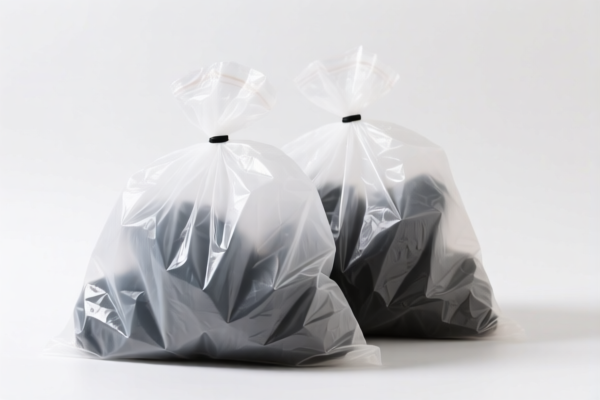
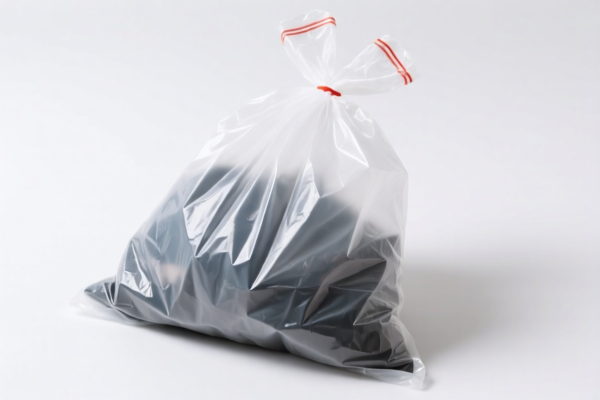
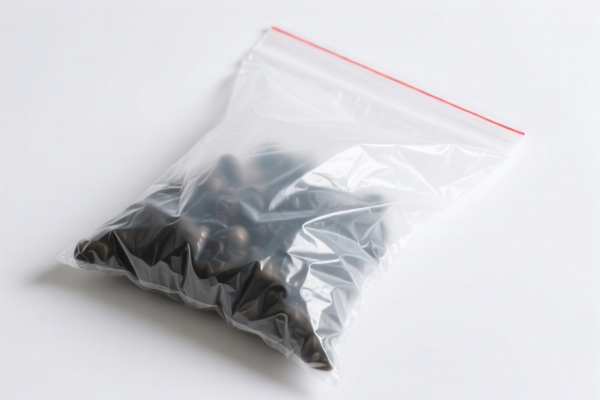
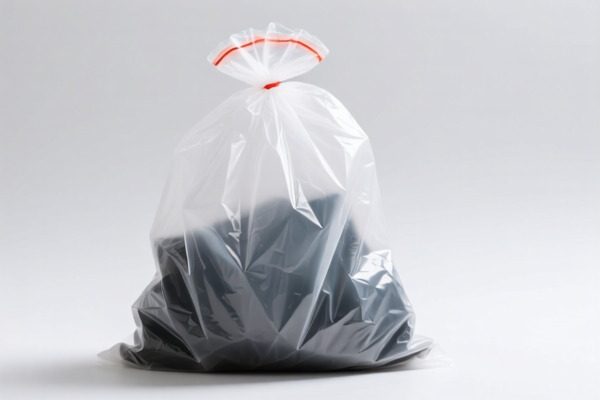
AI Analysis
🛡️ Dust Cover Bag (Protective Cases & Covers)
🌐 HS Code Reference & Customs Clearance Guide | 2026 Latest Tariff Full Analysis | Professional Clearance Strategy
📌 I. Product Definition & Classification: What Exactly is a "Dust Cover Bag"?
A Dust Cover Bag is a versatile protective item designed to shield goods from dust, moisture, light, and minor abrasions. In international trade, these are not a single unified commodity but are classified based on their material composition and specific function/form.
The core classification logic follows this hierarchy: 1. Material First: Is it Plastic? Metal? Leather/Textile? Steel? 2. Form Second: Is it a flexible bag/cover, a rigid box/case, or a specialized container?
⚠️ Critical Distinction:
- If made of Plastic (soft or rigid) → Usually falls under Chapter 39 (Plastics).
- If made of Metal/Steel (rigid cases) → Usually falls under Chapter 73 (Iron/Steel).
- If made of Leather, Textile, or Other Materials (bags/cases) → Usually falls under Chapter 42 (Articles of Leather; Travel Goods).
📦 II. HS Code Classification Details (2026 Latest Tariff Authority Comparison)
Based on the product characteristics, here are the most likely HS Codes and their corresponding tax breakdowns.
| HS Code | Product Description | Material/Logic | Total Tax Rate (US/China) |
|---|---|---|---|
3926.90.99.89 |
Other articles of plastics (e.g., plastic dust covers, protective sheaths) | Plastic / Container/Shell logic. "Other plastic products." | 22.8% |
3926.90.10.00 |
Other containers, boxes, cases of plastics (or metal-plastic mix) | Plastic/Metal / Container/Box logic. Fallback "other products." | 20.9% |
4202.99.90.00 |
Travel goods, satchels, briefcases, protective cases (not leather/plastic/textile specific) | Plastic/Metal/Textile / Bag-like container. "Other containers." | 55.0% |
4202.99.50.00 |
Other articles of plastic, sheeting, or other materials (not leather/textile) | Other Material / Box-type container. Excludes specific leather/textile/plastic caps. | 42.8% |
7326.90.35.00 |
Other articles of iron or steel (e.g., metal tool cases, steel protective covers) | Steel/Metal / Protective Container. "Other steel products." | 92.8% |
🔍 Key Insight:
- Plastic covers generally attract lower base tariffs but are subject to significant Section 301 and 122 Clause add-ons. - Metal (Steel) cases attract the highest combined tax rate (92.8%) due to the additional 50% tariff on steel/aluminum/copper products from China. - Chapter 42 (Bag/Case) items are heavily taxed due to higher base rates and Section 301 tariffs.
💰 III. 2026 Latest Tariff Rate Breakdown (Including Add-ons, Policy Surcharges)
✅ Applicable Country: United States (US)
✅ Origin: China (CN)
✅ Effective Date: Current regulations (including Section 301 and 122 Clause impacts)
🎯 1. 3926.90.99.89 — Plastic Dust Covers/Sheaths (Other Plastic Articles)
| Item | Content |
|---|---|
| Base Tariff | 5.3% |
| Section 301 Add-on | 7.5% |
| 122 Clause Add-on | 10% |
| Total Tax Rate | 22.8% |
| Tax Calculation | CIF Value × 22.8% |
| De Minimis Exemption? | ❌ No (Subject to high duty rates) |
| Legal Path | USITC:3926.90.99.89 → Section 301 Footnote → 122 Clause |
📌 Explanation:
- This is the most common classification for flexible plastic dust covers or rigid plastic protective shells. - The "Other plastics" category has a modest base rate, but the cumulative add-ons bring it to nearly 23%.
🎯 2. 3926.90.10.00 — Plastic/Metal Containers or Boxes (Other)
| Item | Content |
|---|---|
| Base Tariff | 3.4% |
| Section 301 Add-on | 7.5% |
| 122 Clause Add-on | 10% |
| Total Tax Rate | 20.9% |
| Tax Calculation | CIF Value × 20.9% |
| De Minimis Exemption? | ❌ No |
| Legal Path | USITC:3926.90.10.00 → Section 301 → 122 Clause |
📌 Note:
- This code is used when the item is a box-like or container-style plastic dust cover (e.g., a rigid plastic case for electronics). - Slightly lower than3926.90.99.89due to a lower base rate (3.4% vs 5.3%).
🎯 3. 4202.99.90.00 — Other Travel Goods/Protective Cases (Bag-like)
| Item | Content |
|---|---|
| Base Tariff | 20.0% |
| Section 301 Add-on | 25.0% |
| 122 Clause Add-on | 10% |
| Total Tax Rate | 55.0% |
| Tax Calculation | CIF Value × 55.0% |
| De Minimis Exemption? | ❌ No |
| Legal Path | USITC:4202.99.90.00 → Section 301 → 122 Clause |
📌 Warning:
- If the "Dust Cover Bag" is made of textile, nylon, or non-plastic materials and resembles a bag, pouch, or travel case, it falls under Chapter 42. - High Risk: This classification carries a 55% total tax rate, which is significantly higher than plastic alternatives.
🎯 4. 4202.99.50.00 — Other Articles of Plastic/Sheeting (Non-Specific)
| Item | Content |
|---|---|
| Base Tariff | 7.8% |
| Section 301 Add-on | 25.0% |
| 122 Clause Add-on | 10% |
| Total Tax Rate | 42.8% |
| Tax Calculation | CIF Value × 42.8% |
| De Minimis Exemption? | ❌ No |
| Legal Path | USITC:4202.99.50.00 → Section 301 → 122 Clause |
📌 Note:
- Used for boxes/cases made of materials not specifically covered elsewhere (e.g., certain composite materials or non-textile/non-leather sheets). - Moderate tax burden compared to textile bags but higher than pure plastic covers.
🎯 5. 7326.90.35.00 — Steel/Metal Protective Containers/Cases
| Item | Content |
|---|---|
| Base Tariff | 7.8% |
| Section 301 Add-on | 25.0% |
| 122 Clause Add-on | 10% |
| Steel/Aluminum/Copper Add-on | 50% |
| Total Tax Rate | 92.8% |
| Tax Calculation | CIF Value × 92.8% |
| De Minimis Exemption? | ❌ No |
| Legal Path | USITC:7326.90.35.00 → Steel Penalty Clause → Section 301 → 122 Clause |
🚨 Critical Alert:
- If your "Dust Cover Bag" is a metal case (e.g., aluminum tool case, steel equipment cover), this is the correct code. - Extremely High Tax: The 50% additional tariff on steel/aluminum makes this the most expensive option. Avoid this classification if a plastic alternative exists.
🛠️ IV. Customs Clearance Practical Advice (Real-World Pitfall Guide)
✅ 1. Document Checklist (Non-Negotiable)
| Document | Required | Description |
|---|---|---|
| ✅ Product Specification Sheet | ✔️ | Must clearly state material (e.g., "100% PE Plastic," "Nylon," "Aluminum Alloy"). |
| ✅ Material Declaration | ✔️ | Explicitly list all components. If mixed materials, define the primary material. |
| ✅ Product Photos | ✔️ | Show the item in use, close-ups of seams/zippers, and any labels. |
| ✅ Commercial Invoice | ✔️ | Describe as "Protective Dust Cover (Plastic)" or "Equipment Case (Steel)," NOT just "Bag." |
| ✅ Packing List | ✔️ | Detail dimensions and weight. |
| ✅ Third-Party Test Report | (If applicable) | For plastics: RoHS/REACH; For metals: Material certification. |
✅ 2. Declaration Strategy (Key Mnemonic)
🔥 “Material First, Form Second; Plastic Wins, Steel Burns!”
| Scenario | Correct Declaration | HS Code | Tax Rate |
|---|---|---|---|
| Flexible Plastic Cover | "Polyethylene Dust Cover" | 3926.90.99.89 |
22.8% ✅ Best |
| Rigid Plastic Case | "Plastic Protective Box" | 3926.90.10.00 |
20.9% ✅ Best |
| Nylon/Textile Pouch | "Nylon Dust Pouch" | 4202.99.90.00 |
55.0% ❌ High |
| Metal/Steel Case | "Aluminum Equipment Case" | 7326.90.35.00 |
92.8% 🚫 Avoid |
⚠️ Common Error:
- Declaring a nylon bag as a "plastic bag" to avoid Chapter 42 taxes.
- Consequence: Customs inspection will reveal the material, leading to reclassification, penalties, and retroactive tax payments.
✅ 3. Special Case Handling
| Situation | Recommendation |
|---|---|
| Mixed Material (Plastic Handle + Nylon Bag) | Declare based on the primary material or the material giving it its essential character. Usually, if the body is nylon, it’s Chapter 42. |
| Custom-Molded Plastic Shell | Ensure it’s described as "Plastic Article," not "Metal" even if it has metal hinges. |
| OEM Custom Covers | Provide design files to prove the intended material composition. |
| Samples vs. Bulk | Same HS code applies. Ensure commercial invoice reflects actual value. |
🌍 V. Global Market Comparison (2026 Latest)
| Country/Region | Recommended HS Code (Plastic) | Tax Rate (China Origin) | Notes |
|---|---|---|---|
| 🇺🇸 USA | 3926.90.99.89 |
22.8% | High add-ons; avoid Steel (92.8%) and Textile (55%) |
| 🇨🇳 China | 3926.90.99.89 |
~5-10% (VAT+Tariff) | No Section 301/122 penalties |
| 🇪🇺 EU | 3926.90.99 |
~4-5% | No major punitive tariffs on plastic covers |
| 🇦🇺 Australia | 3926.90.99 |
~5% | GST applies on top |
| 🇯🇵 Japan | 3926.90.99 |
~4-5% | Stable rates |
📌 Conclusion:
- USA is the most challenging market due to punitive tariffs.
- Plastic (3926) is the optimal material choice for "Dust Cover Bags" entering the US due to lower total tax (20-23%) compared to Steel (92.8%) or Textile/Bag (42-55%).
📌 VI. Common Errors & Pitfall Guide (Lessons Learned)
❌ Error 1: Declaring a Steel Case as a "Plastic Case"
👉 Consequence: Customs detects metal density/magnetism → 92.8% tax applied + fines.
❌ Error 2: Declaring a Nylon Bag as "Plastic Article"
👉 Consequence: Material analysis proves nylon → Reclassified to 4202.99.90.00 (55%).
❌ Error 3: Using vague description "Bag"
👉 Consequence: Customs assigns default high-rate code or delays clearance for material verification.
❌ Error 4: Ignoring the 122 Clause
👉 Consequence: Forgetting to account for the additional 10% tariff on certain goods, leading to underpayment.
✅ Correct Practice:
"Dust Cover Bag, Made of 100% Polyethylene (PE) Plastic, Soft Flexible Sheet, Used for Protecting Electronics from Dust"
🎯 VII. Conclusion: Professional Declaration, Cost Optimization!
🎯 Remember the Mnemonic:
🔹 "Plastic is King, Steel is the Enemy; Textile Bags are Heavy with Tax!"
🔹 "23% for Plastic, 55% for Bag, 93% for Steel — Choose Wisely!"
📌 Pro Tip:
- If your product is a soft cover, insist on Plastic (PE/PVC) material to stay in Chapter 39 (20-23% tax).
- If you must use Nylon/Fabric, be prepared for 55% tax and ensure precise documentation.
- Never use Steel for "covers" if a plastic alternative exists, unless structural integrity is absolutely required (due to 92.8% tax).
📣 Immediate Action:
📞 Contact your freight forwarder with material specs
🚀 Request HS Code Pre-Ruling for large shipments
💼 Optimize your supply chain material choice to save 30-70% in taxes!
✨ Professional Clearance Starts with Accurate Classification!
💼 Every dollar saved in duty is pure profit!
Customer Reviews
About HS Code Classification
The Harmonized System (HS) is an internationally standardized nomenclature developed by the World Customs Organization (WCO) to classify traded products. Over 200 countries use the HS system as the basis for customs tariffs, trade statistics, and import/export regulations.
Each HS code follows a hierarchical structure:
- Chapter (2 digits) — Broad category of goods (e.g., Chapter 84: Machinery and Mechanical Appliances)
- Heading (4 digits) — More specific grouping within the chapter
- Subheading (6 digits) — Internationally standardized breakdown, used by all WCO member countries
- National subdivisions (8-10 digits) — Country-specific extensions for further classification, such as US HTSUS 10-digit codes
Correct HS code classification is essential for smooth customs clearance, accurate duty payment, and compliance with trade regulations. Misclassification can lead to customs delays, overpayment of duties, or penalties.
When importing from CN to US, the applicable tariff rates may include:
- Most-Favored-Nation (MFN) rate — The standard duty rate applied to WTO members
- General rate — Applied to countries without trade agreements
- Trade remedy duties — Additional tariffs such as Section 301 (anti-dumping), Section 232 (national security), or countervailing duties
The information provided on this page is for reference purposes only. For official classification, please consult with your local customs authority or a licensed customs broker.