Dyed Fur Waste (for Handcraft)
CN → US| HS编码 | 关税税率 | 原产国 | 目的国 | 文档 |
|---|---|---|---|---|
| 6701006000 | 39.7% | CN | US | 官方文档 |
| 4303100060 | 39.0% | CN | US | 官方文档 |
| 4302209000 | 36.7% | CN | US | 官方文档 |
| 4302203000 | 37.1% | CN | US | 官方文档 |
商品图片
AI分析
🐾 Dyed Fur Waste (For Handcraft) – HS Code Classification & U.S. Customs Clearance Guide
🌐 HS Code Reference & Customs Strategy | 2026 Latest Tariff Analysis | Professional Clearance Strategy
📌 I. Product Definition & Classification: Do You Really Understand "Dyed Fur Waste"?
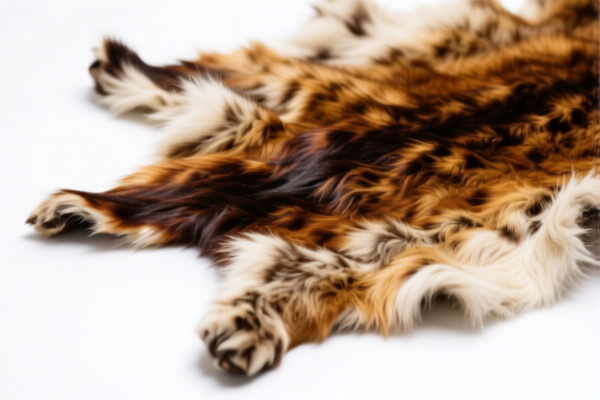
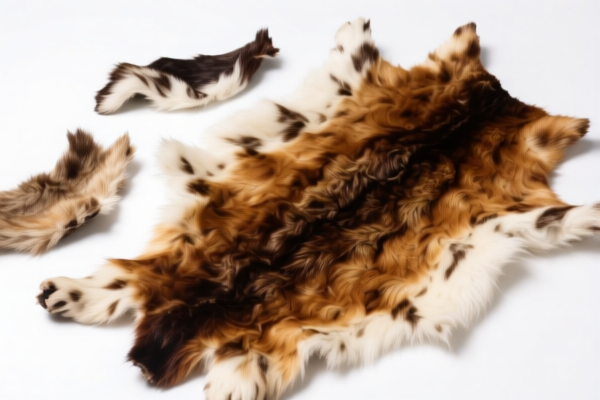
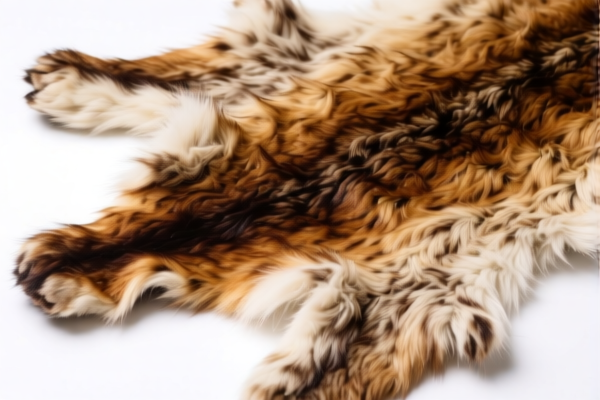
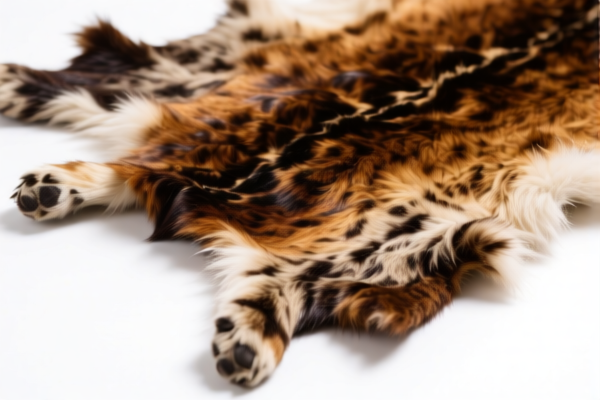
"Dyed Fur Waste" refers to scraps, trimmings, or discarded parts (specifically paws in this context) made from animal skin/fur, which have been chemically colored. Although labeled as waste or for handicrafts, these materials are classified based on their material composition (fur/skin) and form (scrap/parts).
⚠️ Key Distinction Points:
- Material: Animal fur/skin (not synthetic/plastic).
- Form: Paws (specific body parts) or general fur scraps.
- State: Dyed (color processed).
- Intended Use: Handicrafts (this does NOT change the material classification).
According to U.S. Harmonized Tariff Schedule (HTSUS), fur products are primarily classified under Chapter 43. The specific HS Codes provided below are derived from the material and form characteristics:
📦 II. HS Code Classification Details (Based on Provided Data)
| HS Code | Product Description | Matching Logic | Total Tax Rate |
|---|---|---|---|
6701.00.60.00 |
Bird skins and other bird parts, feathers, down and goods thereof; Other (Paws) | Logic: Matches "bird skin and other bird parts." "Paws" are inferred as specific body parts under the "Other" category for birds. | 39.7% |
4303.10.00.60 |
Articles of apparel and clothing accessories, of fur skins (Other than mink) | Logic: Matches "dyed fur paws." Classified as "Other fur articles" because they are made of fur (non-mink) and intended for handicrafts, but material dominates. | 39.0% |
4302.20.90.00 |
Fur skins, unworked, dressed or further prepared (Other than mink) | Logic: "Dyed" = Processed. "Fur Skin Paws" = Fur skins/parts. Since they are for handicrafts, they are inferred as "prepared fur pieces/scrap," matching "Other" prepared fur skins. | 36.7% |
4302.20.30.00 |
Fur skins, unworked, dressed or further prepared (Specific Animal Categories) | Logic: Matches "Fur Paws." Inferred as specific animal category (not mink) that fits the "prepared fur skin" definition for paws/particular animal groups. | 37.1% |
🔍 Key Insight:
- All four codes fall under Chapter 43 (Furskins and Furs) or Chapter 67 (Prepared feathers/down).
- Chapter 43 is the most common for general fur waste/articls.
- Chapter 67 is specific if the paws are explicitly identified as bird paws. If mammal paws, Chapter 43 is more likely.
💰 III. 2026 U.S. Tariff Rate Breakdown (Detailed Tax Clauses)
✅ Applicable Country: United States (US)
✅ Origin: China (CN) (Assumed based on tax structure provided)
✅ Effective Date: Post-2025 policies (Section 301 + IEEPA)
🎯 1. HS Code 6701.00.60.00 – Bird Parts/Paws (Bird Skins)
| Item | Detail |
|---|---|
| Base Duty Rate | 4.7% |
| Section 301 Duty | 25.0% |
| IEEPA Section 122 Duty | 10.0% |
| Total Tax Rate | 39.7% |
| Tax Calculation | CIF Value × 39.7% |
| De Minimis Exemption | ❌ NOT Eligible (De minimis denied for Section 301/IEEPA goods) |
| Legal Reference | HTS:6701.00.60.00 → USITC Footnote 9903.88.01 (25%) → IEEPA:9903.01.25 (10%) |
📌 Explanation:
- 4.7%: Base import duty for bird parts/skins.
- 25%: Additional duty under U.S. Trade Act Section 301 against China.
- 10%: Additional duty under International Emergency Economic Powers Act (IEEPA).
- Total: 39.7%. This is a high-cost classification.
🎯 2. HS Code 4303.10.00.60 – Other Fur Articles (Non-Mink)
| Item | Detail |
|---|---|
| Base Duty Rate | 4.0% |
| Section 301 Duty | 25.0% |
| IEEPA Section 122 Duty | 10.0% |
| Total Tax Rate | 39.0% |
| Tax Calculation | CIF Value × 39.0% |
| De Minimis Exemption | ❌ NOT Eligible |
| Legal Reference | HTS:4303.10.00.60 → USITC Footnote 9903.88.01 (25%) → IEEPA:9903.01.25 (10%) |
📌 Explanation:
- 4.0%: Base duty for other fur articles.
- 25% + 10%: Same additional tariffs as above.
- Total: 39.0%.
🎯 3. HS Code 4302.20.90.00 – Prepared Fur Skins (Other)
| Item | Detail |
|---|---|
| Base Duty Rate | 1.7% |
| Section 301 Duty | 25.0% |
| IEEPA Section 122 Duty | 10.0% |
| Total Tax Rate | 36.7% |
| Tax Calculation | CIF Value × 36.7% |
| De Minimis Exemption | ❌ NOT Eligible |
| Legal Reference | HTS:4302.20.90.00 → USITC Footnote 9903.88.01 (25%) → IEEPA:9903.01.25 (10%) |
📌 Explanation:
- 1.7%: Lowest base rate among options, for "other" prepared fur skins.
- Total: 36.7%. This is the most cost-effective option if the paws can be legally classified as "prepared fur skins/parts."
🎯 4. HS Code 4302.20.30.00 – Prepared Fur Skins (Specific Category)
| Item | Detail |
|---|---|
| Base Duty Rate | 2.1% |
| Section 301 Duty | 25.0% |
| IEEPA Section 122 Duty | 10.0% |
| Total Tax Rate | 37.1% |
| Tax Calculation | CIF Value × 37.1% |
| De Minimis Exemption | ❌ NOT Eligible |
| Legal Reference | HTS:4302.20.30.00 → USITC Footnote 9903.88.01 (25%) → IEEPA:9903.01.25 (10%) |
📌 Explanation:
- 2.1%: Base duty for specific animal fur skins.
- Total: 37.1%.
🛠️ IV. Customs Clearance Practical Advice (Risk Avoidance Guide)
✅ 1. Document Checklist (Mandatory)
| Document | Required? | Notes |
|---|---|---|
| ✅ Commercial Invoice | ✔️ | Must clearly state "Dyed Fur Paws," material, weight, and value. |
| ✅ Packing List | ✔️ | Detail quantity, weight, and package dimensions. |
| ✅ Product Photos | ✔️ | Show the paws clearly, dyed color, and any labels. |
| ✅ Description of Use | ✔️ | State "For Handicrafts" but emphasize material (Fur/Skin). |
| ✅ Country of Origin | ✔️ | China. |
| ❌ De Minimis Claim | ❌ | Do NOT claim de minimis (Section 321) if total value > $800 or if goods are subject to Section 301/IEEPA. |
✅ 2. Declaration Strategy (Key Tips)
🔥 Golden Rule:
"Declare Material First, Use Second. Do NOT hide 'Waste' if it's usable parts."
| Scenario | Correct Declaration | Incorrect Declaration |
|---|---|---|
| Paws for Handicrafts | HS 4302.20.90.00 – "Dyed Fur Paws, For Handicrafts" |
"Fabric Waste" → Customs Rejection & Fine |
| Bird Paws | HS 6701.00.60.00 – "Bird Paws, Dyed" |
"Plastic Scrap" → Misclassification Penalty |
| Value Declaration | Accurate CIF Value | Under-declaration → Seizure |
📌 Warning:
- The term "Waste" might trigger suspicion of illegal trafficking or CITES violations if not properly documented.
- Handicrafts use does not exempt you from tariffs. The material determines the HS Code.
✅ 3. Special Considerations
| Issue | Advice |
|---|---|
| CITES Compliance | If the fur is from endangered species (e.g., certain birds or mammals), you need CITES Permits. Even for "paws," customs will check. |
| "Waste" vs. "Products" | If the paws are clean, dyed, and usable, classify as 4302.20 (Prepared Fur). If truly dirty/unusable, classification may differ, but customs often treats "dye-ready" items as usable. |
| De Minimis Risk | Do NOT use Section 321 (De Minimis) for these goods. They are subject to Section 301 (25%) and IEEPA (10%). Using de minimis will result in rejection, storage fees, and potential penalties. |
🌍 V. Global Market Comparison (2026)
| Country/Region | Recommended HS Code | Tariff (China Origin) | Certification | Notes |
|---|---|---|---|---|
| 🇺🇸 USA | 4302.20.90.00 |
36.7% (Total) | None Specific | Highest tax burden due to 301 + IEEPA. |
| 🇨🇳 China | 4302.20.90.00 |
5%–10% | N/A | Lower base rates, no Section 301. |
| 🇪🇺 EU | 4302.20.90.00 |
4.5% | CITES (if endangered) | No Section 301, but strict animal product rules. |
| 🇬🇧 UK | 4302.20.90.00 |
4.5% | CITES | Post-Brexit rules apply. |
📌 Conclusion:
- USA is the most expensive market for dyed fur waste due to 39.7% max tariffs.
- EU/UK require CITES checks for animal parts.
- China has lower tariffs but strict import controls on animal products.
📌 VI. Common Errors & Pitfalls (Lessons Learned)
❌ Error 1: Claiming De Minimis for $500 shipment
👉 Result: Customs will seize the package. No exemption for Section 301/IEEPA goods.
❌ Error 2: Declaring as "Plastic Scrap" to avoid tariffs
👉 Result: Fraud. Penalties, fines, and blacklisting.
❌ Error 3: Ignoring CITES for bird/mammal paws
👉 Result: Seizure if species is protected. Always verify species.
❌ Error 4: Using "Waste" in name without proof of non-usability
👉 Result: Customs may classify as usable fur products (higher base rate) or reject as "garbage."
✅ Correct Approach:
"Dyed Fur Paws, For Handicrafts, HS 4302.20.90.00, Value $XXX, Origin China."
- Be transparent.
- Pay the correct tariff.
- Ensure CITES compliance if applicable.
🎯 VII. Conclusion: Professional Clearance, Cost Optimization!
🎯 Key Takeaways:
🔹 "Material is King": Fur/Skin = Chapter 43/67.
🔹 "Tariffs are High": 36.7%–39.7% in the US.
🔹 "No De Minimis": Do not try to bypass.
🔹 "CITES Check": Ensure species is legal.
📌 Pro Tip:
- If possible, source fur from non-China origins (e.g., Canada, EU) to avoid Section 301 (25%) and IEEPA (10%) duties.
- Apply for Advance Ruling from US Customs if the classification is uncertain.
📣 Immediate Action:
📞 Consult a Licensed Customs Broker before shipping.
📄 Prepare CITES Documents if species is regulated.
💰 Budget for 36.7%–39.7% Tariffs in your cost model.
✨ Professional Clearance Starts with Accurate Classification!
💼 Every Dollar Saved is a Dollar Earned!
用户评价
关于 HS 编码归类
协调制度(HS)是由世界海关组织(WCO)制定的国际贸易商品分类标准。全球 200 多个国家采用 HS 系统作为海关关税、贸易统计和进出口监管的基础。
每个 HS 编码遵循以下层级结构:
- 章(2 位)——商品大类(例如:第 84 章:机器和机械设备)
- 品目(4 位)——章内的更具体分类
- 子目(6 位)——国际通用细分,所有 WCO 成员国统一使用
- 本国细分(8-10 位)——各国自行扩展的细分编码,如美国 HTSUS 10 位编码
正确的 HS 编码归类对于顺利通关、准确缴纳关税和遵守贸易法规至关重要。错误归类可能导致海关延误、多缴关税或罚款。
从CN进口到US时,适用的关税税率可能包括:
- 最惠国(MFN)税率——适用于 WTO 成员国的标准关税税率
- 普通税率——适用于无贸易协定国家
- 贸易救济关税——附加关税,如 301 条款(反倾销)、232 条款(国家安全)或反补贴税
本页内容仅供参考。如需正式归类,请咨询当地海关或持牌报关代理。