Electric Vegetable Cutter
CN → US| HS编码 | 关税税率 | 原产国 | 目的国 | 文档 |
|---|---|---|---|---|
| 8509400040 | 14.2% | CN | US | 官方文档 |
| 8509400025 | 14.2% | CN | US | 官方文档 |
| 8438600000 | 35.0% | CN | US | 官方文档 |
| 8438800000 | 35.0% | CN | US | 官方文档 |
| 8438800000 | 35.0% | CN | US | 官方文档 |
商品图片
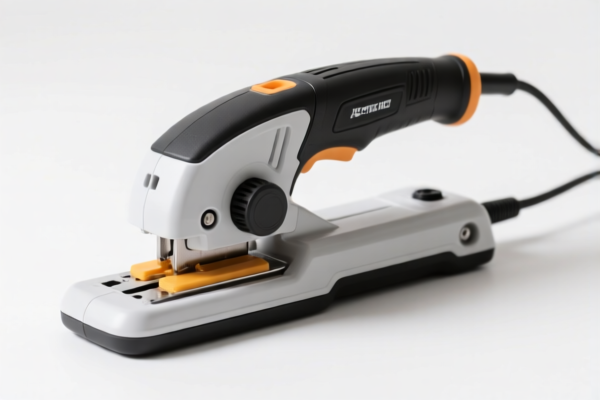
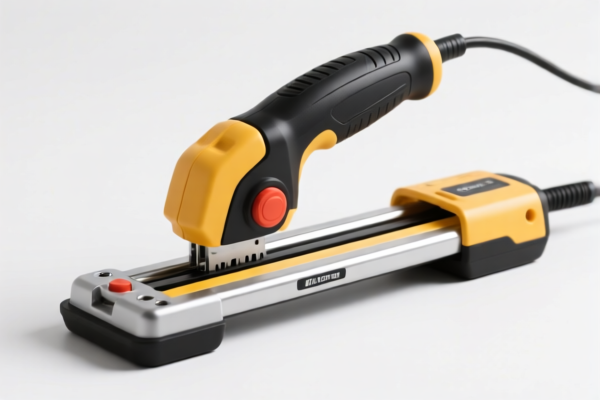
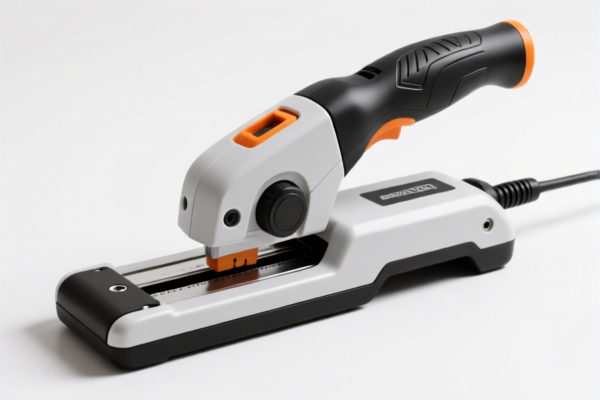
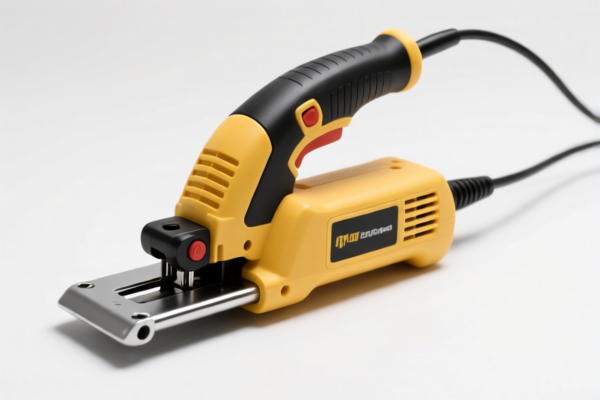
AI分析
🔪 Electric Vegetable Cutter (Food Processors & Choppers)
🌐 HS Code Reference & Customs Clearance Guide | 2026 Latest Tariff Analysis | Professional Strategy for US Imports
📌 Part 1: Product Definition & Classification Logic
An Electric Vegetable Cutter is a household or commercial appliance designed for slicing, chopping, mincing, or processing vegetables. In international trade, the critical distinction lies between Household Electric Appliances (Chapter 85) and Industrial/Commercial Food Preparation Machinery (Chapter 84).
Key Classification Criteria: * Household/Small Commercial (8509): If the device is portable, relatively low power, and primarily for home or small-scale kitchen use. It fits the description of "electric mechanical household appliances." * Industrial/Heavy Duty (8438): If the device is robust, stationary, or designed for continuous high-volume industrial food preparation. It fits the description of "machinery for the industrial preparation of food."
⚠️ Critical Distinction:
- If it’s a plug-in countertop unit (like a standard kitchen chopper) → Likely 8509.
- If it’s a heavy-duty industrial slicer or part of a large production line → Likely 8438.
📦 Part 2: HS Code Classification Matrix (Based on Provided Data)
The following codes are derived from the specific product attributes: Electric, Vegetable Cutting/Processing, and Household/General Mechanical nature.
| HS Code | Product Description & Logic | Tax Profile (China Origin → US) | Primary Use Case |
|---|---|---|---|
| 8509.40.00.40 | Electric Household Food Processor Logic: Matches "electric mechanical household appliances" and "food processor" usage. Color ("green") is cosmetic and ignored. Form: Portable/Home use. |
14.2% (Base 4.2% + 122-Clause 10%) |
Home kitchens, small cafes, portable choppers. |
| 8509.40.00.25 | Electric Food Processor/Chopper Logic: Matches "electric" attribute and "cutting/grinding" function. Material (plastic/metal housing) is standard. Form: General electric appliance. |
14.2% (Base 4.2% + 122-Clause 10%) |
General purpose electric choppers, salad spinners with motors. |
| 8438.60.00.00 | Machinery for Preparing Vegetables Logic: Categorized under "machinery for preparing vegetables." No material conflict. Form: Mechanical/Industrial grade. |
35.0% (Base 0% + Section 301 25% + 122-Clause 10%) |
Industrial vegetable prep lines, heavy-duty slicers. |
| 8438.80.00.00 | Other Food Preparation Machinery Logic: "Electric vegetable cutter" falls under machinery for food preparation. Metal/plastic construction is consistent. Form: Industrial/Commercial machinery. |
35.0% (Base 0% + Section 301 25% + 122-Clause 10%) |
Large-scale food processing plants, commercial kitchens. |
| 8438.80.00.00 | Industrial Food Preparation Machine Logic: Specifically matches "machinery for industrial preparation or manufacture of food/drink." Mechanical form factor. Form: Dedicated industrial equipment. |
35.0% (Base 0% + Section 301 25% + 122-Clause 10%) |
High-volume manufacturing, automated food lines. |
🔍 Key Insight:
- The 14.2% rate (8509 series) applies to household/light commercial electric devices.
- The 35.0% rate (8438 series) applies to industrial/heavy-duty mechanical preparation equipment.
- Do not confuse with simple manual knives or non-electric tools.
💰 Part 3: 2026 Tariff Rate Breakdown (Detailed Analysis)
✅ Applicable Country: United States (US)
✅ Country of Origin: China (CN)
✅ Effective Date: Post-November 2025 (Current Policy)
🎯 Option A: Household/Light Commercial (HS 8509.40.00.40 / .25)
Total Duty: 14.2%
| Component | Rate | Legal Basis | Explanation |
|---|---|---|---|
| Base MFN Duty | 4.2% | HTSUS General Rate | Standard duty for electric household appliances. |
| Section 301 Duty | 0.0% | USITC List 3/4 | Note: Some 8509 subheadings may have exemptions or lower rates, but data indicates 0% here. |
| 122-Clause Duty | 10.0% | IEEPA / EO 14024 | Additional duty on Chinese electronics/appliances under specific executive orders. |
| Total Landed Duty | 14.2% | Calculated on CIF Value. |
📌 Why it's lower:
- Classified as a household appliance rather than heavy industrial machinery.
- Lower base tariff (4.2% vs 0%) is offset by the lack of the massive 25% Section 301 tariff found in Chapter 84.
- Strategy: If your product is small, portable, and marketed for home use, aim for 8509.
🎯 Option B: Industrial/Heavy Duty (HS 8438.60.00.00 / 80.00)
Total Duty: 35.0%
| Component | Rate | Legal Basis | Explanation |
|---|---|---|---|
| Base MFN Duty | 0.0% | HTSUS General Rate | Often 0% for general food processing machinery. |
| Section 301 Duty | 25.0% | USITC Footnote 9903.88.01 | Major Cost Driver. Heavy machinery from China faces this additional tariff. |
| 122-Clause Duty | 10.0% | IEEPA / EO 14024 | Additional duty applies to industrial goods from China. |
| Total Landed Duty | 35.0% | Calculated on CIF Value. |
📌 Why it's higher:
- The 25% Section 301 tariff is the dominant factor.
- Even though the base rate is 0%, the 25% + 10% additions make it significantly more expensive than household appliances.
- Risk: Misclassifying an industrial machine as a household appliance (to get 14.2%) can lead to severe penalties and back-taxes.
🛠️ Part 4: Customs Clearance Practical Advice
✅ 1. Documentation Checklist (Must-Have)
| Document | Required? | Purpose |
|---|---|---|
| Product Specification Sheet | ✅ Yes | Must clearly state: Voltage, Wattage, Dimensions, and Intended Use (Home vs. Industrial). |
| Photos of Product & Label | ✅ Yes | Show the motor, blades, and power cord. Labels must show "Made in China" and electrical ratings. |
| Bill of Materials (BOM) | ✅ Optional but Recommended | Helps justify if parts are plastic (household) vs. heavy steel (industrial). |
| Commercial Invoice | ✅ Yes | Description must match HS Code logic (e.g., "Electric Kitchen Chopper" vs. "Industrial Vegetable Slicer"). |
| FCC Certification | ✅ Yes (If 8509) | Required for electric household appliances in the US. |
| UL/ETL Listing | ✅ Yes (Highly Recommended) | Safety certification for electric products. Lack thereof can cause detention. |
✅ 2. Classification Strategy & Pitfalls
| Scenario | Recommended HS Code | Pitfall to Avoid |
|---|---|---|
| Small, plug-in, home use | 8509.40.00.40 |
Don't label it "Industrial Food Processor" → Triggers 35% tax. |
| Heavy, stationary, commercial | 8438.80.00.00 |
Don't label it "Home Appliance" → Customs will reclassify and charge 35%. |
| Mixed Kit (Knife + Base) | 8509 or 8438 |
Declare as a complete set. Do not split knife and motor into different HS codes. |
| Spare Blades | 8214 or 8438.90 |
If shipped separately, blades may have different duties. |
🔥 Golden Rule:
"If it plugs into a home outlet and fits on a counter, argue 8509. If it plugs into 220V/440V industrial power and weighs >50lbs, expect 8438."
✅ 3. Special Case: "Green" or Colored Products
- Cosmetic Features: The summary data explicitly states that color (e.g., "Green") does not affect classification.
- Marketing Tip: Use color in marketing, but ensure technical specs drive the HS Code.
🌍 Part 5: Global Market Comparison (2026)
| Region | Recommended HS Code | Estimated Total Duty (China Origin) | Notes |
|---|---|---|---|
| 🇺🇸 USA | 8509.40.00.40 |
14.2% | Best option for light duty. Avoid 8438 if possible. |
| 🇺🇸 USA | 8438.80.00.00 |
35.0% | Only for genuine industrial machinery. |
| 🇨🇳 China (Import) | 8509.40 |
~5-10% | Varies by specific subheading. |
| 🇪🇺 EU | 8543.70 |
~2.7% + VAT | Different classification logic. |
| 🇬🇧 UK | 8509.40 |
~0% (Post-Brexit) | Check UK Global Tariff. |
📌 Conclusion:
For Electric Vegetable Cutters exported to the US, HS Code 8509.40.00.40 is the most cost-effective strategy if the product is suitable for home or light commercial use. It saves you 20.8% in duties compared to industrial classification.
📌 Part 6: Common Mistakes & Blood-Sweating Lessons
❌ Mistake 1: Declaring a heavy-duty commercial chopper as a "Home Appliance" to save tax.
👉 Consequence: Customs inspection reveals industrial-grade motor and build quality. Result: Back taxes + Penalties.
❌ Mistake 2: Shipping blades separately from the motor unit.
👉 Consequence: Blades may be classified under 8214 (knives), which might have different duties. Always ship as a complete functional unit if intended for immediate use.
❌ Mistake 3: Ignoring FCC/UL Certifications.
👉 Consequence: Electric goods (8509) must have FCC (and often UL/ETL) for US clearance. Missing docs = Detention & Return.
✅ Correct Practice:
"Electric Food Processor, 500W, 120V, Home Kitchen Use, Green, with FCC Cert. Model: VC-100."
🎯 Part 7: Conclusion: Professional Declaration Saves Money!
🎯 Remember the Mantra:
🔹 "Home Use = 8509 (14.2%). Industrial = 8438 (35.0%)."
🔹 "Describe function, not just color."
🔹 "Certifications are not optional for electric goods."
📌 Pro Tip:
If you are unsure if your product is "Home" or "Industrial," provide detailed photos and specs to a customs broker for an Advance Ruling. It is cheaper than paying 35% and fighting a dispute later.
📣 Immediate Action:
📞 Contact your freight forwarder with:
1. Product Photos (Inside/Out).
2. Wattage & Voltage.
3. Target User (Home vs. Factory).
🚀 Get your HS Code pre-confirmed to ensure smooth US Customs Clearance!
✨ Precision in Classification = Profit in Your Pocket!
💼 Don't let tariffs chop your margins!
用户评价
关于 HS 编码归类
协调制度(HS)是由世界海关组织(WCO)制定的国际贸易商品分类标准。全球 200 多个国家采用 HS 系统作为海关关税、贸易统计和进出口监管的基础。
每个 HS 编码遵循以下层级结构:
- 章(2 位)——商品大类(例如:第 84 章:机器和机械设备)
- 品目(4 位)——章内的更具体分类
- 子目(6 位)——国际通用细分,所有 WCO 成员国统一使用
- 本国细分(8-10 位)——各国自行扩展的细分编码,如美国 HTSUS 10 位编码
正确的 HS 编码归类对于顺利通关、准确缴纳关税和遵守贸易法规至关重要。错误归类可能导致海关延误、多缴关税或罚款。
从CN进口到US时,适用的关税税率可能包括:
- 最惠国(MFN)税率——适用于 WTO 成员国的标准关税税率
- 普通税率——适用于无贸易协定国家
- 贸易救济关税——附加关税,如 301 条款(反倾销)、232 条款(国家安全)或反补贴税
本页内容仅供参考。如需正式归类,请咨询当地海关或持牌报关代理。