Electricity Meter
CN → US| HS编码 | 关税税率 | 原产国 | 目的国 | 文档 |
|---|---|---|---|---|
| 9028300000 | 10.0% | CN | US | 官方文档 |
| 8537109170 | 37.7% | CN | US | 官方文档 |
| 8543706000 | 35.0% | CN | US | 官方文档 |
| 9031808085 | 10.0% | CN | US | 官方文档 |
| 9030333800 | 35.0% | CN | US | 官方文档 |
商品图片
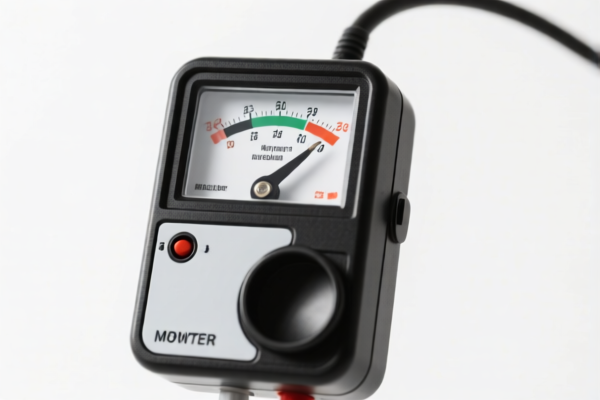
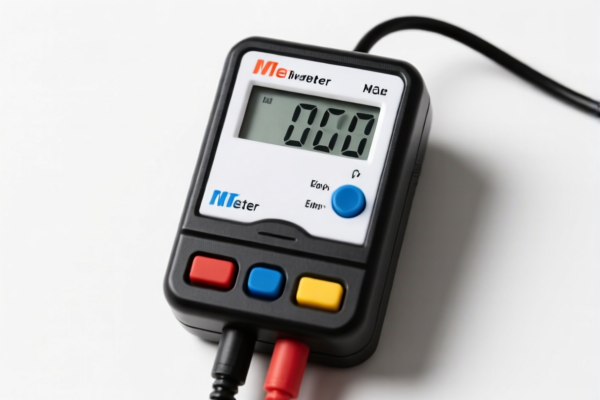
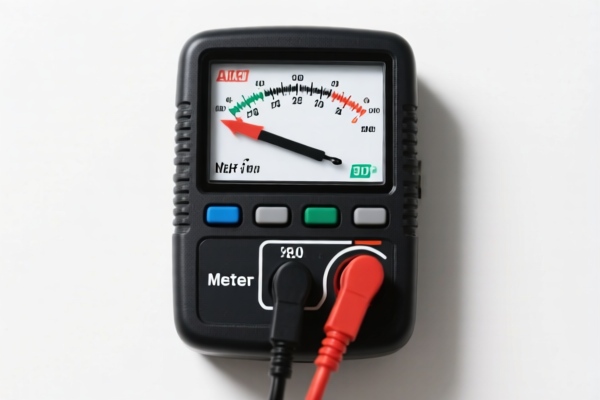
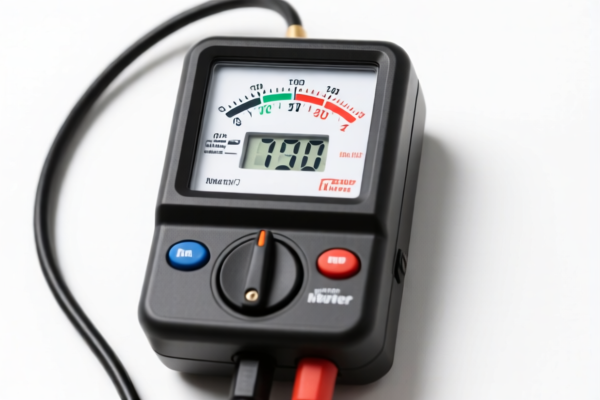
AI分析
⚡ Electricity Meter (电能表)
🌐 HS Code Reference & Customs Clearance Guide | 2026 Latest Tariff Analysis | Professional Clearance Strategy
📌 I. Product Definition & Classification: What Exactly is an "Electricity Meter"?
An Electricity Meter is a device used to measure the amount of electric energy consumed by a residence, business, or electrically powered device. In international trade, the classification is critical because it determines whether the device is treated as a pure measurement instrument (lower tax) or an electrical control/distribution component (higher tax due to trade wars).
⚠️ Key Distinction Point:
- If the device’s primary function is strictly to measure electric energy (like a standard household kWh meter) → It falls under Chapter 90 (Instruments). - If the device includes control circuits, distribution switching, or communication modules that act as a switchgear or relay → It may fall under Chapter 85 (Electrical Machinery/Control Equipment).
📦 II. HS Code Classification Details (2026 Latest Tariff Mapping)
Based on the provided data, here are the 5 specific HS Codes applicable to Electricity Meters and related electrical measurement devices, along with their tax implications.
| HS Code | Product Description / Summary | Primary Function | Total Tax Rate |
|---|---|---|---|
| 9028.30.00.00 | Energy Metering Category: Functionally consistent with electric energy meters. | Pure Energy Measurement (kWh) | 10.0% |
| 8537.10.91.70 | Voltage ≤1,000V: Power control or distribution equipment. | Control/Distribution/Smart Grid Switchgear | 37.7% |
| 8543.70.60.00 | Independent Measurement: Electrical apparatus with remote communication capabilities. | Smart Metering with Telemetry/Remote Data | 35.0% |
| 9031.80.80.85 | Voltage Measurement Instruments: Instruments for measuring or checking voltage. | Voltage Monitoring/Testing Equipment | 10.0% |
| 9030.33.38.00 | Direct Voltage Measurement: Instruments directly conforming to voltage measurement descriptions. | Precision Voltage Meters/Loggers | 35.0% |
🔍 Critical Insight:
- 9028.30.00.00 is the standard classification for general-purpose electricity meters. It carries the lowest total tax (10%). - If your meter has advanced smart grid features (remote communication, control logic), Customs may reclassify it as 8537 or 8543, triggering additional tariffs.
💰 III. 2026 Latest Tariff Rate Details (Including Surtaxes & Policy Add-ons)
✅ Applicable Country: United States (US)
✅ Origin: China (CN)
✅ Effective Date: November 10, 2025 (for subsequent imports)
🎯 1. 9028.30.00.00 —— Standard Electricity Meter (Pure Measurement)
| Item | Content |
|---|---|
| Base Tariff | 0.0% |
| Section 301 Surcharge | 0.0% |
| Section 122 Tariff (IEEPA) | 10% (Targeting China/HK products) |
| Total Tax Rate | 10.0% |
| Calculation Basis | CIF Value × 10% |
| De Minimis Exemption? | ❌ NO (Deny_de_minimis applies) |
| Legal Basis Path | IEEPA:9903.01.25 → USITC:9028.30.00.00 → FOOTNOTE:9903.88.01 |
📌 Explanation:
- This is the most favorable classification for standard electricity meters. - Although the base and Section 301 tariffs are 0%, the 10% Section 122 tariff still applies. - Strategy: Ensure the product description emphasizes "Energy Metering" and not "Control" or "Distribution" to stay in this category.
🎯 2. 8537.10.91.70 —— Power Control/Distribution Equipment
| Item | Content |
|---|---|
| Base Tariff | 2.7% |
| Section 301 Surcharge | 25.0% |
| Section 122 Tariff (IEEPA) | 10% |
| Total Tax Rate | 37.7% |
| Calculation Basis | CIF Value × 37.7% |
| De Minimis Exemption? | ❌ NO |
| Legal Basis Path | IEEPA:9903.01.25 → USITC:8537.10.91.70 → FOOTNOTE:9903.88.01 |
📌 Warning:
- If your "meter" has switching capabilities, load control, or is integrated into a distribution panel, Customs may classify it here. - This results in a 27.7% tax increase compared to the standard meter classification. - Common Pitfall: Smart meters with remote shutoff capabilities are often scrutinized here.
🎯 3. 8543.70.60.00 —— Electrical Apparatus with Remote Communication
| Item | Content |
|---|---|
| Base Tariff | 0.0% |
| Section 301 Surcharge | 25.0% |
| Section 122 Tariff (IEEPA) | 10% |
| Total Tax Rate | 35.0% |
| Calculation Basis | CIF Value × 35.0% |
| De Minimis Exemption? | ❌ NO |
| Legal Basis Path | IEEPA:9903.01.25 → USITC:8543.70.60.00 → FOOTNOTE:9903.88.01 |
📌 Note:
- This code is for devices that have independent measurement functions but also include remote communication modules (e.g., IoT-enabled meters). - If your meter primarily measures but sends data, Customs might argue it’s a "communication device" rather than a "measurement instrument." - Risk: High scrutiny on the "primary function" test.
🎯 4. 9031.80.80.85 —— Voltage Measuring Instruments
| Item | Content |
|---|---|
| Base Tariff | 0.0% |
| Section 301 Surcharge | 0.0% |
| Section 122 Tariff (IEEPA) | 10% |
| Total Tax Rate | 10.0% |
| Calculation Basis | CIF Value × 10.0% |
| De Minimis Exemption? | ❌ NO |
| Legal Basis Path | IEEPA:9903.01.25 → USITC:9031.80.80.85 → FOOTNOTE:9903.88.01 |
📌 Clarification:
- This code is for instruments that measure voltage (V), not necessarily energy (kWh). - If your product is a voltage logger or power quality analyzer, use this code. - Benefit: Same low tax rate (10%) as standard meters, but only if the device does not measure energy.
🎯 5. 9030.33.38.00 —— Direct Voltage Measurement Instruments
| Item | Content |
|---|---|
| Base Tariff | 0.0% |
| Section 301 Surcharge | 25.0% |
| > Section 122 Tariff (IEEPA)** | 10% |
| Total Tax Rate | 35.0% |
| Calculation Basis | CIF Value × 35.0% |
| De Minimis Exemption? | ❌ NO |
| Legal Basis Path | IEEPA:9903.01.25 → USITC:9030.33.38.00 → FOOTNOTE:9903.88.01 |
📌 Note:
- For precision instruments used in labs or industrial settings for direct voltage measurement. - High tax rate due to Section 301 surcharge. Avoid this classification for standard commercial electricity meters.
🛠️ IV. Customs Clearance Practical Advice (Real-World Pitfall Guide)
✅ 1. Document Checklist (Mandatory)
| Document | Required | Description |
|---|---|---|
| ✅ Product Specifications | ✔️ | Must clearly state "Electricity Meter" or "Energy Meter," not "Control Panel." |
| ✅ Technical Diagrams | ✔️ | Highlight the measurement mechanism (CT/PT coils) vs. control relays. |
| ✅ Product Photos | ✔️ | Show铭牌 (Nameplate) with model, range, and function. |
| ✅ Commercial Invoice | ✔️ | Description must match HS Code logic (e.g., "Energy Meter" vs. "Control Device"). |
| ✅ Declaration of Primary Function | ✔️ | Explicitly state: "Primary function is measurement of electric energy (kWh)." |
✅ 2. Declaration Strategy (Key Mantra)
🔥 "Measure Energy, Not Control! Name Matters, Tax Drops!"
| Scenario | Correct Declaration | Incorrect Declaration |
|---|---|---|
| Standard kWh Meter | 9028.30.00.00 (Energy Meter) |
"Power Switch" or "Distribution Box" |
| Smart Meter with Remote Read | 9028.30.00.00 (if measurement is primary) |
"Communication Module" → 8543.70.60.00 |
| Meter with Load Shutoff | High Risk → May be 8537.10.91.70 |
Ignore control feature → Audit Risk |
| Voltage Tester | 9031.80.80.85 or 9030.33.38.00 |
"Electricity Meter" → Misclassification |
✅ 3. Special Cases
| Situation | Handling Advice |
|---|---|
| Smart Meters (IoT) | Emphasize measurement function in documentation. If remote control is minor, argue for 9028.30.00.00. |
| Meters with Control Relays | If the control function is integrated and essential, expect 8537.10.91.70 (37.7%). Consider separating modules if possible. |
| OEM Custom Meters | Provide client specs showing "Energy Measurement" as the primary use case. |
| Voltage Loggers | Clearly label as "Voltage Measurement Instrument," not "Electricity Meter." |
🌍 V. Global Market Comparison (2026 Update)
| Country/Region | Recommended HS Code | Total Tax (China Origin) | Notes |
|---|---|---|---|
| 🇺🇸 USA | 9028.30.00.00 |
10% | Best case. Avoid 8537 (37.7%). |
| 🇨🇳 China | 9028.20.00.00 |
0% | No anti-dumping or surtaxes. |
| 🇪🇺 EU | 9028.29.00 |
0% | No surtaxes. |
| 🇬🇧 UK | 9028.29.00 |
0% | No surtaxes. |
| 🇨🇦 Canada | 9028.29.00 |
0% | No surtaxes. |
📌 Conclusion:
- USA is the only market with significant surtaxes. - Misclassification can cost you 27.7% extra. - Always aim for9028.30.00.00for standard meters.
📌 VI. Common Errors & Pitfalls (Lessons Learned)
❌ Error 1: Calling a "Smart Meter with Remote Control" an "Electricity Meter" without justification.
👉 Result: Customs reclassifies to 8537.10.91.70 → 37.7% tax.
❌ Error 2: Listing "Voltage Meter" but importing "Energy Meters."
👉 Result: Misdeclaration → Fines + Delays.
❌ Error 3: Not disclosing "Remote Communication" features.
👉 Result: If discovered, Customs may argue it’s a communication device (8543.70.60.00) → 35.0% tax.
❌ Error 4: Using "Power Distribution Equipment" in the description.
👉 Result: Immediately triggers 8537 classification → 37.7% tax.
✅ Correct Practice:
"Electric Energy Meter, Single-phase, 50/60Hz, for Residential Use, with Pulse Output for Remote Reading, Model XYZ, No Switching/Control Function."
🎯 VII. Conclusion: Precise Classification Saves Thousands!
🎯 Remember the Mantra:
🔹 "Measure Energy, Not Control!"
🔹 "9028 is King, 8537 is Pain!"
🔹 "10% vs 37.7%: That’s the difference between Profit and Loss!"
📌 Pro Tip:
If your meter has both measurement and control functions, consider separating the control module if possible, or consult a customs broker for a Pre-Classification Ruling before shipping.
📣 Immediate Action:
📞 Contact your customs broker with technical specs.
🚀 Declare Accurately: "Electricity Meter, Function: Energy Measurement."
💰 Save 27.7% by choosing the right HS Code!
✨ Professional Clearance Starts with Accurate Classification!
💼 Every Cent Saved is a Cent Earned!
用户评价
关于 HS 编码归类
协调制度(HS)是由世界海关组织(WCO)制定的国际贸易商品分类标准。全球 200 多个国家采用 HS 系统作为海关关税、贸易统计和进出口监管的基础。
每个 HS 编码遵循以下层级结构:
- 章(2 位)——商品大类(例如:第 84 章:机器和机械设备)
- 品目(4 位)——章内的更具体分类
- 子目(6 位)——国际通用细分,所有 WCO 成员国统一使用
- 本国细分(8-10 位)——各国自行扩展的细分编码,如美国 HTSUS 10 位编码
正确的 HS 编码归类对于顺利通关、准确缴纳关税和遵守贸易法规至关重要。错误归类可能导致海关延误、多缴关税或罚款。
从CN进口到US时,适用的关税税率可能包括:
- 最惠国(MFN)税率——适用于 WTO 成员国的标准关税税率
- 普通税率——适用于无贸易协定国家
- 贸易救济关税——附加关税,如 301 条款(反倾销)、232 条款(国家安全)或反补贴税
本页内容仅供参考。如需正式归类,请咨询当地海关或持牌报关代理。