Electricity Meter
CN → US| HS Code | Tariff Rate | Origin | Destination | Doc |
|---|---|---|---|---|
| 9028300000 | 10.0% | CN | US | Official Doc |
| 8537109170 | 37.7% | CN | US | Official Doc |
| 8543706000 | 35.0% | CN | US | Official Doc |
| 9031808085 | 10.0% | CN | US | Official Doc |
| 9030333800 | 35.0% | CN | US | Official Doc |
Product Images
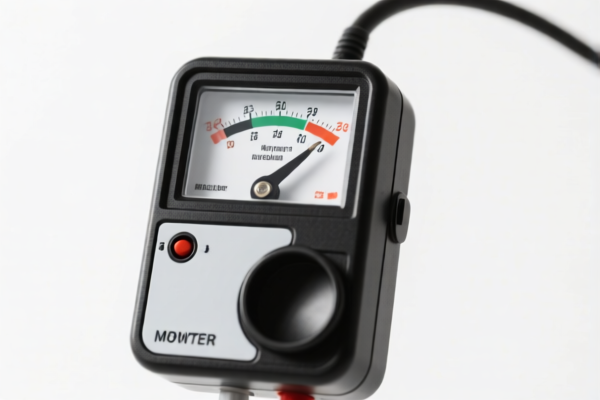
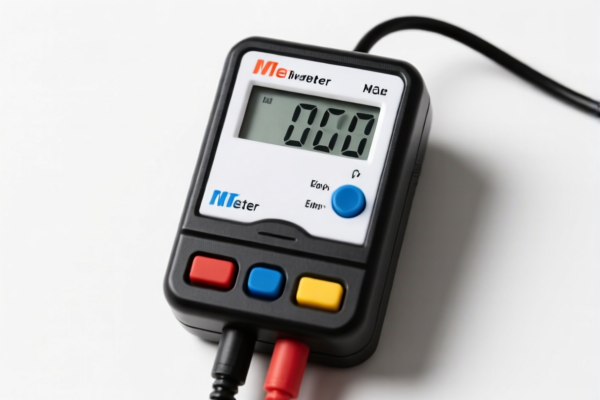
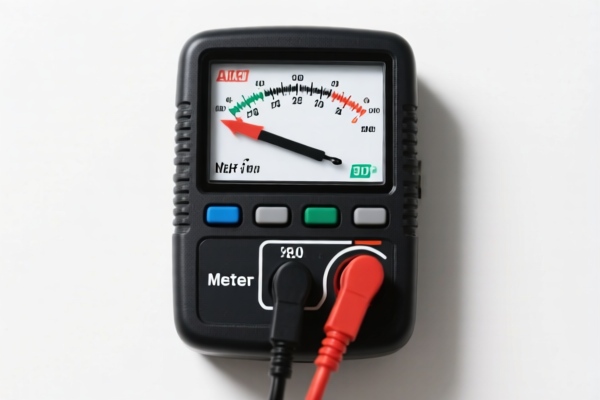
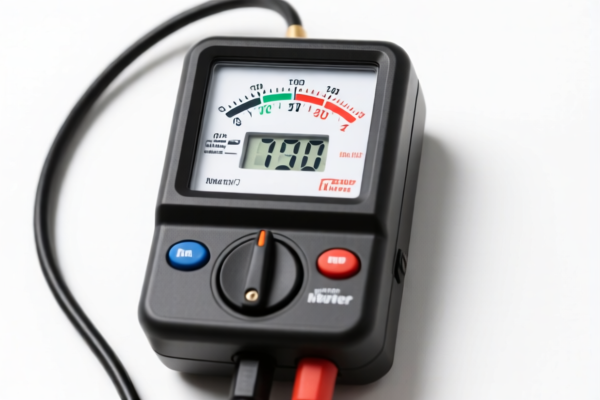
AI Analysis
⚡ Electricity Meter (电能表)
🌐 HS Code Reference & Customs Clearance Guide | 2026 Latest Tariff Analysis | Professional Clearance Strategy
📌 I. Product Definition & Classification: What Exactly is an "Electricity Meter"?
An Electricity Meter is a device used to measure the amount of electric energy consumed by a residence, business, or electrically powered device. In international trade, the classification is critical because it determines whether the device is treated as a pure measurement instrument (lower tax) or an electrical control/distribution component (higher tax due to trade wars).
⚠️ Key Distinction Point:
- If the device’s primary function is strictly to measure electric energy (like a standard household kWh meter) → It falls under Chapter 90 (Instruments). - If the device includes control circuits, distribution switching, or communication modules that act as a switchgear or relay → It may fall under Chapter 85 (Electrical Machinery/Control Equipment).
📦 II. HS Code Classification Details (2026 Latest Tariff Mapping)
Based on the provided data, here are the 5 specific HS Codes applicable to Electricity Meters and related electrical measurement devices, along with their tax implications.
| HS Code | Product Description / Summary | Primary Function | Total Tax Rate |
|---|---|---|---|
| 9028.30.00.00 | Energy Metering Category: Functionally consistent with electric energy meters. | Pure Energy Measurement (kWh) | 10.0% |
| 8537.10.91.70 | Voltage ≤1,000V: Power control or distribution equipment. | Control/Distribution/Smart Grid Switchgear | 37.7% |
| 8543.70.60.00 | Independent Measurement: Electrical apparatus with remote communication capabilities. | Smart Metering with Telemetry/Remote Data | 35.0% |
| 9031.80.80.85 | Voltage Measurement Instruments: Instruments for measuring or checking voltage. | Voltage Monitoring/Testing Equipment | 10.0% |
| 9030.33.38.00 | Direct Voltage Measurement: Instruments directly conforming to voltage measurement descriptions. | Precision Voltage Meters/Loggers | 35.0% |
🔍 Critical Insight:
- 9028.30.00.00 is the standard classification for general-purpose electricity meters. It carries the lowest total tax (10%). - If your meter has advanced smart grid features (remote communication, control logic), Customs may reclassify it as 8537 or 8543, triggering additional tariffs.
💰 III. 2026 Latest Tariff Rate Details (Including Surtaxes & Policy Add-ons)
✅ Applicable Country: United States (US)
✅ Origin: China (CN)
✅ Effective Date: November 10, 2025 (for subsequent imports)
🎯 1. 9028.30.00.00 —— Standard Electricity Meter (Pure Measurement)
| Item | Content |
|---|---|
| Base Tariff | 0.0% |
| Section 301 Surcharge | 0.0% |
| Section 122 Tariff (IEEPA) | 10% (Targeting China/HK products) |
| Total Tax Rate | 10.0% |
| Calculation Basis | CIF Value × 10% |
| De Minimis Exemption? | ❌ NO (Deny_de_minimis applies) |
| Legal Basis Path | IEEPA:9903.01.25 → USITC:9028.30.00.00 → FOOTNOTE:9903.88.01 |
📌 Explanation:
- This is the most favorable classification for standard electricity meters. - Although the base and Section 301 tariffs are 0%, the 10% Section 122 tariff still applies. - Strategy: Ensure the product description emphasizes "Energy Metering" and not "Control" or "Distribution" to stay in this category.
🎯 2. 8537.10.91.70 —— Power Control/Distribution Equipment
| Item | Content |
|---|---|
| Base Tariff | 2.7% |
| Section 301 Surcharge | 25.0% |
| Section 122 Tariff (IEEPA) | 10% |
| Total Tax Rate | 37.7% |
| Calculation Basis | CIF Value × 37.7% |
| De Minimis Exemption? | ❌ NO |
| Legal Basis Path | IEEPA:9903.01.25 → USITC:8537.10.91.70 → FOOTNOTE:9903.88.01 |
📌 Warning:
- If your "meter" has switching capabilities, load control, or is integrated into a distribution panel, Customs may classify it here. - This results in a 27.7% tax increase compared to the standard meter classification. - Common Pitfall: Smart meters with remote shutoff capabilities are often scrutinized here.
🎯 3. 8543.70.60.00 —— Electrical Apparatus with Remote Communication
| Item | Content |
|---|---|
| Base Tariff | 0.0% |
| Section 301 Surcharge | 25.0% |
| Section 122 Tariff (IEEPA) | 10% |
| Total Tax Rate | 35.0% |
| Calculation Basis | CIF Value × 35.0% |
| De Minimis Exemption? | ❌ NO |
| Legal Basis Path | IEEPA:9903.01.25 → USITC:8543.70.60.00 → FOOTNOTE:9903.88.01 |
📌 Note:
- This code is for devices that have independent measurement functions but also include remote communication modules (e.g., IoT-enabled meters). - If your meter primarily measures but sends data, Customs might argue it’s a "communication device" rather than a "measurement instrument." - Risk: High scrutiny on the "primary function" test.
🎯 4. 9031.80.80.85 —— Voltage Measuring Instruments
| Item | Content |
|---|---|
| Base Tariff | 0.0% |
| Section 301 Surcharge | 0.0% |
| Section 122 Tariff (IEEPA) | 10% |
| Total Tax Rate | 10.0% |
| Calculation Basis | CIF Value × 10.0% |
| De Minimis Exemption? | ❌ NO |
| Legal Basis Path | IEEPA:9903.01.25 → USITC:9031.80.80.85 → FOOTNOTE:9903.88.01 |
📌 Clarification:
- This code is for instruments that measure voltage (V), not necessarily energy (kWh). - If your product is a voltage logger or power quality analyzer, use this code. - Benefit: Same low tax rate (10%) as standard meters, but only if the device does not measure energy.
🎯 5. 9030.33.38.00 —— Direct Voltage Measurement Instruments
| Item | Content |
|---|---|
| Base Tariff | 0.0% |
| Section 301 Surcharge | 25.0% |
| > Section 122 Tariff (IEEPA)** | 10% |
| Total Tax Rate | 35.0% |
| Calculation Basis | CIF Value × 35.0% |
| De Minimis Exemption? | ❌ NO |
| Legal Basis Path | IEEPA:9903.01.25 → USITC:9030.33.38.00 → FOOTNOTE:9903.88.01 |
📌 Note:
- For precision instruments used in labs or industrial settings for direct voltage measurement. - High tax rate due to Section 301 surcharge. Avoid this classification for standard commercial electricity meters.
🛠️ IV. Customs Clearance Practical Advice (Real-World Pitfall Guide)
✅ 1. Document Checklist (Mandatory)
| Document | Required | Description |
|---|---|---|
| ✅ Product Specifications | ✔️ | Must clearly state "Electricity Meter" or "Energy Meter," not "Control Panel." |
| ✅ Technical Diagrams | ✔️ | Highlight the measurement mechanism (CT/PT coils) vs. control relays. |
| ✅ Product Photos | ✔️ | Show铭牌 (Nameplate) with model, range, and function. |
| ✅ Commercial Invoice | ✔️ | Description must match HS Code logic (e.g., "Energy Meter" vs. "Control Device"). |
| ✅ Declaration of Primary Function | ✔️ | Explicitly state: "Primary function is measurement of electric energy (kWh)." |
✅ 2. Declaration Strategy (Key Mantra)
🔥 "Measure Energy, Not Control! Name Matters, Tax Drops!"
| Scenario | Correct Declaration | Incorrect Declaration |
|---|---|---|
| Standard kWh Meter | 9028.30.00.00 (Energy Meter) |
"Power Switch" or "Distribution Box" |
| Smart Meter with Remote Read | 9028.30.00.00 (if measurement is primary) |
"Communication Module" → 8543.70.60.00 |
| Meter with Load Shutoff | High Risk → May be 8537.10.91.70 |
Ignore control feature → Audit Risk |
| Voltage Tester | 9031.80.80.85 or 9030.33.38.00 |
"Electricity Meter" → Misclassification |
✅ 3. Special Cases
| Situation | Handling Advice |
|---|---|
| Smart Meters (IoT) | Emphasize measurement function in documentation. If remote control is minor, argue for 9028.30.00.00. |
| Meters with Control Relays | If the control function is integrated and essential, expect 8537.10.91.70 (37.7%). Consider separating modules if possible. |
| OEM Custom Meters | Provide client specs showing "Energy Measurement" as the primary use case. |
| Voltage Loggers | Clearly label as "Voltage Measurement Instrument," not "Electricity Meter." |
🌍 V. Global Market Comparison (2026 Update)
| Country/Region | Recommended HS Code | Total Tax (China Origin) | Notes |
|---|---|---|---|
| 🇺🇸 USA | 9028.30.00.00 |
10% | Best case. Avoid 8537 (37.7%). |
| 🇨🇳 China | 9028.20.00.00 |
0% | No anti-dumping or surtaxes. |
| 🇪🇺 EU | 9028.29.00 |
0% | No surtaxes. |
| 🇬🇧 UK | 9028.29.00 |
0% | No surtaxes. |
| 🇨🇦 Canada | 9028.29.00 |
0% | No surtaxes. |
📌 Conclusion:
- USA is the only market with significant surtaxes. - Misclassification can cost you 27.7% extra. - Always aim for9028.30.00.00for standard meters.
📌 VI. Common Errors & Pitfalls (Lessons Learned)
❌ Error 1: Calling a "Smart Meter with Remote Control" an "Electricity Meter" without justification.
👉 Result: Customs reclassifies to 8537.10.91.70 → 37.7% tax.
❌ Error 2: Listing "Voltage Meter" but importing "Energy Meters."
👉 Result: Misdeclaration → Fines + Delays.
❌ Error 3: Not disclosing "Remote Communication" features.
👉 Result: If discovered, Customs may argue it’s a communication device (8543.70.60.00) → 35.0% tax.
❌ Error 4: Using "Power Distribution Equipment" in the description.
👉 Result: Immediately triggers 8537 classification → 37.7% tax.
✅ Correct Practice:
"Electric Energy Meter, Single-phase, 50/60Hz, for Residential Use, with Pulse Output for Remote Reading, Model XYZ, No Switching/Control Function."
🎯 VII. Conclusion: Precise Classification Saves Thousands!
🎯 Remember the Mantra:
🔹 "Measure Energy, Not Control!"
🔹 "9028 is King, 8537 is Pain!"
🔹 "10% vs 37.7%: That’s the difference between Profit and Loss!"
📌 Pro Tip:
If your meter has both measurement and control functions, consider separating the control module if possible, or consult a customs broker for a Pre-Classification Ruling before shipping.
📣 Immediate Action:
📞 Contact your customs broker with technical specs.
🚀 Declare Accurately: "Electricity Meter, Function: Energy Measurement."
💰 Save 27.7% by choosing the right HS Code!
✨ Professional Clearance Starts with Accurate Classification!
💼 Every Cent Saved is a Cent Earned!
Customer Reviews
About HS Code Classification
The Harmonized System (HS) is an internationally standardized nomenclature developed by the World Customs Organization (WCO) to classify traded products. Over 200 countries use the HS system as the basis for customs tariffs, trade statistics, and import/export regulations.
Each HS code follows a hierarchical structure:
- Chapter (2 digits) — Broad category of goods (e.g., Chapter 84: Machinery and Mechanical Appliances)
- Heading (4 digits) — More specific grouping within the chapter
- Subheading (6 digits) — Internationally standardized breakdown, used by all WCO member countries
- National subdivisions (8-10 digits) — Country-specific extensions for further classification, such as US HTSUS 10-digit codes
Correct HS code classification is essential for smooth customs clearance, accurate duty payment, and compliance with trade regulations. Misclassification can lead to customs delays, overpayment of duties, or penalties.
When importing from CN to US, the applicable tariff rates may include:
- Most-Favored-Nation (MFN) rate — The standard duty rate applied to WTO members
- General rate — Applied to countries without trade agreements
- Trade remedy duties — Additional tariffs such as Section 301 (anti-dumping), Section 232 (national security), or countervailing duties
The information provided on this page is for reference purposes only. For official classification, please consult with your local customs authority or a licensed customs broker.