Embroidered Earphone Sticker
CN → US| HS编码 | 关税税率 | 原产国 | 目的国 | 文档 |
|---|---|---|---|---|
| 5810921000 | 0.0% | CN | US | 官方文档 |
| 3926903500 | 24.0% | CN | US | 官方文档 |
| 4202399000 | 55.0% | CN | US | 官方文档 |
| 4202329900 | 52.6% | CN | US | 官方文档 |
| 3926909989 | 22.8% | CN | US | 官方文档 |
商品图片
AI分析
🎧 Embroidered Earphone Sticker (Custom Earphone Accessories)
🌐 HS Code Reference & Customs Clearance Guide | 2026 Latest Tariff Analysis | Professional Clearance Strategy
📌 Part 1: Product Definition & Classification: What Exactly is an "Embroidered Earphone Sticker"?
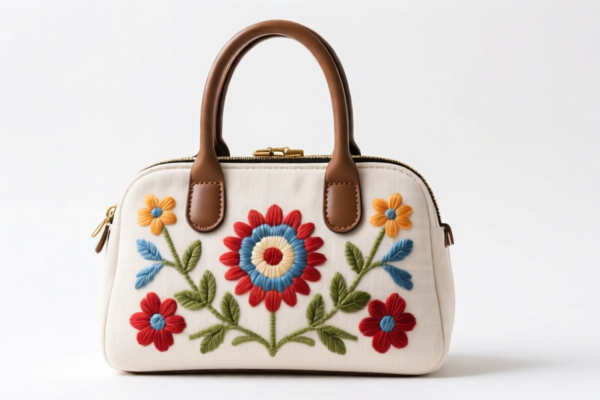
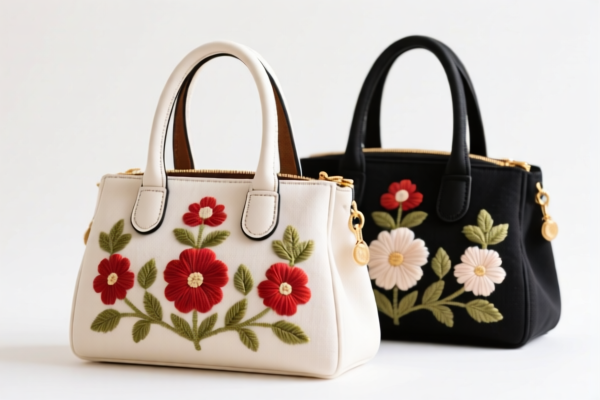
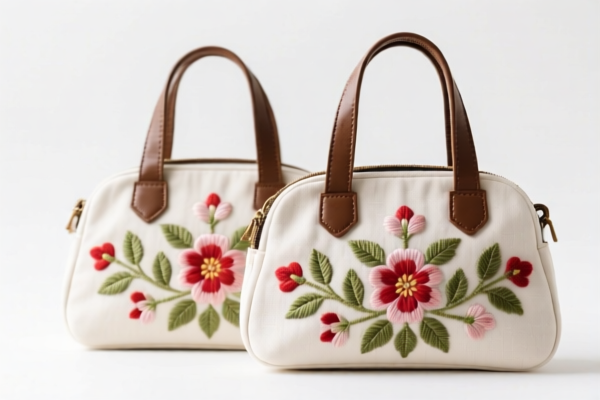
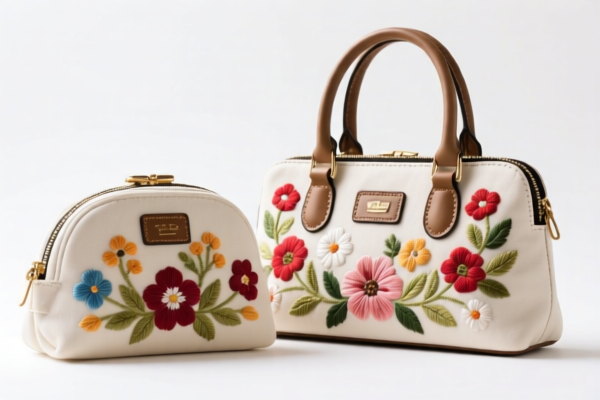
An "Embroidered Earphone Sticker" is a small, decorative accessory designed to adhere to the plastic housing of earphones or earbuds. While marketed as a "sticker," its physical structure is textile-based (fabric) with embroidered patterns, often backed with adhesive or static cling material.
In international trade, this product falls into a gray area between textiles, plastics, and general accessories. The correct HS Code depends heavily on: 1. Primary Material: Is it primarily fabric (textile) or plastic-coated fabric? 2. Manufacturing Process: Is it embroidered (textile chapter) or printed/plastic (plastic chapter)? 3. Function: Is it purely decorative (badge/logo) or functional (cover/case)?
⚠️ Key Distinction:
- If it is purely fabric/embroidered → Classified under Chapter 58 (Special Woven Fabrics) or Chapter 42 (Articles of Leather/Textile).
- If it is plastic-based with embroidery-like appearance → Classified under Chapter 39 (Plastics).
- Customs Alert: Misclassification leads to massive tariff differences (from 0% to 55%!).
📦 Part 2: HS Code Classification Details (2026 Latest Tariff Authority Comparison)
Based on the provided data, there are 5 possible HS Codes depending on the specific material composition and manufacturing method.
| HS Code | Product Description | Application Scenario | Material Nature |
|---|---|---|---|
5810.92.10.00 |
Embroidered Goods: Badges, insignia, and designs; Of Man-Made Fibers | Pure embroidered patches/stickers on fabric base | ✅ Textile (Man-Made Fiber) |
3926.90.35.00 |
Other Plastic Articles: Decorative items, plastic fiber or plastic-coated | Stickers with plastic backing/coating, resembling embroidery | ⚠️ Plastic/Coated |
4202.39.90.00 |
Articles of Leather/Textile: Container accessories, textile-made | Textile-based decorative accessories, general textile inference | ✅ Textile (General) |
4202.32.99.00 |
Plastic/Textile Articles: External surface is textile, accessory form | Stickers with textile exterior, used as accessory | ✅ Textile Exterior |
3926.90.99.89 |
Other Plastic Articles: Not elsewhere specified, plastic/synthetic fiber base | Unspecified plastic base with decorative elements | ⚠️ Plastic/Synthetic |
🔍 Critical Analysis:
-5810.92.10.00is the most accurate for purely embroidered items. It classifies them as "Embroidery" rather than simple "Stickers."
-3926.90.35.00and3926.90.99.89apply if the item is plastic-based (e.g., vinyl stickers with printed embroidery patterns) or heavily coated.
-4202codes are broader categories for "accessories" and may be used if the item is considered a general textile accessory rather than a specific "embroidered good."
💰 Part 3: 2026 Latest Tariff Rate Breakdown (Including Surcharges & Policy Add-ons)
✅ Applicable Country: United States (US)
✅ Origin: China (CN)
✅ Effective Time: 2025/2026 Current Regulations
🎯 1. 5810.92.10.00 —— Embroidered Goods (Man-Made Fibers)
🔥 HIGHEST RISK / HIGHEST COST
This code is classified as "Embroidery", which faces severe punitive tariffs under US-China trade policies.
| Item | Content |
|---|---|
| Base Tariff | See Additional U.S. Note 2 (Typically 0-5% for textiles, but subject to notes) |
| Section 301 Surcharge | 25.0% (Standard 301 tariff for many textiles) |
| Section 122 Tariff | 10.0% (Specific additional tariff for certain textile/apparel items) |
| Total Effective Rate | ~35% + Base (Approx. 35-40% total) |
| De Minimis Exemption | ❌ NOT APPLICABLE |
| Legal Basis | USITC Note 2 → Section 301: 25% → Section 122: 10% |
📌 Explanation:
- This is the most expensive option if the product is clearly embroidered.
- "See Additional U.S. Note 2" refers to special textile rules that may impose higher base duties.
- Combined with 301 (25%) and 122 (10%), the total burden is over 35%, making this category very costly for dropshippers.
🎯 2. 3926.90.35.00 —— Plastic Decorative Articles
🟡 MEDIUM COST / RECOMMENDED IF PLASTIC-BASED
If the sticker is made of plastic film with printed embroidery patterns, this code is favorable.
| Item | Content |
|---|---|
| Base Tariff | 6.5% |
| Section 301 Surcharge | 7.5% |
| Section 122 Tariff | 10.0% |
| Total Effective Rate | 24.0% |
| De Minimis Exemption | ❌ NOT APPLICABLE (Likely due to origin) |
| Legal Basis | Base 6.5% + 301 7.5% + 122 10% |
📌 Explanation:
- Lower base tariff (6.5%) compared to textiles.
- Total 24% is significantly better than the 35%+ for pure embroidery.
- Strategy: If your product is a vinyl/plastic sticker with a printed design, declare it as Plastic Article (3926) to save ~11% in duties.
🎯 3. 4202.39.90.00 —— Textile Container Accessories
🔴 HIGH COST / TEXTILE CATEGORY
Classified under "Textile Accessories," subject to high 301 tariffs.
| Item | Content |
|---|---|
| Base Tariff | 20.0% |
| Section 301 Surcharge | 25.0% |
| Section 122 Tariff | 10.0% |
| Total Effective Rate | 55.0% |
| De Minimis Exemption | ❌ NOT APPLICABLE |
| Legal Basis | Base 20% + 301 25% + 122 10% |
📌 Explanation:
- Highest Base Tariff (20%) among all options.
- Total 55% is extremely costly. Avoid this code unless no other option fits.
🎯 4. 4202.32.99.00 —— Plastic/Textile Accessory
🟠 HIGH COST / MIXED MATERIAL
Similar to above, but slightly lower base tariff.
| Item | Content |
|---|---|
| Base Tariff | 17.6% |
| Section 301 Surcharge | 25.0% |
| Section 122 Tariff | 10.0% |
| Total Effective Rate | 52.6% |
| De Minimis Exemption | ❌ NOT APPLICABLE |
| Legal Basis | Base 17.6% + 301 25% + 122 10% |
📌 Explanation:
- Slightly better than4202.39.90.00but still >50% total.
- Used if the item is considered a "plastic article with textile exterior."
🎯 5. 3926.90.99.89 —— Other Plastic Articles (Not Elsewhere Specified)
🟢 LOWEST COST / BEST OPTION FOR PLASTIC-BASED STICKERS
This is the best-case scenario if the product can be legally classified as a generic plastic article.
| Item | Content |
|---|---|
| Base Tariff | 5.3% |
| Section 301 Surcharge | 7.5% |
| Section 122 Tariff | 10.0% |
| Total Effective Rate | 22.8% |
| De Minimis Exemption | ❌ NOT APPLICABLE |
| Legal Basis | Base 5.3% + 301 7.5% + 122 10% |
📌 Explanation:
- Lowest Base Tariff (5.3%).
- Total 22.8% is the most competitive rate.
- Strategy: If your sticker is vinyl, PVC, or plastic-based, even with "embroidered" designs, argue it is a Plastic Decorative Item (3926) to minimize duties.
🛠️ Part 4: Customs Clearance Practical Advice (Real-World Pitfall Guide)
✅ 1. Material Documentation is Key
| Document | Mandatory | Explanation |
|---|---|---|
| ✅ Material Composition Sheet | ✔️ | Must clearly state: "100% Polyester Fabric" vs. "PVC Plastic Film" |
| ✅ Product Photos (Close-up) | ✔️ | Show texture: Is it thread (textile) or smooth surface (plastic)? |
| ✅ Supplier Declaration | ✔️ | Confirm if "Embroidery" is actual stitching or printed effect |
| ✅ Commercial Invoice | ✔️ | Use correct terminology: "Decorative Sticker" vs. "Embroidered Patch" |
🔥 Pro Tip:
- If you use print to simulate embroidery, declare as "Printed Plastic Sticker" → HS Code3926.90.35.00or3926.90.99.89.
- If you use actual thread stitching, declare as "Embroidered Patch" → HS Code5810.92.10.00(Higher tax).
✅ 2. Declaration Strategy (Crucial Tariff Optimization)
| Scenario | Correct Declaration | Incorrect Declaration | Result |
|---|---|---|---|
| Vinyl Sticker with Printed Design | 3926.90.99.89 (Plastic Article) |
"Embroidered Sticker" | Save ~12% (22.8% vs 35%+) |
| Actual Fabric Patch with Stitching | 5810.92.10.00 (Embroidery) |
"Plastic Sticker" | Risk of Penalty/Rejection |
| Mixed Material (Fabric + Plastic Backing) | 4202.32.99.00 |
Ambiguous "Accessory" | High Tax (52.6%) |
📌 Golden Rule:
"If it’s plastic, call it plastic. If it’s thread, call it embroidery. Never mix labels!"
✅ 3. Special Cases & Workarounds
| Situation | Handling Suggestion |
|---|---|
| Dropshipping (De Minimis) | ❌ Note: Current data shows NO de minimis exemption for these codes under Chinese origin. All are taxed. |
| Re-export from Mexico/SE Asia | ✅ If assembled in Vietnam/Mexico, may avoid Section 301/122 tariffs (Check Rule of Origin). |
| Sample/Non-Commercial | ✅ Some courts allow lower valuation, but still subject to tax. |
🌍 Part 5: Global Market Comparison (2026 Latest)
| Country/Region | Recommended HS Code | Tariff (China Origin) | Certification | Notes |
|---|---|---|---|---|
| 🇺🇸 USA | 3926.90.99.89 |
22.8% (Plastic) | None | Best for vinyl stickers |
| 🇺🇸 USA | 5810.92.10.00 |
~35%+ (Embroidery) | None | High tax for fabric patches |
| 🇪🇺 EU | 5810.92.00 |
~3.5% (Base) + VAT | CE/RoHS | No Section 301/122 |
| 🇨🇳 China | 5810.92.00 |
~5% | CCC (if applicable) | Low import tax |
📌 Conclusion:
- US Market: The difference between 22.8% and 55% is massive.
- Optimize by Material: Use Plastic (3926) for printed designs; use Embroidery (5810) only for actual stitched patches.
📌 Part 6: Common Mistakes & Pitfall Guide (Lessons Learned)
❌ Mistake 1: Calling a vinyl sticker an "Embroidered Patch"
👉 Consequence: Customs may classify it as 5810.92.10.00 → 35%+ tax.
👉 Fix: Declare as "Plastic Decorative Sticker" → 22.8% tax.
❌ Mistake 2: Calling an actual embroidered patch a "Plastic Sticker"
👉 Consequence: Customs inspection reveals fabric → Penalty for Misdeclaration + Back Taxes.
👉 Fix: Be honest. Use 5810.92.10.00.
❌ Mistake 3: Ignoring Section 122 Tariff (10%)
👉 Consequence: Unexpected cost surge in 2026/2027.
👉 Fix: Factor 10% into all cost calculations for US imports from China.
✅ Correct Approach:
"Material Truth, Clear Labeling, Tax Optimization!"
🎯 Part 7: Conclusion: Professional Declaration, Cost Saving, Efficiency!
🎯 Key Takeaway:
🔹 "Plastic = 22.8% | Embroidery = 35%+ | Textile Accessory = 55%"
🔹 Choose3926.90.99.89if possible (Plastic-based) to save 10-30% in duties.
🔹 If actual embroidery, prepare for 35%+ tax. No exemption.
📌 Small Tip:
If your supplier can produce printed "embroidery-effect" stickers on PVC/Vinyl, switch to that product! It’s cheaper to import and identical in appearance to customers.
📣 Immediate Action:
📞 Contact your customs broker with product samples.
📄 Request a Pre-Ruling (ACE Portal) for definitive HS Code classification.
🚀 Minimize duty, maximize profit!
✨ Professional Clearance Starts with Accurate Classification!
💼 Every cent saved in duty is pure profit!
用户评价
关于 HS 编码归类
协调制度(HS)是由世界海关组织(WCO)制定的国际贸易商品分类标准。全球 200 多个国家采用 HS 系统作为海关关税、贸易统计和进出口监管的基础。
每个 HS 编码遵循以下层级结构:
- 章(2 位)——商品大类(例如:第 84 章:机器和机械设备)
- 品目(4 位)——章内的更具体分类
- 子目(6 位)——国际通用细分,所有 WCO 成员国统一使用
- 本国细分(8-10 位)——各国自行扩展的细分编码,如美国 HTSUS 10 位编码
正确的 HS 编码归类对于顺利通关、准确缴纳关税和遵守贸易法规至关重要。错误归类可能导致海关延误、多缴关税或罚款。
从CN进口到US时,适用的关税税率可能包括:
- 最惠国(MFN)税率——适用于 WTO 成员国的标准关税税率
- 普通税率——适用于无贸易协定国家
- 贸易救济关税——附加关税,如 301 条款(反倾销)、232 条款(国家安全)或反补贴税
本页内容仅供参考。如需正式归类,请咨询当地海关或持牌报关代理。