Embroidered Earphone Sticker
CN → US| HS Code | Tariff Rate | Origin | Destination | Doc |
|---|---|---|---|---|
| 5810921000 | 0.0% | CN | US | Official Doc |
| 3926903500 | 24.0% | CN | US | Official Doc |
| 4202399000 | 55.0% | CN | US | Official Doc |
| 4202329900 | 52.6% | CN | US | Official Doc |
| 3926909989 | 22.8% | CN | US | Official Doc |
Product Images
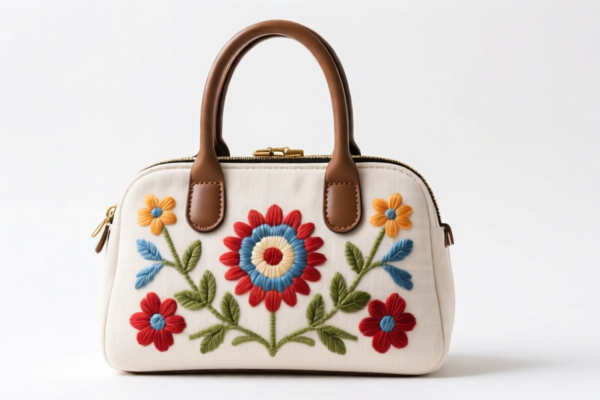
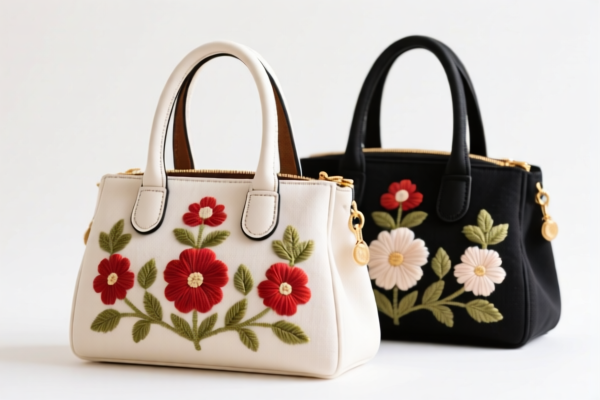
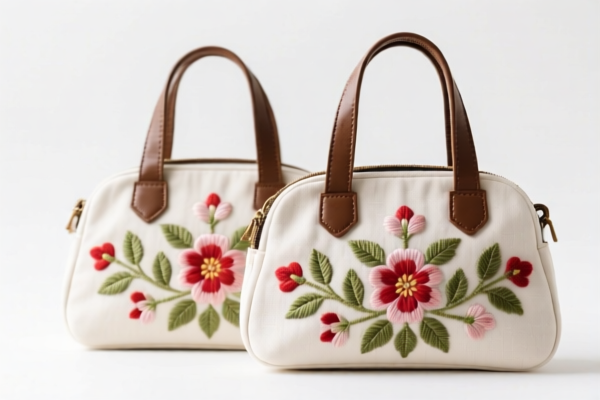
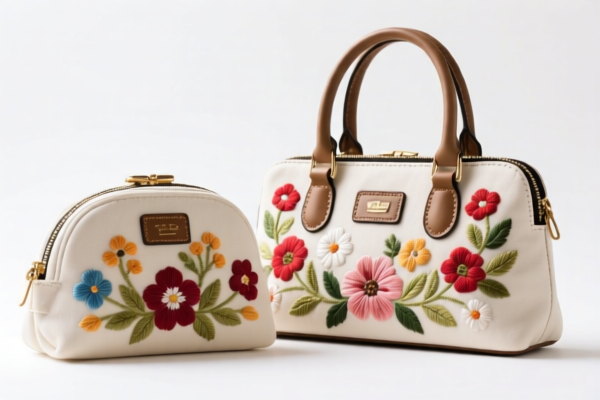
AI Analysis
🎧 Embroidered Earphone Sticker (Custom Earphone Accessories)
🌐 HS Code Reference & Customs Clearance Guide | 2026 Latest Tariff Analysis | Professional Clearance Strategy
📌 Part 1: Product Definition & Classification: What Exactly is an "Embroidered Earphone Sticker"?
An "Embroidered Earphone Sticker" is a small, decorative accessory designed to adhere to the plastic housing of earphones or earbuds. While marketed as a "sticker," its physical structure is textile-based (fabric) with embroidered patterns, often backed with adhesive or static cling material.
In international trade, this product falls into a gray area between textiles, plastics, and general accessories. The correct HS Code depends heavily on: 1. Primary Material: Is it primarily fabric (textile) or plastic-coated fabric? 2. Manufacturing Process: Is it embroidered (textile chapter) or printed/plastic (plastic chapter)? 3. Function: Is it purely decorative (badge/logo) or functional (cover/case)?
⚠️ Key Distinction:
- If it is purely fabric/embroidered → Classified under Chapter 58 (Special Woven Fabrics) or Chapter 42 (Articles of Leather/Textile).
- If it is plastic-based with embroidery-like appearance → Classified under Chapter 39 (Plastics).
- Customs Alert: Misclassification leads to massive tariff differences (from 0% to 55%!).
📦 Part 2: HS Code Classification Details (2026 Latest Tariff Authority Comparison)
Based on the provided data, there are 5 possible HS Codes depending on the specific material composition and manufacturing method.
| HS Code | Product Description | Application Scenario | Material Nature |
|---|---|---|---|
5810.92.10.00 |
Embroidered Goods: Badges, insignia, and designs; Of Man-Made Fibers | Pure embroidered patches/stickers on fabric base | ✅ Textile (Man-Made Fiber) |
3926.90.35.00 |
Other Plastic Articles: Decorative items, plastic fiber or plastic-coated | Stickers with plastic backing/coating, resembling embroidery | ⚠️ Plastic/Coated |
4202.39.90.00 |
Articles of Leather/Textile: Container accessories, textile-made | Textile-based decorative accessories, general textile inference | ✅ Textile (General) |
4202.32.99.00 |
Plastic/Textile Articles: External surface is textile, accessory form | Stickers with textile exterior, used as accessory | ✅ Textile Exterior |
3926.90.99.89 |
Other Plastic Articles: Not elsewhere specified, plastic/synthetic fiber base | Unspecified plastic base with decorative elements | ⚠️ Plastic/Synthetic |
🔍 Critical Analysis:
-5810.92.10.00is the most accurate for purely embroidered items. It classifies them as "Embroidery" rather than simple "Stickers."
-3926.90.35.00and3926.90.99.89apply if the item is plastic-based (e.g., vinyl stickers with printed embroidery patterns) or heavily coated.
-4202codes are broader categories for "accessories" and may be used if the item is considered a general textile accessory rather than a specific "embroidered good."
💰 Part 3: 2026 Latest Tariff Rate Breakdown (Including Surcharges & Policy Add-ons)
✅ Applicable Country: United States (US)
✅ Origin: China (CN)
✅ Effective Time: 2025/2026 Current Regulations
🎯 1. 5810.92.10.00 —— Embroidered Goods (Man-Made Fibers)
🔥 HIGHEST RISK / HIGHEST COST
This code is classified as "Embroidery", which faces severe punitive tariffs under US-China trade policies.
| Item | Content |
|---|---|
| Base Tariff | See Additional U.S. Note 2 (Typically 0-5% for textiles, but subject to notes) |
| Section 301 Surcharge | 25.0% (Standard 301 tariff for many textiles) |
| Section 122 Tariff | 10.0% (Specific additional tariff for certain textile/apparel items) |
| Total Effective Rate | ~35% + Base (Approx. 35-40% total) |
| De Minimis Exemption | ❌ NOT APPLICABLE |
| Legal Basis | USITC Note 2 → Section 301: 25% → Section 122: 10% |
📌 Explanation:
- This is the most expensive option if the product is clearly embroidered.
- "See Additional U.S. Note 2" refers to special textile rules that may impose higher base duties.
- Combined with 301 (25%) and 122 (10%), the total burden is over 35%, making this category very costly for dropshippers.
🎯 2. 3926.90.35.00 —— Plastic Decorative Articles
🟡 MEDIUM COST / RECOMMENDED IF PLASTIC-BASED
If the sticker is made of plastic film with printed embroidery patterns, this code is favorable.
| Item | Content |
|---|---|
| Base Tariff | 6.5% |
| Section 301 Surcharge | 7.5% |
| Section 122 Tariff | 10.0% |
| Total Effective Rate | 24.0% |
| De Minimis Exemption | ❌ NOT APPLICABLE (Likely due to origin) |
| Legal Basis | Base 6.5% + 301 7.5% + 122 10% |
📌 Explanation:
- Lower base tariff (6.5%) compared to textiles.
- Total 24% is significantly better than the 35%+ for pure embroidery.
- Strategy: If your product is a vinyl/plastic sticker with a printed design, declare it as Plastic Article (3926) to save ~11% in duties.
🎯 3. 4202.39.90.00 —— Textile Container Accessories
🔴 HIGH COST / TEXTILE CATEGORY
Classified under "Textile Accessories," subject to high 301 tariffs.
| Item | Content |
|---|---|
| Base Tariff | 20.0% |
| Section 301 Surcharge | 25.0% |
| Section 122 Tariff | 10.0% |
| Total Effective Rate | 55.0% |
| De Minimis Exemption | ❌ NOT APPLICABLE |
| Legal Basis | Base 20% + 301 25% + 122 10% |
📌 Explanation:
- Highest Base Tariff (20%) among all options.
- Total 55% is extremely costly. Avoid this code unless no other option fits.
🎯 4. 4202.32.99.00 —— Plastic/Textile Accessory
🟠 HIGH COST / MIXED MATERIAL
Similar to above, but slightly lower base tariff.
| Item | Content |
|---|---|
| Base Tariff | 17.6% |
| Section 301 Surcharge | 25.0% |
| Section 122 Tariff | 10.0% |
| Total Effective Rate | 52.6% |
| De Minimis Exemption | ❌ NOT APPLICABLE |
| Legal Basis | Base 17.6% + 301 25% + 122 10% |
📌 Explanation:
- Slightly better than4202.39.90.00but still >50% total.
- Used if the item is considered a "plastic article with textile exterior."
🎯 5. 3926.90.99.89 —— Other Plastic Articles (Not Elsewhere Specified)
🟢 LOWEST COST / BEST OPTION FOR PLASTIC-BASED STICKERS
This is the best-case scenario if the product can be legally classified as a generic plastic article.
| Item | Content |
|---|---|
| Base Tariff | 5.3% |
| Section 301 Surcharge | 7.5% |
| Section 122 Tariff | 10.0% |
| Total Effective Rate | 22.8% |
| De Minimis Exemption | ❌ NOT APPLICABLE |
| Legal Basis | Base 5.3% + 301 7.5% + 122 10% |
📌 Explanation:
- Lowest Base Tariff (5.3%).
- Total 22.8% is the most competitive rate.
- Strategy: If your sticker is vinyl, PVC, or plastic-based, even with "embroidered" designs, argue it is a Plastic Decorative Item (3926) to minimize duties.
🛠️ Part 4: Customs Clearance Practical Advice (Real-World Pitfall Guide)
✅ 1. Material Documentation is Key
| Document | Mandatory | Explanation |
|---|---|---|
| ✅ Material Composition Sheet | ✔️ | Must clearly state: "100% Polyester Fabric" vs. "PVC Plastic Film" |
| ✅ Product Photos (Close-up) | ✔️ | Show texture: Is it thread (textile) or smooth surface (plastic)? |
| ✅ Supplier Declaration | ✔️ | Confirm if "Embroidery" is actual stitching or printed effect |
| ✅ Commercial Invoice | ✔️ | Use correct terminology: "Decorative Sticker" vs. "Embroidered Patch" |
🔥 Pro Tip:
- If you use print to simulate embroidery, declare as "Printed Plastic Sticker" → HS Code3926.90.35.00or3926.90.99.89.
- If you use actual thread stitching, declare as "Embroidered Patch" → HS Code5810.92.10.00(Higher tax).
✅ 2. Declaration Strategy (Crucial Tariff Optimization)
| Scenario | Correct Declaration | Incorrect Declaration | Result |
|---|---|---|---|
| Vinyl Sticker with Printed Design | 3926.90.99.89 (Plastic Article) |
"Embroidered Sticker" | Save ~12% (22.8% vs 35%+) |
| Actual Fabric Patch with Stitching | 5810.92.10.00 (Embroidery) |
"Plastic Sticker" | Risk of Penalty/Rejection |
| Mixed Material (Fabric + Plastic Backing) | 4202.32.99.00 |
Ambiguous "Accessory" | High Tax (52.6%) |
📌 Golden Rule:
"If it’s plastic, call it plastic. If it’s thread, call it embroidery. Never mix labels!"
✅ 3. Special Cases & Workarounds
| Situation | Handling Suggestion |
|---|---|
| Dropshipping (De Minimis) | ❌ Note: Current data shows NO de minimis exemption for these codes under Chinese origin. All are taxed. |
| Re-export from Mexico/SE Asia | ✅ If assembled in Vietnam/Mexico, may avoid Section 301/122 tariffs (Check Rule of Origin). |
| Sample/Non-Commercial | ✅ Some courts allow lower valuation, but still subject to tax. |
🌍 Part 5: Global Market Comparison (2026 Latest)
| Country/Region | Recommended HS Code | Tariff (China Origin) | Certification | Notes |
|---|---|---|---|---|
| 🇺🇸 USA | 3926.90.99.89 |
22.8% (Plastic) | None | Best for vinyl stickers |
| 🇺🇸 USA | 5810.92.10.00 |
~35%+ (Embroidery) | None | High tax for fabric patches |
| 🇪🇺 EU | 5810.92.00 |
~3.5% (Base) + VAT | CE/RoHS | No Section 301/122 |
| 🇨🇳 China | 5810.92.00 |
~5% | CCC (if applicable) | Low import tax |
📌 Conclusion:
- US Market: The difference between 22.8% and 55% is massive.
- Optimize by Material: Use Plastic (3926) for printed designs; use Embroidery (5810) only for actual stitched patches.
📌 Part 6: Common Mistakes & Pitfall Guide (Lessons Learned)
❌ Mistake 1: Calling a vinyl sticker an "Embroidered Patch"
👉 Consequence: Customs may classify it as 5810.92.10.00 → 35%+ tax.
👉 Fix: Declare as "Plastic Decorative Sticker" → 22.8% tax.
❌ Mistake 2: Calling an actual embroidered patch a "Plastic Sticker"
👉 Consequence: Customs inspection reveals fabric → Penalty for Misdeclaration + Back Taxes.
👉 Fix: Be honest. Use 5810.92.10.00.
❌ Mistake 3: Ignoring Section 122 Tariff (10%)
👉 Consequence: Unexpected cost surge in 2026/2027.
👉 Fix: Factor 10% into all cost calculations for US imports from China.
✅ Correct Approach:
"Material Truth, Clear Labeling, Tax Optimization!"
🎯 Part 7: Conclusion: Professional Declaration, Cost Saving, Efficiency!
🎯 Key Takeaway:
🔹 "Plastic = 22.8% | Embroidery = 35%+ | Textile Accessory = 55%"
🔹 Choose3926.90.99.89if possible (Plastic-based) to save 10-30% in duties.
🔹 If actual embroidery, prepare for 35%+ tax. No exemption.
📌 Small Tip:
If your supplier can produce printed "embroidery-effect" stickers on PVC/Vinyl, switch to that product! It’s cheaper to import and identical in appearance to customers.
📣 Immediate Action:
📞 Contact your customs broker with product samples.
📄 Request a Pre-Ruling (ACE Portal) for definitive HS Code classification.
🚀 Minimize duty, maximize profit!
✨ Professional Clearance Starts with Accurate Classification!
💼 Every cent saved in duty is pure profit!
Customer Reviews
About HS Code Classification
The Harmonized System (HS) is an internationally standardized nomenclature developed by the World Customs Organization (WCO) to classify traded products. Over 200 countries use the HS system as the basis for customs tariffs, trade statistics, and import/export regulations.
Each HS code follows a hierarchical structure:
- Chapter (2 digits) — Broad category of goods (e.g., Chapter 84: Machinery and Mechanical Appliances)
- Heading (4 digits) — More specific grouping within the chapter
- Subheading (6 digits) — Internationally standardized breakdown, used by all WCO member countries
- National subdivisions (8-10 digits) — Country-specific extensions for further classification, such as US HTSUS 10-digit codes
Correct HS code classification is essential for smooth customs clearance, accurate duty payment, and compliance with trade regulations. Misclassification can lead to customs delays, overpayment of duties, or penalties.
When importing from CN to US, the applicable tariff rates may include:
- Most-Favored-Nation (MFN) rate — The standard duty rate applied to WTO members
- General rate — Applied to countries without trade agreements
- Trade remedy duties — Additional tariffs such as Section 301 (anti-dumping), Section 232 (national security), or countervailing duties
The information provided on this page is for reference purposes only. For official classification, please consult with your local customs authority or a licensed customs broker.