Engineering Grade Reflective Film
CN → US| HS编码 | 关税税率 | 原产国 | 目的国 | 文档 |
|---|---|---|---|---|
| 3926909925 | 22.8% | CN | US | 官方文档 |
| 3926909989 | 22.8% | CN | US | 官方文档 |
| 3920991000 | 41.0% | CN | US | 官方文档 |
| 3919905010 | 40.8% | CN | US | 官方文档 |
| 3919901000 | 41.5% | CN | US | 官方文档 |
商品图片


AI分析
🌟 Engineering Grade Reflective Film (工程级反光膜)
🌐 HS Code Reference & Customs Clearance Guide | 2026 Latest Tariff Analysis | Professional Leveling Strategy
📌 I. Product Definition & Classification Logic: What is "Engineering Grade"?
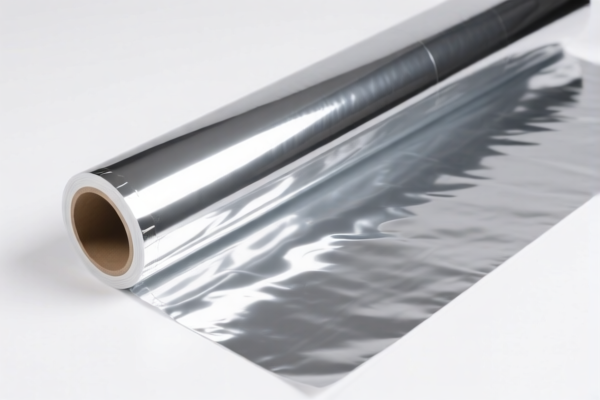
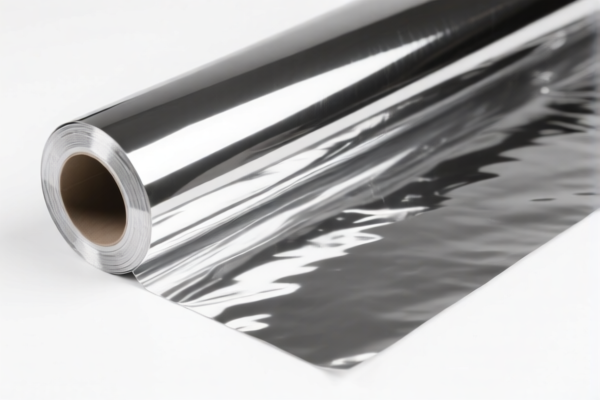
Engineering Grade Reflective Film (EG Film) is a high-intensity retroreflective material primarily used for traffic signs, vehicle markings, and safety barriers. Its core classification in international trade hinges on two factors: Material Composition (typically polymer/plastic substrate) and Physical Form (film/sheet/flexible plate).
⚠️ Critical Distinction Point:
- If classified strictly as a flexible plastic film or sheet without rigid backing → Often falls under Chapter 39 (Plastics).
- If classified as a finished reflective product or specialized sheet → May fall under different subheadings depending on thickness, adhesive backing, and specific chemical structure.
- Note: Under US HTSUS (Harmonized Tariff Schedule of the United States), these codes carry significant additional tariffs due to trade policies.
📦 II. HS Code Classification Details (Based on Provided Data)
| HS Code | Summary/Logic | Total Tax Rate | Tax Breakdown |
|---|---|---|---|
| 3926.90.99.25 | Considered a reflective material with a plastic/polymer substrate. Fits the logic of "Plastic Articles." | 22.8% | Base: 5.3% Additional: 7.5% Section 122: 10% |
| 3926.90.99.89 | Material is mainly plastic (polymer). Fits "Other Plastic Articles" regarding shape and material logic. | 22.8% | Base: 5.3% Additional: 7.5% Section 122: 10% |
| 3920.99.10.00 | Considered a plastic film form. Material is typically Polyester or plastic base. Fits "Other Plastic Plates, Sheets, Film." | 41.0% | Base: 6.0% Additional: 25.0% Section 122: 10% |
| 3919.90.50.10 | Use matches "Reflective Sheets." Form is flat. Material inferred as plastic. No conflict. | 40.8% | Base: 5.8% Additional: 25.0% Section 122: 10% |
| 3919.90.10.00 | Fits morphological characteristics. Material is plastic containing glass beads for reflection. | 41.5% | Base: 6.5% Additional: 25.0% Section 122: 10% |
🔍 Key Observation:
- Codes starting with 3926 ("Other articles of plastics") generally incur a lower total tariff (22.8%).
- Codes starting with 3919/3920 ("Self-adhesive plates/sheets" or "Plastic films") incur a higher total tariff (~41%) due to the higher "Additional Tariff" (25% vs 7.5%).
- Why the difference? Customs may view "Reflective Film" as a functional adhesive sheet (3919) or a raw plastic film (3920) rather than a "finished plastic article" (3926). Proper classification is critical to save ~18% in duties.
💰 III. 2026 Tariff Rate Breakdown (Detailed Tax Clauses)
✅ Applicable Country: United States (US)
✅ Origin: China (CN)
✅ Effective Time: 2025 onwards (Current trade policy)
🎯 Scenario A: Lower Tariff Path (HS Codes 3926.90.99.25 / .89)
| Item | Content |
|---|---|
| Base Tariff | 5.3% (General Rate) |
| Additional Tariff (Section 301/122 Context) | +7.5% (Targeted additional duty) |
| Section 122 Tariff | +10% (Specific policy tariff) |
| Total Weighted Rate | 22.8% |
| Tax Calculation | CIF Value × 22.8% |
| De Minimis Exemption | ❌ Not Eligible (High tariff goods usually excluded from de minimis) |
| Legal Basis Path | USITC:3926.90.99.25 → Additional Tariff: 7.5% → Section 122: 10% |
📌 Explanation:
- This classification treats the film as a "Plastic Article" rather than a specific plastic sheet or film.
- The 7.5% additional tariff is significantly lower than the 25% seen in other codes.
- Strategy: If the film can be demonstrated to be a "finished article" or "other plastic article" rather than a raw film, this code offers substantial savings.
🎯 Scenario B: Higher Tariff Path (HS Codes 3920.99.10.00, 3919.90.50.10, 3919.90.10.00)
| Item | Content |
|---|---|
| Base Tariff | 5.8% – 6.5% |
| Additional Tariff | +25.0% (Standard Section 301 Additional Duty) |
| Section 122 Tariff | +10% |
| Total Weighted Rate | 40.8% – 41.5% |
| Tax Calculation | CIF Value × ~41% |
| De Minimis Exemption | ❌ Not Eligible |
| Legal Basis Path | USITC:3920.99.10.00 → Additional Tariff: 25% → Section 122: 10% |
📌 Explanation:
- These codes classify the product as Plastic Film or Self-Adhesive Sheets.
- The 25% Additional Tariff is the standard heavy penalty for Chinese-origin plastic sheets/films.
- Risk: If customs inspectors view the reflective film as a "sheet" (3919) or "film" (3920) rather than an "article" (3926), the cost nearly doubles.
🛠️ IV. Customs Clearance Practical Advice (Pitfall Avoidance Guide)
✅ 1. Preparation Checklist (Must-Haves)
| Document | Required | Purpose |
|---|---|---|
| Product Spec Sheet | ✔️ | Detail material (e.g., PET, PVC), structure (beads, reflective layer), and usage. |
| Photos (Clear & Detailed) | ✔️ | Show cross-section (if possible) to prove it's a film/sheet vs. rigid plate. |
| Commercial Invoice | ✔️ | Must clearly state "Engineering Grade Reflective Film" and correct HS Code. |
| Material Declaration | ✔️ | Confirm polymer type (e.g., Polyester/PET) to support Chapter 39 classification. |
| Bill of Lading | ✔️ | Ensure description matches invoice. |
✅ 2. Classification Strategy (Key Advice)
🔥 “Argue for ‘Article,’ Not ‘Film’ if Possible!”
| Scenario | Recommended Approach | Risk of Wrong Classification |
|---|---|---|
| Rolls of Reflective Film | Attempt to justify 3926.90.99 (Other Plastic Articles) if it has pre-applied adhesive or is a finished reflective product. | If deemed "Plastic Film" (3920), tax jumps from 22.8% to 41%. |
| Raw Plastic Film (No Reflection) | Must use 3920/3919. | N/A (No alternative). |
| Reflective Film with Adhesive Backing | Strong case for 3919 (Self-adhesive sheets) but high tax. | Dispute with customs to see if it qualifies as "Article" (3926) to save 18%. |
| Finished Signage (Rigid) | Not reflective film; consider Chapter 39 or 73. | Misclassification leads to delays. |
✅ 3. Special Handling Tips
- Adhesive vs. Non-Adhesive: If the film is non-adhesive, 3926 is more likely. If it has a pressure-sensitive adhesive, 3919 is technically correct but expensive. Consult a broker on whether "Engineering Grade" implies a specific finished state.
- Section 122: All these codes attract an extra 10%. There is no exemption for standard reflective films from Section 122.
- Pre-Ruling: Given the 18% difference between 3926 and 3919/3920, apply for an Advance Ruling from US Customs (CBP) if importing large volumes.
🌍 V. Global Market Comparison (Quick Reference)
| Market | Typical HS Code Range | Est. Total Duty | Note |
|---|---|---|---|
| 🇺🇸 USA | 3926 / 3920 / 3919 | 22.8% – 41.5% | Heavy Section 301 + Section 122 tariffs. |
| 🇪🇺 EU | 3920 / 3919 | ~5% - 8% | Lower base duty, no 25% penalty. |
| 🇨🇳 China | 3920 / 3926 | 5% - 8% | Base import duty only. |
| 🇮🇳 India | 3920 / 3926 | 10% - 20% | BCD + SWS + IGST. |
📌 Conclusion:
The US market is the most expensive for Engineering Grade Reflective Film due to layered tariffs.
Saving Tip: If your product can be classified under 3926.90.99, you save ~18% compared to 3920/3919. Ensure your product description emphasizes "Plastic Article" characteristics over "Raw Film" characteristics.
📌 VI. Common Mistakes & Pitfalls
❌ Mistake 1: Automatically using 3920 (Plastic Film)
👉 Consequence: Pay 41% instead of 22.8%.
👉 Fix: Check if the film is a "finished article" (e.g., pre-cut, adhesive-backed for immediate sign application).
❌ Mistake 2: Ignoring Section 122
👉 Consequence: Unexpected 10% tariff at the border.
👉 Fix: Plan for the full 22.8% or ~41% in cost calculations.
❌ Mistake 3: Vague Description "Reflective Material"
👉 Consequence: CBP may reclassify to the highest applicable code.
👉 Fix: Use precise language: "Engineering Grade Reflective Film, Polymer Base, Non-Rigid."
✅ Correct Approach:
"Engineering Grade Reflective Film, Polymeric Material, Used for Traffic Signage, Flexible Sheet/Film"
🎯 VII. Conclusion: Classify Smartly, Save Big!
🎯 Remember the Mantra:
🔹 “Plastic Article (3926) = 22.8% | Plastic Film/Sheet (3919/3920) = ~41%”
🔹 “The 18% Difference is Worth the Argument!”
📌 Pro Tip:
If you are a high-volume importer, file for a CBP Binding Ruling before your first shipment. The cost of a ruling is minimal compared to paying an extra 18% on every container.
📣 Action Required:
📞 Contact a Licensed Customs Broker today.
📄 Provide Technical Data Sheets to negotiate for 3926.90.99.
🚀 Minimize Duty Burden, Maximize Profit Margins!
✨ Professional Classification Starts with Precision!
💼 Every Percent Saved is Pure Profit!
用户评价
关于 HS 编码归类
协调制度(HS)是由世界海关组织(WCO)制定的国际贸易商品分类标准。全球 200 多个国家采用 HS 系统作为海关关税、贸易统计和进出口监管的基础。
每个 HS 编码遵循以下层级结构:
- 章(2 位)——商品大类(例如:第 84 章:机器和机械设备)
- 品目(4 位)——章内的更具体分类
- 子目(6 位)——国际通用细分,所有 WCO 成员国统一使用
- 本国细分(8-10 位)——各国自行扩展的细分编码,如美国 HTSUS 10 位编码
正确的 HS 编码归类对于顺利通关、准确缴纳关税和遵守贸易法规至关重要。错误归类可能导致海关延误、多缴关税或罚款。
从CN进口到US时,适用的关税税率可能包括:
- 最惠国(MFN)税率——适用于 WTO 成员国的标准关税税率
- 普通税率——适用于无贸易协定国家
- 贸易救济关税——附加关税,如 301 条款(反倾销)、232 条款(国家安全)或反补贴税
本页内容仅供参考。如需正式归类,请咨询当地海关或持牌报关代理。