Enzyme Precursor Extract
CN → US| HS编码 | 关税税率 | 原产国 | 目的国 | 文档 |
|---|---|---|---|---|
| 3507902000 | 35.0% | CN | US | 官方文档 |
| 3507907000 | 35.0% | CN | US | 官方文档 |
| 1302199140 | 17.5% | CN | US | 官方文档 |
| 1302194140 | 18.5% | CN | US | 官方文档 |
| 2936900110 | 10.0% | CN | US | 官方文档 |
商品图片
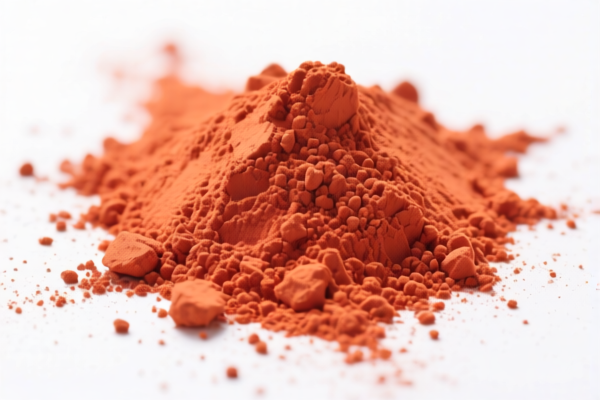
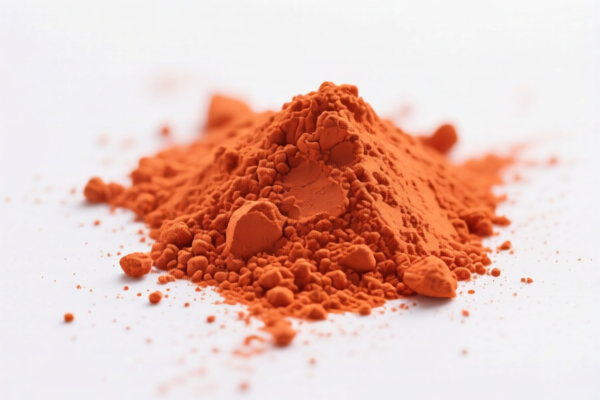
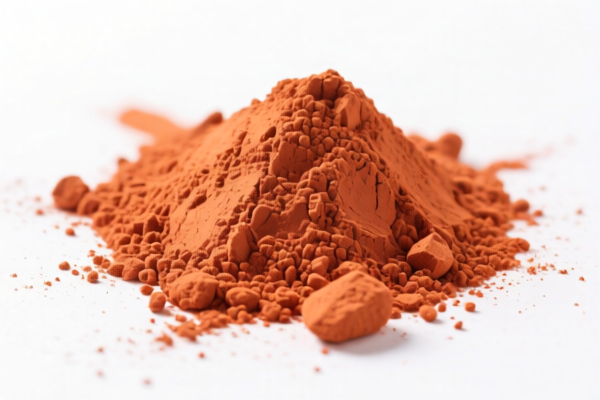
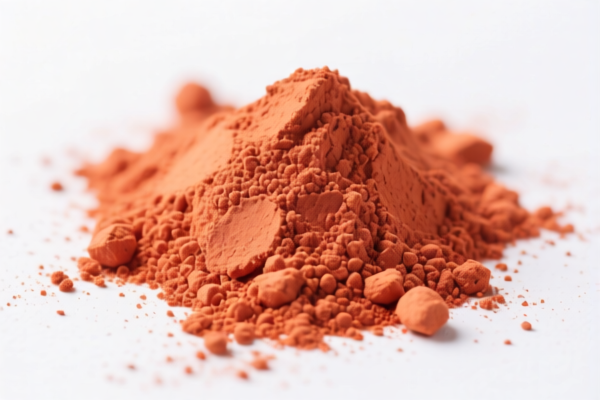
AI分析
🧪 Enzyme Precursor Extract (Biological & Plant-Based Substances)
🌐 HS Code Reference & Customs Clearance Guide | 2026 Latest Tariff Analysis | Professional Compliance Strategy
📌 Part 1: Product Definition & Classification: Do You Truly Understand "Enzyme Precursor Extract"?
"Enzyme Precursor Extracts" represent a complex intersection of biochemicals and plant derivatives. In international trade, classification depends entirely on the production method, source material, and final function. They are not a single commodity but a category that can fall under three distinct regulatory tracks:
1. Modified Enzymes (Biochemicals): If the extract has been processed to activate or stabilize enzyme precursors, it may be classified as a "Modified Enzyme."
2. Plant Extracts: If the source is primarily plant juice/resin and the enzyme content is incidental or natural, it falls under vegetable products.
3. Functional/Vitamin Precursors: If used specifically as a raw material for vitamin synthesis or specialized functional additives, it may be classified under chemical products.
⚠️ Key Distinction Point:
- Is it a chemically modified biological product? → Look at Chapter 35 (Albuminoidal substances; modified starches).
- Is it a natural plant derivative? → Look at Chapter 13 (Extracts of fruits, nuts, or vegetables).
- Is it a functional chemical precursor? → Look at Chapter 29 (Organic chemicals).
📦 Part 2: HS Code Classification Matrix (2026 Latest Tariff Authority)
| HS Code | Product Description | Applicability Scenario | Key Classification Criteria |
|---|---|---|---|
3507.90.20.00 |
Modified Enzymes: Preparations of enzymes (not elsewhere specified) | Enzyme precursor extracts classified as "Modified Enzymes"; fits within the category of biochemical products. | ✅ Biological/Chemical Modification |
3507.90.70.00 |
Other Modified Enzymes: Other preparations of enzymes | Enzyme precursor extracts belonging to the "Other" category within modified enzymes. | ✅ Biological/Chemical Modification |
1302.19.91.40 |
Vegetable Extracts: Other vegetable juices and extracts (not elsewhere specified) | Enzyme precursor extracts that fit the characteristics of vegetable juices and extracts. | ✅ Natural Plant Source |
1302.19.41.40 |
Other Vegetable Extracts: Other extracts of plants used primarily for perfumery, medicinal, or insecticidal purposes | Enzyme precursor extracts belonging to the "Other" sub-category under vegetable juices and extracts. | ✅ Natural Plant Source (Medicinal/Perfumery) |
2936.90.01.10 |
Vitamins & Provitamins: Other preparations of vitamins or provitamins (natural or synthetic) | Enzyme precursor extracts acting as vitamin precursors, classified as functional substances. | ✅ Functional Chemical Use |
🔍 Critical Reminder:
- Chapter 35 (3507) requires proof of enzymatic activity or modification. If the product is just raw plant material with trace enzymes, do NOT use this code.
- Chapter 13 (1302) requires proof of plant origin and that it is an extract (juice/resin/powder from plants).
- Chapter 29 (2936) is highly specific. Only use this if the extract is explicitly marketed and used as a Vitamin Precursor.
💰 Part 3: 2026 Latest Tariff Rate Breakdown (US Market: China Origin)
✅ Applicable Country: United States (US)
✅ Country of Origin: China (CN)
✅ Effective Time: Includes imports after November 10, 2025
🎯 1. 3507.90.20.00 & 3507.90.70.00 —— Modified Enzymes (Biochemical Category)
| Item | Content |
|---|---|
| Base Tariff | 0.0% (ad valorem) |
| USITC Additional Tariff (Section 301) | +25.0% |
| IEEPA Additional Tariff (122 Section) | +10.0% |
| Total Tax Rate | 35.0% |
| Tax Calculation | CIF Value × 35% |
| De Minimis Exemption | ❌ No (deny_de_minimis) |
| Legal Basis Path | USITC:3507.90.20.00 → FOOTNOTE:9903.88.01 + IEEPA:9903.01.25 |
📌 Explanation:
- The "0% Base Tariff" is standard for many biochemical preparations.
- However, due to Section 301 (25%) and IEEPA 122 Section (10%), the total burden is significant.
- These codes are not eligible for de minimis shipments (under $800).
🎯 2. 1302.19.91.40 —— Vegetable Extracts (Natural Plant Category)
| Item | Content |
|---|---|
| Base Tariff | 0.0% |
| USITC Additional Tariff (Section 301) | +7.5% |
| IEEPA Additional Tariff (122 Section) | +10.0% |
| Total Tax Rate | 17.5% |
| Tax Calculation | CIF Value × 17.5% |
| De Minimis Exemption | ❌ No |
| Legal Basis Path | USITC:1302.19.91.40 → FOOTNOTE:9903.88.01 + IEEPA:9903.01.25 |
📌 Note:
- This is a lower tax bracket compared to Modified Enzymes.
- Suitable for extracts where the primary identity is "Plant Extract," even if it contains enzyme precursors.
- Must provide evidence of plant origin (e.g., botanical identification).
🎯 3. 1302.19.41.40 —— Other Vegetable Extracts (Medicinal/Perfumery Category)
| Item | Content |
|---|---|
| Base Tariff | 1.0% |
| USITC Additional Tariff (Section 301) | +7.5% |
| IEEPA Additional Tariff (122 Section) | +10.0% |
| Total Tax Rate | 18.5% |
| Tax Calculation | CIF Value × 18.5% |
| De Minimis Exemption | ❌ No |
| Legal Basis Path | USITC:1302.19.41.40 → FOOTNOTE:9903.88.01 + IEEPA:9903.01.25 |
📌 Note:
- Slightly higher due to the 1% base tariff.
- Apply this if the extract is specifically derived from plants used for medicinal or perfumery purposes.
🎯 4. 2936.90.01.10 —— Vitamin Precursors (Functional Chemical Category)
| Item | Content |
|---|---|
| Base Tariff | 0.0% |
| USITC Additional Tariff (Section 301) | 0.0% |
| IEEPA Additional Tariff (122 Section) | +10.0% |
| Total Tax Rate | 10.0% |
| Tax Calculation | CIF Value × 10.0% |
| De Minimis Exemption | ❌ No |
| Legal Basis Path | USITC:2936.90.01.10 → IEEPA:9903.01.25 |
📌 Note:
- Lowest Tax Rate among the options, but highest risk of misclassification.
- Only applicable if the product is explicitly a Vitamin Precursor.
- If used for general enzyme production, this code will be rejected.
🛠️ Part 4: Customs Clearance Practical Advice (Battle-Tested Pitfall Guide)
✅ 1. Required Documentation Checklist (Mandatory)
| Document | Must Provide | Description |
|---|---|---|
| ✅ Product Specification Sheet | ✔️ | Must detail: Source plant, extraction method (solvent/enzymatic), active ingredient % |
| ✅ Formula/Composition Analysis | ✔️ | Must prove if it's a "Modified Enzyme" or "Plant Extract" |
| ✅ Product Photos (Label/Packaging) | ✔️ | Clear view of INCI name, CAS number, and intended use |
| ✅ Certificate of Analysis (COA) | ✔️ | Third-party lab test showing enzyme activity or plant markers |
| ✅ Commercial Invoice | ✔️ | Must state "Enzyme Precursor Extract" or "Vegetable Extract" accurately |
| ✅ Origin Certificate (CO) | ✔️ | If not from China, claim preferential rates |
| ✅ Packing List | ✔️ | Details net/gross weight and container numbers |
✅ 2. Declaration Tips (Key Mnemonic)
🔥 “Source Determines Code, Activity Defines Tax!”
| Scenario | Correct HS Code | Wrong Approach |
|---|---|---|
| Lab-modified Enzyme Precursor | 3507.90.20.00 / 3507.90.70.00 (35%) |
Misdeclare as "Plant Extract" → Audit risk |
| Natural Plant Extract (Enzyme Rich) | 1302.19.91.40 / 1302.19.41.40 (17.5%-18.5%) |
Misdeclare as "Enzyme" → Higher tax |
| Vitamin Precursor Raw Material | 2936.90.01.10 (10%) |
Misdeclare as "General Chemical" → 0% base + 25% Sec 301 = 35% |
✅ 3. Special Case Handling
| Scenario | Handling Advice |
|---|---|
| OEM Custom Enzyme Extracts | Provide client contract + R&D data to prove "Modification" vs. "Extraction" |
| Extracts for Food vs. Pharma | If for Pharma, use 1302.19.41.40; if for Food, use 1302.19.91.40 or 3507 |
| Hybrid Products (Plant + Synth) | If synthetic modification dominates, use Chapter 35. If plant is dominant, use Chapter 13 |
| Small Sample Shipments | Remember: No De Minimis for these codes. Even small shipments pay full tax. |
🌍 Part 5: Global Market Clearance Comparison (2026 Latest)
| Country/Region | Recommended HS Code | Estimated Tariff (China Origin) | Certification Requirements | Notes |
|---|---|---|---|---|
| 🇺🇸 USA | 3507.90.20.00 |
35% | FDA Registration, TSCA Compliance | High tariff; strict bio-safety checks |
| 🇨🇳 China | 3507.90.20.00 |
0% (Import Duty) | N/A | No additional S301/IEEPA taxes |
| 🇪🇺 EU | 3507.90.90 |
0% - 6.5% | REACH Registration | Complex REACH compliance needed |
| 🇯🇵 Japan | 3507.90.000 |
0% - 3.2% | FSC (Food Safety) | Strict purity standards |
📌 Conclusion:
- USA: High tariffs (35% for enzymes, ~18% for plants). Cost optimization is critical.
- EU/JP: Lower tariffs but higher regulatory barriers (REACH/FSC).
- China: Zero import duty, but strict export controls on bio-materials.
📌 Part 6: Common Errors & Pitfall Guide (Lessons Learned)
❌ Error 1: Declaring "Enzyme Precursor" as "General Protein" (3504.00)
👉 Consequence: Wrong code → Customs audit → 100% penalty + delay!
❌ Error 2: Using 2936.90.01.10 for non-vitamin enzymes
👉 Consequence: Misclassification → Back taxes + fines (Rate diff: 10% vs 35%)
❌ Error 3: Claiming "Plant Extract" for chemically synthesized precursors
👉 Consequence: Rejection → Product detained → Return/Destroy
❌ Error 4: Ignoring IEEPA 122 Section (10%)
👉 Consequence: Underpayment → 10% shortfall + interest
✅ Correct Practice:
“Enzyme Precursor Extract (Modified), CAS No. XXX-XX-X, Source: [Plant Name], Application: Industrial Biochemical”
🎯 Part 7: Conclusion: Precision Classification Saves Money!
🎯 Remember Mnemonic:
🔹 “Enzymes 35, Plants 13, Vitamins 29”
🔹 “Sec 301 bites: 25% for Enzymes, 7.5% for Plants”
🔹 “IEEPA adds 10% to all”
📌 Pro Tip:
If your extract is not from China, you may avoid IEEPA taxes.
Recommendation: Apply for a Customs Ruling before shipment to lock in the HS Code and avoid surprises at the border.
📣 Immediate Action Required:
📞 Consult a licensed customs broker
📄 Prepare COA and Source Proof
🚀 Clear customs smoothly, maximize margin!
✨ Professional Clearance Starts with Accurate Classification!
💼 Every percentage point counts!
用户评价
关于 HS 编码归类
协调制度(HS)是由世界海关组织(WCO)制定的国际贸易商品分类标准。全球 200 多个国家采用 HS 系统作为海关关税、贸易统计和进出口监管的基础。
每个 HS 编码遵循以下层级结构:
- 章(2 位)——商品大类(例如:第 84 章:机器和机械设备)
- 品目(4 位)——章内的更具体分类
- 子目(6 位)——国际通用细分,所有 WCO 成员国统一使用
- 本国细分(8-10 位)——各国自行扩展的细分编码,如美国 HTSUS 10 位编码
正确的 HS 编码归类对于顺利通关、准确缴纳关税和遵守贸易法规至关重要。错误归类可能导致海关延误、多缴关税或罚款。
从CN进口到US时,适用的关税税率可能包括:
- 最惠国(MFN)税率——适用于 WTO 成员国的标准关税税率
- 普通税率——适用于无贸易协定国家
- 贸易救济关税——附加关税,如 301 条款(反倾销)、232 条款(国家安全)或反补贴税
本页内容仅供参考。如需正式归类,请咨询当地海关或持牌报关代理。