Enzyme Precursor Extract
CN → US| HS Code | Tariff Rate | Origin | Destination | Doc |
|---|---|---|---|---|
| 3507902000 | 35.0% | CN | US | Official Doc |
| 3507907000 | 35.0% | CN | US | Official Doc |
| 1302199140 | 17.5% | CN | US | Official Doc |
| 1302194140 | 18.5% | CN | US | Official Doc |
| 2936900110 | 10.0% | CN | US | Official Doc |
Product Images
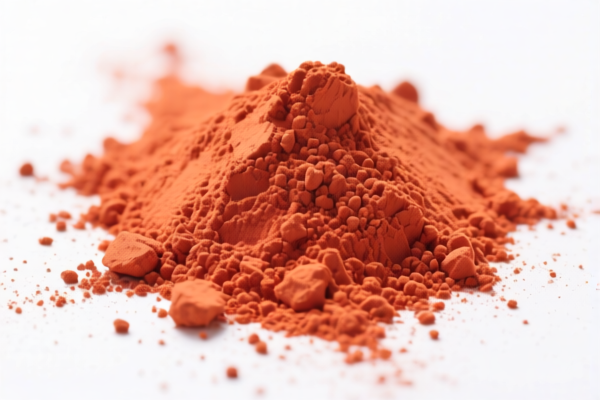
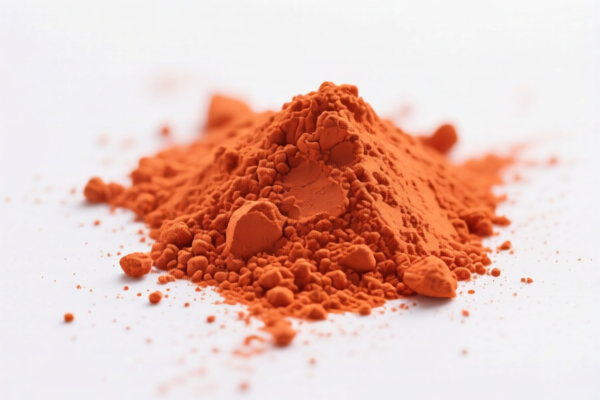
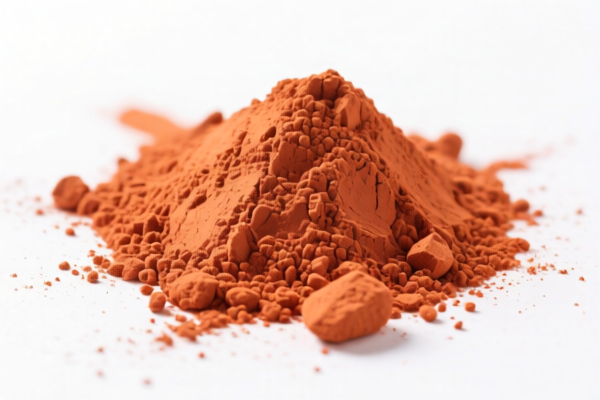
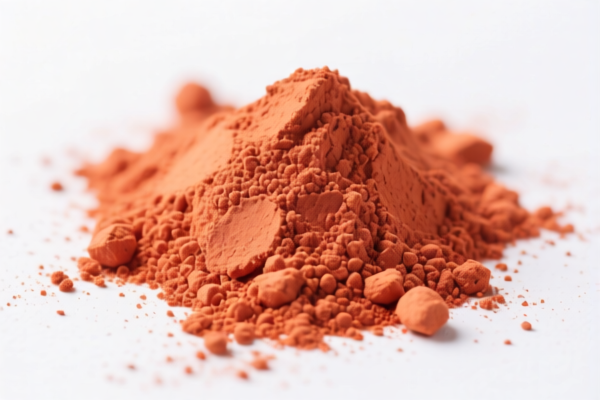
AI Analysis
🧪 Enzyme Precursor Extract (Biological & Plant-Based Substances)
🌐 HS Code Reference & Customs Clearance Guide | 2026 Latest Tariff Analysis | Professional Compliance Strategy
📌 Part 1: Product Definition & Classification: Do You Truly Understand "Enzyme Precursor Extract"?
"Enzyme Precursor Extracts" represent a complex intersection of biochemicals and plant derivatives. In international trade, classification depends entirely on the production method, source material, and final function. They are not a single commodity but a category that can fall under three distinct regulatory tracks:
1. Modified Enzymes (Biochemicals): If the extract has been processed to activate or stabilize enzyme precursors, it may be classified as a "Modified Enzyme."
2. Plant Extracts: If the source is primarily plant juice/resin and the enzyme content is incidental or natural, it falls under vegetable products.
3. Functional/Vitamin Precursors: If used specifically as a raw material for vitamin synthesis or specialized functional additives, it may be classified under chemical products.
⚠️ Key Distinction Point:
- Is it a chemically modified biological product? → Look at Chapter 35 (Albuminoidal substances; modified starches).
- Is it a natural plant derivative? → Look at Chapter 13 (Extracts of fruits, nuts, or vegetables).
- Is it a functional chemical precursor? → Look at Chapter 29 (Organic chemicals).
📦 Part 2: HS Code Classification Matrix (2026 Latest Tariff Authority)
| HS Code | Product Description | Applicability Scenario | Key Classification Criteria |
|---|---|---|---|
3507.90.20.00 |
Modified Enzymes: Preparations of enzymes (not elsewhere specified) | Enzyme precursor extracts classified as "Modified Enzymes"; fits within the category of biochemical products. | ✅ Biological/Chemical Modification |
3507.90.70.00 |
Other Modified Enzymes: Other preparations of enzymes | Enzyme precursor extracts belonging to the "Other" category within modified enzymes. | ✅ Biological/Chemical Modification |
1302.19.91.40 |
Vegetable Extracts: Other vegetable juices and extracts (not elsewhere specified) | Enzyme precursor extracts that fit the characteristics of vegetable juices and extracts. | ✅ Natural Plant Source |
1302.19.41.40 |
Other Vegetable Extracts: Other extracts of plants used primarily for perfumery, medicinal, or insecticidal purposes | Enzyme precursor extracts belonging to the "Other" sub-category under vegetable juices and extracts. | ✅ Natural Plant Source (Medicinal/Perfumery) |
2936.90.01.10 |
Vitamins & Provitamins: Other preparations of vitamins or provitamins (natural or synthetic) | Enzyme precursor extracts acting as vitamin precursors, classified as functional substances. | ✅ Functional Chemical Use |
🔍 Critical Reminder:
- Chapter 35 (3507) requires proof of enzymatic activity or modification. If the product is just raw plant material with trace enzymes, do NOT use this code.
- Chapter 13 (1302) requires proof of plant origin and that it is an extract (juice/resin/powder from plants).
- Chapter 29 (2936) is highly specific. Only use this if the extract is explicitly marketed and used as a Vitamin Precursor.
💰 Part 3: 2026 Latest Tariff Rate Breakdown (US Market: China Origin)
✅ Applicable Country: United States (US)
✅ Country of Origin: China (CN)
✅ Effective Time: Includes imports after November 10, 2025
🎯 1. 3507.90.20.00 & 3507.90.70.00 —— Modified Enzymes (Biochemical Category)
| Item | Content |
|---|---|
| Base Tariff | 0.0% (ad valorem) |
| USITC Additional Tariff (Section 301) | +25.0% |
| IEEPA Additional Tariff (122 Section) | +10.0% |
| Total Tax Rate | 35.0% |
| Tax Calculation | CIF Value × 35% |
| De Minimis Exemption | ❌ No (deny_de_minimis) |
| Legal Basis Path | USITC:3507.90.20.00 → FOOTNOTE:9903.88.01 + IEEPA:9903.01.25 |
📌 Explanation:
- The "0% Base Tariff" is standard for many biochemical preparations.
- However, due to Section 301 (25%) and IEEPA 122 Section (10%), the total burden is significant.
- These codes are not eligible for de minimis shipments (under $800).
🎯 2. 1302.19.91.40 —— Vegetable Extracts (Natural Plant Category)
| Item | Content |
|---|---|
| Base Tariff | 0.0% |
| USITC Additional Tariff (Section 301) | +7.5% |
| IEEPA Additional Tariff (122 Section) | +10.0% |
| Total Tax Rate | 17.5% |
| Tax Calculation | CIF Value × 17.5% |
| De Minimis Exemption | ❌ No |
| Legal Basis Path | USITC:1302.19.91.40 → FOOTNOTE:9903.88.01 + IEEPA:9903.01.25 |
📌 Note:
- This is a lower tax bracket compared to Modified Enzymes.
- Suitable for extracts where the primary identity is "Plant Extract," even if it contains enzyme precursors.
- Must provide evidence of plant origin (e.g., botanical identification).
🎯 3. 1302.19.41.40 —— Other Vegetable Extracts (Medicinal/Perfumery Category)
| Item | Content |
|---|---|
| Base Tariff | 1.0% |
| USITC Additional Tariff (Section 301) | +7.5% |
| IEEPA Additional Tariff (122 Section) | +10.0% |
| Total Tax Rate | 18.5% |
| Tax Calculation | CIF Value × 18.5% |
| De Minimis Exemption | ❌ No |
| Legal Basis Path | USITC:1302.19.41.40 → FOOTNOTE:9903.88.01 + IEEPA:9903.01.25 |
📌 Note:
- Slightly higher due to the 1% base tariff.
- Apply this if the extract is specifically derived from plants used for medicinal or perfumery purposes.
🎯 4. 2936.90.01.10 —— Vitamin Precursors (Functional Chemical Category)
| Item | Content |
|---|---|
| Base Tariff | 0.0% |
| USITC Additional Tariff (Section 301) | 0.0% |
| IEEPA Additional Tariff (122 Section) | +10.0% |
| Total Tax Rate | 10.0% |
| Tax Calculation | CIF Value × 10.0% |
| De Minimis Exemption | ❌ No |
| Legal Basis Path | USITC:2936.90.01.10 → IEEPA:9903.01.25 |
📌 Note:
- Lowest Tax Rate among the options, but highest risk of misclassification.
- Only applicable if the product is explicitly a Vitamin Precursor.
- If used for general enzyme production, this code will be rejected.
🛠️ Part 4: Customs Clearance Practical Advice (Battle-Tested Pitfall Guide)
✅ 1. Required Documentation Checklist (Mandatory)
| Document | Must Provide | Description |
|---|---|---|
| ✅ Product Specification Sheet | ✔️ | Must detail: Source plant, extraction method (solvent/enzymatic), active ingredient % |
| ✅ Formula/Composition Analysis | ✔️ | Must prove if it's a "Modified Enzyme" or "Plant Extract" |
| ✅ Product Photos (Label/Packaging) | ✔️ | Clear view of INCI name, CAS number, and intended use |
| ✅ Certificate of Analysis (COA) | ✔️ | Third-party lab test showing enzyme activity or plant markers |
| ✅ Commercial Invoice | ✔️ | Must state "Enzyme Precursor Extract" or "Vegetable Extract" accurately |
| ✅ Origin Certificate (CO) | ✔️ | If not from China, claim preferential rates |
| ✅ Packing List | ✔️ | Details net/gross weight and container numbers |
✅ 2. Declaration Tips (Key Mnemonic)
🔥 “Source Determines Code, Activity Defines Tax!”
| Scenario | Correct HS Code | Wrong Approach |
|---|---|---|
| Lab-modified Enzyme Precursor | 3507.90.20.00 / 3507.90.70.00 (35%) |
Misdeclare as "Plant Extract" → Audit risk |
| Natural Plant Extract (Enzyme Rich) | 1302.19.91.40 / 1302.19.41.40 (17.5%-18.5%) |
Misdeclare as "Enzyme" → Higher tax |
| Vitamin Precursor Raw Material | 2936.90.01.10 (10%) |
Misdeclare as "General Chemical" → 0% base + 25% Sec 301 = 35% |
✅ 3. Special Case Handling
| Scenario | Handling Advice |
|---|---|
| OEM Custom Enzyme Extracts | Provide client contract + R&D data to prove "Modification" vs. "Extraction" |
| Extracts for Food vs. Pharma | If for Pharma, use 1302.19.41.40; if for Food, use 1302.19.91.40 or 3507 |
| Hybrid Products (Plant + Synth) | If synthetic modification dominates, use Chapter 35. If plant is dominant, use Chapter 13 |
| Small Sample Shipments | Remember: No De Minimis for these codes. Even small shipments pay full tax. |
🌍 Part 5: Global Market Clearance Comparison (2026 Latest)
| Country/Region | Recommended HS Code | Estimated Tariff (China Origin) | Certification Requirements | Notes |
|---|---|---|---|---|
| 🇺🇸 USA | 3507.90.20.00 |
35% | FDA Registration, TSCA Compliance | High tariff; strict bio-safety checks |
| 🇨🇳 China | 3507.90.20.00 |
0% (Import Duty) | N/A | No additional S301/IEEPA taxes |
| 🇪🇺 EU | 3507.90.90 |
0% - 6.5% | REACH Registration | Complex REACH compliance needed |
| 🇯🇵 Japan | 3507.90.000 |
0% - 3.2% | FSC (Food Safety) | Strict purity standards |
📌 Conclusion:
- USA: High tariffs (35% for enzymes, ~18% for plants). Cost optimization is critical.
- EU/JP: Lower tariffs but higher regulatory barriers (REACH/FSC).
- China: Zero import duty, but strict export controls on bio-materials.
📌 Part 6: Common Errors & Pitfall Guide (Lessons Learned)
❌ Error 1: Declaring "Enzyme Precursor" as "General Protein" (3504.00)
👉 Consequence: Wrong code → Customs audit → 100% penalty + delay!
❌ Error 2: Using 2936.90.01.10 for non-vitamin enzymes
👉 Consequence: Misclassification → Back taxes + fines (Rate diff: 10% vs 35%)
❌ Error 3: Claiming "Plant Extract" for chemically synthesized precursors
👉 Consequence: Rejection → Product detained → Return/Destroy
❌ Error 4: Ignoring IEEPA 122 Section (10%)
👉 Consequence: Underpayment → 10% shortfall + interest
✅ Correct Practice:
“Enzyme Precursor Extract (Modified), CAS No. XXX-XX-X, Source: [Plant Name], Application: Industrial Biochemical”
🎯 Part 7: Conclusion: Precision Classification Saves Money!
🎯 Remember Mnemonic:
🔹 “Enzymes 35, Plants 13, Vitamins 29”
🔹 “Sec 301 bites: 25% for Enzymes, 7.5% for Plants”
🔹 “IEEPA adds 10% to all”
📌 Pro Tip:
If your extract is not from China, you may avoid IEEPA taxes.
Recommendation: Apply for a Customs Ruling before shipment to lock in the HS Code and avoid surprises at the border.
📣 Immediate Action Required:
📞 Consult a licensed customs broker
📄 Prepare COA and Source Proof
🚀 Clear customs smoothly, maximize margin!
✨ Professional Clearance Starts with Accurate Classification!
💼 Every percentage point counts!
Customer Reviews
About HS Code Classification
The Harmonized System (HS) is an internationally standardized nomenclature developed by the World Customs Organization (WCO) to classify traded products. Over 200 countries use the HS system as the basis for customs tariffs, trade statistics, and import/export regulations.
Each HS code follows a hierarchical structure:
- Chapter (2 digits) — Broad category of goods (e.g., Chapter 84: Machinery and Mechanical Appliances)
- Heading (4 digits) — More specific grouping within the chapter
- Subheading (6 digits) — Internationally standardized breakdown, used by all WCO member countries
- National subdivisions (8-10 digits) — Country-specific extensions for further classification, such as US HTSUS 10-digit codes
Correct HS code classification is essential for smooth customs clearance, accurate duty payment, and compliance with trade regulations. Misclassification can lead to customs delays, overpayment of duties, or penalties.
When importing from CN to US, the applicable tariff rates may include:
- Most-Favored-Nation (MFN) rate — The standard duty rate applied to WTO members
- General rate — Applied to countries without trade agreements
- Trade remedy duties — Additional tariffs such as Section 301 (anti-dumping), Section 232 (national security), or countervailing duties
The information provided on this page is for reference purposes only. For official classification, please consult with your local customs authority or a licensed customs broker.