Ethylene Copolymer Granules
CN → US| HS编码 | 关税税率 | 原产国 | 目的国 | 文档 |
|---|---|---|---|---|
| 3901306000 | 40.3% | CN | US | 官方文档 |
| 3901302000 | 35.0% | CN | US | 官方文档 |
| 3905290000 | 39.0% | CN | US | 官方文档 |
| 3901905501 | 41.5% | CN | US | 官方文档 |
| 3901400000 | 41.5% | CN | US | 官方文档 |
商品图片


AI分析
🧪 Ethylene Copolymer Granules (Chemical Classification & Customs Clearance Guide)
🌐 HS Code Reference & Customs Clearance Strategy | 2026 Latest Tariff Analysis | Professional Compliance Guide
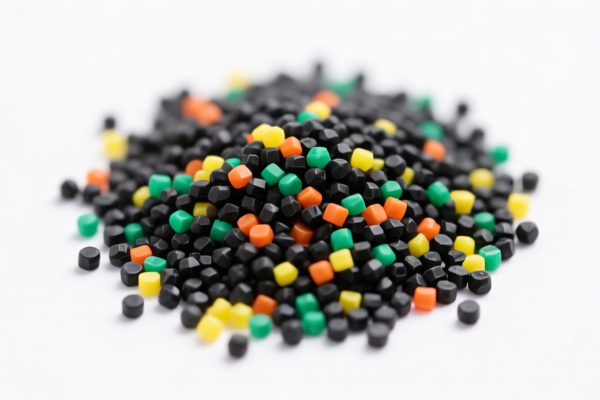
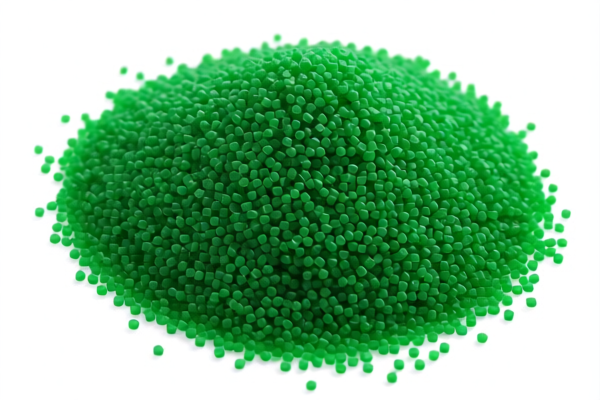
Ethylene Copolymers are a broad class of thermoplastic resins formed by polymerizing ethylene with other alpha-olefins or vinyl compounds. In international trade, precise classification depends heavily on the comonomer type (e.g., Vinyl Acetate, Propylene) and the physical form (Primary Shape/Granules).
⚠️ Key Classification Distinction:
- Vinyl Acetate Copolymers (EVA/EVAH): Often classified under Chapter 39 Heading 39.01 (depending on acetate content) or 39.05. High tariffs due to US-China trade tensions.
- Polyethylene Copolymers (POE/PEH): Classified under Chapter 39 Heading 39.01 (Ethylene polymers).
- Physical Form: "Granules" or "Primary Shapes" are treated as raw materials, not finished plastic products.
📦 1. HS Code Classification Details (Based on Provided Data)
The following table breaks down the specific HS Codes provided in the data for Ethylene/Vinyl Acetate Copolymer Granules.
| HS Code | Product Description & Summary | Key Classification Features |
|---|---|---|
| 3901.30.60.00 | Vinyl Acetate Copolymer Granules Made of Vinyl Acetate Copolymer, granular form, meeting primary shape characteristics. |
• Material: Vinyl Acetate Copolymer • Form: Granules • Status: Primary Shape |
| 3901.30.20.00 | Vinyl Acetate Copolymer Granules Consistent with Ethylene-Vinyl Acetate (EVA) category. |
• Material: Vinyl Acetate Copolymer • Form: Granules • Category: EVA-type |
| 3905.29.00.00 | Vinyl Acetate Copolymer Granules Primary shape/virgin product category. |
• Material: Vinyl Acetate Copolymer • Form: Granules • Chapter: 39.05 (Other Vinyl Polymers) |
| 3901.90.55.01 | Polyethylene Copolymer Material: Polyethylene Copolymer, Primary Shape. |
• Material: Polyethylene Copolymer • Form: Primary Shape • Distinction: Not Vinyl Acetate based |
| 3901.40.00.00 | Ethylene Copolymer Material: Ethylene Copolymer, Primary Shape. |
• Material: Ethylene Copolymer • Form: Primary Shape • Generic Ethylene Category |
🔍 Critical Note:
- 3901.30 series specifically targets Vinyl Acetate Copolymers (EVA).
- 3901.40/55 series targets Other Ethylene Polymers/Copolymers (e.g., Ethylene-Propylene, Ethylene-Butene).
- Misclassification between "Vinyl Acetate" (3901.30/3905) and "Other Ethylene" (3901.40/55) can lead to significant duty differences and compliance risks.
💰 2. 2026 Latest Tariff Rate Breakdown (US Market Focus)
✅ Applicable Country: United States (US)
✅ Origin: China (CN)
✅ Effective Date: 2025-11-10 onwards
🎯 1. HS Code 3901.30.60.00 — Vinyl Acetate Copolymer Granules
| Item | Detail |
|---|---|
| Base Tariff | 5.3% |
| Additional Tariff (Section 301) | +25.0% |
| 122 Clause Tariff (IEEPA) | +10.0% |
| Total Effective Rate | 40.3% |
| Calculation | (CIF Value × 5.3%) + (CIF Value × 25.0%) + (CIF Value × 10.0%) |
| De Minimis Exemption | ❌ NOT APPLICABLE (High risk of seizure or penalty) |
| Legal Pathway | USITC:3901.30.60.00 → SECTION301:25% → IEEPA:122Clause:10% |
📌 Explanation:
- This is a high-tariff item. The 35% add-on tariffs (25% + 10%) make the total cost of goods sold (COGS) significantly higher. - "122 Clause" refers to recent executive orders targeting specific Chinese chemical imports.
🎯 2. HS Code 3901.30.20.00 — Vinyl Acetate Copolymer (EVA Type)
| Item | Detail |
|---|---|
| Base Tariff | 0.0% |
| Additional Tariff (Section 301) | +25.0% |
| 122 Clause Tariff (IEEPA) | +10.0% |
| Total Effective Rate | 35.0% |
| Calculation | CIF Value × 35.0% |
| De Minimis Exemption | ❌ NOT APPLICABLE |
📌 Explanation:
- Even with a 0% base tariff, the 35% additional duty remains heavy. - This code is often used for specific EVA grades. Ensure your product data sheet explicitly states "EVA" or "Ethylene-Vinyl Acetate" to justify this code.
🎯 3. HS Code 3905.29.00.00 — Other Vinyl Acetate Copolymers
| Item | Detail |
|---|---|
| Base Tariff | 4.0% |
| Additional Tariff (Section 301) | +25.0% |
| 122 Clause Tariff (IEEPA) | +10.0% |
| Total Effective Rate | 39.0% |
| Calculation | CIF Value × 39.0% |
| De Minimis Exemption | ❌ NOT APPLICABLE |
📌 Explanation:
- If the product is classified under Chapter 39.05 (Other Vinyl Polymers) rather than 39.01, the base rate changes, but the 35% add-on still applies. - This is common for copolymers with high vinyl acetate content that don't fit the strict definition of 3901.30.
🎯 4. HS Code 3901.90.55.01 & 3901.40.00.00 — Polyethylene/Ethylene Copolymers
| Item | Detail |
|---|---|
| Base Tariff | 6.5% |
| Additional Tariff (Section 301) | +25.0% |
| 122 Clause Tariff (IEEPA) | +10.0% |
| Total Effective Rate | 41.5% |
| Calculation | CIF Value × 41.5% |
| De Minimis Exemption | ❌ NOT APPLICABLE |
📌 Explanation:
- These codes apply to non-Vinyl Acetate ethylene copolymers (e.g., Ethylene-Propylene). - Highest total rate (41.5%) among the listed options. - Ensure the chemical composition does NOT contain Vinyl Acetate; if it does, this classification is incorrect and risky.
🛠️ 3. Customs Clearance Practical Advice (Real-World Pitfalls)
✅ 1. Required Documentation Checklist (Non-Negotiable)
| Document | Mandatory? | Why It Matters |
|---|---|---|
| ✅ Product Specification Sheet | ✔️ | Must list Monomer Type (Ethylene + Which Copolymer?), Melt Flow Index (MFI), Density, and Acetate Content % (if EVA). |
| ✅ Certificate of Analysis (COA) | ✔️ | Proves chemical composition matches the declared HS Code. |
| ✅ Chemical Structure Diagram | ✔️ | Distinguishes between EVA (3901.30) and other PE copolymers (3901.40/55). |
| ✅ Bill of Lading / Commercial Invoice | ✔️ | Must match the product name exactly (e.g., "Ethylene-Vinyl Acetate Copolymer Granules"). Avoid vague terms like "Plastic Pellets." |
| ✅ Origin Certificate (CO) | ✔️ | Confirms Chinese origin to assess 301/122 Clause applicability. |
| ✅ SDS (Safety Data Sheet) | ✔️ | Required for hazardous material review (though granules are generally low risk, SDS is standard). |
✅ 2. Declaration Strategy (Key Tips)
🔥 “Be Specific, Be Chemical, Be Accurate!”
| Scenario | Correct Declaration | Wrong Declaration | Consequence |
|---|---|---|---|
| EVA Granules | "Ethylene-Vinyl Acetate Copolymer, Granular, Primary Shape" | "Plastic Granules" or "Vinyl Acetate Resin" | Ambiguity leads to audits and misclassification penalties. |
| POE (Polyolefin Elastomer) | "Ethylene-Octene Copolymer, Granular" | "Polyethylene Copolymer" | Over-generalization may trigger additional scrutiny. |
| Mixed Shipments | Separate line items for each HS Code | One line item for "Mixed Plastics" | Refusal of Entry or forced unmixing at warehouse. |
✅ 3. Special Handling for "122 Clause" Products
- Strict Prohibition on Transshipment: Do not try to reroute through Vietnam or Malaysia to avoid the 10% IEEPA 122 Clause tariff. US Customs (CBP) conducts rigorous country-of-origin investigations.
- Supply Chain Transparency: Be prepared to provide proof of manufacturing process and raw material sourcing if questioned.
- Cost Absorption: With total tariffs ranging from 35% to 41.5%, ensure your pricing strategy accounts for this. The margin for error is minimal.
🌍 4. Global Market Comparison (2026)
| Market | Recommended HS Code (Example) | Approx. Duty Rate | Notes |
|---|---|---|---|
| 🇺🇸 USA | 3901.30.60.00 / 3901.40.00.00 |
35.0% - 41.5% | Includes 301 Tariffs + IEEPA 122 Clause. Very High. |
| 🇨🇳 China | Same HS Codes | ~5.3% - 6.5% | Low base duty, no additional penalties for domestic use. |
| 🇪🇺 EU | 3901.30 / 3901.40 |
~6.5% | No Section 301 or IEEPA equivalent. Much Lower. |
| 🇯🇵 Japan | 3901.30 / 3901.40 |
~5.0% - 7.0% | No additional punitive tariffs. |
📌 Strategic Insight:
- The US market is exceptionally expensive for Chinese-made ethylene copolymers due to layered tariffs. - If selling to the US, consider pricing adjustments or sourcing from non-China origins (e.g., Middle East, Southeast Asia) to mitigate tariff risks. - For domestic use in China or export to EU/Japan, the cost impact is negligible.
📌 5. Common Errors & Pitfalls (Blood Lessons)
❌ Error 1: Calling all "Ethylene Copolymers" the same.
👉 Risk: EVA (3901.30) vs. POE (3901.40) have different base rates and regulatory treatments. Misclassification leads to back-taxes.
❌ Error 2: Ignoring the "122 Clause".
👉 Risk: Assuming only 301 tariffs apply. The 10% IEEPA tariff is new and mandatory for many chemical inputs from China. Total cost is underestimated.
❌ Error 3: Vague Product Names.
👉 Risk: Declaring "Plastic Pellets" invites CBP examination. CBP may reclassify based on physical inspection, leading to higher duties and delays.
❌ Error 4: Attempting De Minimis (Section 321) Entry.
👉 Risk: HS Codes in Chapter 39 with high tariffs are explicitly excluded from de minimis benefits. Package seizure is highly likely.
🎯 6. Conclusion: Precision is Profit
🎯 Key Takeaways:
🔹 Identify the Monomer: Is it Vinyl Acetate (EVA) or another Olefin? This determines the 4-digit HS Code (3901.30 vs. 3901.40/55). 🔹 Calculate Total Landed Cost: Base Duty + 25% (301) + 10% (122 Clause) = 35% - 41.5%. 🔹 Document Everything: COA, SDS, and precise chemical descriptions are your best defense against audits. 🔹 Think Globally: If US tariffs are too high, explore EU/Japan markets or alternative supply chains.
📣 Immediate Action Items:
- Verify Chemical Composition with your R&D/Production team.
- Select the Correct HS Code from the table above.
- Calculate Landed Cost including the full 35-41.5% tariff burden.
- Consult a Customs Broker for an Advance Ruling if unsure.
✨ Professional clearance starts with accurate classification!
💼 Every percentage point matters in the chemical trade!
用户评价
关于 HS 编码归类
协调制度(HS)是由世界海关组织(WCO)制定的国际贸易商品分类标准。全球 200 多个国家采用 HS 系统作为海关关税、贸易统计和进出口监管的基础。
每个 HS 编码遵循以下层级结构:
- 章(2 位)——商品大类(例如:第 84 章:机器和机械设备)
- 品目(4 位)——章内的更具体分类
- 子目(6 位)——国际通用细分,所有 WCO 成员国统一使用
- 本国细分(8-10 位)——各国自行扩展的细分编码,如美国 HTSUS 10 位编码
正确的 HS 编码归类对于顺利通关、准确缴纳关税和遵守贸易法规至关重要。错误归类可能导致海关延误、多缴关税或罚款。
从CN进口到US时,适用的关税税率可能包括:
- 最惠国(MFN)税率——适用于 WTO 成员国的标准关税税率
- 普通税率——适用于无贸易协定国家
- 贸易救济关税——附加关税,如 301 条款(反倾销)、232 条款(国家安全)或反补贴税
本页内容仅供参考。如需正式归类,请咨询当地海关或持牌报关代理。