Ethylene Copolymer Granules
CN → US| HS Code | Tariff Rate | Origin | Destination | Doc |
|---|---|---|---|---|
| 3901306000 | 40.3% | CN | US | Official Doc |
| 3901302000 | 35.0% | CN | US | Official Doc |
| 3905290000 | 39.0% | CN | US | Official Doc |
| 3901905501 | 41.5% | CN | US | Official Doc |
| 3901400000 | 41.5% | CN | US | Official Doc |
Product Images


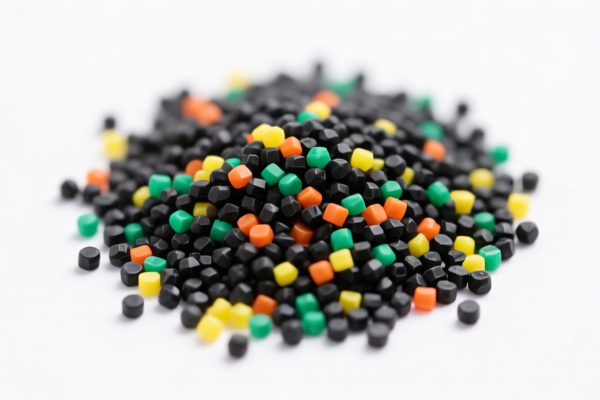
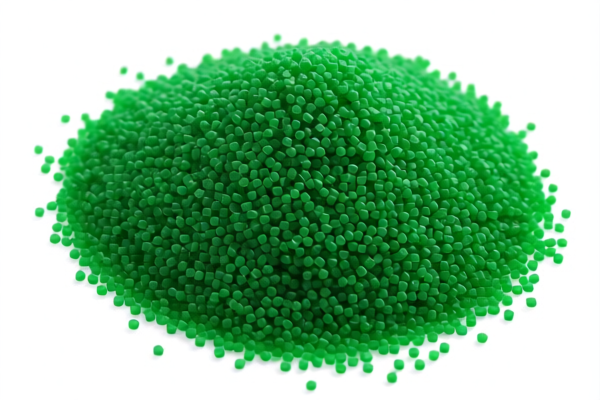
AI Analysis
🧪 Ethylene Copolymer Granules (Chemical Classification & Customs Clearance Guide)
🌐 HS Code Reference & Customs Clearance Strategy | 2026 Latest Tariff Analysis | Professional Compliance Guide
Ethylene Copolymers are a broad class of thermoplastic resins formed by polymerizing ethylene with other alpha-olefins or vinyl compounds. In international trade, precise classification depends heavily on the comonomer type (e.g., Vinyl Acetate, Propylene) and the physical form (Primary Shape/Granules).
⚠️ Key Classification Distinction:
- Vinyl Acetate Copolymers (EVA/EVAH): Often classified under Chapter 39 Heading 39.01 (depending on acetate content) or 39.05. High tariffs due to US-China trade tensions.
- Polyethylene Copolymers (POE/PEH): Classified under Chapter 39 Heading 39.01 (Ethylene polymers).
- Physical Form: "Granules" or "Primary Shapes" are treated as raw materials, not finished plastic products.
📦 1. HS Code Classification Details (Based on Provided Data)
The following table breaks down the specific HS Codes provided in the data for Ethylene/Vinyl Acetate Copolymer Granules.
| HS Code | Product Description & Summary | Key Classification Features |
|---|---|---|
| 3901.30.60.00 | Vinyl Acetate Copolymer Granules Made of Vinyl Acetate Copolymer, granular form, meeting primary shape characteristics. |
• Material: Vinyl Acetate Copolymer • Form: Granules • Status: Primary Shape |
| 3901.30.20.00 | Vinyl Acetate Copolymer Granules Consistent with Ethylene-Vinyl Acetate (EVA) category. |
• Material: Vinyl Acetate Copolymer • Form: Granules • Category: EVA-type |
| 3905.29.00.00 | Vinyl Acetate Copolymer Granules Primary shape/virgin product category. |
• Material: Vinyl Acetate Copolymer • Form: Granules • Chapter: 39.05 (Other Vinyl Polymers) |
| 3901.90.55.01 | Polyethylene Copolymer Material: Polyethylene Copolymer, Primary Shape. |
• Material: Polyethylene Copolymer • Form: Primary Shape • Distinction: Not Vinyl Acetate based |
| 3901.40.00.00 | Ethylene Copolymer Material: Ethylene Copolymer, Primary Shape. |
• Material: Ethylene Copolymer • Form: Primary Shape • Generic Ethylene Category |
🔍 Critical Note:
- 3901.30 series specifically targets Vinyl Acetate Copolymers (EVA).
- 3901.40/55 series targets Other Ethylene Polymers/Copolymers (e.g., Ethylene-Propylene, Ethylene-Butene).
- Misclassification between "Vinyl Acetate" (3901.30/3905) and "Other Ethylene" (3901.40/55) can lead to significant duty differences and compliance risks.
💰 2. 2026 Latest Tariff Rate Breakdown (US Market Focus)
✅ Applicable Country: United States (US)
✅ Origin: China (CN)
✅ Effective Date: 2025-11-10 onwards
🎯 1. HS Code 3901.30.60.00 — Vinyl Acetate Copolymer Granules
| Item | Detail |
|---|---|
| Base Tariff | 5.3% |
| Additional Tariff (Section 301) | +25.0% |
| 122 Clause Tariff (IEEPA) | +10.0% |
| Total Effective Rate | 40.3% |
| Calculation | (CIF Value × 5.3%) + (CIF Value × 25.0%) + (CIF Value × 10.0%) |
| De Minimis Exemption | ❌ NOT APPLICABLE (High risk of seizure or penalty) |
| Legal Pathway | USITC:3901.30.60.00 → SECTION301:25% → IEEPA:122Clause:10% |
📌 Explanation:
- This is a high-tariff item. The 35% add-on tariffs (25% + 10%) make the total cost of goods sold (COGS) significantly higher. - "122 Clause" refers to recent executive orders targeting specific Chinese chemical imports.
🎯 2. HS Code 3901.30.20.00 — Vinyl Acetate Copolymer (EVA Type)
| Item | Detail |
|---|---|
| Base Tariff | 0.0% |
| Additional Tariff (Section 301) | +25.0% |
| 122 Clause Tariff (IEEPA) | +10.0% |
| Total Effective Rate | 35.0% |
| Calculation | CIF Value × 35.0% |
| De Minimis Exemption | ❌ NOT APPLICABLE |
📌 Explanation:
- Even with a 0% base tariff, the 35% additional duty remains heavy. - This code is often used for specific EVA grades. Ensure your product data sheet explicitly states "EVA" or "Ethylene-Vinyl Acetate" to justify this code.
🎯 3. HS Code 3905.29.00.00 — Other Vinyl Acetate Copolymers
| Item | Detail |
|---|---|
| Base Tariff | 4.0% |
| Additional Tariff (Section 301) | +25.0% |
| 122 Clause Tariff (IEEPA) | +10.0% |
| Total Effective Rate | 39.0% |
| Calculation | CIF Value × 39.0% |
| De Minimis Exemption | ❌ NOT APPLICABLE |
📌 Explanation:
- If the product is classified under Chapter 39.05 (Other Vinyl Polymers) rather than 39.01, the base rate changes, but the 35% add-on still applies. - This is common for copolymers with high vinyl acetate content that don't fit the strict definition of 3901.30.
🎯 4. HS Code 3901.90.55.01 & 3901.40.00.00 — Polyethylene/Ethylene Copolymers
| Item | Detail |
|---|---|
| Base Tariff | 6.5% |
| Additional Tariff (Section 301) | +25.0% |
| 122 Clause Tariff (IEEPA) | +10.0% |
| Total Effective Rate | 41.5% |
| Calculation | CIF Value × 41.5% |
| De Minimis Exemption | ❌ NOT APPLICABLE |
📌 Explanation:
- These codes apply to non-Vinyl Acetate ethylene copolymers (e.g., Ethylene-Propylene). - Highest total rate (41.5%) among the listed options. - Ensure the chemical composition does NOT contain Vinyl Acetate; if it does, this classification is incorrect and risky.
🛠️ 3. Customs Clearance Practical Advice (Real-World Pitfalls)
✅ 1. Required Documentation Checklist (Non-Negotiable)
| Document | Mandatory? | Why It Matters |
|---|---|---|
| ✅ Product Specification Sheet | ✔️ | Must list Monomer Type (Ethylene + Which Copolymer?), Melt Flow Index (MFI), Density, and Acetate Content % (if EVA). |
| ✅ Certificate of Analysis (COA) | ✔️ | Proves chemical composition matches the declared HS Code. |
| ✅ Chemical Structure Diagram | ✔️ | Distinguishes between EVA (3901.30) and other PE copolymers (3901.40/55). |
| ✅ Bill of Lading / Commercial Invoice | ✔️ | Must match the product name exactly (e.g., "Ethylene-Vinyl Acetate Copolymer Granules"). Avoid vague terms like "Plastic Pellets." |
| ✅ Origin Certificate (CO) | ✔️ | Confirms Chinese origin to assess 301/122 Clause applicability. |
| ✅ SDS (Safety Data Sheet) | ✔️ | Required for hazardous material review (though granules are generally low risk, SDS is standard). |
✅ 2. Declaration Strategy (Key Tips)
🔥 “Be Specific, Be Chemical, Be Accurate!”
| Scenario | Correct Declaration | Wrong Declaration | Consequence |
|---|---|---|---|
| EVA Granules | "Ethylene-Vinyl Acetate Copolymer, Granular, Primary Shape" | "Plastic Granules" or "Vinyl Acetate Resin" | Ambiguity leads to audits and misclassification penalties. |
| POE (Polyolefin Elastomer) | "Ethylene-Octene Copolymer, Granular" | "Polyethylene Copolymer" | Over-generalization may trigger additional scrutiny. |
| Mixed Shipments | Separate line items for each HS Code | One line item for "Mixed Plastics" | Refusal of Entry or forced unmixing at warehouse. |
✅ 3. Special Handling for "122 Clause" Products
- Strict Prohibition on Transshipment: Do not try to reroute through Vietnam or Malaysia to avoid the 10% IEEPA 122 Clause tariff. US Customs (CBP) conducts rigorous country-of-origin investigations.
- Supply Chain Transparency: Be prepared to provide proof of manufacturing process and raw material sourcing if questioned.
- Cost Absorption: With total tariffs ranging from 35% to 41.5%, ensure your pricing strategy accounts for this. The margin for error is minimal.
🌍 4. Global Market Comparison (2026)
| Market | Recommended HS Code (Example) | Approx. Duty Rate | Notes |
|---|---|---|---|
| 🇺🇸 USA | 3901.30.60.00 / 3901.40.00.00 |
35.0% - 41.5% | Includes 301 Tariffs + IEEPA 122 Clause. Very High. |
| 🇨🇳 China | Same HS Codes | ~5.3% - 6.5% | Low base duty, no additional penalties for domestic use. |
| 🇪🇺 EU | 3901.30 / 3901.40 |
~6.5% | No Section 301 or IEEPA equivalent. Much Lower. |
| 🇯🇵 Japan | 3901.30 / 3901.40 |
~5.0% - 7.0% | No additional punitive tariffs. |
📌 Strategic Insight:
- The US market is exceptionally expensive for Chinese-made ethylene copolymers due to layered tariffs. - If selling to the US, consider pricing adjustments or sourcing from non-China origins (e.g., Middle East, Southeast Asia) to mitigate tariff risks. - For domestic use in China or export to EU/Japan, the cost impact is negligible.
📌 5. Common Errors & Pitfalls (Blood Lessons)
❌ Error 1: Calling all "Ethylene Copolymers" the same.
👉 Risk: EVA (3901.30) vs. POE (3901.40) have different base rates and regulatory treatments. Misclassification leads to back-taxes.
❌ Error 2: Ignoring the "122 Clause".
👉 Risk: Assuming only 301 tariffs apply. The 10% IEEPA tariff is new and mandatory for many chemical inputs from China. Total cost is underestimated.
❌ Error 3: Vague Product Names.
👉 Risk: Declaring "Plastic Pellets" invites CBP examination. CBP may reclassify based on physical inspection, leading to higher duties and delays.
❌ Error 4: Attempting De Minimis (Section 321) Entry.
👉 Risk: HS Codes in Chapter 39 with high tariffs are explicitly excluded from de minimis benefits. Package seizure is highly likely.
🎯 6. Conclusion: Precision is Profit
🎯 Key Takeaways:
🔹 Identify the Monomer: Is it Vinyl Acetate (EVA) or another Olefin? This determines the 4-digit HS Code (3901.30 vs. 3901.40/55). 🔹 Calculate Total Landed Cost: Base Duty + 25% (301) + 10% (122 Clause) = 35% - 41.5%. 🔹 Document Everything: COA, SDS, and precise chemical descriptions are your best defense against audits. 🔹 Think Globally: If US tariffs are too high, explore EU/Japan markets or alternative supply chains.
📣 Immediate Action Items:
- Verify Chemical Composition with your R&D/Production team.
- Select the Correct HS Code from the table above.
- Calculate Landed Cost including the full 35-41.5% tariff burden.
- Consult a Customs Broker for an Advance Ruling if unsure.
✨ Professional clearance starts with accurate classification!
💼 Every percentage point matters in the chemical trade!
Customer Reviews
About HS Code Classification
The Harmonized System (HS) is an internationally standardized nomenclature developed by the World Customs Organization (WCO) to classify traded products. Over 200 countries use the HS system as the basis for customs tariffs, trade statistics, and import/export regulations.
Each HS code follows a hierarchical structure:
- Chapter (2 digits) — Broad category of goods (e.g., Chapter 84: Machinery and Mechanical Appliances)
- Heading (4 digits) — More specific grouping within the chapter
- Subheading (6 digits) — Internationally standardized breakdown, used by all WCO member countries
- National subdivisions (8-10 digits) — Country-specific extensions for further classification, such as US HTSUS 10-digit codes
Correct HS code classification is essential for smooth customs clearance, accurate duty payment, and compliance with trade regulations. Misclassification can lead to customs delays, overpayment of duties, or penalties.
When importing from CN to US, the applicable tariff rates may include:
- Most-Favored-Nation (MFN) rate — The standard duty rate applied to WTO members
- General rate — Applied to countries without trade agreements
- Trade remedy duties — Additional tariffs such as Section 301 (anti-dumping), Section 232 (national security), or countervailing duties
The information provided on this page is for reference purposes only. For official classification, please consult with your local customs authority or a licensed customs broker.