Fatty Acid Mixture Pine Oil Source
CN → US| HS编码 | 关税税率 | 原产国 | 目的国 | 文档 |
|---|---|---|---|---|
| 3403112000 | 35.2% | CN | US | 官方文档 |
| 3824994140 | 39.6% | CN | US | 官方文档 |
| 3403114000 | 41.1% | CN | US | 官方文档 |
| 3824994190 | 39.6% | CN | US | 官方文档 |
商品图片
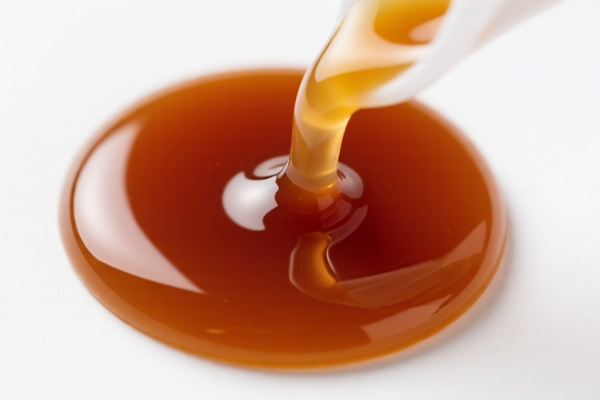
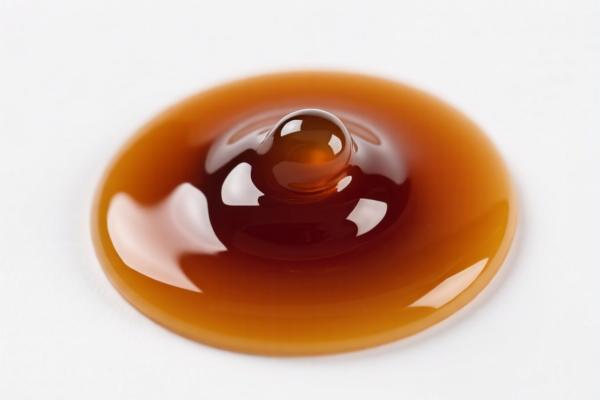
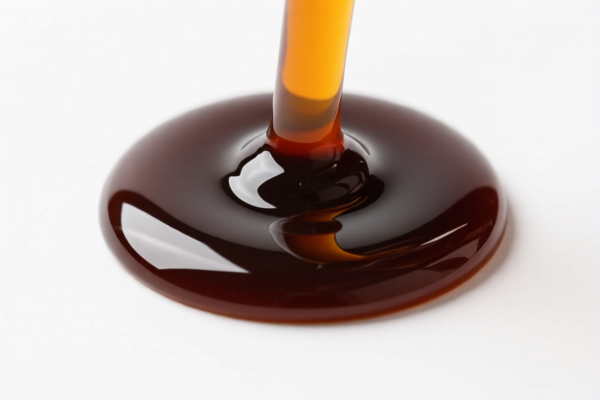
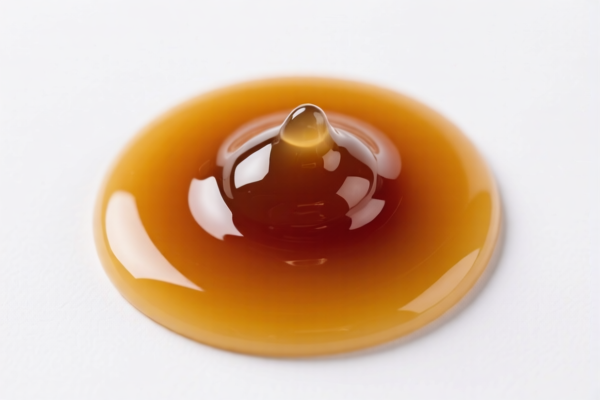
AI分析
🌲 Pine Oil Fatty Acid Derivatives: HS Code Classification & Customs Clearance Guide (2026)
🌐 HS Code Reference & Customs Clearance Strategy | 2026 Latest Tariff Analysis | Professional Entry Strategy
📌 1. Product Definition & Classification: What exactly is "Pine Oil Fatty Acid Derivative"?
Pine oil fatty acid derivatives are chemical substances obtained through the processing of pine oil (derived from pine resin/wood distillation) or pine fatty acids. In international trade, these substances are complex because they sit at the intersection of vegetable oils/fats, mineral oil preparations, and organic chemical products.
The classification depends heavily on two factors: 1. Chemical Nature: Is it primarily a fatty acid ester mixture? 2. Functional Use: Is it used for treating textile materials, lubricating, or as a chemical intermediate?
⚠️ Key Distinction Point: - If the product is primarily used for textile treatment or has properties similar to petroleum/mineral oils (even if derived from pine), it may fall under HS 3403. - If the product is primarily a mixture of fatty acid esters or derived from plant oils, it may fall under HS 3824. - Crucial Warning: Do not assume "Pine Oil" always means "Plant Oil." If it is processed to resemble mineral oil for lubrication/treatment, customs may classify it as a mineral oil derivative.
📦 2. HS Code Classification Details (2026 Latest Tariff Authority Comparison)
Based on the provided data, there are four potential HS Codes for "Pine Oil Fatty Acid Derivatives." Here is the detailed breakdown:
| HS Code | Product Description | Rationale & Logic | Total Tax Rate |
|---|---|---|---|
3403.11.20.00 |
Preparations for treating textile materials; Mineral Oil or Petroleum Oil Basis | Logic: Derived from pine fatty acids but functionally classified as "oils or preparations of a kind used for treating textile materials." Fits the logic of HS 3403.11 regarding potential use. | 35.2% |
3824.99.41.40 |
Mixture of fatty acid esters; Other chemical products | Logic: Material-based classification. Pine fatty acid derivatives are recognized as "mixtures of fatty acid esters." Fits the material characteristic of fatty acid derivatives. | 39.6% |
3403.11.40.00 |
Preparations for treating textile materials; Higher Oil Content Basis | Logic: Organic chemical preparation based on material inference. Does not conflict with high petroleum-based oil content (≥70%). Fits the logical inference of organic chemical agents. | 41.1% |
3824.99.41.90 |
Other chemical products; Animal or Plant Origin Fats | Logic: Pine oil/resin is a plant-derived substance. Its derivatives fit the material characteristic of "animal or plant-origin fat substances and their mixtures." | 39.6% |
🔍 Important Note: - HS 3403 Codes are generally preferred if the product is used for treating textiles or acts as a lubricant/treatment agent similar to mineral oils. - HS 3824 Codes are preferred if the product is used as a chemical intermediate or additive where the plant-origin fatty acid characteristic is the primary defining feature. - Tax Difference: The tax rate varies from 35.2% to 41.1% depending on the specific HS code and the detailed tax composition.
💰 3. 2026 Latest Tariff Rate Breakdown (Including Surtaxes & Policy Add-ons)
✅ Applicable Country: United States (US) ✅ Origin: China (CN) ✅ Effective Time: From November 10, 2025 (including subsequent imports)
🎯 1. 3403.11.20.00 — Textile Treatment Preparations (Mineral/Petroleum Logic)
| Item | Content |
|---|---|
| Base Duty Rate | 0.2% (ad valorem) |
| Section 301 Surtax | +25.0% (from USITC Footnote regarding Section 301 tariffs) |
| Section 122 Tariff | +10.0% (Specific tariff under Section 122) |
| Total Tax Rate | 35.2% |
| Tax Calculation | CIF Value × 35.2% |
| De Minimis Exemption | ❌ Not Applicable (High surtaxes usually exclude de minimis benefits) |
| Legal Basis Path | Base: 3403.11.20.00 → Surtax: 25% → Sec 122: 10% |
📌 Explanation: - "Base Duty 0.2%": The standard MFN duty for this specific subheading is minimal. - "Section 301 25%": The primary trade war surtax on Chinese goods in this category. - "Section 122 10%": An additional specific tariff applied to certain chemical/industrial products. - Total 35.2%: This is a high tariff category. Importers must factor this into cost calculations.
🎯 2. 3824.99.41.40 — Fatty Acid Ester Mixtures
| Item | Content |
|---|---|
| Base Duty Rate | 4.6% (ad valorem) |
| Section 301 Surtax | +25.0% |
| Section 122 Tariff | +10.0% |
| Total Tax Rate | 39.6% |
| Tax Calculation | CIF Value × 39.6% |
| De Minimis Exemption | ❌ Not Applicable |
| Legal Basis Path | Base: 3824.99.41.40 → Surtax: 25% → Sec 122: 10% |
📌 Note: - Higher base duty (4.6%) compared to HS 3403. - Suitable if the product is strictly defined as a fatty acid ester mixture without primary textile treatment function.
🎯 3. 3403.11.40.00 — Textile Treatment Preparations (Organic Logic)
| Item | Content |
|---|---|
| Base Duty Rate | 6.1% (ad valorem) |
| Section 301 Surtax | +25.0% |
| Section 122 Tariff | +10.0% |
| Total Tax Rate | 41.1% |
| Tax Calculation | CIF Value × 41.1% |
| De Minimis Exemption | ❌ Not Applicable |
| Legal Basis Path | Base: 3403.11.40.00 → Surtax: 25% → Sec 122: 10% |
📌 Warning: - This is the highest tax rate among the four options (41.1%). - Applies if the product is classified as an organic chemical preparation for textile treatment with a higher base duty. - Recommendation: Avoid this code if other viable options exist, as it increases cost by ~5.9% compared to
3403.11.20.00.
🎯 4. 3824.99.41.90 — Plant-Origin Fat Mixtures
| Item | Content |
|---|---|
| Base Duty Rate | 4.6% (ad valorem) |
| Section 301 Surtax | +25.0% |
| Section 122 Tariff | +10.0% |
| Total Tax Rate | 39.6% |
| Tax Calculation | CIF Value × 39.6% |
| De Minimis Exemption | ❌ Not Applicable |
| Legal Basis Path | Base: 3824.99.41.90 → Surtax: 25% → Sec 122: 10% |
📌 Note: - Same tax rate as
3824.99.41.40(39.6%). - Applicable if the emphasis is on the plant origin (pine resin) of the fatty acid mixture. - Useful for products where the "chemical product" aspect is dominant, but the source is clearly botanical.
🛠️ 4. Customs Clearance Practical Advice (实战避坑指南)
✅ 1. Documentation Checklist (Essential)
| Document | Required | Explanation |
|---|---|---|
| ✅ Product Specification Sheet | ✔️ | Must clearly state chemical composition, CAS numbers (if applicable), and primary use (e.g., textile treatment, lubricant, chemical intermediate). |
| ✅ Technical Data Sheet (TDS) | ✔️ | Details on viscosity, density, and fatty acid profile. Helps justify HS 3824 (fatty acid) vs. 3403 (treatment prep). |
| ✅ Product Photos | ✔️ | Clear images of the container, label, and product state (liquid/paste). |
| ✅ Commercial Invoice | ✔️ | Must describe the goods accurately: e.g., "Pine Fatty Acid Ester Mixture for Textile Treatment" or "Plant-Derived Fatty Acid Derivative." Avoid vague terms like "Chemical." |
| ✅ Bill of Lading | ✔️ | Match with invoice and packing list. |
| ✅ Certificate of Origin (CO) | ✔️ | Proves Chinese origin, triggering the 25% + 10% surtaxes. |
✅ 2. Declaration Tips (Key Mnemonic)
🔥 "Function dictates HS 3403, Material dictates HS 3824, Base Duty + 35% = Total Cost!"
| Scenario | Correct Declaration | Wrong Practice |
|---|---|---|
| Product used for treating textiles or as a lubricant | 3403.11.20.00 or 3403.11.40.00 |
Misdeclare as chemical intermediate → Risk of reclassification & penalties. |
| Product is a mixture of fatty acid esters for chemical use | 3824.99.41.40 |
Misdeclare as textile aid → Incorrect tax base. |
| Product is clearly plant-derived (pine resin) | 3824.99.41.90 |
Misdeclare as mineral oil derivative → Higher base duty risk. |
| Packaging | Declare as a single unit | Splitting "pine oil" and "fatty acid" into separate lines → Complex clearance, higher risk. |
✅ 3. Special Situations
| Situation | Handling Advice |
|---|---|
| OEM/Private Label | Provide manufacturer’s certificate. Ensure the chemical description matches the supplier’s TDS. |
| Mixed Origin | If the pine oil is sourced from multiple countries, ensure the CO reflects the final country of origin (China). |
| Disputed Classification | If Customs questions the 3403 vs. 3824 classification, provide a laboratory analysis report proving the primary function (treatment) or composition (fatty acids). |
| Small Sample Shipments | Even samples are subject to tariffs. Do not rely on "de minimis" (Section 321) if the value is high or if specific exclusions apply. |
🌍 5. Global Market Comparison (2026 Latest)
| Country/Region | Recommended HS Code | Tariff (China Origin) | Certification Requirements | Notes |
|---|---|---|---|---|
| 🇺🇸 USA | 3403.11.20.00 (Preferred) |
35.2% | None specific, but TDS required | Highest surtax (25% + 10%). Critical to justify HS 3403 for lower base duty. |
| 🇨🇳 China | 3403.11.20.00 |
Varies (Import Duty) | CCC (if applicable) | Domestic production may have different tax structures. |
| 🇪🇺 EU | 3824.99.99 (Similar) |
~4-6% | REACH Registration | EU does not have Section 301/122 tariffs, but requires strict chemical compliance (REACH). |
| 🇬🇧 UK | 3403.11.00 |
~5-6% | UK REACH | Post-Brexit rules apply. No US-style surtaxes. |
| 🇯🇵 Japan | 3403.11.00 |
~5% | JLIS | No major trade war tariffs. |
📌 Conclusion: - The US is the most challenging market for these products due to the 35.2% - 41.1% total tax burden. - China-origin pine fatty acid derivatives face significant cost disadvantages in the US market compared to EU or Asian markets. - Strategy: Consider pricing in the tariff or exploring duty-drawback programs if re-exporting.
📌 6. Common Errors & Pitfalls (Lessons Learned)
❌ Error 1: Declaring as "Pine Oil" without specifying "Fatty Acid Derivative" 👉 Consequence: Customs may classify under a different, potentially higher-tariff code for essential oils.
❌ Error 2: Assuming "Plant Oil" = Low Tax 👉 Consequence: Even plant-derived fatty acids face 25% + 10% surtaxes in the US. Do not underestimate the impact.
❌ Error 3: Incorrect Function Description 👉 Consequence: If you claim it's for "textile treatment" but the TDS shows it's a "chemical solvent," Customs may reject HS 3403 and force HS 3824, potentially changing the tax base.
❌ Error 4: Ignoring Section 122 Tariff 👉 Consequence: Many importers forget the 10% Section 122 surtax, leading to unexpected bills at clearance.
✅ Correct Approach:
"Pine Fatty Acid Ester Mixture (Plant-Derived), Used for Textile Treatment, CAS [Number], TDS Attached, Origin: China."
🎯 7. Conclusion: Professional Declaration, Cost Optimization!
🎯 Key Takeaways:
🔹 "Function First: Textile Treatment = HS 3403; Chemical Mixture = HS 3824"
🔹 "Total Tax = Base Duty + 25% (Sec 301) + 10% (Sec 122)"
🔹 "Lowest Tax Option: HS 3403.11.20.00 at 35.2%" (if functionally justified)
📌 Pro Tip: If your product qualifies as a chemical intermediate and not a treatment agent, HS 3824 may be more accurate, but the tax is similar (39.6%). Always prioritize HS 3403.11.20.00 if the product is used for textile/leather treatment, as it has the lowest base duty (0.2%).
📣 Immediate Action:
📞 Contact a licensed customs broker. 📄 Provide Technical Data Sheet (TDS) and Material Safety Data Sheet (MSDS). 🚀 Declare accurately to avoid delays, penalties, and unexpected costs!
✨ Professional Customs Clearance Starts with Accurate Classification! 💼 Your every cent of cost deserves precise calculation!
用户评价
关于 HS 编码归类
协调制度(HS)是由世界海关组织(WCO)制定的国际贸易商品分类标准。全球 200 多个国家采用 HS 系统作为海关关税、贸易统计和进出口监管的基础。
每个 HS 编码遵循以下层级结构:
- 章(2 位)——商品大类(例如:第 84 章:机器和机械设备)
- 品目(4 位)——章内的更具体分类
- 子目(6 位)——国际通用细分,所有 WCO 成员国统一使用
- 本国细分(8-10 位)——各国自行扩展的细分编码,如美国 HTSUS 10 位编码
正确的 HS 编码归类对于顺利通关、准确缴纳关税和遵守贸易法规至关重要。错误归类可能导致海关延误、多缴关税或罚款。
从CN进口到US时,适用的关税税率可能包括:
- 最惠国(MFN)税率——适用于 WTO 成员国的标准关税税率
- 普通税率——适用于无贸易协定国家
- 贸易救济关税——附加关税,如 301 条款(反倾销)、232 条款(国家安全)或反补贴税
本页内容仅供参考。如需正式归类,请咨询当地海关或持牌报关代理。