Fatty Acid Mixture Pine Oil Source
CN → US| HS Code | Tariff Rate | Origin | Destination | Doc |
|---|---|---|---|---|
| 3403112000 | 35.2% | CN | US | Official Doc |
| 3824994140 | 39.6% | CN | US | Official Doc |
| 3403114000 | 41.1% | CN | US | Official Doc |
| 3824994190 | 39.6% | CN | US | Official Doc |
Product Images
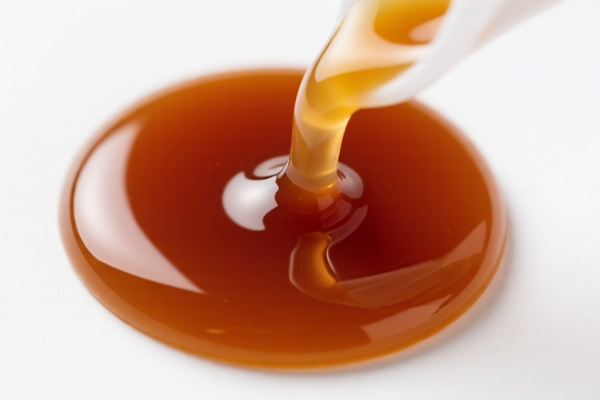
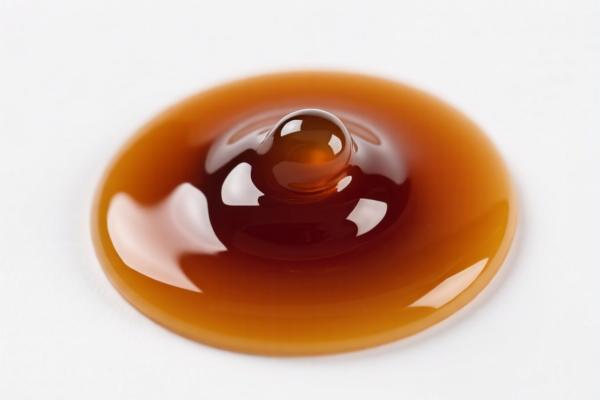
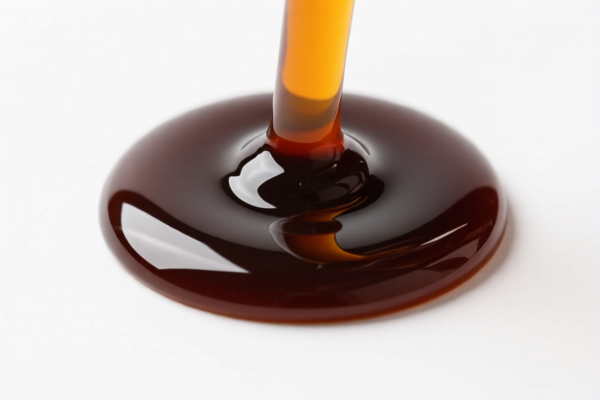
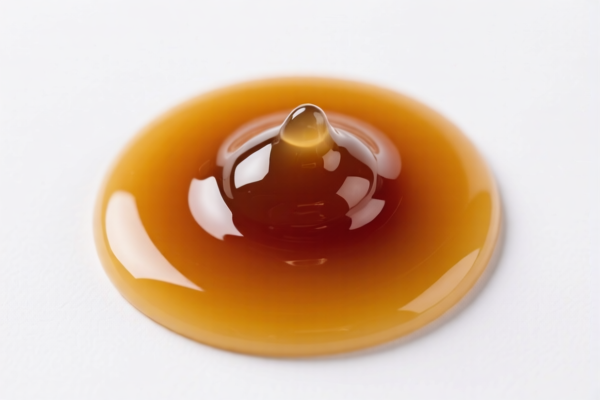
AI Analysis
🌲 Pine Oil Fatty Acid Derivatives: HS Code Classification & Customs Clearance Guide (2026)
🌐 HS Code Reference & Customs Clearance Strategy | 2026 Latest Tariff Analysis | Professional Entry Strategy
📌 1. Product Definition & Classification: What exactly is "Pine Oil Fatty Acid Derivative"?
Pine oil fatty acid derivatives are chemical substances obtained through the processing of pine oil (derived from pine resin/wood distillation) or pine fatty acids. In international trade, these substances are complex because they sit at the intersection of vegetable oils/fats, mineral oil preparations, and organic chemical products.
The classification depends heavily on two factors: 1. Chemical Nature: Is it primarily a fatty acid ester mixture? 2. Functional Use: Is it used for treating textile materials, lubricating, or as a chemical intermediate?
⚠️ Key Distinction Point: - If the product is primarily used for textile treatment or has properties similar to petroleum/mineral oils (even if derived from pine), it may fall under HS 3403. - If the product is primarily a mixture of fatty acid esters or derived from plant oils, it may fall under HS 3824. - Crucial Warning: Do not assume "Pine Oil" always means "Plant Oil." If it is processed to resemble mineral oil for lubrication/treatment, customs may classify it as a mineral oil derivative.
📦 2. HS Code Classification Details (2026 Latest Tariff Authority Comparison)
Based on the provided data, there are four potential HS Codes for "Pine Oil Fatty Acid Derivatives." Here is the detailed breakdown:
| HS Code | Product Description | Rationale & Logic | Total Tax Rate |
|---|---|---|---|
3403.11.20.00 |
Preparations for treating textile materials; Mineral Oil or Petroleum Oil Basis | Logic: Derived from pine fatty acids but functionally classified as "oils or preparations of a kind used for treating textile materials." Fits the logic of HS 3403.11 regarding potential use. | 35.2% |
3824.99.41.40 |
Mixture of fatty acid esters; Other chemical products | Logic: Material-based classification. Pine fatty acid derivatives are recognized as "mixtures of fatty acid esters." Fits the material characteristic of fatty acid derivatives. | 39.6% |
3403.11.40.00 |
Preparations for treating textile materials; Higher Oil Content Basis | Logic: Organic chemical preparation based on material inference. Does not conflict with high petroleum-based oil content (≥70%). Fits the logical inference of organic chemical agents. | 41.1% |
3824.99.41.90 |
Other chemical products; Animal or Plant Origin Fats | Logic: Pine oil/resin is a plant-derived substance. Its derivatives fit the material characteristic of "animal or plant-origin fat substances and their mixtures." | 39.6% |
🔍 Important Note: - HS 3403 Codes are generally preferred if the product is used for treating textiles or acts as a lubricant/treatment agent similar to mineral oils. - HS 3824 Codes are preferred if the product is used as a chemical intermediate or additive where the plant-origin fatty acid characteristic is the primary defining feature. - Tax Difference: The tax rate varies from 35.2% to 41.1% depending on the specific HS code and the detailed tax composition.
💰 3. 2026 Latest Tariff Rate Breakdown (Including Surtaxes & Policy Add-ons)
✅ Applicable Country: United States (US) ✅ Origin: China (CN) ✅ Effective Time: From November 10, 2025 (including subsequent imports)
🎯 1. 3403.11.20.00 — Textile Treatment Preparations (Mineral/Petroleum Logic)
| Item | Content |
|---|---|
| Base Duty Rate | 0.2% (ad valorem) |
| Section 301 Surtax | +25.0% (from USITC Footnote regarding Section 301 tariffs) |
| Section 122 Tariff | +10.0% (Specific tariff under Section 122) |
| Total Tax Rate | 35.2% |
| Tax Calculation | CIF Value × 35.2% |
| De Minimis Exemption | ❌ Not Applicable (High surtaxes usually exclude de minimis benefits) |
| Legal Basis Path | Base: 3403.11.20.00 → Surtax: 25% → Sec 122: 10% |
📌 Explanation: - "Base Duty 0.2%": The standard MFN duty for this specific subheading is minimal. - "Section 301 25%": The primary trade war surtax on Chinese goods in this category. - "Section 122 10%": An additional specific tariff applied to certain chemical/industrial products. - Total 35.2%: This is a high tariff category. Importers must factor this into cost calculations.
🎯 2. 3824.99.41.40 — Fatty Acid Ester Mixtures
| Item | Content |
|---|---|
| Base Duty Rate | 4.6% (ad valorem) |
| Section 301 Surtax | +25.0% |
| Section 122 Tariff | +10.0% |
| Total Tax Rate | 39.6% |
| Tax Calculation | CIF Value × 39.6% |
| De Minimis Exemption | ❌ Not Applicable |
| Legal Basis Path | Base: 3824.99.41.40 → Surtax: 25% → Sec 122: 10% |
📌 Note: - Higher base duty (4.6%) compared to HS 3403. - Suitable if the product is strictly defined as a fatty acid ester mixture without primary textile treatment function.
🎯 3. 3403.11.40.00 — Textile Treatment Preparations (Organic Logic)
| Item | Content |
|---|---|
| Base Duty Rate | 6.1% (ad valorem) |
| Section 301 Surtax | +25.0% |
| Section 122 Tariff | +10.0% |
| Total Tax Rate | 41.1% |
| Tax Calculation | CIF Value × 41.1% |
| De Minimis Exemption | ❌ Not Applicable |
| Legal Basis Path | Base: 3403.11.40.00 → Surtax: 25% → Sec 122: 10% |
📌 Warning: - This is the highest tax rate among the four options (41.1%). - Applies if the product is classified as an organic chemical preparation for textile treatment with a higher base duty. - Recommendation: Avoid this code if other viable options exist, as it increases cost by ~5.9% compared to
3403.11.20.00.
🎯 4. 3824.99.41.90 — Plant-Origin Fat Mixtures
| Item | Content |
|---|---|
| Base Duty Rate | 4.6% (ad valorem) |
| Section 301 Surtax | +25.0% |
| Section 122 Tariff | +10.0% |
| Total Tax Rate | 39.6% |
| Tax Calculation | CIF Value × 39.6% |
| De Minimis Exemption | ❌ Not Applicable |
| Legal Basis Path | Base: 3824.99.41.90 → Surtax: 25% → Sec 122: 10% |
📌 Note: - Same tax rate as
3824.99.41.40(39.6%). - Applicable if the emphasis is on the plant origin (pine resin) of the fatty acid mixture. - Useful for products where the "chemical product" aspect is dominant, but the source is clearly botanical.
🛠️ 4. Customs Clearance Practical Advice (实战避坑指南)
✅ 1. Documentation Checklist (Essential)
| Document | Required | Explanation |
|---|---|---|
| ✅ Product Specification Sheet | ✔️ | Must clearly state chemical composition, CAS numbers (if applicable), and primary use (e.g., textile treatment, lubricant, chemical intermediate). |
| ✅ Technical Data Sheet (TDS) | ✔️ | Details on viscosity, density, and fatty acid profile. Helps justify HS 3824 (fatty acid) vs. 3403 (treatment prep). |
| ✅ Product Photos | ✔️ | Clear images of the container, label, and product state (liquid/paste). |
| ✅ Commercial Invoice | ✔️ | Must describe the goods accurately: e.g., "Pine Fatty Acid Ester Mixture for Textile Treatment" or "Plant-Derived Fatty Acid Derivative." Avoid vague terms like "Chemical." |
| ✅ Bill of Lading | ✔️ | Match with invoice and packing list. |
| ✅ Certificate of Origin (CO) | ✔️ | Proves Chinese origin, triggering the 25% + 10% surtaxes. |
✅ 2. Declaration Tips (Key Mnemonic)
🔥 "Function dictates HS 3403, Material dictates HS 3824, Base Duty + 35% = Total Cost!"
| Scenario | Correct Declaration | Wrong Practice |
|---|---|---|
| Product used for treating textiles or as a lubricant | 3403.11.20.00 or 3403.11.40.00 |
Misdeclare as chemical intermediate → Risk of reclassification & penalties. |
| Product is a mixture of fatty acid esters for chemical use | 3824.99.41.40 |
Misdeclare as textile aid → Incorrect tax base. |
| Product is clearly plant-derived (pine resin) | 3824.99.41.90 |
Misdeclare as mineral oil derivative → Higher base duty risk. |
| Packaging | Declare as a single unit | Splitting "pine oil" and "fatty acid" into separate lines → Complex clearance, higher risk. |
✅ 3. Special Situations
| Situation | Handling Advice |
|---|---|
| OEM/Private Label | Provide manufacturer’s certificate. Ensure the chemical description matches the supplier’s TDS. |
| Mixed Origin | If the pine oil is sourced from multiple countries, ensure the CO reflects the final country of origin (China). |
| Disputed Classification | If Customs questions the 3403 vs. 3824 classification, provide a laboratory analysis report proving the primary function (treatment) or composition (fatty acids). |
| Small Sample Shipments | Even samples are subject to tariffs. Do not rely on "de minimis" (Section 321) if the value is high or if specific exclusions apply. |
🌍 5. Global Market Comparison (2026 Latest)
| Country/Region | Recommended HS Code | Tariff (China Origin) | Certification Requirements | Notes |
|---|---|---|---|---|
| 🇺🇸 USA | 3403.11.20.00 (Preferred) |
35.2% | None specific, but TDS required | Highest surtax (25% + 10%). Critical to justify HS 3403 for lower base duty. |
| 🇨🇳 China | 3403.11.20.00 |
Varies (Import Duty) | CCC (if applicable) | Domestic production may have different tax structures. |
| 🇪🇺 EU | 3824.99.99 (Similar) |
~4-6% | REACH Registration | EU does not have Section 301/122 tariffs, but requires strict chemical compliance (REACH). |
| 🇬🇧 UK | 3403.11.00 |
~5-6% | UK REACH | Post-Brexit rules apply. No US-style surtaxes. |
| 🇯🇵 Japan | 3403.11.00 |
~5% | JLIS | No major trade war tariffs. |
📌 Conclusion: - The US is the most challenging market for these products due to the 35.2% - 41.1% total tax burden. - China-origin pine fatty acid derivatives face significant cost disadvantages in the US market compared to EU or Asian markets. - Strategy: Consider pricing in the tariff or exploring duty-drawback programs if re-exporting.
📌 6. Common Errors & Pitfalls (Lessons Learned)
❌ Error 1: Declaring as "Pine Oil" without specifying "Fatty Acid Derivative" 👉 Consequence: Customs may classify under a different, potentially higher-tariff code for essential oils.
❌ Error 2: Assuming "Plant Oil" = Low Tax 👉 Consequence: Even plant-derived fatty acids face 25% + 10% surtaxes in the US. Do not underestimate the impact.
❌ Error 3: Incorrect Function Description 👉 Consequence: If you claim it's for "textile treatment" but the TDS shows it's a "chemical solvent," Customs may reject HS 3403 and force HS 3824, potentially changing the tax base.
❌ Error 4: Ignoring Section 122 Tariff 👉 Consequence: Many importers forget the 10% Section 122 surtax, leading to unexpected bills at clearance.
✅ Correct Approach:
"Pine Fatty Acid Ester Mixture (Plant-Derived), Used for Textile Treatment, CAS [Number], TDS Attached, Origin: China."
🎯 7. Conclusion: Professional Declaration, Cost Optimization!
🎯 Key Takeaways:
🔹 "Function First: Textile Treatment = HS 3403; Chemical Mixture = HS 3824"
🔹 "Total Tax = Base Duty + 25% (Sec 301) + 10% (Sec 122)"
🔹 "Lowest Tax Option: HS 3403.11.20.00 at 35.2%" (if functionally justified)
📌 Pro Tip: If your product qualifies as a chemical intermediate and not a treatment agent, HS 3824 may be more accurate, but the tax is similar (39.6%). Always prioritize HS 3403.11.20.00 if the product is used for textile/leather treatment, as it has the lowest base duty (0.2%).
📣 Immediate Action:
📞 Contact a licensed customs broker. 📄 Provide Technical Data Sheet (TDS) and Material Safety Data Sheet (MSDS). 🚀 Declare accurately to avoid delays, penalties, and unexpected costs!
✨ Professional Customs Clearance Starts with Accurate Classification! 💼 Your every cent of cost deserves precise calculation!
Customer Reviews
About HS Code Classification
The Harmonized System (HS) is an internationally standardized nomenclature developed by the World Customs Organization (WCO) to classify traded products. Over 200 countries use the HS system as the basis for customs tariffs, trade statistics, and import/export regulations.
Each HS code follows a hierarchical structure:
- Chapter (2 digits) — Broad category of goods (e.g., Chapter 84: Machinery and Mechanical Appliances)
- Heading (4 digits) — More specific grouping within the chapter
- Subheading (6 digits) — Internationally standardized breakdown, used by all WCO member countries
- National subdivisions (8-10 digits) — Country-specific extensions for further classification, such as US HTSUS 10-digit codes
Correct HS code classification is essential for smooth customs clearance, accurate duty payment, and compliance with trade regulations. Misclassification can lead to customs delays, overpayment of duties, or penalties.
When importing from CN to US, the applicable tariff rates may include:
- Most-Favored-Nation (MFN) rate — The standard duty rate applied to WTO members
- General rate — Applied to countries without trade agreements
- Trade remedy duties — Additional tariffs such as Section 301 (anti-dumping), Section 232 (national security), or countervailing duties
The information provided on this page is for reference purposes only. For official classification, please consult with your local customs authority or a licensed customs broker.