Faucet Valve Core
CN → US| HS编码 | 关税税率 | 原产国 | 目的国 | 文档 |
|---|---|---|---|---|
| 8481909081 | 35.0% | CN | US | 官方文档 |
| 8481909060 | 85.0% | CN | US | 官方文档 |
| 8481909085 | 85.0% | CN | US | 官方文档 |
| 8481909060 | 85.0% | CN | US | 官方文档 |
| 7326908688 | 87.9% | CN | US | 官方文档 |
商品图片
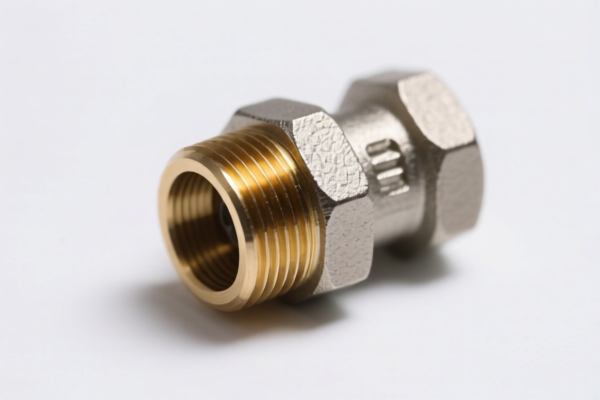
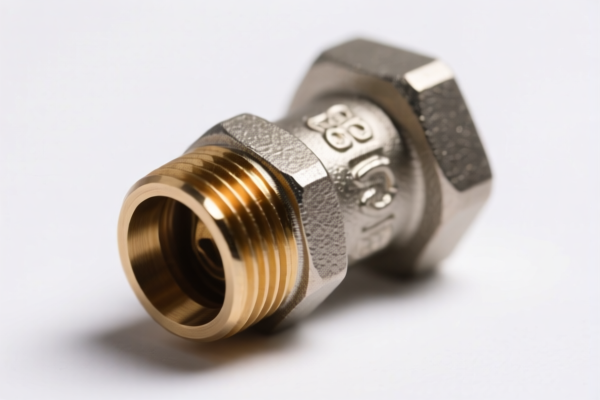
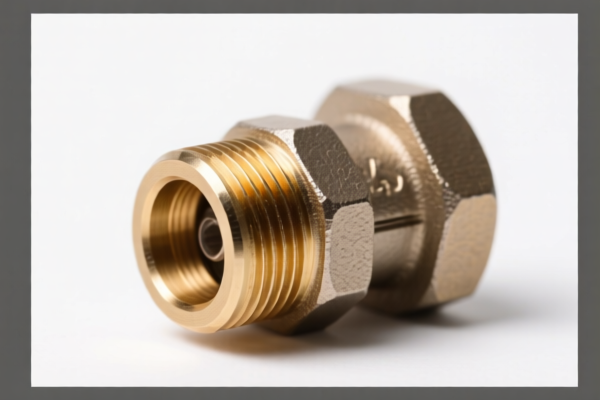
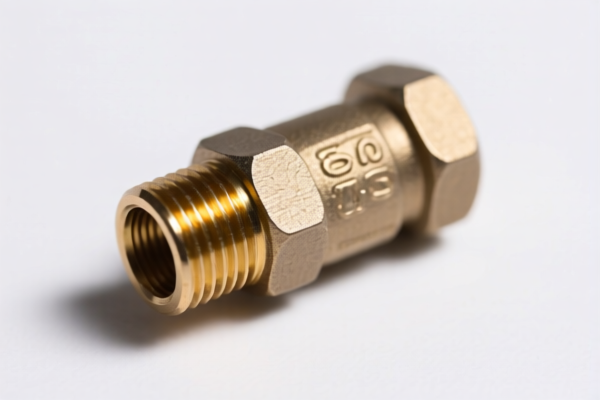
AI分析
🚿 Faucet Valve Core (Valve Cartridge/Spool)
🌐 HS Code Reference & Customs Clearance Guide | 2024/2025 Latest Tariff Analysis | Professional Entry Strategy
📌 I. Product Definition & Classification: Do You Really Understand the "Faucet Valve Core"?
The Faucet Valve Core (also known as a cartridge, spool, or stem) is the heart of any faucet, controlling water flow and temperature. In international trade, its classification depends heavily on two factors: Material (Metal vs. Non-metal) and Specificity.
Key Distinctions: 1. Metal Valve Cores (Steel/Aluminum/Copper): Often classified under specific steel/aluminum articles (7326) or specific valve parts (8481) with heavy surcharges due to USITC Section 301 and IEEPA rules. 2. Plastic/Composite Valve Cores: Classified as general valve parts under 8481.90, but still subject to significant US tariffs if made in China. 3. General "Other" Parts: If not specifically described elsewhere, they fall under residual categories, but tax implications vary wildly based on material surcharges.
⚠️ Critical Warning:
- Material Matters: Steel/Aluminum parts attract an additional 50% surcharge on top of standard 301 tariffs.
- Total Tariff Shock: For metal cores, the total effective tax rate can exceed 85-88%.
- No De Minimis Exemption: These goods are NOT eligible for the $800 de minimis exemption (Section 321) if subject to specific trade remedy duties.
📦 II. HS Code Classification Details (Based on Provided Data)
| HS Code | Product Description & Logic | Material/Type | Total Tax Rate* | Key Tariff Components |
|---|---|---|---|---|
| 8481.90.90.81 | General Valve Part (Metal) Inferred as a generic metal part for valves. |
Metal (General) | 35.0% | Base: 0% +301: 25% +122 Clause: 10% (No additional 50% steel/aluminum surcharge mentioned in this specific entry) |
| 8481.90.90.60 | Valve Assembly/Part (Metal or Plastic) Generic valve component. Covers both plastic and metal cores generally. |
Mixed (Metal/Plastic) | 85.0% | Base: 0% +301: 25% +122 Clause: 10% +Steel/Al/Cu Surcharge: 50% |
| 8481.90.90.85 | Stainless Steel Valve Core Specifically identified as stainless steel valve part. |
Stainless Steel | 85.0% | Base: 0% +301: 25% +122 Clause: 10% +Steel/Al/Cu Surcharge: 50% |
| 8481.90.90.60 | Stainless Steel Core (Alternative View) Treated as a core component of the valve. |
Stainless Steel | 85.0% | Base: 0% +301: 25% +122 Clause: 10% +Steel/Al/Cu Surcharge: 50% |
| 7326.90.86.88 | Other Articles of Iron/Steel Classified as a general steel article/part rather than a valve part. |
Steel/Iron | 87.9% | Base: 2.9% +301: 25% +122 Clause: 10% +Steel/Al/Cu Surcharge: 50% |
*Total Tax Rate includes Base Duty, Section 301 (25%), Section 122 (10%), and Specific Material Surcharges (50%) where applicable. All data sourced from provided XML.
💰 III. 2024/2025 Tariff Rate Breakdown (Detailed Policy Explanation)
✅ Applicable Market: United States (US)
✅ Origin: China (CN)
✅ Status: Active (High Risk/High Cost Category)
🎯 1. The "85%+" Trap: Steel/Aluminum/Copper Parts (HS 8481.90.90.60 / 8481.90.90.85)
This is the most common classification for Stainless Steel or Brass/Chrome-plated faucet cores.
| Item | Detail |
|---|---|
| Base Duty | 0.0% |
| USITC Section 301 Surcharge | +25.0% |
| Section 122 Surcharge | +10.0% |
| Special Material Surcharge | +50.0% (Applies to Steel, Aluminum, Copper products) |
| Total Effective Tax Rate | 85.0% |
| Calculation Basis | CIF Value × 85% |
| De Minimis Eligibility | ❌ NO (Denied under current enforcement for these specific codes/tariffs) |
📌 Explanation:
- The 50% surcharge is the killer. Even if the base duty is 0%, the combination of 301 tariffs (25%) + Section 122 (10%) + Material Surcharge (50%) creates a nearly prohibitive tax barrier. - Legal Basis: Combined enforcement of USITC Footnotes for Section 301, IEEPA authorities, and specific Customs rulings on metal articles.
🎯 2. The "87.9%" Risk: Classified as General Steel Articles (HS 7326.90.86.88)
If Customs rejects the "Valve Part" classification and treats the core as a "miscellaneous steel article," the base duty kicks in, but the surcharges remain.
| Item | Detail |
|---|---|
| Base Duty | 2.9% |
| USITC Section 301 Surcharge | +25.0% |
| Section 122 Surcharge | +10.0% |
| Special Material Surcharge | +50.0% |
| Total Effective Tax Rate | 87.9% |
| Calculation Basis | CIF Value × 87.9% |
📌 Explanation:
- This is the wor-case scenario. It adds the base 2.9% to the 85% structure above. - Risk arises if the product lacks clear valve-specific markings or documentation, leading Customs to default to "Other Articles of Iron or Steel."
🎯 3. The "35%" Anomaly: HS 8481.90.90.81
This entry is unique in the data. It suggests a metal part without the 50% material surcharge, resulting in a much lower (but still high) rate.
| Item | Detail |
|---|---|
| Base Duty | 0.0% |
| USITC Section 301 Surcharge | +25.0% |
| Section 122 Surcharge | +10.0% |
| Total Effective Tax Rate | 35.0% |
📌 Explanation:
- This classification seems to exclude the 50% steel/aluminum surcharge. - Caution: This may only apply to specific non-ferrous metals or if the Customs officer determines the "metal" component is minor or coated in a way that doesn't trigger the surcharge. Do not assume this applies to all stainless steel cores. Verify with a binding ruling.
🛠️ IV. Customs Clearance Practical Advice (Avoiding Pitfalls)
✅ 1. Documentation Checklist (Mandatory)
| Document | Requirement | Purpose |
|---|---|---|
| ✅ Product Specification Sheet | ✔️ Must detail: Material (e.g., 304 Stainless Steel, Plastic, Brass), Dimensions, Valve Type (Ceramic Disc, Ball, etc.). | Proves material composition. |
| ✅ Material Test Report | ✔️ Third-party lab report confirming alloy content (e.g., ASTM standard for stainless steel). | Crucial for proving/disproving the 50% surcharge applicability. |
| ✅ Product Photos | ✔️ High-res images showing the core, any markings, and packaging. | Visual verification for customs officers. |
| ✅ Commercial Invoice | ✔️ Clearly state: "Faucet Valve Core," "Cartridge," "Spool." Avoid vague terms like "Metal Part." | Ensures correct HTS coding. |
| ✅ Packing List | ✔️ Net/Gross weight accurate. | Standard requirement. |
✅ 2. Classification Strategy (Key Tactics)
🔥 "Material First, Function Second, Specificity Wins!"
| Scenario | Recommended Action | Risk |
|---|---|---|
| Plastic Valve Core | Aim for 8481.90.90.60 but Beware: If Customs deems the plastic housing negligible and focuses on internal metal springs/pins, they may apply steel surcharges. Check if the 50% surcharge applies to "mixed" goods. | Medium |
| Stainless Steel Core | Likely 8481.90.90.85 or 8481.90.90.60. High probability of 85% total tax. Consider if 7326.90.86.88 is riskier (87.9%). | High |
| Generic "Metal Part" | Try to justify 8481.90.90.81 (35%) if the product has ambiguous composition or if you can argue it's not primarily steel/aluminum/copper. | Low (but risky if audited) |
✅ 3. Critical Warnings
| Warning | Consequence |
|---|---|
| ❌ Misdeclaring Material | If you declare "Plastic" but it's "Stainless Steel," you face fraud penalties, seizure, and back-taxes. |
| ❌ Ignoring Section 122 | Assuming only 301 tariffs (25%) apply. Section 122 (10%) is also active. Total is not 25%, it's higher. |
| ❌ Assuming De Minimis Applies | Packages under $800 WILL be audited and taxed for these HS codes. Do not rely on informal entry. |
| ❌ Using Vague Descriptions | "Hardware Part" or "Faucet Accessory" will lead to manual examination and potential misclassification to the highest taxable code. |
🌍 V. Market Comparison & Cost Impact
| Market | HS Code Example | Approx. Total Duty | Notes |
|---|---|---|---|
| 🇺🇸 USA | 8481.90.90.60 / .85 | 85.0% - 87.9% | Extremely high due to 50% metal surcharge. |
| 🇨🇳 China | 8481.90.90 | ~5-10% | Low import duty, no US-style surcharges. |
| 🇪🇺 EU | 8481.90.90 | ~2.7% | Standard MFN rate. No aggressive surcharges. |
| 🇬🇧 UK | 8481.90.90 | ~2.7% | Post-Brexit alignment with EU standards. |
📌 Conclusion:
The US market is hostile to metal faucet valve cores from China due to layered tariffs.
- Cost Impact: A $10 core becomes $18.50 - $18.79 in duties alone.
- Strategy: Suppliers must either absorb the cost (raising ex-factory price) or buyers must source from non-China origins (e.g., Vietnam, Thailand) if possible, or negotiate DDP terms carefully.
📌 VI. Common Mistakes & How to Avoid Them
❌ Mistake 1: Declaring as "Plastic" to avoid steel tariffs.
👉 Result: Customs inspection reveals metal internals → Penalty + 85% Tax + Seizure.
❌ Mistake 2: Not declaring Section 122.
👉 Result: Underpayment by 10% → Back taxes + Interest.
❌ Mistake 3: Using the same HS code for plastic and steel cores.
👉 Result: If audited, the steel ones will be reclassified with the 50% surcharge.
👉 Solution: Always distinguish materials in your invoice and specs.
✅ Best Practice:
Explicitly state material composition.
Example: "Stainless Steel Faucet Cartridge, Model XYZ, 1/2 Inch, Ceramic Disc Type, Made in China."
🎯 VII. Final Recommendation
🎯 For Importers into the US: 1. Audit Your HS Code: Verify if your core is classified under 8481.90.90.81 (35%) or 8481.90.90.60/.85 (85%). 2. Challenge the 50% Surcharge: If your core is predominantly plastic with minor metal springs, consult a customs broker to see if you can argue for a classification that avoids the "Steel/Aluminum/Copper" surcharge. 3. Consider Origin Diversification: If your margin cannot absorb 85% duty, explore sourcing from countries not subject to these specific surcharges (subject to anti-circumvention rules). 4. Get a Binding Ruling: For high-volume shipments, apply for a CBP Binding Ruling to lock in the correct HS code and tax rate.
📌 Remember:
"In the US, Metal Valves are Expensive. Plastic Valves are Safer. Documentation is Your Shield."
✨ Pro Tip: Always request a Material Test Certificate from your supplier. It is your best defense in case of a customs audit.
💼 Professional Customs Clearance is Key to Survival in the US Market!
用户评价
关于 HS 编码归类
协调制度(HS)是由世界海关组织(WCO)制定的国际贸易商品分类标准。全球 200 多个国家采用 HS 系统作为海关关税、贸易统计和进出口监管的基础。
每个 HS 编码遵循以下层级结构:
- 章(2 位)——商品大类(例如:第 84 章:机器和机械设备)
- 品目(4 位)——章内的更具体分类
- 子目(6 位)——国际通用细分,所有 WCO 成员国统一使用
- 本国细分(8-10 位)——各国自行扩展的细分编码,如美国 HTSUS 10 位编码
正确的 HS 编码归类对于顺利通关、准确缴纳关税和遵守贸易法规至关重要。错误归类可能导致海关延误、多缴关税或罚款。
从CN进口到US时,适用的关税税率可能包括:
- 最惠国(MFN)税率——适用于 WTO 成员国的标准关税税率
- 普通税率——适用于无贸易协定国家
- 贸易救济关税——附加关税,如 301 条款(反倾销)、232 条款(国家安全)或反补贴税
本页内容仅供参考。如需正式归类,请咨询当地海关或持牌报关代理。