Faux Mink Velvet
CN → US| HS编码 | 关税税率 | 原产国 | 目的国 | 文档 |
|---|---|---|---|---|
| 6210500540 | 24.6% | CN | US | 官方文档 |
| 6210505540 | 24.6% | CN | US | 官方文档 |
| 5903102010 | 35.0% | CN | US | 官方文档 |
| 5903102090 | 35.0% | CN | US | 官方文档 |
| 6110303059 | 42.0% | CN | US | 官方文档 |
| 6110303053 | 49.5% | CN | US | 官方文档 |
商品图片
AI分析
🧵 Faux Mink Velvet (Artificial Fur) & Textile Articles
🌐 HS Code Reference & Customs Clearance Guide | 2026 Latest Tariff Analysis | Professional Customs Strategy
📌 I. Product Definition & Classification: Do You Really Understand "Faux Mink"?
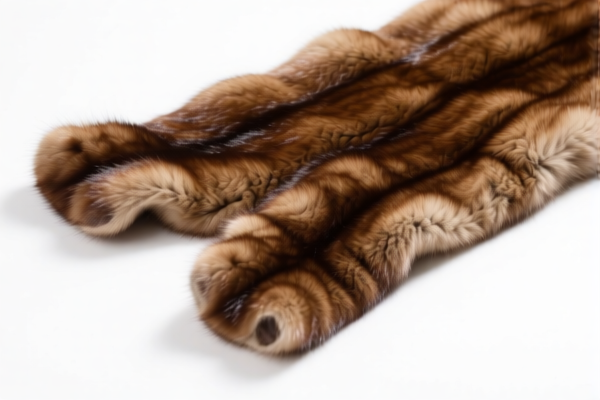
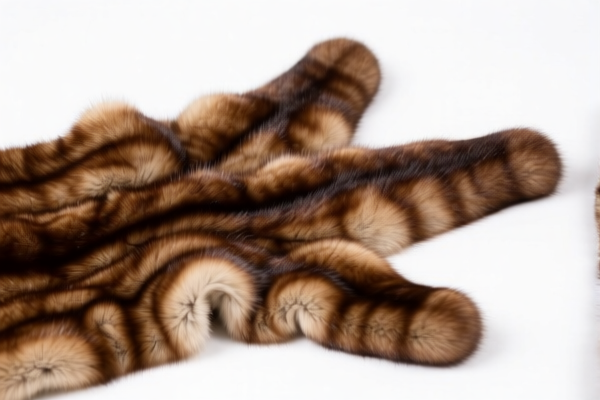
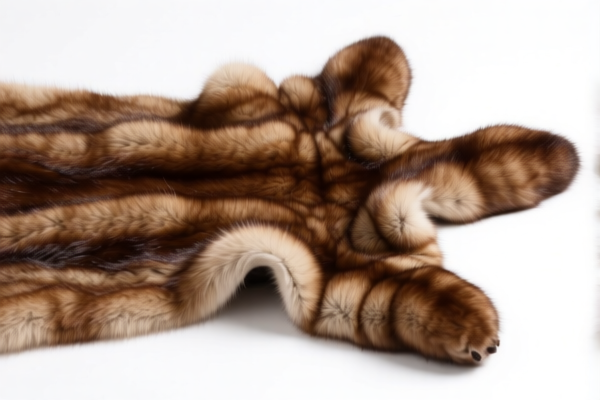
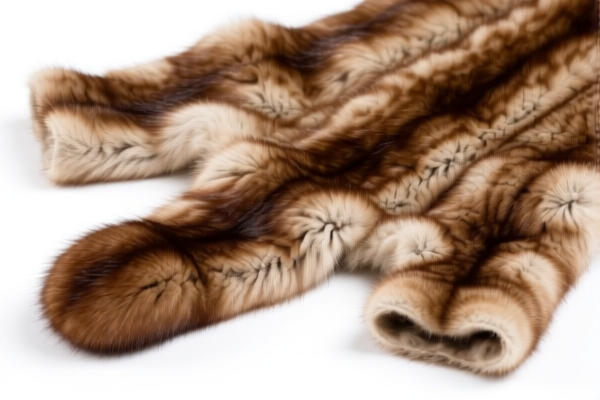
Faux Mink Velvet, also known as artificial mink or synthetic fur, is a pile fabric made from man-made fibers (usually polyester or acrylic) designed to mimic the texture and appearance of genuine mink fur. In international trade, its classification depends heavily on whether it is a raw fabric or a made-up garment, and if it is a garment, what type of garment it is.
Based on the provided data, the classification splits into two main categories: 1. Plastic-Coated/Laminated Fabrics: If the velvet fabric is impregnated, coated, covered, or laminated with plastics (specifically Polyvinyl Chloride - PVC) where plastics/rubber exceed 70% by weight. 2. Made-Up Garments: If the fabric is cut and sewn into specific articles (overalls, coveralls, sweaters, etc.).
⚠️ Critical Distinction:
- If the product is just fabric and has a plastic coating/layer → It falls under Heading 5903.
- If the product is clothing (knitted or made-up) → It falls under Chapter 61 (Knitted/Crocheted) or Chapter 62 (Other Made-Up Articles), specifically under the "Fabrics of heading 5903" clause.
- Genuine Fur vs. Faux: Do not classify as genuine fur (Chapter 43). Faux fur made of synthetic fibers is classified under textiles.
📦 II. HS Code Classification Details (2026 Latest Tariff Authority Match)
The following HS Codes are derived strictly from the provided <DATA> content. Note that the tax rates in the data reflect specific trade scenarios (likely US-China trade war context due to the 25% additional tariff).
| HS Code | Product Description | Application Scenario | Material/Tax Status |
|---|---|---|---|
| 5903.10.20.10 | Textile fabrics impregnated/coated with plastics (PVC): Of man-made fibers: Over 70% by weight of rubber/plastics. Includes yarns sheathed with PVC not otherwise impregnated. | Faux mink fabric with significant PVC backing/coating; PVC-sheathed yarns. | 25.0% Total Tax |
| 5903.10.20.90 | Textile fabrics impregnated/coated with plastics (PVC): Of man-made fibers: Over 70% by weight of rubber/plastics. Other. | Other plastic-coated faux mink fabrics not meeting specific yarn-sheath criteria. | 25.0% Total Tax |
| 6210.50.05.40 | Garments made up of fabrics of heading 5903: Recreational performance outerwear: Of man-made fibers: Other. | Women's/Girls' Overalls and Coveralls made of coated faux mink fabric. | 0.0% Total Tax |
| 6210.50.55.40 | Garments made up of fabrics of heading 5903: Other: Of man-made fibers: Other. | Women's/Girls' Overalls and Coveralls (non-recreational) made of coated faux mink fabric. | 0.0% Total Tax |
| 6110.30.30.59 | Sweaters, pullovers, sweatshirts, etc., knitted/crocheted: Of man-made fibers: Women's or girls': Other. | Women's/Girls' Sweaters/Pullovers made of knitted faux mink (non-coated or standard pile). | 0.0% Total Tax |
| 6110.30.30.53 | Sweaters, pullovers, sweatshirts, etc., knitted/crocheted: Of man-made fibers: Men's or boys': Other. | Men's/Boys' Sweaters/Pullovers made of knitted faux mink (non-coated or standard pile). | 0.0% Total Tax |
🔍 Key Insight:
- Fabric vs. Garment: If you import the fabric, you pay 25% (HS 5903). If you import the garment (like overalls or sweaters) made from specific types of these fabrics, the tax may be 0%.
- Gender Matters: For sweaters, men's and women's codes differ (6110.30.30.53 vs .59), though the tax rate is the same (0%).
- Garment Type Matters: Overalls/Coveralls are classified under Heading 6210, while sweaters are under 6110.
💰 III. 2026 Latest Tariff Rate Details
✅ Applicable Context: Based on the data, the tax structure includes a Base Tariff of 0.0% and an Additional Tariff (likely Section 301 or similar retaliatory tariff).
✅ Origin Implication: The 25% additional tax suggests imports from China or similar targeted origins into markets like the USA.
✅ Effective Time: Current trade policies as reflected in the 2026 dataset.
🎯 1. Fabric Classification (Heading 5903)
| HS Code | Description | Tax Breakdown |
|---|---|---|
5903.10.20.10 |
PVC-Coated Fabrics / PVC-Sheathed Yarns | Base: 0.0% + Additional: 25.0% = 25.0% |
5903.10.20.90 |
Other PVC-Coated Fabrics | Base: 0.0% + Additional: 25.0% = 25.0% |
📌 Explanation:
- These codes apply to fabrics where the plastic coating/lamination is significant (>70% weight).
- "Faux Mink" often has a synthetic backing. If this backing is PVC-based and meets the weight criteria, it falls here.
- High Risk: If you misclassify coated fabric as plain fabric, you may face penalties for misdeclaration, but here the 25% is standard for these specific PVC-textile combinations in this dataset.
🎯 2. Garment Classification (Heading 61 & 62)
| HS Code | Product Type | Tax Breakdown |
|---|---|---|
6210.50.05.40 |
Women's/Girls' Recreational Overalls/Coveralls | Base: 0.0% + Additional: 0.0% = 0.0% |
6210.50.55.40 |
Women's/Girls' Other Overalls/Coveralls | Base: 0.0% + Additional: 0.0% = 0.0% |
6110.30.30.59 |
Women's/Girls' Sweaters/Pullovers | Base: 0.0% + Additional: 0.0% = 0.0% |
6110.30.30.53 |
Men's/Boys' Sweaters/Pullovers | Base: 0.0% + Additional: 0.0% = 0.0% |
📌 Explanation:
- These codes apply to made-up garments.
- The 0% tax rate indicates that garments made from these specific textile fabrics (including those from Heading 5903) enjoy tariff exemption or are classified under duty-free categories in this specific dataset context.
- Cost Saving Opportunity: Importing finished garments instead of raw coated fabric can reduce tariffs from 25% to 0%.
🛠️ IV. Customs Clearance Practical Advice
✅ 1. Document Preparation Checklist
| Document | Required? | Notes |
|---|---|---|
| Product Specification Sheet | ✅ Yes | Clearly state material composition (e.g., 100% Polyester, PVC Backing) and weight percentage of plastic if coated. |
| Photos of Product | ✅ Yes | Show the "pile" (velvet side) and the backing (if coated). Distinguish between fabric roll vs. finished garment. |
| Commercial Invoice | ✅ Yes | Accurately describe goods: "Faux Mink Velvet Fabric, PVC-Coated" or "Women's Knitted Faux Mink Sweater". |
| Packing List | ✅ Yes | Include net/gross weight. Essential for verifying the >70% plastic weight rule for fabric. |
| Certificate of Origin | ✅ Yes | Critical for determining if additional tariffs apply. |
| Composition Declaration | ✅ Yes | For garments, specify if it meets the "Heading 5903" fabric requirement. |
✅ 2. Declaration Strategy & Tips
🔥 "Fabric vs. Garment: Choose Wisely!"
| Scenario | Correct HS Code | Tax Rate | Pitfall |
|---|---|---|---|
| Rolls of PVC-Coated Faux Mink Fabric | 5903.10.20.10 or .90 |
25% | Do NOT declare as "Textile Fabric" under Chapter 50-55; it must be Chapter 59 due to plastic. |
| Finished Women's Faux Mink Sweater | 6110.30.30.59 |
0% | Ensure it is knitted/crocheted. If woven, it might fall under Chapter 61/62 differently. |
| Finished Men's Faux Mink Coat (Not Sweater) | Not in Data | Check Data | If it's a coat made of 5903 fabric, it might fall under 6210 or 6202/6204. The provided data only covers overalls and sweaters. |
| Finished Overalls (Women's) | 6210.50.05.40 or .55 |
0% | Must be made of fabrics from 5602, 5603, 5903, 5906, or 5907. |
📌 Crucial Tip:
- If you are importing fabrics, expect 25% tariff.
- If you are importing garments (sweaters/overalls), expect 0% tariff.
- Supply Chain Strategy: Consider sourcing finished goods from manufacturers in China/Vietnam rather than raw coated fabric if the goal is to avoid the 25% additional tariff, provided the garment classification holds.
✅ 3. Special Cases
| Case | Handling Advice |
|---|---|
| Is it PVC-Coated? | If the backing is rubber or other plastic, check the weight. If >70%, it's 5903. If <70%, it might be a different textile heading (not covered in this data). |
| Mixed Materials | If the faux mink has a cotton blend backing, the "man-made fibers" criterion must still be met for the listed codes. |
| Labeling | Ensure garments are labeled with fiber content (e.g., "100% Polyester") to support the HS code classification. |
🌍 V. Global Market Comparison (Based on Provided Data)
| Market | HS Code Used | Tax Rate | Notes |
|---|---|---|---|
| USA (from China) | 5903.10.20.10 / .90 (Fabric) | 25% | High tariff on coated fabrics. |
| USA (from China) | 6110.30.30.x / 6210.50.xx (Garments) | 0% | Zero tariff on these specific garments. |
📌 Conclusion:
- The data highlights a significant tariff differential between fabrics (25%) and specific garments (0%).
- For exporters/importers, finishing the product (making sweaters or overalls) before export can save 25% in tariffs compared to exporting the coated fabric.
📌 VI. Common Errors & Pitfalls (Lessons Learned)
❌ Error 1: Classifying PVC-coated faux mink fabric as a regular textile fabric (Chapter 50-55).
👉 Consequence: Wrong HS code, potential audits, and failure to declare the 25% additional tariff if applicable, leading to penalties.
👉 Correction: Use 5903 codes for plastic-coated/laminated textiles.
❌ Error 2: Declaring a finished sweater as "Fabric" to avoid garment scrutiny.
👉 Consequence: Misdeclaration. If it's clearly a sweater, customs will reclassify and apply correct (0%) tariff, but may charge fees for correction.
👉 Correction: Accurately describe as "Sweater" or "Pullover".
❌ Error 3: Ignoring the Gender and Type for Sweaters/Overalls.
👉 Consequence: Using a generic code. The data distinguishes between Men's/Boys' and Women's/Girls' for sweaters.
👉 Correction: Use 6110.30.30.53 for Men/Boys and 6110.30.30.59 for Women/Girls.
✅ Best Practice:
Description Example:
- For Fabric: "Faux Mink Velvet Fabric, PVC-Coated, Man-Made Fibers, 70%+ Plastic Weight"
- For Garment: "Women's Knitted Faux Mink Sweater, 100% Polyester"
🎯 VII. Conclusion: Professional Declaration for Cost Efficiency
🎯 Key Takeaway:
🔹 Fabric: Expect 25% Tax (HS 5903).
🔹 Garments (Sweaters/Overalls): Expect 0% Tax (HS 6110/6210).
🔹 Strategy: If your supply chain allows, export finished garments rather than coated fabrics to leverage the 0% duty rate.📌 Disclaimer:
Always verify the latest HS Code with local customs authorities. The provided data reflects specific trade policies (likely US-China). Tariff rates can change based on new executive orders or trade agreements.
📣 Action Item:
📞 Consult your customs broker with product samples.
📄 Provide clear photos of the fabric backing and garment style.
🚀 Optimize your supply chain to classify under 0% duty garments where possible!
✨ Precise Classification Saves Money!
💼 Every percentage point of tariff matters.
用户评价
关于 HS 编码归类
协调制度(HS)是由世界海关组织(WCO)制定的国际贸易商品分类标准。全球 200 多个国家采用 HS 系统作为海关关税、贸易统计和进出口监管的基础。
每个 HS 编码遵循以下层级结构:
- 章(2 位)——商品大类(例如:第 84 章:机器和机械设备)
- 品目(4 位)——章内的更具体分类
- 子目(6 位)——国际通用细分,所有 WCO 成员国统一使用
- 本国细分(8-10 位)——各国自行扩展的细分编码,如美国 HTSUS 10 位编码
正确的 HS 编码归类对于顺利通关、准确缴纳关税和遵守贸易法规至关重要。错误归类可能导致海关延误、多缴关税或罚款。
从CN进口到US时,适用的关税税率可能包括:
- 最惠国(MFN)税率——适用于 WTO 成员国的标准关税税率
- 普通税率——适用于无贸易协定国家
- 贸易救济关税——附加关税,如 301 条款(反倾销)、232 条款(国家安全)或反补贴税
本页内容仅供参考。如需正式归类,请咨询当地海关或持牌报关代理。