Faux Mink Velvet
CN → US| HS Code | Tariff Rate | Origin | Destination | Doc |
|---|---|---|---|---|
| 6210500540 | 24.6% | CN | US | Official Doc |
| 6210505540 | 24.6% | CN | US | Official Doc |
| 5903102010 | 35.0% | CN | US | Official Doc |
| 5903102090 | 35.0% | CN | US | Official Doc |
| 6110303059 | 42.0% | CN | US | Official Doc |
| 6110303053 | 49.5% | CN | US | Official Doc |
Product Images
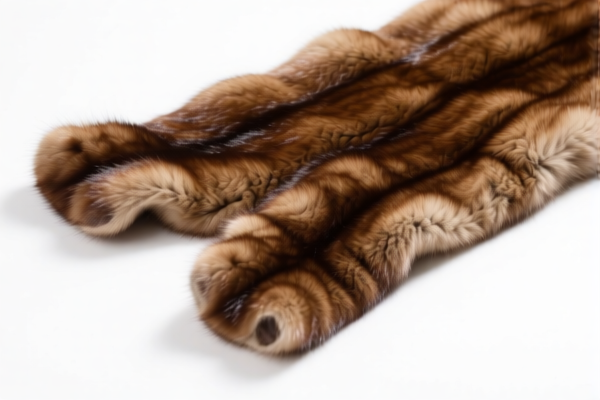
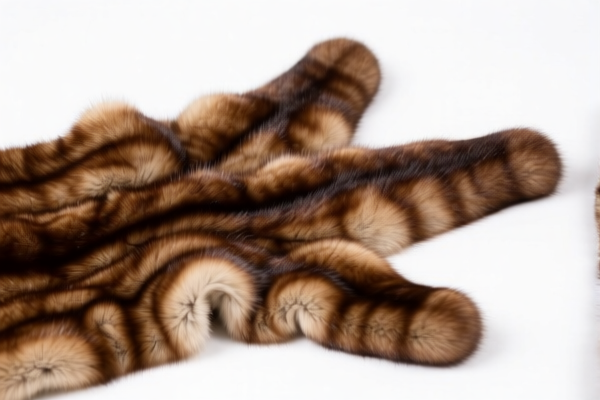
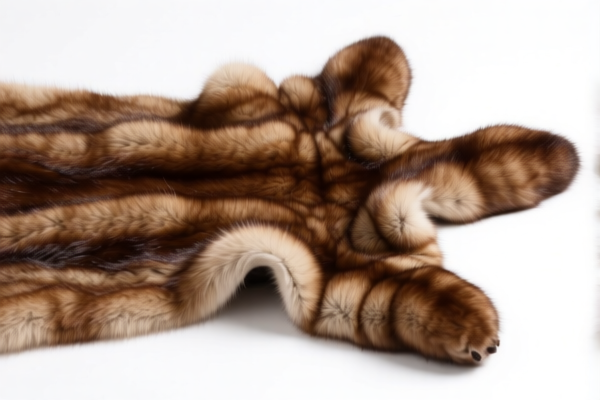
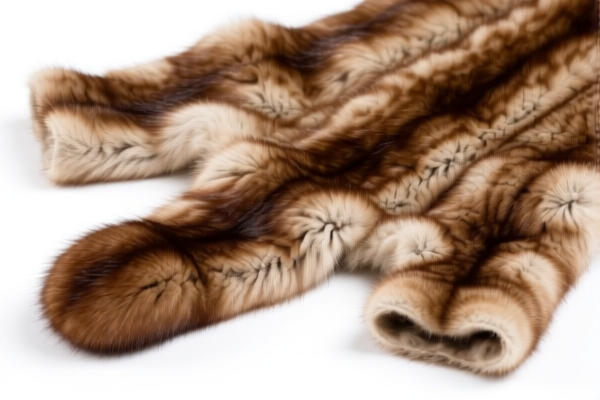
AI Analysis
🧵 Faux Mink Velvet (Artificial Fur) & Textile Articles
🌐 HS Code Reference & Customs Clearance Guide | 2026 Latest Tariff Analysis | Professional Customs Strategy
📌 I. Product Definition & Classification: Do You Really Understand "Faux Mink"?
Faux Mink Velvet, also known as artificial mink or synthetic fur, is a pile fabric made from man-made fibers (usually polyester or acrylic) designed to mimic the texture and appearance of genuine mink fur. In international trade, its classification depends heavily on whether it is a raw fabric or a made-up garment, and if it is a garment, what type of garment it is.
Based on the provided data, the classification splits into two main categories: 1. Plastic-Coated/Laminated Fabrics: If the velvet fabric is impregnated, coated, covered, or laminated with plastics (specifically Polyvinyl Chloride - PVC) where plastics/rubber exceed 70% by weight. 2. Made-Up Garments: If the fabric is cut and sewn into specific articles (overalls, coveralls, sweaters, etc.).
⚠️ Critical Distinction:
- If the product is just fabric and has a plastic coating/layer → It falls under Heading 5903.
- If the product is clothing (knitted or made-up) → It falls under Chapter 61 (Knitted/Crocheted) or Chapter 62 (Other Made-Up Articles), specifically under the "Fabrics of heading 5903" clause.
- Genuine Fur vs. Faux: Do not classify as genuine fur (Chapter 43). Faux fur made of synthetic fibers is classified under textiles.
📦 II. HS Code Classification Details (2026 Latest Tariff Authority Match)
The following HS Codes are derived strictly from the provided <DATA> content. Note that the tax rates in the data reflect specific trade scenarios (likely US-China trade war context due to the 25% additional tariff).
| HS Code | Product Description | Application Scenario | Material/Tax Status |
|---|---|---|---|
| 5903.10.20.10 | Textile fabrics impregnated/coated with plastics (PVC): Of man-made fibers: Over 70% by weight of rubber/plastics. Includes yarns sheathed with PVC not otherwise impregnated. | Faux mink fabric with significant PVC backing/coating; PVC-sheathed yarns. | 25.0% Total Tax |
| 5903.10.20.90 | Textile fabrics impregnated/coated with plastics (PVC): Of man-made fibers: Over 70% by weight of rubber/plastics. Other. | Other plastic-coated faux mink fabrics not meeting specific yarn-sheath criteria. | 25.0% Total Tax |
| 6210.50.05.40 | Garments made up of fabrics of heading 5903: Recreational performance outerwear: Of man-made fibers: Other. | Women's/Girls' Overalls and Coveralls made of coated faux mink fabric. | 0.0% Total Tax |
| 6210.50.55.40 | Garments made up of fabrics of heading 5903: Other: Of man-made fibers: Other. | Women's/Girls' Overalls and Coveralls (non-recreational) made of coated faux mink fabric. | 0.0% Total Tax |
| 6110.30.30.59 | Sweaters, pullovers, sweatshirts, etc., knitted/crocheted: Of man-made fibers: Women's or girls': Other. | Women's/Girls' Sweaters/Pullovers made of knitted faux mink (non-coated or standard pile). | 0.0% Total Tax |
| 6110.30.30.53 | Sweaters, pullovers, sweatshirts, etc., knitted/crocheted: Of man-made fibers: Men's or boys': Other. | Men's/Boys' Sweaters/Pullovers made of knitted faux mink (non-coated or standard pile). | 0.0% Total Tax |
🔍 Key Insight:
- Fabric vs. Garment: If you import the fabric, you pay 25% (HS 5903). If you import the garment (like overalls or sweaters) made from specific types of these fabrics, the tax may be 0%.
- Gender Matters: For sweaters, men's and women's codes differ (6110.30.30.53 vs .59), though the tax rate is the same (0%).
- Garment Type Matters: Overalls/Coveralls are classified under Heading 6210, while sweaters are under 6110.
💰 III. 2026 Latest Tariff Rate Details
✅ Applicable Context: Based on the data, the tax structure includes a Base Tariff of 0.0% and an Additional Tariff (likely Section 301 or similar retaliatory tariff).
✅ Origin Implication: The 25% additional tax suggests imports from China or similar targeted origins into markets like the USA.
✅ Effective Time: Current trade policies as reflected in the 2026 dataset.
🎯 1. Fabric Classification (Heading 5903)
| HS Code | Description | Tax Breakdown |
|---|---|---|
5903.10.20.10 |
PVC-Coated Fabrics / PVC-Sheathed Yarns | Base: 0.0% + Additional: 25.0% = 25.0% |
5903.10.20.90 |
Other PVC-Coated Fabrics | Base: 0.0% + Additional: 25.0% = 25.0% |
📌 Explanation:
- These codes apply to fabrics where the plastic coating/lamination is significant (>70% weight).
- "Faux Mink" often has a synthetic backing. If this backing is PVC-based and meets the weight criteria, it falls here.
- High Risk: If you misclassify coated fabric as plain fabric, you may face penalties for misdeclaration, but here the 25% is standard for these specific PVC-textile combinations in this dataset.
🎯 2. Garment Classification (Heading 61 & 62)
| HS Code | Product Type | Tax Breakdown |
|---|---|---|
6210.50.05.40 |
Women's/Girls' Recreational Overalls/Coveralls | Base: 0.0% + Additional: 0.0% = 0.0% |
6210.50.55.40 |
Women's/Girls' Other Overalls/Coveralls | Base: 0.0% + Additional: 0.0% = 0.0% |
6110.30.30.59 |
Women's/Girls' Sweaters/Pullovers | Base: 0.0% + Additional: 0.0% = 0.0% |
6110.30.30.53 |
Men's/Boys' Sweaters/Pullovers | Base: 0.0% + Additional: 0.0% = 0.0% |
📌 Explanation:
- These codes apply to made-up garments.
- The 0% tax rate indicates that garments made from these specific textile fabrics (including those from Heading 5903) enjoy tariff exemption or are classified under duty-free categories in this specific dataset context.
- Cost Saving Opportunity: Importing finished garments instead of raw coated fabric can reduce tariffs from 25% to 0%.
🛠️ IV. Customs Clearance Practical Advice
✅ 1. Document Preparation Checklist
| Document | Required? | Notes |
|---|---|---|
| Product Specification Sheet | ✅ Yes | Clearly state material composition (e.g., 100% Polyester, PVC Backing) and weight percentage of plastic if coated. |
| Photos of Product | ✅ Yes | Show the "pile" (velvet side) and the backing (if coated). Distinguish between fabric roll vs. finished garment. |
| Commercial Invoice | ✅ Yes | Accurately describe goods: "Faux Mink Velvet Fabric, PVC-Coated" or "Women's Knitted Faux Mink Sweater". |
| Packing List | ✅ Yes | Include net/gross weight. Essential for verifying the >70% plastic weight rule for fabric. |
| Certificate of Origin | ✅ Yes | Critical for determining if additional tariffs apply. |
| Composition Declaration | ✅ Yes | For garments, specify if it meets the "Heading 5903" fabric requirement. |
✅ 2. Declaration Strategy & Tips
🔥 "Fabric vs. Garment: Choose Wisely!"
| Scenario | Correct HS Code | Tax Rate | Pitfall |
|---|---|---|---|
| Rolls of PVC-Coated Faux Mink Fabric | 5903.10.20.10 or .90 |
25% | Do NOT declare as "Textile Fabric" under Chapter 50-55; it must be Chapter 59 due to plastic. |
| Finished Women's Faux Mink Sweater | 6110.30.30.59 |
0% | Ensure it is knitted/crocheted. If woven, it might fall under Chapter 61/62 differently. |
| Finished Men's Faux Mink Coat (Not Sweater) | Not in Data | Check Data | If it's a coat made of 5903 fabric, it might fall under 6210 or 6202/6204. The provided data only covers overalls and sweaters. |
| Finished Overalls (Women's) | 6210.50.05.40 or .55 |
0% | Must be made of fabrics from 5602, 5603, 5903, 5906, or 5907. |
📌 Crucial Tip:
- If you are importing fabrics, expect 25% tariff.
- If you are importing garments (sweaters/overalls), expect 0% tariff.
- Supply Chain Strategy: Consider sourcing finished goods from manufacturers in China/Vietnam rather than raw coated fabric if the goal is to avoid the 25% additional tariff, provided the garment classification holds.
✅ 3. Special Cases
| Case | Handling Advice |
|---|---|
| Is it PVC-Coated? | If the backing is rubber or other plastic, check the weight. If >70%, it's 5903. If <70%, it might be a different textile heading (not covered in this data). |
| Mixed Materials | If the faux mink has a cotton blend backing, the "man-made fibers" criterion must still be met for the listed codes. |
| Labeling | Ensure garments are labeled with fiber content (e.g., "100% Polyester") to support the HS code classification. |
🌍 V. Global Market Comparison (Based on Provided Data)
| Market | HS Code Used | Tax Rate | Notes |
|---|---|---|---|
| USA (from China) | 5903.10.20.10 / .90 (Fabric) | 25% | High tariff on coated fabrics. |
| USA (from China) | 6110.30.30.x / 6210.50.xx (Garments) | 0% | Zero tariff on these specific garments. |
📌 Conclusion:
- The data highlights a significant tariff differential between fabrics (25%) and specific garments (0%).
- For exporters/importers, finishing the product (making sweaters or overalls) before export can save 25% in tariffs compared to exporting the coated fabric.
📌 VI. Common Errors & Pitfalls (Lessons Learned)
❌ Error 1: Classifying PVC-coated faux mink fabric as a regular textile fabric (Chapter 50-55).
👉 Consequence: Wrong HS code, potential audits, and failure to declare the 25% additional tariff if applicable, leading to penalties.
👉 Correction: Use 5903 codes for plastic-coated/laminated textiles.
❌ Error 2: Declaring a finished sweater as "Fabric" to avoid garment scrutiny.
👉 Consequence: Misdeclaration. If it's clearly a sweater, customs will reclassify and apply correct (0%) tariff, but may charge fees for correction.
👉 Correction: Accurately describe as "Sweater" or "Pullover".
❌ Error 3: Ignoring the Gender and Type for Sweaters/Overalls.
👉 Consequence: Using a generic code. The data distinguishes between Men's/Boys' and Women's/Girls' for sweaters.
👉 Correction: Use 6110.30.30.53 for Men/Boys and 6110.30.30.59 for Women/Girls.
✅ Best Practice:
Description Example:
- For Fabric: "Faux Mink Velvet Fabric, PVC-Coated, Man-Made Fibers, 70%+ Plastic Weight"
- For Garment: "Women's Knitted Faux Mink Sweater, 100% Polyester"
🎯 VII. Conclusion: Professional Declaration for Cost Efficiency
🎯 Key Takeaway:
🔹 Fabric: Expect 25% Tax (HS 5903).
🔹 Garments (Sweaters/Overalls): Expect 0% Tax (HS 6110/6210).
🔹 Strategy: If your supply chain allows, export finished garments rather than coated fabrics to leverage the 0% duty rate.📌 Disclaimer:
Always verify the latest HS Code with local customs authorities. The provided data reflects specific trade policies (likely US-China). Tariff rates can change based on new executive orders or trade agreements.
📣 Action Item:
📞 Consult your customs broker with product samples.
📄 Provide clear photos of the fabric backing and garment style.
🚀 Optimize your supply chain to classify under 0% duty garments where possible!
✨ Precise Classification Saves Money!
💼 Every percentage point of tariff matters.
Customer Reviews
About HS Code Classification
The Harmonized System (HS) is an internationally standardized nomenclature developed by the World Customs Organization (WCO) to classify traded products. Over 200 countries use the HS system as the basis for customs tariffs, trade statistics, and import/export regulations.
Each HS code follows a hierarchical structure:
- Chapter (2 digits) — Broad category of goods (e.g., Chapter 84: Machinery and Mechanical Appliances)
- Heading (4 digits) — More specific grouping within the chapter
- Subheading (6 digits) — Internationally standardized breakdown, used by all WCO member countries
- National subdivisions (8-10 digits) — Country-specific extensions for further classification, such as US HTSUS 10-digit codes
Correct HS code classification is essential for smooth customs clearance, accurate duty payment, and compliance with trade regulations. Misclassification can lead to customs delays, overpayment of duties, or penalties.
When importing from CN to US, the applicable tariff rates may include:
- Most-Favored-Nation (MFN) rate — The standard duty rate applied to WTO members
- General rate — Applied to countries without trade agreements
- Trade remedy duties — Additional tariffs such as Section 301 (anti-dumping), Section 232 (national security), or countervailing duties
The information provided on this page is for reference purposes only. For official classification, please consult with your local customs authority or a licensed customs broker.