Felt Storage Bag
CN → US| HS编码 | 关税税率 | 原产国 | 目的国 | 文档 |
|---|---|---|---|---|
| 4202929700 | 52.6% | CN | US | 官方文档 |
| 6307909875 | 24.5% | CN | US | 官方文档 |
| 4202999000 | 55.0% | CN | US | 官方文档 |
| 6307909891 | 24.5% | CN | US | 官方文档 |
| 5603949090 | 35.0% | CN | US | 官方文档 |
商品图片
AI分析
🎒 Felt Storage Bag: HS Code Classification & U.S. Customs Clearance Guide (2026)
🌐 HS Code Reference & Clearance Strategy | Latest Tariff Analysis | Professional Customs Strategy
📌 I. Product Definition & Classification: What Exactly is a "Felt Storage Bag"?
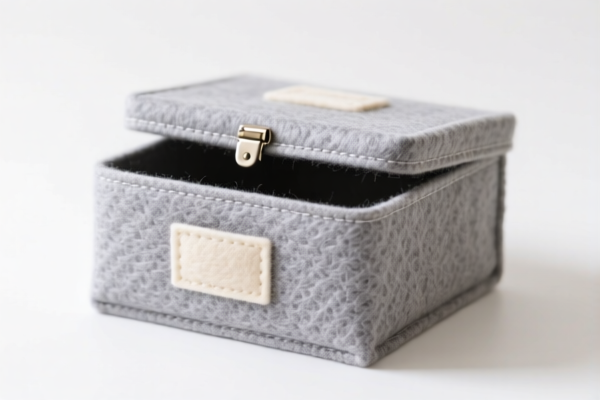
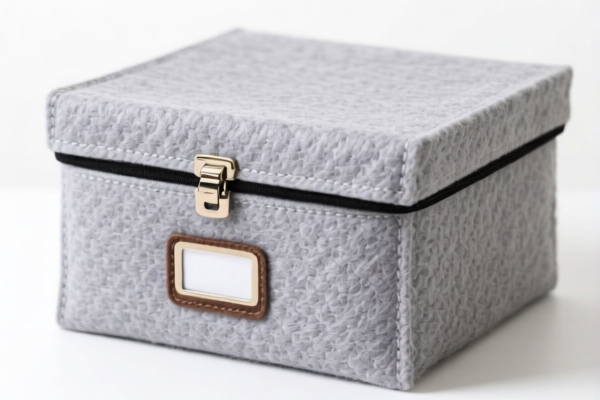
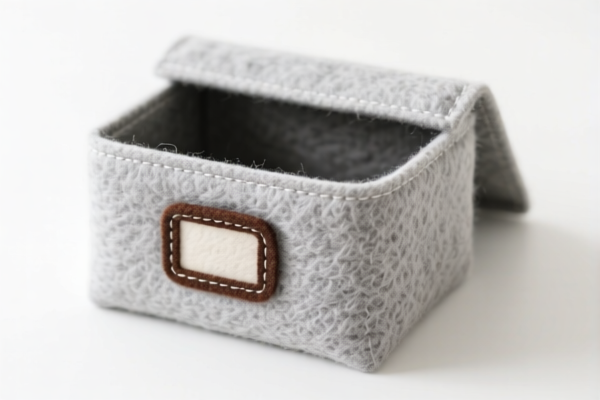
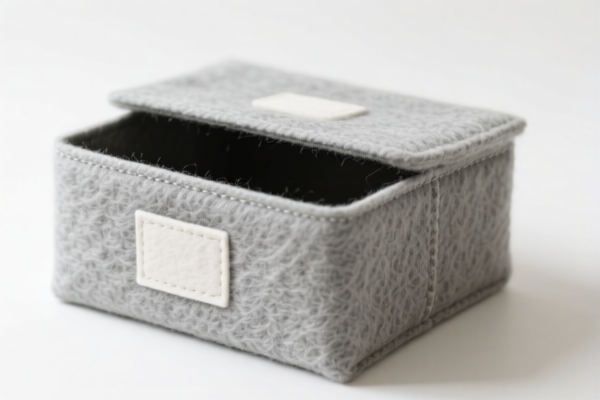
A Felt Storage Bag is a textile-based container designed for organizing and storing small items (e.g., cosmetics, electronics, craft supplies, toiletries). In international trade, its classification hinges on two critical factors:
1. Form/Structure: Is it a "bag" (container with closure) or a "made-up textile article" (general finished good)?
2. Material Composition: Is it primarily classified as a "textile article" (Chapter 63) or a "leather-like/textile bag" (Chapter 42)?
⚠️ Key Distinction Point:
- If the bag is deemed a "bag" with specific structural features (handles, zippers, structured shape) → It often falls under Chapter 42 (Articles of Leather; Similar Articles).
- If the bag is deemed a "general textile accessory" or "made-up article" without distinct bag characteristics → It often falls under Chapter 63 (Other Made Up Textile Articles).
📦 II. HS Code Classification Matrix (2026 Latest Tariff Schedule)
| HS Code | Product Description | Applicability | Material Logic | Base Tariff | Add-on Tariffs | Total Effective Rate |
|---|---|---|---|---|---|---|
| 4202.92.97.00 | Articles of apparel and accessories, n.e.s., with outer surface of textile materials: Other | Structured storage bags (e.g., cosmetic cases, tech organizers) with textile outer surface | Felt treated as "textile material" under Chapter 42 | 17.6% | +25% (Section 301) +10% (IEEPA) | 52.6% |
| 6307.90.98.75 | Other made up articles, n.e.s.: Other | General felt accessories, unstructured pouches, or items not meeting "bag" definition | Felt classified under "other made-up textile articles" | 7.0% | +7.5% (Section 301) +10% (IEEPA) | 24.5% |
| 4202.99.90.00 | Articles of apparel and accessories, n.e.s.: Other | General textile bags falling outside 4202.92/93/94 | Felt as textile article in Chapter 42 | 20.0% | +25% (Section 301) +10% (IEEPA) | 55.0% |
| 6307.90.98.91 | Other made up articles, n.e.s.: Other | Similar to 6307.90.98.75; generic felt containers | Felt as generic textile article | 7.0% | +7.5% (Section 301) +10% (IEEPA) | 24.5% |
| 5603.94.90.90 | Non-woven fabrics: Other, weighing > 0.3 kg/m²: Other | Felt identified primarily as "non-woven fabric" rather than a finished bag | Felt classified as "non-woven material" | 0.0% | +25% (Section 301) +10% (IEEPA) | 35.0% |
🔍 Critical Note:
- Chapters 42 vs. 63: The U.S. Customs and Border Protection (CBP) distinguishes between "bags" (Ch. 42) and "made-up articles" (Ch. 63). If your product has zippers, handles, or a rigid structure, CBP is more likely to classify it under Chapter 42 (higher base tariff).
- Felt as Non-Woven (5603): If the felt is sold as a raw material or semi-finished fabric (not a finished bag), it falls under 5603. However, a "Storage Bag" is a finished product, making 4202 or 6307 more likely.
- Add-on Tariffs: All listed HS codes include Section 301 tariffs (25% or 7.5%) and IEEPA tariffs (10%) for Chinese-origin goods.
💰 III. 2026 U.S. Tariff Rate Breakdown (Detailed)
✅ Country of Origin: United States (US)
✅ Exporting Country: China (CN)
✅ Effective Date: November 10, 2025 (and onward)
🎯 1. 4202.92.97.00 & 4202.99.90.00 — High-Tariff "Bag" Classification
| Item | Detail |
|---|---|
| Base Duty | 17.6% (4202.92.97.00) / 20.0% (4202.99.90.00) |
| Section 301 Duty | +25% (Applied to most Chinese textile bags) |
| IEEPA Duty | +10% (Applied to Chinese-origin goods) |
| Total Effective Rate | 52.6% (for 4202.92.97.00) 55.0% (for 4202.99.90.00) |
| De Minimis Exemption? | ❌ NO (Value > $800 triggers full duty) |
| Legal Basis | USITC:4202.92.97.00 → 301:Footnote 9903.88.01 → IEEPA:9903.01.25 |
📌 Explanation:
- These codes treat the felt bag as a "bag" (Chapter 42).
- The 25% Section 301 tariff applies because these are considered "textile bags" subject to trade restrictions.
- The 10% IEEPA tariff is a broad-based surcharge on Chinese goods.
- Result: Over 50% of the item’s value goes to U.S. duties.
🎯 2. 6307.90.98.75 & 6307.90.98.91 — Low-Tariff "Made-Up Article" Classification
| Item | Detail |
|---|---|
| Base Duty | 7.0% |
| Section 301 Duty | +7.5% (Reduced rate for certain textile accessories) |
| IEEPA Duty | +10% |
| Total Effective Rate | 24.5% |
| De Minimis Exemption? | ❌ NO (Value > $800 triggers full duty) |
| Legal Basis | USITC:6307.90.98.75 → 301:Footnote 9903.88.02 → IEEPA:9903.01.24 |
📌 Explanation:
- These codes treat the felt bag as a "general textile article" (Chapter 63).
- The Section 301 tariff is only 7.5% (instead of 25%) because these are not classified as "bags" under the stricter Chapter 42 rules.
- Result: 24.5% total duty — more than 50% cheaper than Chapter 42 classification!
🎯 3. 5603.94.90.90 — "Non-Woven Fabric" Classification
| Item | Detail |
|---|---|
| Base Duty | 0.0% |
| Section 301 Duty | +25% |
| IEEPA Duty | +10% |
| Total Effective Rate | 35.0% |
| De Minimis Exemption? | ❌ NO |
| Legal Basis | USITC:5603.94.90.90 → 301:Footnote 9903.88.01 → IEEPA:9903.01.25 |
📌 Explanation:
- If CBP classifies the felt as a "non-woven fabric" rather than a finished bag, the base duty is 0%.
- However, the 25% Section 301 tariff still applies.
- Result: 35% total duty — mid-range option.
🛠️ IV. Customs Clearance Practical Advice (Avoiding Pitfalls)
✅ 1. Required Documentation Checklist
| Document | Mandatory? | Notes |
|---|---|---|
| ✅ Product Specifications | ✔️ | Detail dimensions, capacity, closure type (zipper/snaps), and lining. |
| ✅ Material Composition Certificate | ✔️ | Specify "100% Wool Felt" or "Synthetic Felt" to support Chapter 63 vs. 42 argument. |
| ✅ Product Photos | ✔️ | Show interior, exterior, closure mechanism, and overall structure. |
| ✅ Commercial Invoice | ✔️ | Clearly state "Felt Storage Bag, Textile Material" — avoid vague terms like "Gift Box." |
| ✅ Packing List | ✔️ | Confirm quantity and weight. |
| ✅ Origin Certificate | ✔️ | If not China-origin, this can avoid Section 301 tariffs. |
✅ 2. Classification Strategy & Naming Tips
🔥 "Structure Dictates Code! Name it Right, Save 30%!"
| Scenario | Recommended HS Code | Why? |
|---|---|---|
| Structured Bag (Zippers, handles, rigid shape) | 4202.92.97.00 or 4202.99.90.00 |
CBP sees it as a "bag" under Chapter 42. High duty. |
| Soft Pouch/Unstructured (No rigid shape, simple fold-over) | 6307.90.98.75 or 6307.90.98.91 |
CBP sees it as a "made-up article." Lower duty (24.5%). |
| Bulk Felt Sheets (Not sewn into bags) | 5603.94.90.90 |
Classified as fabric, not a finished good. 35% duty. |
📌 Key Tip:
- If your felt bag is soft, unstructured, and lacks handles/zippers, argue for Chapter 63 (6307.90.98.75).
- If it has zippers, handles, or a defined "bag" structure, CBP will likely assign Chapter 42 (4202.92.97.00).
- Naming Matters: Use "Felt Pouch" or "Felt Accessory" instead of "Felt Bag" to support Chapter 63 classification.
✅ 3. Special Circumstances
| Situation | Handling Advice |
|---|---|
| OEM/Custom Design | Provide design drawings to prove it’s a "pouch" not a "bag." |
| Mixed Materials | If lining is leather, it may shift to Chapter 42. Stick to 100% textile. |
| Non-China Origin | If made in Vietnam/India, Section 301 tariffs may not apply. Check local FTA rules. |
| De Minimis (Section 321) | If shipment value < $800, it may qualify for duty-free entry under Section 321, but this requires strict compliance. |
🌍 V. Global Market Comparison (2026)
| Market | Recommended HS Code | Estimated Duty | Notes |
|---|---|---|---|
| 🇺🇸 USA | 6307.90.98.75 |
24.5% | Lowest duty via Chapter 63. |
| 🇺🇸 USA | 4202.92.97.00 |
52.6% | High duty if classified as "bag." |
| 🇪🇺 EU | 6307.90.98 |
~12-15% | No Section 301 tariffs. |
| 🇨🇳 China | 6307.90.98 |
7-10% | Lower base duty, no add-ons. |
| 🇬🇧 UK | 6307.90.98 |
~12-15% | Post-Brexit tariffs. |
📌 Conclusion:
- The U.S. is the most challenging market due to Section 301 and IEEPA tariffs.
- Chapter 63 classification is the most cost-effective strategy for felt storage bags.
📌 VI. Common Errors & Pitfalls (Lessons Learned)
❌ Error 1: Calling a structured zipper pouch a "Bag" and getting 4202.92.97.00
👉 Result: 52.6% duty vs. 24.5%. Overpaid $28 per $100 item!
❌ Error 2: Not declaring material composition
👉 Result: CBP may assign the highest possible duty (55%) due to uncertainty.
❌ Error 3: Assuming all "felt" goods qualify for de minimis
👉 Result: Section 321 has strict rules. If the item is deemed a "textile bag," it may be excluded.
✅ Best Practice:
"Felt Pouch, Unstructured, Textile Material, Model XYZ"
→ Supports6307.90.98.75(24.5% duty).
🎯 VII. Final Recommendation: Optimize Your Classification
🎯 Strategy:
1. Design for Chapter 63: Use soft, unstructured designs without rigid handles or complex closures.
2. Name Precisely: Use "Pouch," "Organizer," or "Accessory" instead of "Bag."
3. Document Everything: Provide material specs and photos to prove it’s a "made-up article," not a "bag."
📌 Pro Tip:
If your shipment value is < $800, consider using Section 321 (De Minimis) to avoid all duties. However, if you’re shipping bulk containers, you must classify correctly.
📣 Action Plan:
1. Contact CBP for a Binding Ruling on your specific product design.
2. Update Product Listings to reflect "Felt Pouch" or "Felt Organizer."
3. Work with a Customs Broker to ensure correct HS code entry (6307.90.98.75).
✨ Smart Classification Saves Money!
💼 Don’t Let Tariffs Eat Your Margins — Classify Smart, Import Efficiently!
用户评价
关于 HS 编码归类
协调制度(HS)是由世界海关组织(WCO)制定的国际贸易商品分类标准。全球 200 多个国家采用 HS 系统作为海关关税、贸易统计和进出口监管的基础。
每个 HS 编码遵循以下层级结构:
- 章(2 位)——商品大类(例如:第 84 章:机器和机械设备)
- 品目(4 位)——章内的更具体分类
- 子目(6 位)——国际通用细分,所有 WCO 成员国统一使用
- 本国细分(8-10 位)——各国自行扩展的细分编码,如美国 HTSUS 10 位编码
正确的 HS 编码归类对于顺利通关、准确缴纳关税和遵守贸易法规至关重要。错误归类可能导致海关延误、多缴关税或罚款。
从CN进口到US时,适用的关税税率可能包括:
- 最惠国(MFN)税率——适用于 WTO 成员国的标准关税税率
- 普通税率——适用于无贸易协定国家
- 贸易救济关税——附加关税,如 301 条款(反倾销)、232 条款(国家安全)或反补贴税
本页内容仅供参考。如需正式归类,请咨询当地海关或持牌报关代理。