Felt Storage Bag
CN → US| HS Code | Tariff Rate | Origin | Destination | Doc |
|---|---|---|---|---|
| 4202929700 | 52.6% | CN | US | Official Doc |
| 6307909875 | 24.5% | CN | US | Official Doc |
| 4202999000 | 55.0% | CN | US | Official Doc |
| 6307909891 | 24.5% | CN | US | Official Doc |
| 5603949090 | 35.0% | CN | US | Official Doc |
Product Images
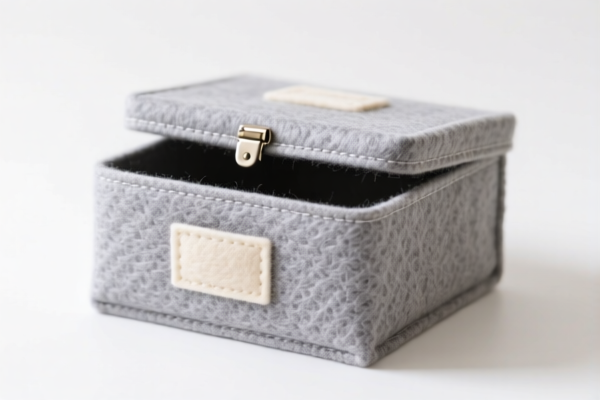
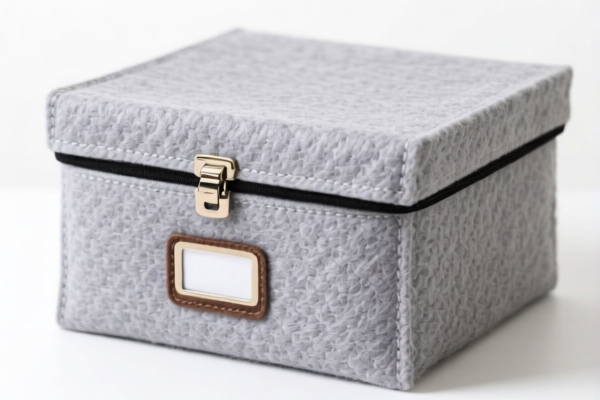
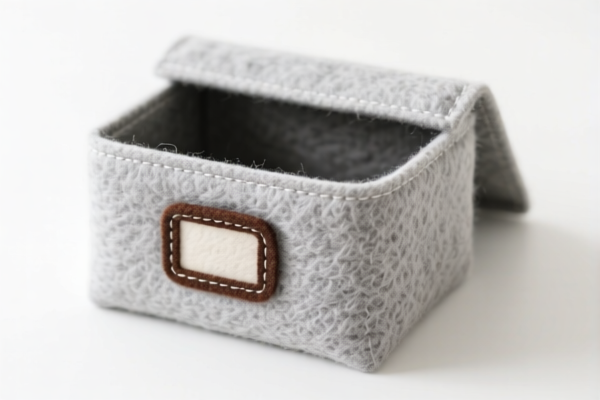
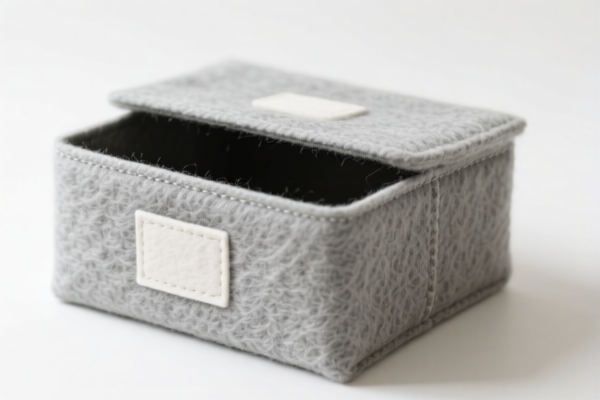
AI Analysis
🎒 Felt Storage Bag: HS Code Classification & U.S. Customs Clearance Guide (2026)
🌐 HS Code Reference & Clearance Strategy | Latest Tariff Analysis | Professional Customs Strategy
📌 I. Product Definition & Classification: What Exactly is a "Felt Storage Bag"?
A Felt Storage Bag is a textile-based container designed for organizing and storing small items (e.g., cosmetics, electronics, craft supplies, toiletries). In international trade, its classification hinges on two critical factors:
1. Form/Structure: Is it a "bag" (container with closure) or a "made-up textile article" (general finished good)?
2. Material Composition: Is it primarily classified as a "textile article" (Chapter 63) or a "leather-like/textile bag" (Chapter 42)?
⚠️ Key Distinction Point:
- If the bag is deemed a "bag" with specific structural features (handles, zippers, structured shape) → It often falls under Chapter 42 (Articles of Leather; Similar Articles).
- If the bag is deemed a "general textile accessory" or "made-up article" without distinct bag characteristics → It often falls under Chapter 63 (Other Made Up Textile Articles).
📦 II. HS Code Classification Matrix (2026 Latest Tariff Schedule)
| HS Code | Product Description | Applicability | Material Logic | Base Tariff | Add-on Tariffs | Total Effective Rate |
|---|---|---|---|---|---|---|
| 4202.92.97.00 | Articles of apparel and accessories, n.e.s., with outer surface of textile materials: Other | Structured storage bags (e.g., cosmetic cases, tech organizers) with textile outer surface | Felt treated as "textile material" under Chapter 42 | 17.6% | +25% (Section 301) +10% (IEEPA) | 52.6% |
| 6307.90.98.75 | Other made up articles, n.e.s.: Other | General felt accessories, unstructured pouches, or items not meeting "bag" definition | Felt classified under "other made-up textile articles" | 7.0% | +7.5% (Section 301) +10% (IEEPA) | 24.5% |
| 4202.99.90.00 | Articles of apparel and accessories, n.e.s.: Other | General textile bags falling outside 4202.92/93/94 | Felt as textile article in Chapter 42 | 20.0% | +25% (Section 301) +10% (IEEPA) | 55.0% |
| 6307.90.98.91 | Other made up articles, n.e.s.: Other | Similar to 6307.90.98.75; generic felt containers | Felt as generic textile article | 7.0% | +7.5% (Section 301) +10% (IEEPA) | 24.5% |
| 5603.94.90.90 | Non-woven fabrics: Other, weighing > 0.3 kg/m²: Other | Felt identified primarily as "non-woven fabric" rather than a finished bag | Felt classified as "non-woven material" | 0.0% | +25% (Section 301) +10% (IEEPA) | 35.0% |
🔍 Critical Note:
- Chapters 42 vs. 63: The U.S. Customs and Border Protection (CBP) distinguishes between "bags" (Ch. 42) and "made-up articles" (Ch. 63). If your product has zippers, handles, or a rigid structure, CBP is more likely to classify it under Chapter 42 (higher base tariff).
- Felt as Non-Woven (5603): If the felt is sold as a raw material or semi-finished fabric (not a finished bag), it falls under 5603. However, a "Storage Bag" is a finished product, making 4202 or 6307 more likely.
- Add-on Tariffs: All listed HS codes include Section 301 tariffs (25% or 7.5%) and IEEPA tariffs (10%) for Chinese-origin goods.
💰 III. 2026 U.S. Tariff Rate Breakdown (Detailed)
✅ Country of Origin: United States (US)
✅ Exporting Country: China (CN)
✅ Effective Date: November 10, 2025 (and onward)
🎯 1. 4202.92.97.00 & 4202.99.90.00 — High-Tariff "Bag" Classification
| Item | Detail |
|---|---|
| Base Duty | 17.6% (4202.92.97.00) / 20.0% (4202.99.90.00) |
| Section 301 Duty | +25% (Applied to most Chinese textile bags) |
| IEEPA Duty | +10% (Applied to Chinese-origin goods) |
| Total Effective Rate | 52.6% (for 4202.92.97.00) 55.0% (for 4202.99.90.00) |
| De Minimis Exemption? | ❌ NO (Value > $800 triggers full duty) |
| Legal Basis | USITC:4202.92.97.00 → 301:Footnote 9903.88.01 → IEEPA:9903.01.25 |
📌 Explanation:
- These codes treat the felt bag as a "bag" (Chapter 42).
- The 25% Section 301 tariff applies because these are considered "textile bags" subject to trade restrictions.
- The 10% IEEPA tariff is a broad-based surcharge on Chinese goods.
- Result: Over 50% of the item’s value goes to U.S. duties.
🎯 2. 6307.90.98.75 & 6307.90.98.91 — Low-Tariff "Made-Up Article" Classification
| Item | Detail |
|---|---|
| Base Duty | 7.0% |
| Section 301 Duty | +7.5% (Reduced rate for certain textile accessories) |
| IEEPA Duty | +10% |
| Total Effective Rate | 24.5% |
| De Minimis Exemption? | ❌ NO (Value > $800 triggers full duty) |
| Legal Basis | USITC:6307.90.98.75 → 301:Footnote 9903.88.02 → IEEPA:9903.01.24 |
📌 Explanation:
- These codes treat the felt bag as a "general textile article" (Chapter 63).
- The Section 301 tariff is only 7.5% (instead of 25%) because these are not classified as "bags" under the stricter Chapter 42 rules.
- Result: 24.5% total duty — more than 50% cheaper than Chapter 42 classification!
🎯 3. 5603.94.90.90 — "Non-Woven Fabric" Classification
| Item | Detail |
|---|---|
| Base Duty | 0.0% |
| Section 301 Duty | +25% |
| IEEPA Duty | +10% |
| Total Effective Rate | 35.0% |
| De Minimis Exemption? | ❌ NO |
| Legal Basis | USITC:5603.94.90.90 → 301:Footnote 9903.88.01 → IEEPA:9903.01.25 |
📌 Explanation:
- If CBP classifies the felt as a "non-woven fabric" rather than a finished bag, the base duty is 0%.
- However, the 25% Section 301 tariff still applies.
- Result: 35% total duty — mid-range option.
🛠️ IV. Customs Clearance Practical Advice (Avoiding Pitfalls)
✅ 1. Required Documentation Checklist
| Document | Mandatory? | Notes |
|---|---|---|
| ✅ Product Specifications | ✔️ | Detail dimensions, capacity, closure type (zipper/snaps), and lining. |
| ✅ Material Composition Certificate | ✔️ | Specify "100% Wool Felt" or "Synthetic Felt" to support Chapter 63 vs. 42 argument. |
| ✅ Product Photos | ✔️ | Show interior, exterior, closure mechanism, and overall structure. |
| ✅ Commercial Invoice | ✔️ | Clearly state "Felt Storage Bag, Textile Material" — avoid vague terms like "Gift Box." |
| ✅ Packing List | ✔️ | Confirm quantity and weight. |
| ✅ Origin Certificate | ✔️ | If not China-origin, this can avoid Section 301 tariffs. |
✅ 2. Classification Strategy & Naming Tips
🔥 "Structure Dictates Code! Name it Right, Save 30%!"
| Scenario | Recommended HS Code | Why? |
|---|---|---|
| Structured Bag (Zippers, handles, rigid shape) | 4202.92.97.00 or 4202.99.90.00 |
CBP sees it as a "bag" under Chapter 42. High duty. |
| Soft Pouch/Unstructured (No rigid shape, simple fold-over) | 6307.90.98.75 or 6307.90.98.91 |
CBP sees it as a "made-up article." Lower duty (24.5%). |
| Bulk Felt Sheets (Not sewn into bags) | 5603.94.90.90 |
Classified as fabric, not a finished good. 35% duty. |
📌 Key Tip:
- If your felt bag is soft, unstructured, and lacks handles/zippers, argue for Chapter 63 (6307.90.98.75).
- If it has zippers, handles, or a defined "bag" structure, CBP will likely assign Chapter 42 (4202.92.97.00).
- Naming Matters: Use "Felt Pouch" or "Felt Accessory" instead of "Felt Bag" to support Chapter 63 classification.
✅ 3. Special Circumstances
| Situation | Handling Advice |
|---|---|
| OEM/Custom Design | Provide design drawings to prove it’s a "pouch" not a "bag." |
| Mixed Materials | If lining is leather, it may shift to Chapter 42. Stick to 100% textile. |
| Non-China Origin | If made in Vietnam/India, Section 301 tariffs may not apply. Check local FTA rules. |
| De Minimis (Section 321) | If shipment value < $800, it may qualify for duty-free entry under Section 321, but this requires strict compliance. |
🌍 V. Global Market Comparison (2026)
| Market | Recommended HS Code | Estimated Duty | Notes |
|---|---|---|---|
| 🇺🇸 USA | 6307.90.98.75 |
24.5% | Lowest duty via Chapter 63. |
| 🇺🇸 USA | 4202.92.97.00 |
52.6% | High duty if classified as "bag." |
| 🇪🇺 EU | 6307.90.98 |
~12-15% | No Section 301 tariffs. |
| 🇨🇳 China | 6307.90.98 |
7-10% | Lower base duty, no add-ons. |
| 🇬🇧 UK | 6307.90.98 |
~12-15% | Post-Brexit tariffs. |
📌 Conclusion:
- The U.S. is the most challenging market due to Section 301 and IEEPA tariffs.
- Chapter 63 classification is the most cost-effective strategy for felt storage bags.
📌 VI. Common Errors & Pitfalls (Lessons Learned)
❌ Error 1: Calling a structured zipper pouch a "Bag" and getting 4202.92.97.00
👉 Result: 52.6% duty vs. 24.5%. Overpaid $28 per $100 item!
❌ Error 2: Not declaring material composition
👉 Result: CBP may assign the highest possible duty (55%) due to uncertainty.
❌ Error 3: Assuming all "felt" goods qualify for de minimis
👉 Result: Section 321 has strict rules. If the item is deemed a "textile bag," it may be excluded.
✅ Best Practice:
"Felt Pouch, Unstructured, Textile Material, Model XYZ"
→ Supports6307.90.98.75(24.5% duty).
🎯 VII. Final Recommendation: Optimize Your Classification
🎯 Strategy:
1. Design for Chapter 63: Use soft, unstructured designs without rigid handles or complex closures.
2. Name Precisely: Use "Pouch," "Organizer," or "Accessory" instead of "Bag."
3. Document Everything: Provide material specs and photos to prove it’s a "made-up article," not a "bag."
📌 Pro Tip:
If your shipment value is < $800, consider using Section 321 (De Minimis) to avoid all duties. However, if you’re shipping bulk containers, you must classify correctly.
📣 Action Plan:
1. Contact CBP for a Binding Ruling on your specific product design.
2. Update Product Listings to reflect "Felt Pouch" or "Felt Organizer."
3. Work with a Customs Broker to ensure correct HS code entry (6307.90.98.75).
✨ Smart Classification Saves Money!
💼 Don’t Let Tariffs Eat Your Margins — Classify Smart, Import Efficiently!
Customer Reviews
About HS Code Classification
The Harmonized System (HS) is an internationally standardized nomenclature developed by the World Customs Organization (WCO) to classify traded products. Over 200 countries use the HS system as the basis for customs tariffs, trade statistics, and import/export regulations.
Each HS code follows a hierarchical structure:
- Chapter (2 digits) — Broad category of goods (e.g., Chapter 84: Machinery and Mechanical Appliances)
- Heading (4 digits) — More specific grouping within the chapter
- Subheading (6 digits) — Internationally standardized breakdown, used by all WCO member countries
- National subdivisions (8-10 digits) — Country-specific extensions for further classification, such as US HTSUS 10-digit codes
Correct HS code classification is essential for smooth customs clearance, accurate duty payment, and compliance with trade regulations. Misclassification can lead to customs delays, overpayment of duties, or penalties.
When importing from CN to US, the applicable tariff rates may include:
- Most-Favored-Nation (MFN) rate — The standard duty rate applied to WTO members
- General rate — Applied to countries without trade agreements
- Trade remedy duties — Additional tariffs such as Section 301 (anti-dumping), Section 232 (national security), or countervailing duties
The information provided on this page is for reference purposes only. For official classification, please consult with your local customs authority or a licensed customs broker.