Felt Storage Organizer
CN → US| HS编码 | 关税税率 | 原产国 | 目的国 | 文档 |
|---|---|---|---|---|
| 4202929700 | 52.6% | CN | US | 官方文档 |
| 6307909875 | 24.5% | CN | US | 官方文档 |
| 4202999000 | 55.0% | CN | US | 官方文档 |
| 6307909891 | 24.5% | CN | US | 官方文档 |
| 5603949090 | 35.0% | CN | US | 官方文档 |
商品图片
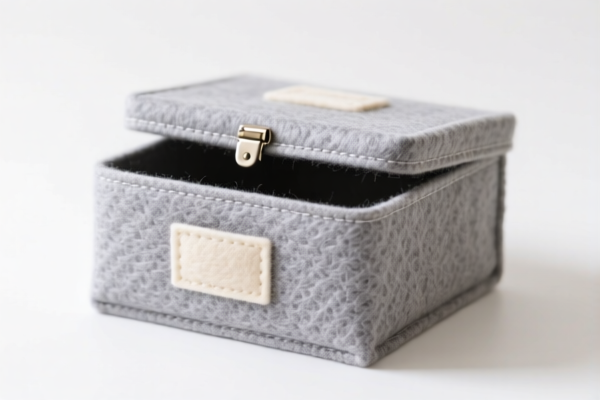
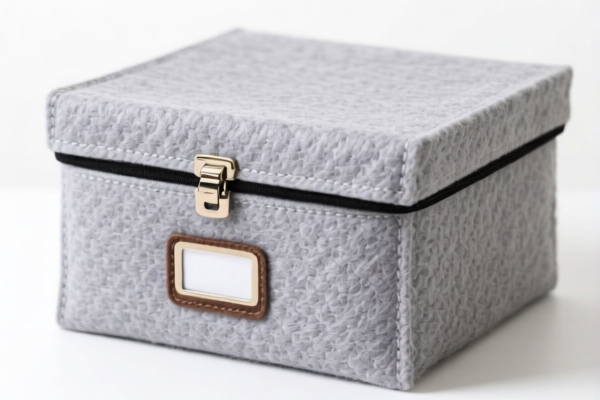
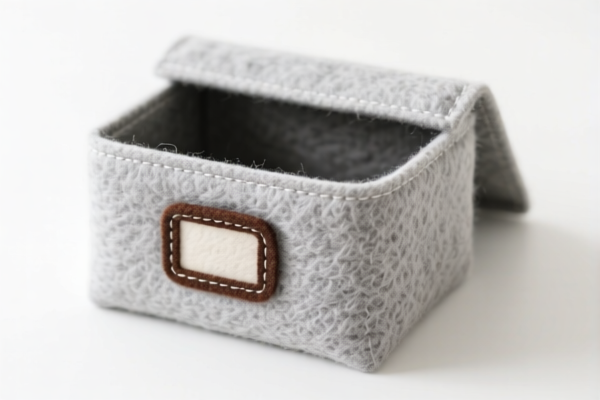
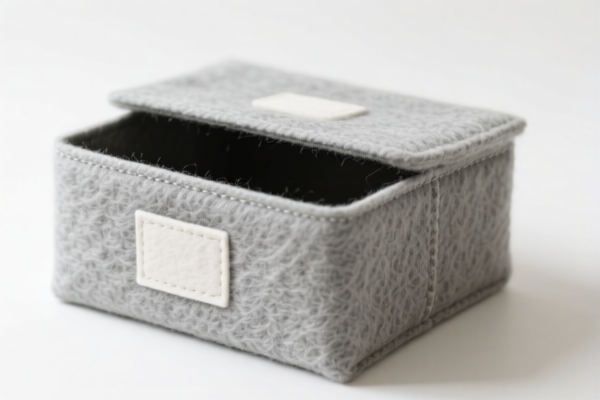
AI分析
🎒 Felt Storage Organizer (The "Ultimate" Guide to US Customs Classification)
🌐 HS Code Reference & Customs Clearance Guide | 2026 Tariff Analysis | Professional Clearance Strategy
📌 Part 1: Product Definition – What Exactly is a "Felt Storage Organizer"?
A Felt Storage Organizer is a textile-based container designed for收纳 (storage) and organization. In international trade, its classification depends heavily on two factors:
1. Shape/Form: Is it a defined "bag/container" with structure, or a general textile article?
2. Material: "Felt" is technically a non-woven textile (matted fibers), but customs often views it as a finished textile article depending on its structure.
⚠️ Key Distinction:
- If it has a structured form (rigid base, handles, zippers) resembling a bag → Chapter 42
- If it is a generic textile item without specific bag features → Chapter 63 (Other Made-up Textile Articles)
- If classified strictly by its material origin (non-woven fabric) rather than function → Chapter 56
📦 Part 2: Detailed HS Code Classification Matrix (2026 Latest)
Based on the provided data, there are five potential classifications. Note the significant tax disparity between them.
| HS Code | Classification Logic | Total Tax Rate | Key Components of Tax |
|---|---|---|---|
| 4202.92.97.00 | Textile Bag/Container: Defined as a container with an outer surface made of textile materials. Felt is considered a textile fiber. | 52.6% | Base: 17.6% + Sec 301: 25.0% + IEEPA (122): 10.0% |
| 6307.90.98.75 | Other Made-up Textile Articles: General "catch-all" for finished textile items not specified elsewhere. Based on "other made-up articles" rules. | 24.5% | Base: 7.0% + Sec 301: 7.5% + IEEPA (122): 10.0% |
| 4202.99.90.00 | Other Bags/Containers (Textile): Generic textile bag category. Focuses on use (storage) and material (textile/felt). | 55.0% | Base: 20.0% + Sec 301: 25.0% + IEEPA (122): 10.0% |
| 6307.90.98.91 | Other Made-up Textile Articles (Alt.): Similar to 6307.98.75 but different sub-heading code for non-specific textile goods. | 24.5% | Base: 7.0% + Sec 301: 7.5% + IEEPA (122): 10.0% |
| 5603.94.90.90 | Non-Woven Fabric Articles: Classifies based on material property (felt = non-woven) rather than end-use as a bag. | 35.0% | Base: 0.0% + Sec 301: 25.0% + IEEPA (122): 10.0% |
🔍 Critical Insight:
- Lowest Tax Bracket: 24.5% (HS Codes 6307.90.98.75 & 6307.90.98.91).
- Highest Tax Bracket: 55.0% (HS Code 4202.99.90.00).
- The "Felt" Trap: Customs may classify felt as a "non-woven fabric" (Ch 56) or a "textile bag" (Ch 42). Misclassification leads to severe penalties.
💰 Part 3: 2026 Tariff Rate Breakdown & Legal Basis
✅ Applicable Country: United States (US)
✅ Origin: China (CN)
✅ Effective Date: Post-2025 policies including Section 301 and IEEPA 122
🎯 Scenario A: The "Low Tax" Strategy (HS 6307.90...)
HS Code: 6307.90.98.75 or 6307.90.98.91
Logic: Classified as "Other Made-up Textile Articles" (generic container), avoiding the stricter "Bag" definition of Chapter 42.
| Item | Details |
|---|---|
| Base Duty | 7.0% |
| Section 301 Surcharge | 7.5% |
| IEEPA (122 Clause) | 10.0% |
| Total Effective Rate | 24.5% |
| Calculation | CIF Value × 24.5% |
| De Minimis Exemption | ❌ NOT Eligible (China origin > $800 rule does not apply to these codes for CN origin) |
| Legal Path | Base: 6307.90 → Sec301: 7.5% → IEEPA: 10% |
📌 Explanation:
- The base duty for general textile articles is low (7%).
- The Section 301 surcharge is only 7.5% (not 25%) for this specific sub-category in the provided data.
- Total: 24.5%. This is the most cost-effective classification if defensible.
🎯 Scenario B: The "Medium Tax" Strategy (HS 5603.94...)
HS Code: 5603.94.90.90
Logic: Classified strictly as an article of non-woven fabric (felt).
| Item | Details |
|---|---|
| Base Duty | 0.0% |
| Section 301 Surcharge | 25.0% |
| IEEPA (122 Clause) | 10.0% |
| Total Effective Rate | 35.0% |
| Calculation | CIF Value × 35.0% |
| De Minimis Exemption | ❌ NOT Eligible |
| Legal Path | Base: 5603.94 → Sec301: 25% → IEEPA: 10% |
📌 Explanation:
- While the base duty is 0%, the Section 301 surcharge jumps to 25%.
- Total: 35.0%. This is a middle-ground option but risky if Customs argues it is a "bag."
🎯 Scenario C: The "High Tax" Risk (HS 4202.92/99...)
HS Code: 4202.92.97.00 or 4202.99.90.00
Logic: Classified as a "Bag/Container" with textile outer surface. This triggers the highest base duties.
| Item | Details |
|---|---|
| Base Duty | 17.6% (for .97) or 20.0% (for .90) |
| Section 301 Surcharge | 25.0% |
| IEEPA (122 Clause) | 10.0% |
| Total Effective Rate | 52.6% or 55.0% |
| Calculation | CIF Value × 52.6% / 55.0% |
| De Minimis Exemption | ❌ NOT Eligible |
| Legal Path | Base: 4202.92/99 → Sec301: 25% → IEEPA: 10% |
📌 Explanation:
- Chapter 42 items attract high base duties (17-20%).
- Total: 52.6% - 55.0%. This is prohibitively expensive compared to the 24.5% option.
- Risk: If Customs rejects the 6307 classification and forces 4202, you owe ~30% more in duties.
🛠️ Part 4: Customs Clearance Practical Advice
✅ 1. Documentation Checklist (Must-Have)
| Document | Requirement | Purpose |
|---|---|---|
| Product Description | Clear, detailed English description. Avoid "Bag" if aiming for 6307. Use "Textile Storage Organizer" or "Non-Woven Storage Bin". | Prevents misclassification as a "Bag" (Ch 42). |
| Material Specification | Explicitly state: "100% Polyester Felt" or "Non-woven Polypropylene". | Supports classification under Ch 56 or Ch 63. |
| Photos | Show the item empty and with structure. Show lack of rigid handles/zippers if claiming "Other Made-up Article". | Proves it is not a standard "Bag" under Ch 42. |
| Commercial Invoice | Must match the HS Code and description exactly. | Critical for audit trails. |
| Packing List | Detail dimensions and weight. | Helps verify it fits "Other Made-up" dimensions. |
✅ 2. Declaration Strategy (The "Golden Rule")
🔥 "Don't Call it a Bag, Call it an Article!"
| Scenario | Recommended HS Code | Risk Level | Tax Rate |
|---|---|---|---|
| Structured Bag with Handles/Zippers | 4202.92.97.00 |
High Tax | 52.6% |
| Open Bin / Cube / Generic Organizer | 6307.90.98.75 |
Low Tax | 24.5% |
| Felt Sheet/Cut Material (Not Finished) | 5603.94.90.90 |
Medium | 35.0% |
⚠️ Warning:
- If the product has handles, zippers, or a defined bag shape, Customs will likely force classification under 4202.
- To use 6307, the item should look more like a "textile bin" or "generic container" without traditional bag features.
- Never declare a "Bag" as "Fabric" (Ch 56) if it is clearly a finished container; this is fraud.
✅ 3. Special Considerations
| Issue | Advice |
|---|---|
| Pre-Ruling | Strongly Recommended. Apply for an HS Code Pre-Ruling with CBP using photos and technical specs. |
| De Minimis ($800) | ❌ Does NOT Apply. China-origin goods under 6307/4202/5603 are subject to Section 301 and IEEPA tariffs, even if under $800. |
| 122 Clause | Ensure the 10% IEEPA tariff is included in all cost calculations. This is new and critical. |
🌍 Part 5: Market Comparison & Final Verdict
| Market | Recommended HS | Est. Total Duty | Notes |
|---|---|---|---|
| 🇺🇸 USA | 6307.90.98.75 |
24.5% | Lowest risk/tax if structured correctly. Avoid 4202. |
| 🇨🇳 China | 6307.90.98.75 |
Low | Standard import duties apply (not detailed in source). |
| 🇪🇺 EU | 6307.90 |
Varies | No Section 301/IEEPA. Focus on material composition. |
📌 Conclusion for US Importers:
The difference between 24.5% and 55.0% is massive.
- Target:6307.90.98.75(24.5%).
- How: Ensure the product is described as a "Textile Storage Organizer" or "Non-woven Container," NOT a "Bag."
- Verify: Provide photos showing it lacks traditional bag closures (zippers/handles) if possible.
📌 Part 6: Common Mistakes & Pitfalls (Learn from Others' Losses)
❌ Mistake 1: Using "Bag" in the product name.
👉 Consequence: CBP forces classification under 4202 → Tax jumps from 24.5% to 52.6%.
❌ Mistake 2: Ignoring the 122 Clause (IEEPA).
👉 Consequence: Under-declaring duties by 10% → Penalties + Back Taxes.
❌ Mistake 3: Assuming De Minimis applies.
👉 Consequence: Package seized or taxed upon entry because China-origin goods are excluded from $800 exemption for these codes.
✅ Best Practice:
"Describe as 'Textile Storage Container,' not 'Bag.' Provide technical specs showing non-woven material. Apply for Pre-Ruling."
🎯 Part 7: Final Recommendation
🎯 Action Plan:
1. Redesign Labeling: Change product name from "Felt Bag" to "Felt Storage Organizer" or "Textile Bin."
2. Photo Proof: Take photos showing the item’s structure (or lack of handles).
3. Declare Correctly: Use HS 6307.90.98.75 if the structure allows.
4. Budget Correctly: Calculate CIF × 24.5% (not 55%).
📞 Contact a Customs Broker to file a Pre-Ruling before shipping your first container. The cost of a ruling is far less than the 30% duty overpayment!
✨ Professional Clearance, Start with Accurate Classification!
💼 Every Percent Saved is Pure Profit!
用户评价
关于 HS 编码归类
协调制度(HS)是由世界海关组织(WCO)制定的国际贸易商品分类标准。全球 200 多个国家采用 HS 系统作为海关关税、贸易统计和进出口监管的基础。
每个 HS 编码遵循以下层级结构:
- 章(2 位)——商品大类(例如:第 84 章:机器和机械设备)
- 品目(4 位)——章内的更具体分类
- 子目(6 位)——国际通用细分,所有 WCO 成员国统一使用
- 本国细分(8-10 位)——各国自行扩展的细分编码,如美国 HTSUS 10 位编码
正确的 HS 编码归类对于顺利通关、准确缴纳关税和遵守贸易法规至关重要。错误归类可能导致海关延误、多缴关税或罚款。
从CN进口到US时,适用的关税税率可能包括:
- 最惠国(MFN)税率——适用于 WTO 成员国的标准关税税率
- 普通税率——适用于无贸易协定国家
- 贸易救济关税——附加关税,如 301 条款(反倾销)、232 条款(国家安全)或反补贴税
本页内容仅供参考。如需正式归类,请咨询当地海关或持牌报关代理。