Felt Storage Organizer
CN → US| HS Code | Tariff Rate | Origin | Destination | Doc |
|---|---|---|---|---|
| 4202929700 | 52.6% | CN | US | Official Doc |
| 6307909875 | 24.5% | CN | US | Official Doc |
| 4202999000 | 55.0% | CN | US | Official Doc |
| 6307909891 | 24.5% | CN | US | Official Doc |
| 5603949090 | 35.0% | CN | US | Official Doc |
Product Images
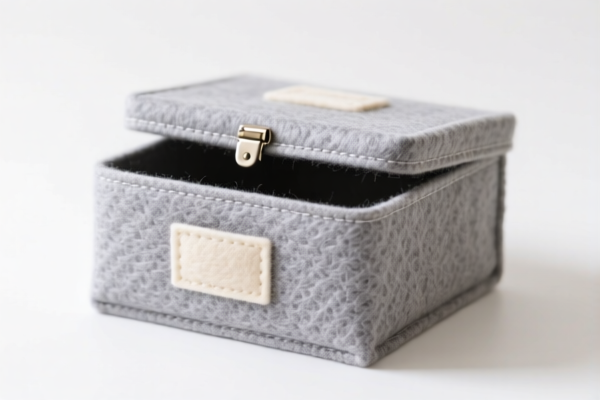
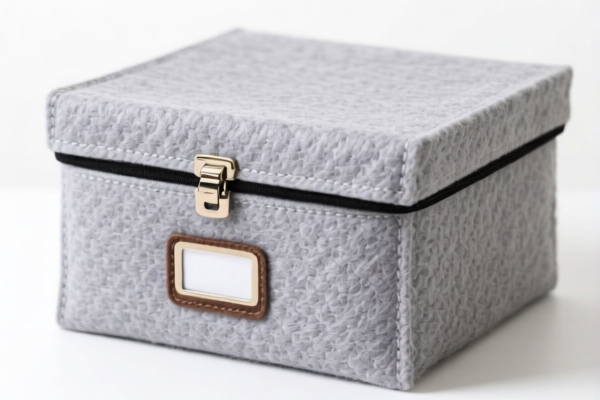
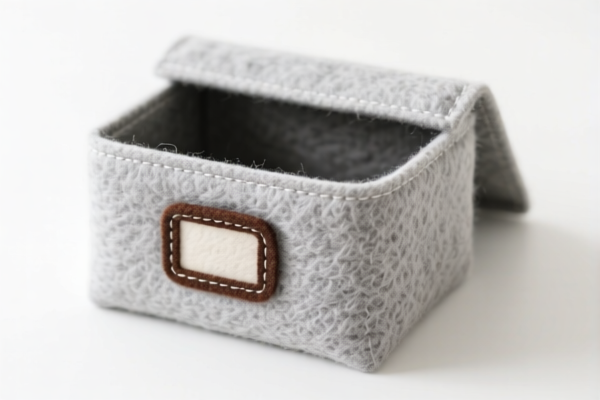
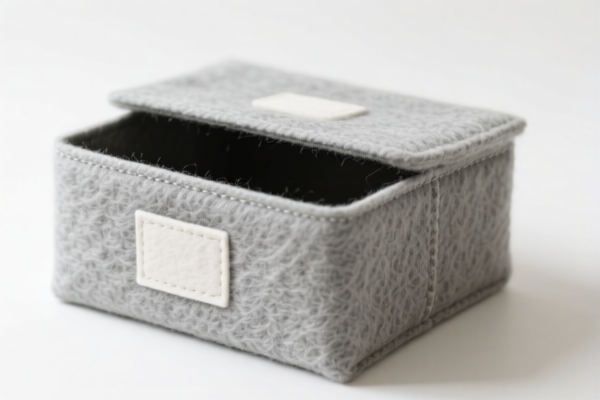
AI Analysis
🎒 Felt Storage Organizer (The "Ultimate" Guide to US Customs Classification)
🌐 HS Code Reference & Customs Clearance Guide | 2026 Tariff Analysis | Professional Clearance Strategy
📌 Part 1: Product Definition – What Exactly is a "Felt Storage Organizer"?
A Felt Storage Organizer is a textile-based container designed for收纳 (storage) and organization. In international trade, its classification depends heavily on two factors:
1. Shape/Form: Is it a defined "bag/container" with structure, or a general textile article?
2. Material: "Felt" is technically a non-woven textile (matted fibers), but customs often views it as a finished textile article depending on its structure.
⚠️ Key Distinction:
- If it has a structured form (rigid base, handles, zippers) resembling a bag → Chapter 42
- If it is a generic textile item without specific bag features → Chapter 63 (Other Made-up Textile Articles)
- If classified strictly by its material origin (non-woven fabric) rather than function → Chapter 56
📦 Part 2: Detailed HS Code Classification Matrix (2026 Latest)
Based on the provided data, there are five potential classifications. Note the significant tax disparity between them.
| HS Code | Classification Logic | Total Tax Rate | Key Components of Tax |
|---|---|---|---|
| 4202.92.97.00 | Textile Bag/Container: Defined as a container with an outer surface made of textile materials. Felt is considered a textile fiber. | 52.6% | Base: 17.6% + Sec 301: 25.0% + IEEPA (122): 10.0% |
| 6307.90.98.75 | Other Made-up Textile Articles: General "catch-all" for finished textile items not specified elsewhere. Based on "other made-up articles" rules. | 24.5% | Base: 7.0% + Sec 301: 7.5% + IEEPA (122): 10.0% |
| 4202.99.90.00 | Other Bags/Containers (Textile): Generic textile bag category. Focuses on use (storage) and material (textile/felt). | 55.0% | Base: 20.0% + Sec 301: 25.0% + IEEPA (122): 10.0% |
| 6307.90.98.91 | Other Made-up Textile Articles (Alt.): Similar to 6307.98.75 but different sub-heading code for non-specific textile goods. | 24.5% | Base: 7.0% + Sec 301: 7.5% + IEEPA (122): 10.0% |
| 5603.94.90.90 | Non-Woven Fabric Articles: Classifies based on material property (felt = non-woven) rather than end-use as a bag. | 35.0% | Base: 0.0% + Sec 301: 25.0% + IEEPA (122): 10.0% |
🔍 Critical Insight:
- Lowest Tax Bracket: 24.5% (HS Codes 6307.90.98.75 & 6307.90.98.91).
- Highest Tax Bracket: 55.0% (HS Code 4202.99.90.00).
- The "Felt" Trap: Customs may classify felt as a "non-woven fabric" (Ch 56) or a "textile bag" (Ch 42). Misclassification leads to severe penalties.
💰 Part 3: 2026 Tariff Rate Breakdown & Legal Basis
✅ Applicable Country: United States (US)
✅ Origin: China (CN)
✅ Effective Date: Post-2025 policies including Section 301 and IEEPA 122
🎯 Scenario A: The "Low Tax" Strategy (HS 6307.90...)
HS Code: 6307.90.98.75 or 6307.90.98.91
Logic: Classified as "Other Made-up Textile Articles" (generic container), avoiding the stricter "Bag" definition of Chapter 42.
| Item | Details |
|---|---|
| Base Duty | 7.0% |
| Section 301 Surcharge | 7.5% |
| IEEPA (122 Clause) | 10.0% |
| Total Effective Rate | 24.5% |
| Calculation | CIF Value × 24.5% |
| De Minimis Exemption | ❌ NOT Eligible (China origin > $800 rule does not apply to these codes for CN origin) |
| Legal Path | Base: 6307.90 → Sec301: 7.5% → IEEPA: 10% |
📌 Explanation:
- The base duty for general textile articles is low (7%).
- The Section 301 surcharge is only 7.5% (not 25%) for this specific sub-category in the provided data.
- Total: 24.5%. This is the most cost-effective classification if defensible.
🎯 Scenario B: The "Medium Tax" Strategy (HS 5603.94...)
HS Code: 5603.94.90.90
Logic: Classified strictly as an article of non-woven fabric (felt).
| Item | Details |
|---|---|
| Base Duty | 0.0% |
| Section 301 Surcharge | 25.0% |
| IEEPA (122 Clause) | 10.0% |
| Total Effective Rate | 35.0% |
| Calculation | CIF Value × 35.0% |
| De Minimis Exemption | ❌ NOT Eligible |
| Legal Path | Base: 5603.94 → Sec301: 25% → IEEPA: 10% |
📌 Explanation:
- While the base duty is 0%, the Section 301 surcharge jumps to 25%.
- Total: 35.0%. This is a middle-ground option but risky if Customs argues it is a "bag."
🎯 Scenario C: The "High Tax" Risk (HS 4202.92/99...)
HS Code: 4202.92.97.00 or 4202.99.90.00
Logic: Classified as a "Bag/Container" with textile outer surface. This triggers the highest base duties.
| Item | Details |
|---|---|
| Base Duty | 17.6% (for .97) or 20.0% (for .90) |
| Section 301 Surcharge | 25.0% |
| IEEPA (122 Clause) | 10.0% |
| Total Effective Rate | 52.6% or 55.0% |
| Calculation | CIF Value × 52.6% / 55.0% |
| De Minimis Exemption | ❌ NOT Eligible |
| Legal Path | Base: 4202.92/99 → Sec301: 25% → IEEPA: 10% |
📌 Explanation:
- Chapter 42 items attract high base duties (17-20%).
- Total: 52.6% - 55.0%. This is prohibitively expensive compared to the 24.5% option.
- Risk: If Customs rejects the 6307 classification and forces 4202, you owe ~30% more in duties.
🛠️ Part 4: Customs Clearance Practical Advice
✅ 1. Documentation Checklist (Must-Have)
| Document | Requirement | Purpose |
|---|---|---|
| Product Description | Clear, detailed English description. Avoid "Bag" if aiming for 6307. Use "Textile Storage Organizer" or "Non-Woven Storage Bin". | Prevents misclassification as a "Bag" (Ch 42). |
| Material Specification | Explicitly state: "100% Polyester Felt" or "Non-woven Polypropylene". | Supports classification under Ch 56 or Ch 63. |
| Photos | Show the item empty and with structure. Show lack of rigid handles/zippers if claiming "Other Made-up Article". | Proves it is not a standard "Bag" under Ch 42. |
| Commercial Invoice | Must match the HS Code and description exactly. | Critical for audit trails. |
| Packing List | Detail dimensions and weight. | Helps verify it fits "Other Made-up" dimensions. |
✅ 2. Declaration Strategy (The "Golden Rule")
🔥 "Don't Call it a Bag, Call it an Article!"
| Scenario | Recommended HS Code | Risk Level | Tax Rate |
|---|---|---|---|
| Structured Bag with Handles/Zippers | 4202.92.97.00 |
High Tax | 52.6% |
| Open Bin / Cube / Generic Organizer | 6307.90.98.75 |
Low Tax | 24.5% |
| Felt Sheet/Cut Material (Not Finished) | 5603.94.90.90 |
Medium | 35.0% |
⚠️ Warning:
- If the product has handles, zippers, or a defined bag shape, Customs will likely force classification under 4202.
- To use 6307, the item should look more like a "textile bin" or "generic container" without traditional bag features.
- Never declare a "Bag" as "Fabric" (Ch 56) if it is clearly a finished container; this is fraud.
✅ 3. Special Considerations
| Issue | Advice |
|---|---|
| Pre-Ruling | Strongly Recommended. Apply for an HS Code Pre-Ruling with CBP using photos and technical specs. |
| De Minimis ($800) | ❌ Does NOT Apply. China-origin goods under 6307/4202/5603 are subject to Section 301 and IEEPA tariffs, even if under $800. |
| 122 Clause | Ensure the 10% IEEPA tariff is included in all cost calculations. This is new and critical. |
🌍 Part 5: Market Comparison & Final Verdict
| Market | Recommended HS | Est. Total Duty | Notes |
|---|---|---|---|
| 🇺🇸 USA | 6307.90.98.75 |
24.5% | Lowest risk/tax if structured correctly. Avoid 4202. |
| 🇨🇳 China | 6307.90.98.75 |
Low | Standard import duties apply (not detailed in source). |
| 🇪🇺 EU | 6307.90 |
Varies | No Section 301/IEEPA. Focus on material composition. |
📌 Conclusion for US Importers:
The difference between 24.5% and 55.0% is massive.
- Target:6307.90.98.75(24.5%).
- How: Ensure the product is described as a "Textile Storage Organizer" or "Non-woven Container," NOT a "Bag."
- Verify: Provide photos showing it lacks traditional bag closures (zippers/handles) if possible.
📌 Part 6: Common Mistakes & Pitfalls (Learn from Others' Losses)
❌ Mistake 1: Using "Bag" in the product name.
👉 Consequence: CBP forces classification under 4202 → Tax jumps from 24.5% to 52.6%.
❌ Mistake 2: Ignoring the 122 Clause (IEEPA).
👉 Consequence: Under-declaring duties by 10% → Penalties + Back Taxes.
❌ Mistake 3: Assuming De Minimis applies.
👉 Consequence: Package seized or taxed upon entry because China-origin goods are excluded from $800 exemption for these codes.
✅ Best Practice:
"Describe as 'Textile Storage Container,' not 'Bag.' Provide technical specs showing non-woven material. Apply for Pre-Ruling."
🎯 Part 7: Final Recommendation
🎯 Action Plan:
1. Redesign Labeling: Change product name from "Felt Bag" to "Felt Storage Organizer" or "Textile Bin."
2. Photo Proof: Take photos showing the item’s structure (or lack of handles).
3. Declare Correctly: Use HS 6307.90.98.75 if the structure allows.
4. Budget Correctly: Calculate CIF × 24.5% (not 55%).
📞 Contact a Customs Broker to file a Pre-Ruling before shipping your first container. The cost of a ruling is far less than the 30% duty overpayment!
✨ Professional Clearance, Start with Accurate Classification!
💼 Every Percent Saved is Pure Profit!
Customer Reviews
About HS Code Classification
The Harmonized System (HS) is an internationally standardized nomenclature developed by the World Customs Organization (WCO) to classify traded products. Over 200 countries use the HS system as the basis for customs tariffs, trade statistics, and import/export regulations.
Each HS code follows a hierarchical structure:
- Chapter (2 digits) — Broad category of goods (e.g., Chapter 84: Machinery and Mechanical Appliances)
- Heading (4 digits) — More specific grouping within the chapter
- Subheading (6 digits) — Internationally standardized breakdown, used by all WCO member countries
- National subdivisions (8-10 digits) — Country-specific extensions for further classification, such as US HTSUS 10-digit codes
Correct HS code classification is essential for smooth customs clearance, accurate duty payment, and compliance with trade regulations. Misclassification can lead to customs delays, overpayment of duties, or penalties.
When importing from CN to US, the applicable tariff rates may include:
- Most-Favored-Nation (MFN) rate — The standard duty rate applied to WTO members
- General rate — Applied to countries without trade agreements
- Trade remedy duties — Additional tariffs such as Section 301 (anti-dumping), Section 232 (national security), or countervailing duties
The information provided on this page is for reference purposes only. For official classification, please consult with your local customs authority or a licensed customs broker.