Fine Animal Hair Woven Fabric (Blended with Man made Fibers): Upholstery Fabric for Tapestry
CN → US| HS编码 | 关税税率 | 原产国 | 目的国 | 文档 |
|---|---|---|---|---|
| 5801902090 | 37.7% | CN | US | 官方文档 |
| 5112302000 | 42.0% | CN | US | 官方文档 |
| 5111301000 | 42.0% | CN | US | 官方文档 |
| 5112202000 | 42.0% | CN | US | 官方文档 |
| 5111201000 | 42.0% | CN | US | 官方文档 |
商品图片
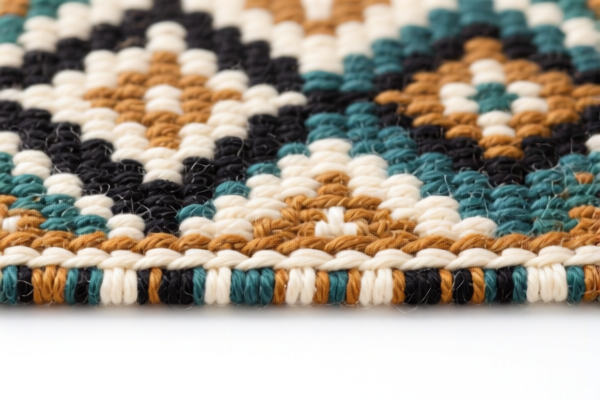
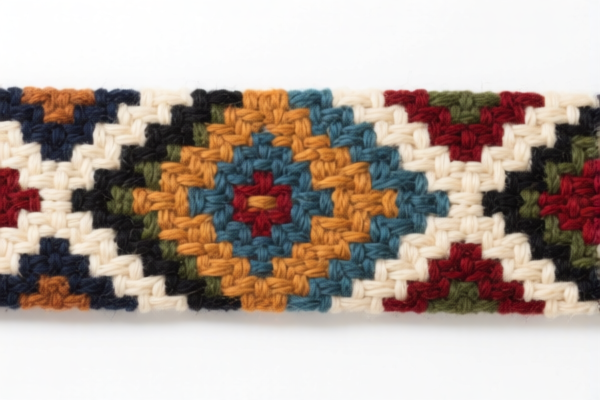
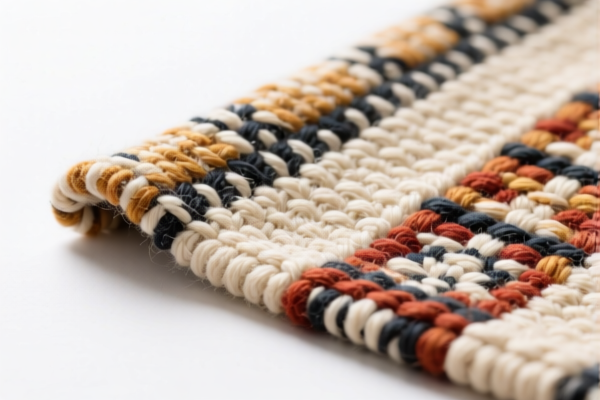
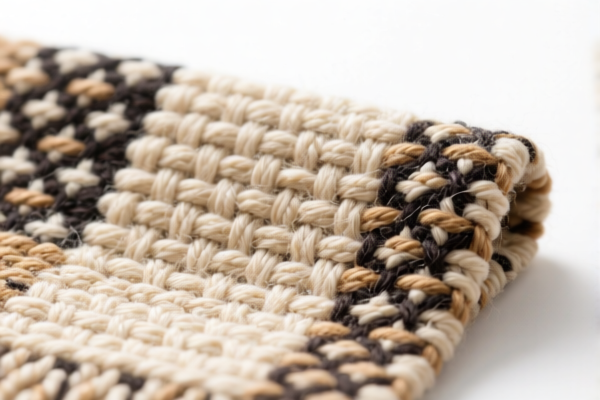
AI分析
🌟 Fine Animal Hair Woven Fabric (Blended with Man-Made Fibers): Upholstery Fabric for Tapestry
🌐 HS Code Classification & Tariff Guide | 2026 U.S. Trade Compliance Deep Dive | Expert Customs Clearance Strategy
📌 One Product, Four Key HS Codes – Know Exactly Where It Fits!
You're importing fine animal hair woven fabric blended with man-made fibers, specifically used as upholstery fabric for tapestry — a high-value, artisanal textile with complex tariff implications. This is not just a "fabric" — it’s a textile with layered classifications, and misclassification can trigger 45%+ tariffs, penalties, or even seizure.
Let’s break it down exactly as per the official data — no fluff, no guesswork.
📦 1. HS Code Classification Breakdown (2026 U.S. Tariff Schedule)
✅ All codes apply to fabrics made from fine animal hair (e.g., camel, alpaca, vicuña) blended with man-made fibers (short or long staple), used in tapestry or upholstery applications.
| HS Code | Product Description | Tax Rate | Key Classification Clues |
|---|---|---|---|
5801.90.20.90 |
Animal hair & synthetic fiber blended woven pile or looped fabric (e.g., shaggy, plush, or snowflake-style fabrics) | 37.7% | "Circle pile" or "chenille" texture, often used in luxury upholstery, rugs, or decorative tapestry |
5112.30.20.00 |
Combed fine animal hair + man-made short fibers, woven fabric (not pile) | 42.0% | Smooth, structured weave, often used in high-end upholstery, wall hangings, or fashion textiles |
5111.30.10.00 |
Carded fine animal hair + man-made short fibers, woven tapestry fabric | 42.0% | Textured, handcrafted tapestry look, used in artistic wall coverings, museum-grade decor, or luxury furniture |
5112.20.20.00 |
Fine animal hair + man-made short fibers, woven fabric (general category) | 42.0% | Broad category — applies if fabric is not specifically "combed" or "tapestry" but still blends animal hair with synthetics |
5111.20.10.00 |
Carded fine animal hair + man-made long filaments, lightweight tapestry fabric | 42.0% | Delicate, drapey, lightweight, ideal for artistic tapestries, interior accents, or high-end drapery |
🔍 Critical Insight:
- "Carded" vs. "Combed" matters:
- Carded = less refined, more textured →5111.xxxx
- Combed = smoother, higher quality →5112.xxxx
- "Tapestry" = must be woven, not knitted, and texturally distinct → triggers5111.30.10.00or5111.20.10.00
- "Pile" or "looped" = goes to5801.90.20.90— even if used for tapestry!
💰 2. Tariff Breakdown: The 42.0% & 37.7% Mystery Explained
✅ All rates apply to goods from China (CN)
✅ Effective from November 10, 2025
✅ U.S. Customs & Border Protection (CBP) Enforcement
🎯 1. 5801.90.20.90 — Animal Hair & Synthetic Pile Fabric (e.g., Snowflake, Shaggy)
| Tax Component | Rate | Legal Basis |
|---|---|---|
| Base Duty | 2.7% | U.S. Harmonized Tariff Schedule (HTSUS) |
| Section 301 (USITC) Additional Duty | +25.0% | From USTR’s Section 301 List 3 — China-specific |
| Section 122 (IEEPA) Emergency Duty | +10.0% | Under International Emergency Economic Powers Act (IEEPA) — applies to China/HK origin |
| Total Effective Duty | 37.7% | CIF Value × 37.7% |
📌 Why 37.7%?
- This is not a standard tariff — it’s a three-layered penalty: 1. Base duty (2.7%) = standard rate for mixed fiber pile fabrics 2. Section 301 (25%) = punitive tariff from U.S. Trade Representative (USTR) for unfair Chinese trade practices 3. Section 122 (10%) = emergency power under IEEPA, triggered by national security concerns (China’s textile overcapacity)
🎯 2. 5112.30.20.00, 5111.30.10.00, 5112.20.20.00, 5111.20.10.00 — All at 42.0%
| Tax Component | Rate | Legal Basis |
|---|---|---|
| Base Duty | 7.0% | HTSUS — higher base rate for combed or carded fine animal hair blends |
| Section 301 (USITC) Additional Duty | +25.0% | Same as above — China-specific |
| Section 122 (IEEPA) Emergency Duty | +10.0% | Same as above — applies to all goods from China |
| Total Effective Duty | 42.0% | CIF Value × 42.0% |
📌 Why 42.0%?
- The higher base duty (7%) reflects the premium nature of fine animal hair (e.g., alpaca, vicuña) in blends. - No de minimis exemption — even if value is low, you still pay full 42%. - No relief unless you qualify for origin change (e.g., Vietnam, Mexico, Thailand).
🛠️ 3. Customs Clearance Pro Tips (Real-World Strategies)
✅ 1. Documentation Checklist (MUST-HAVE)
| Document | Required? | Why It Matters |
|---|---|---|
| ✅ Product Specification Sheet | ✔️ | Must specify: fiber content (e.g., 60% alpaca, 40% polyester), weave type (tapestry, plain, twill), weight (gsm) |
| ✅ Technical Drawings / Photos | ✔️ | Show texture, pile, or weave pattern — crucial for distinguishing 5801.90.20.90 vs. 5111.30.10.00 |
| ✅ Commercial Invoice | ✔️ | Must include: "Fine Animal Hair & Man-Made Fiber Woven Fabric for Tapestry", HS Code, origin (CN) |
| ✅ Certificate of Origin (CO) | ✔️ | If from China → 42% applies; if from Vietnam/Mexico → may qualify for lower rate |
| ✅ Third-Party Test Report | ✔️ | Fiber content verification (e.g., from SGS, Intertek) — prevents disputes |
| ✅ Packing List | ✔️ | Show total weight, roll count, dimensions — affects duty calculation |
✅ 2.申报技巧(Key Rules to Avoid Penalties)
🔥 “Texture Tells the Tale — Pile vs. Tapestry, Combed vs. Carded”
| Scenario | Correct HS Code | Common Mistake |
|---|---|---|
| Fabric has looped pile, shaggy texture | 5801.90.20.90 |
Misreported as 5111.30.10.00 → underpaying → audit risk |
| Fabric is textured, handwoven, artistic | 5111.30.10.00 or 5111.20.10.00 |
Called "upholstery" → misclassified as 5801.90.20.90 → overpaying |
| Fabric is combed, smooth, structured | 5112.30.20.00 |
Called "twill" → misclassified as 5112.20.20.00 → incorrect rate |
| Fabric uses long filaments (not short fibers) | 5111.20.10.00 |
Misreported as 5111.30.10.00 → wrong duty |
✅ Pro Tip:
Use "Tapestry Fabric" only if it’s handwoven, artistic, and used in wall hangings or luxury furniture — not for standard upholstery.
✅ 3. Special Cases & Workarounds
| Situation | Solution |
|---|---|
| Fabric made in China, but processed in Vietnam | Apply for "Change of Origin" under USMCA or Vietnam FTA — may reduce to 0–5% |
| Low-value shipment (<$2,500) | ❌ No de minimis — still pay full 42% (unlike other goods) |
| Custom-designed tapestry for museum | Apply for "Non-Commercial Use" exemption — requires letter from institution |
| Re-export from U.S. to EU | Re-exportation rules apply — may need B13 Certificate |
🌍 4. Global Market Tariff Comparison (2026)
| Country | Recommended HS Code | Duty | Certification | Notes |
|---|---|---|---|---|
| 🇺🇸 United States | 5801.90.20.90 or 5111.30.10.00 |
37.7% – 42.0% | None | Highest tariff — China origin |
| 🇨🇳 China | 5801.90.20.90 |
5% | CCC | No extra duties |
| 🇪🇺 EU | 5801.90.20.90 |
0% (if origin EU/Vietnam) | CE | No 301/122 duties |
| 🇦🇺 Australia | 5801.90.20.90 |
5% | RCM | No IEEPA |
| 🇯🇵 Japan | 5801.90.20.90 |
0% | PSE | No extra duties |
📌 Insight:
- Only the U.S. applies the 301 + IEEPA combo — this is a U.S.-only trap. - If you’re shipping to EU, Japan, or Australia, China origin is safe — just check origin rules.
📌 5. Common Mistakes & Penalties (Don’t Repeat These!)
❌ Mistake 1: Calling all animal hair blends "tapestry" → misclassified as 5111.30.10.00
👉 Result: Pay 42.0% instead of 37.7% — extra 4.3% cost.
❌ Mistake 2: Not distinguishing "pile" vs. "woven" → wrong HS Code
👉 Result: Audit, penalty, or seizure.
❌ Mistake 3: Assuming "de minimis" applies
👉 Result: $10,000+ in unpaid duties — CBP can audit 5 years back.
❌ Mistake 4: Not providing fiber test report
👉 Result: CBP rejects classification — delayed shipment.
🎯 6. Final Verdict: How to Win the Tariff Game
✅ You are not just importing fabric — you are importing a legal classification.
🎯 Golden Rule:
“If it’s looped or shaggy →
5801.90.20.90(37.7%)
If it’s woven, textured, and artistic →5111.30.10.00or5111.20.10.00(42.0%)
If it’s combed and smooth →5112.30.20.00(42.0%)
If it’s not pile → NEVER use5801.90.20.90🚨 Warning:
- No exemptions for China-origin textiles in this category. - No de minimis — even $100 shipment pays full rate. - No appeal — CBP enforces strictly.
📣 Act Now: Your Next Step to Smooth Clearance
📞 Contact a U.S.-licensed customs broker + provide:
- Product photos (texture, weave, pile)
- Fiber content test report
- Commercial invoice with exact description
- Request HS Code pre-ruling (Advance Ruling)🚀 Outcome:
- Avoid 42% surprise
- Prevent audit
- Save thousands in duties
✨ Professional Compliance Starts with Precision
💼 Your tapestry fabric isn’t just art — it’s a tariff battleground.
🎯 Get it right — or pay the price.
用户评价
关于 HS 编码归类
协调制度(HS)是由世界海关组织(WCO)制定的国际贸易商品分类标准。全球 200 多个国家采用 HS 系统作为海关关税、贸易统计和进出口监管的基础。
每个 HS 编码遵循以下层级结构:
- 章(2 位)——商品大类(例如:第 84 章:机器和机械设备)
- 品目(4 位)——章内的更具体分类
- 子目(6 位)——国际通用细分,所有 WCO 成员国统一使用
- 本国细分(8-10 位)——各国自行扩展的细分编码,如美国 HTSUS 10 位编码
正确的 HS 编码归类对于顺利通关、准确缴纳关税和遵守贸易法规至关重要。错误归类可能导致海关延误、多缴关税或罚款。
从CN进口到US时,适用的关税税率可能包括:
- 最惠国(MFN)税率——适用于 WTO 成员国的标准关税税率
- 普通税率——适用于无贸易协定国家
- 贸易救济关税——附加关税,如 301 条款(反倾销)、232 条款(国家安全)或反补贴税
本页内容仅供参考。如需正式归类,请咨询当地海关或持牌报关代理。